


Training sessions within the framework of the LEAP program, intended for livestock and environmental specialists, have begun in Ashgabat. Most of the training courses were conducted remotely via videoconference.
A final seminar was organized for participants of the two training groups with the involvement of their virtual trainers. These trainers are international FAO experts — Francesco Accatino (Italy), Yuri Nesterov (Ukraine, Turkiye), and Xiangyu Song (China), who arrived in Ashgabat and acted as moderators of the scientific and practical meeting held in the conference hall of the Arçabil Hotel.
The speakers presented the new program aimed at assessing the impact of livestock systems on biodiversity through the application of FAO guidelines for the development of new livestock projects and maintaining the sector in a state of increasing sustainability.
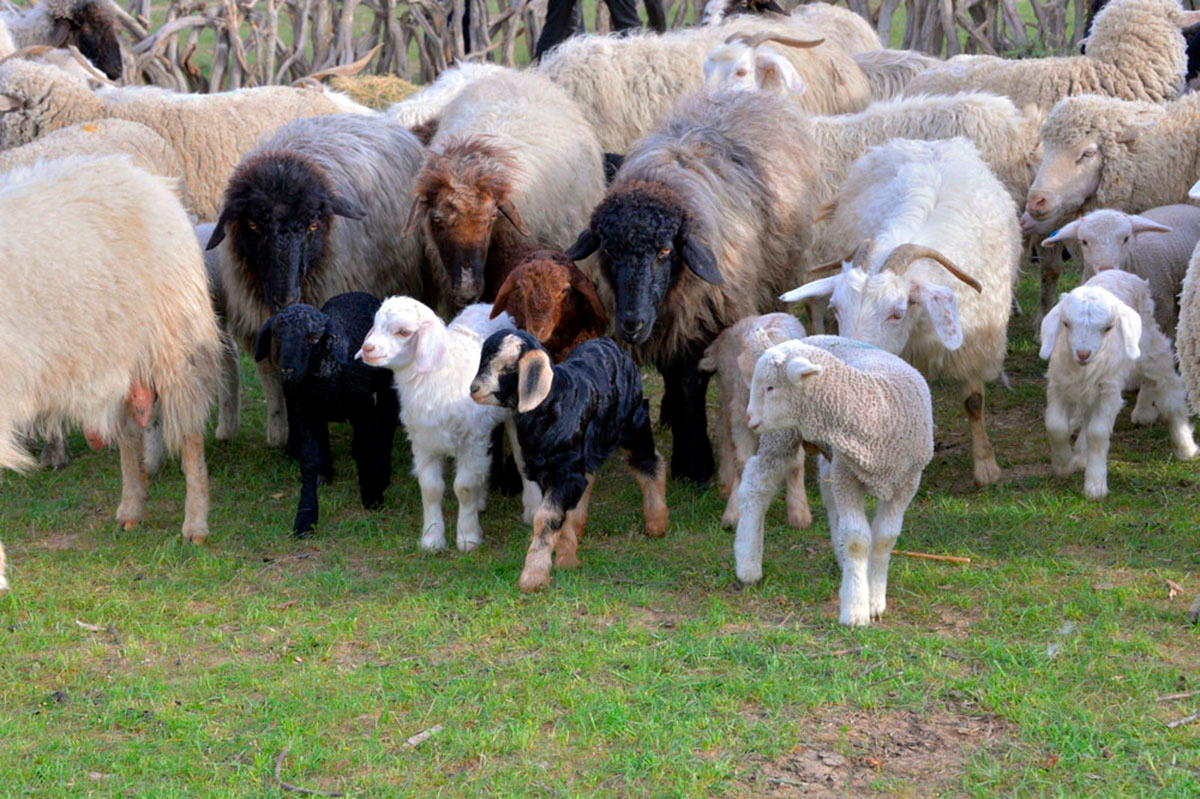
To approach the program from a practical perspective, participants divided into groups to work on specific topics related to the interconnection between the condition of natural resources and the breeding of livestock and poultry, including fish farming and beekeeping. Both material and non-material benefits of livestock breeding for nature were identified.
The contribution of livestock science to the preservation of natural habitats and agrobiodiversity includes combating zoonotic, parasitic, viral, and infectious diseases of livestock and poultry within the country and regionally through customs veterinary control, as well as vaccination of all types of farm animals within the country. In this regard, the Central Laboratory of the State Veterinary Service under the Ministry of Agriculture of Turkmenistan fulfills a state order for the production of vaccines against a number of diseases — amounting to five percent of the annually used volume of such preparations.
Maintaining epizootic safety among farm animals also plays a protective role for wildlife species.