


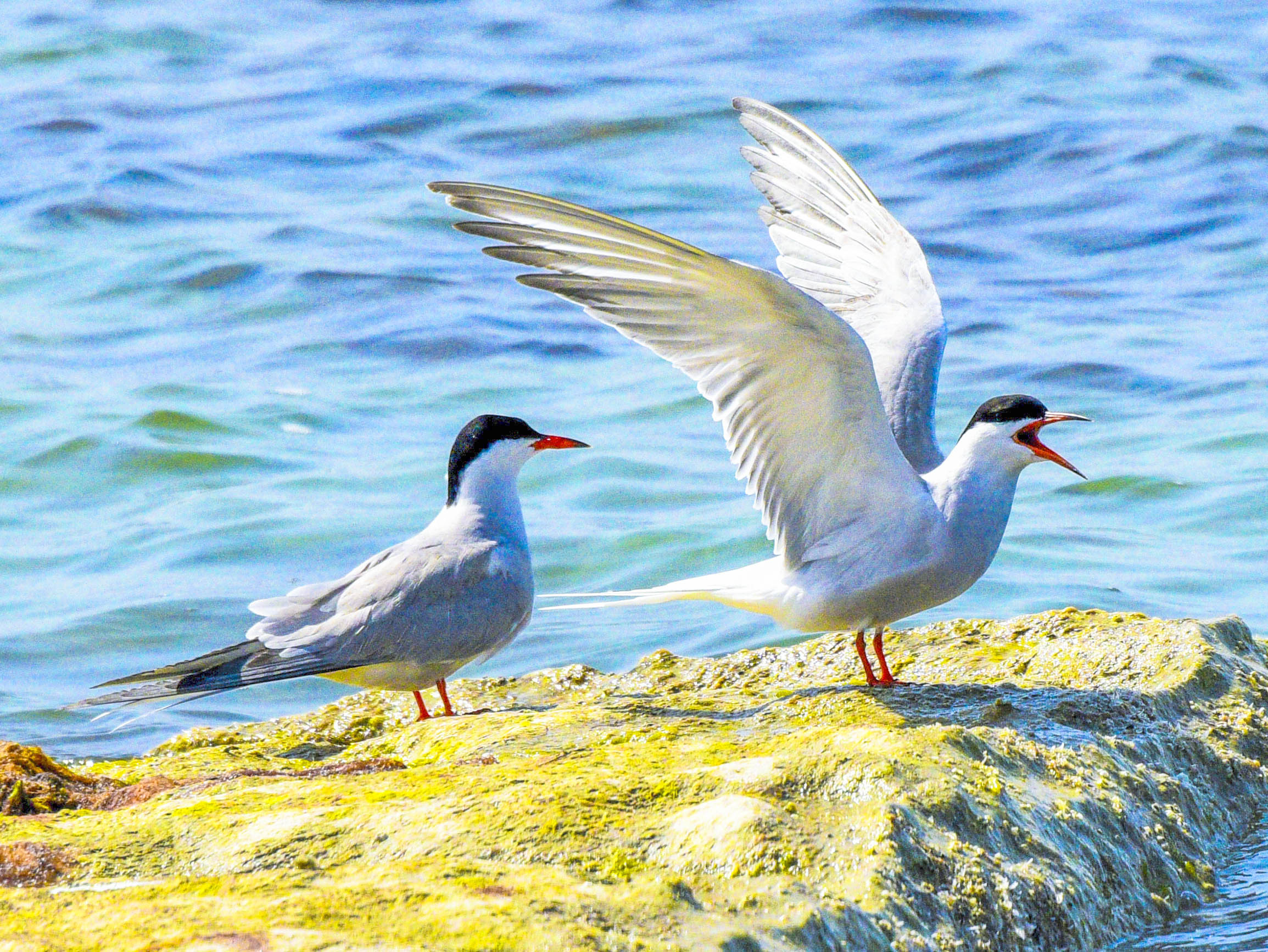
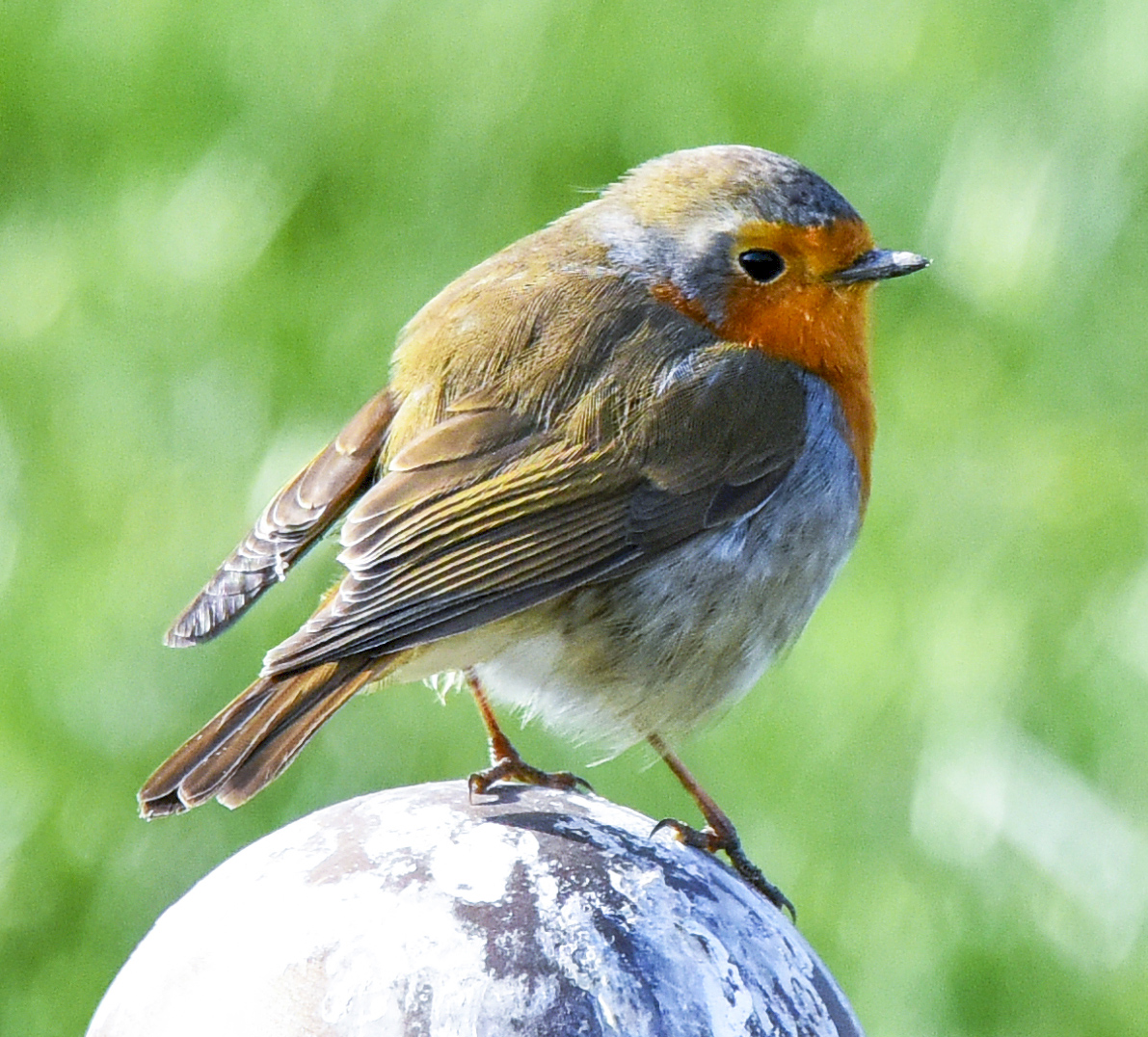
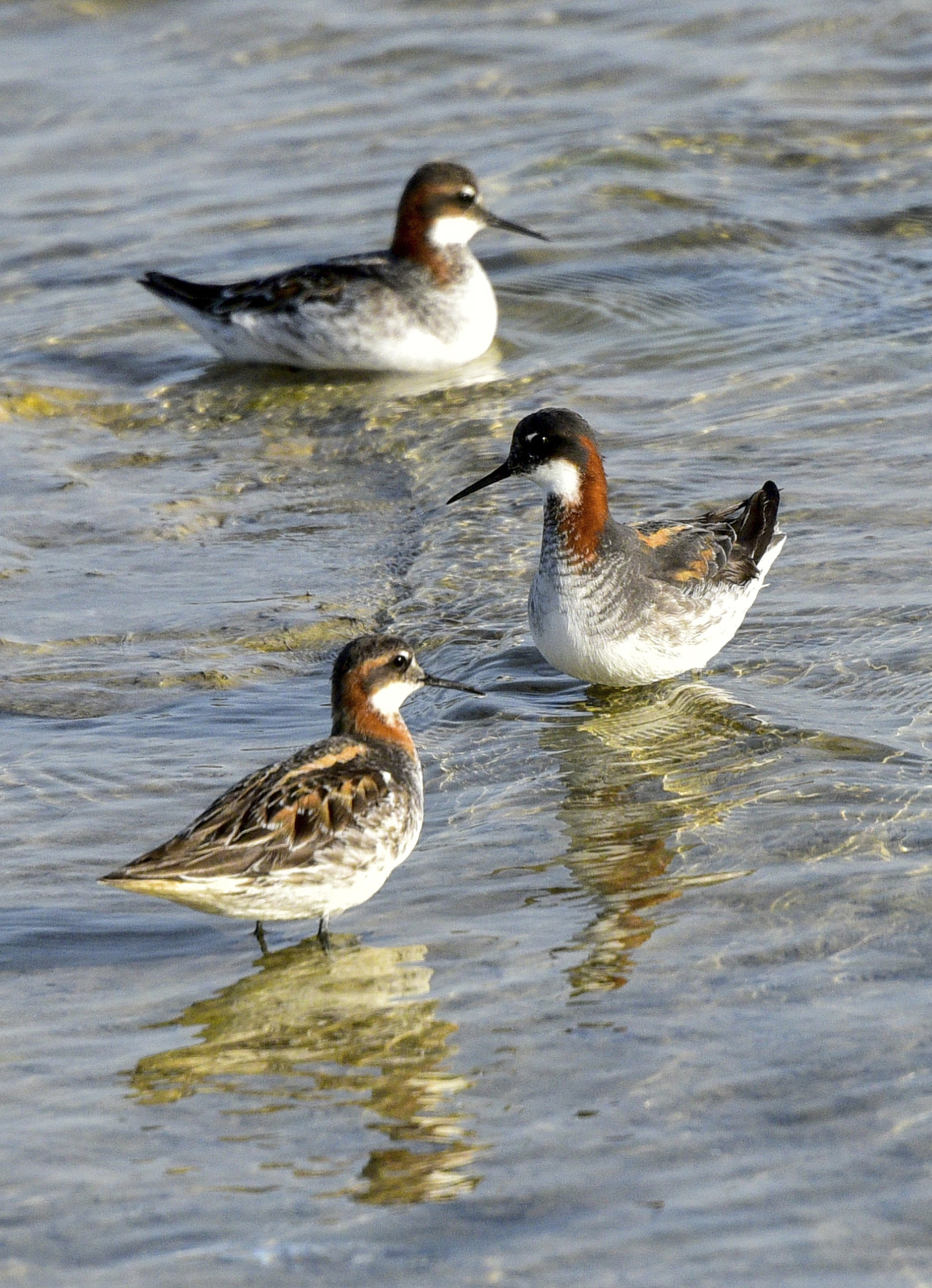
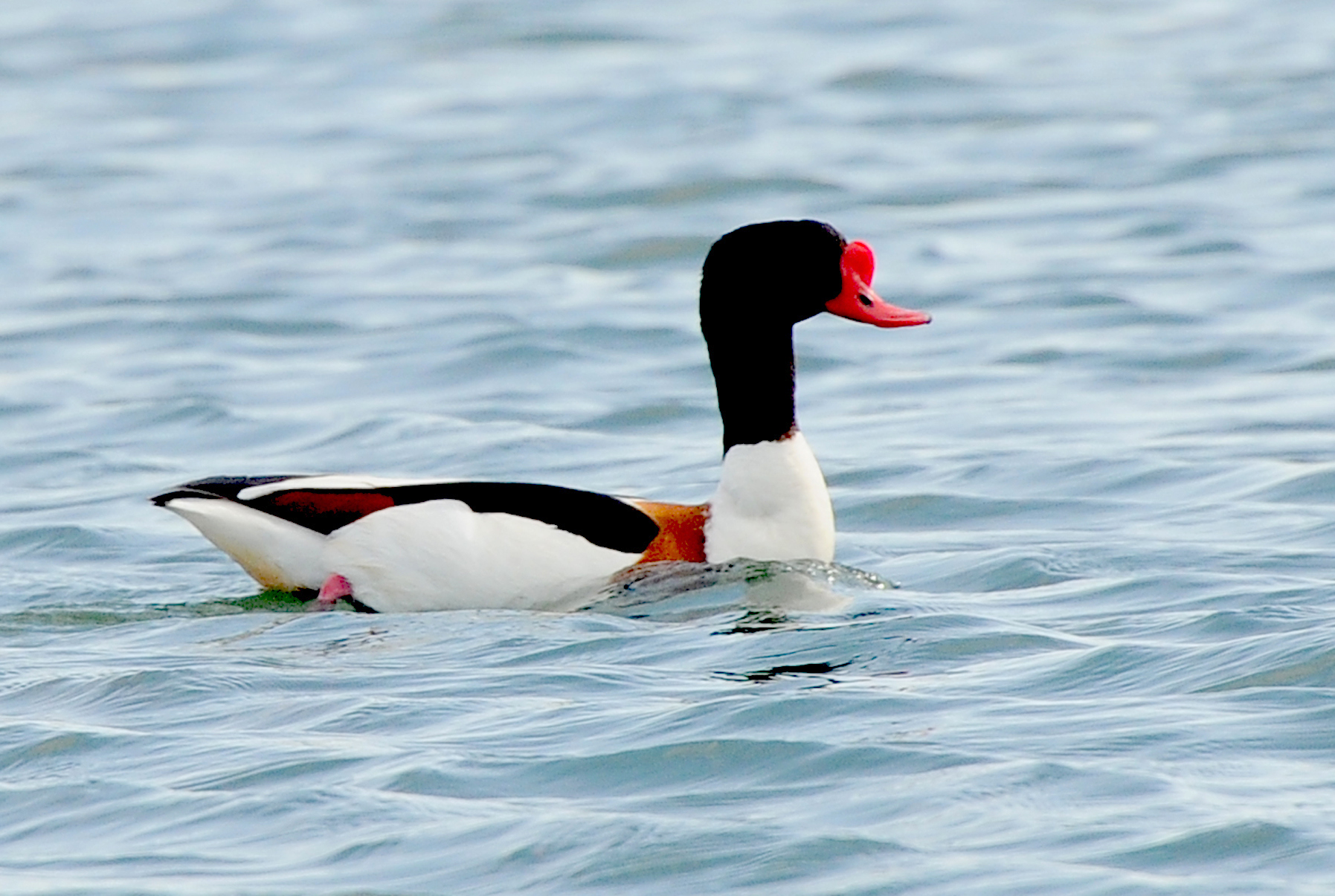

The avifauna of Turkmenistan is unique in its diversity. Thanks to a wide range of landscape zones, such as mountainous areas, bodies of water, and the desert, more than 400 bird species inhabit the country. Among them are nesting birds that raise their young here, migratory birds that stop to rest during their journeys, and wintering birds that stay through the cold season. Occasionally, vagrant birds can also be encountered—species that appear in these places by accident.
Global climate change affects the presence patterns of birds and the boundaries of their habitats. This leads to the spread of new species into the country’s territory, especially along its borders, a fact confirmed by the results of field ornithological research.
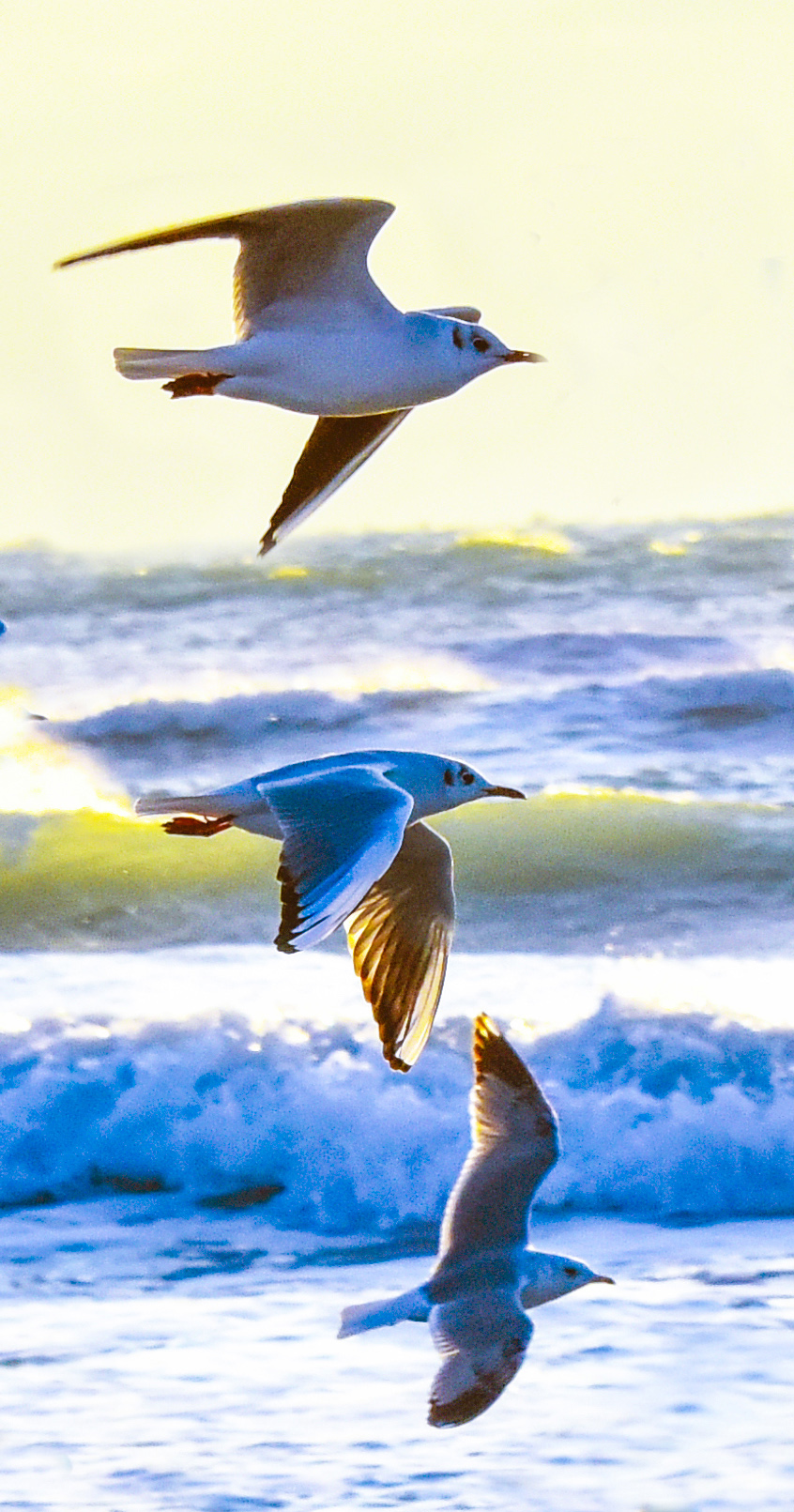
One of the popular activities among bird-enthusiasts is birdwatching—observing birds through photography, videography, identification, and listening to their sounds. Among those passionate about this pursuit is “Diýar” magazine photojournalist Ahmet Tanrygulyyev. His photo collection already includes 150 bird species, with each photograph the result of painstaking observation.
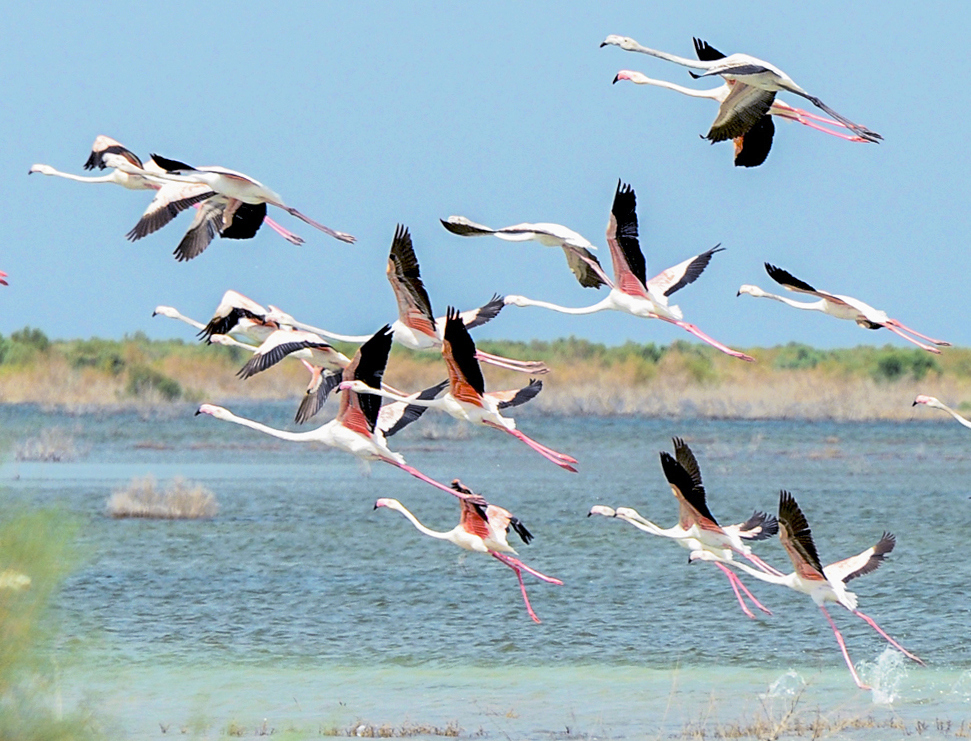
During his travels, Ahmet visited all nine of the country’s reserves and captured unique bird species in their natural habitats. In the Badkhyz Nature Reserve, he observed a cinereous vulture nesting in a pistachio tree. In the Repetek Reserve, he managed to photograph a woodpecker in its tree hollow, a flying swan, and shelducks on a lake. On Ogurja Island in the southeastern part of the Caspian Sea, he photographed flocks of cormorants and young flamingos.
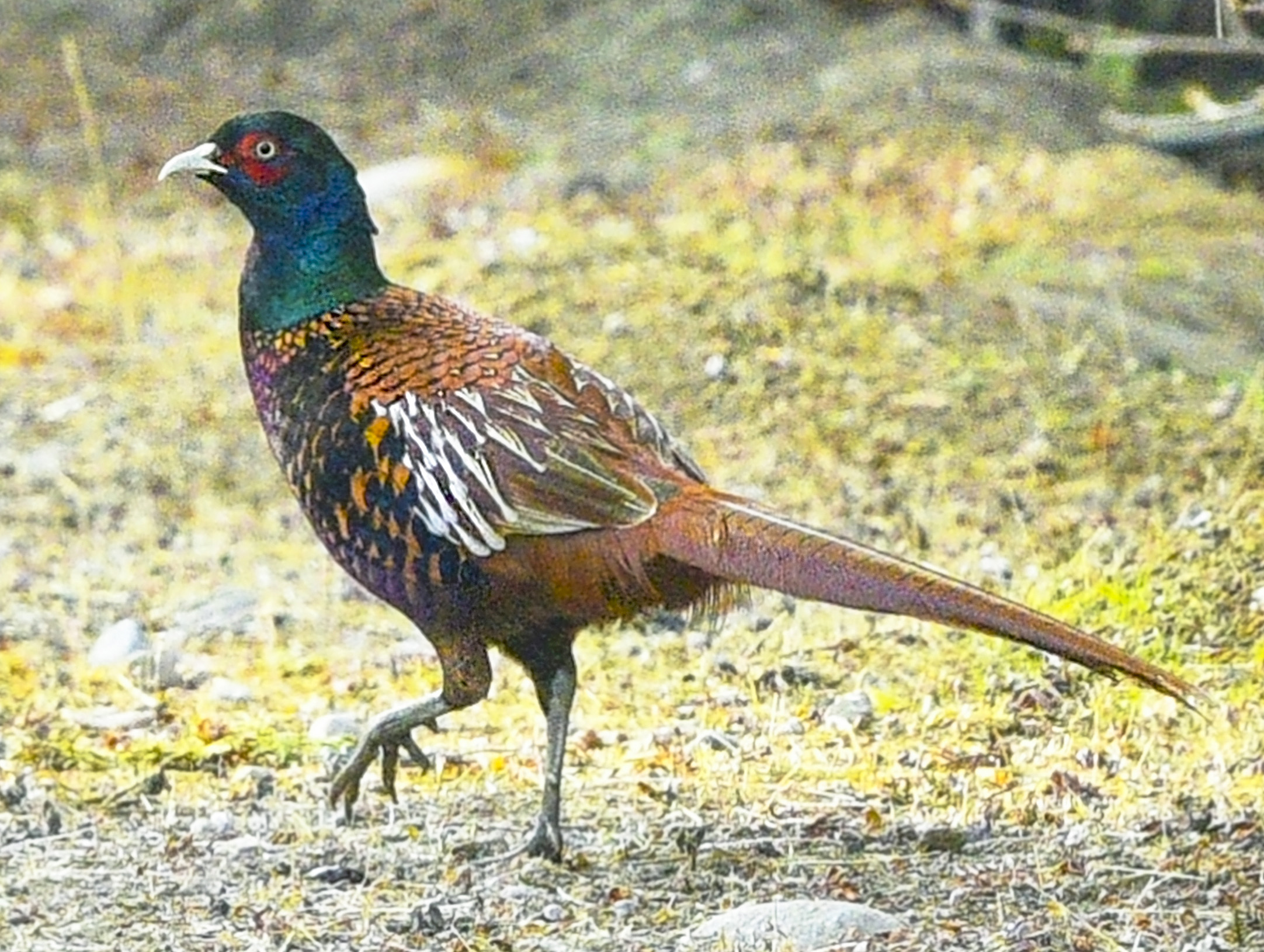
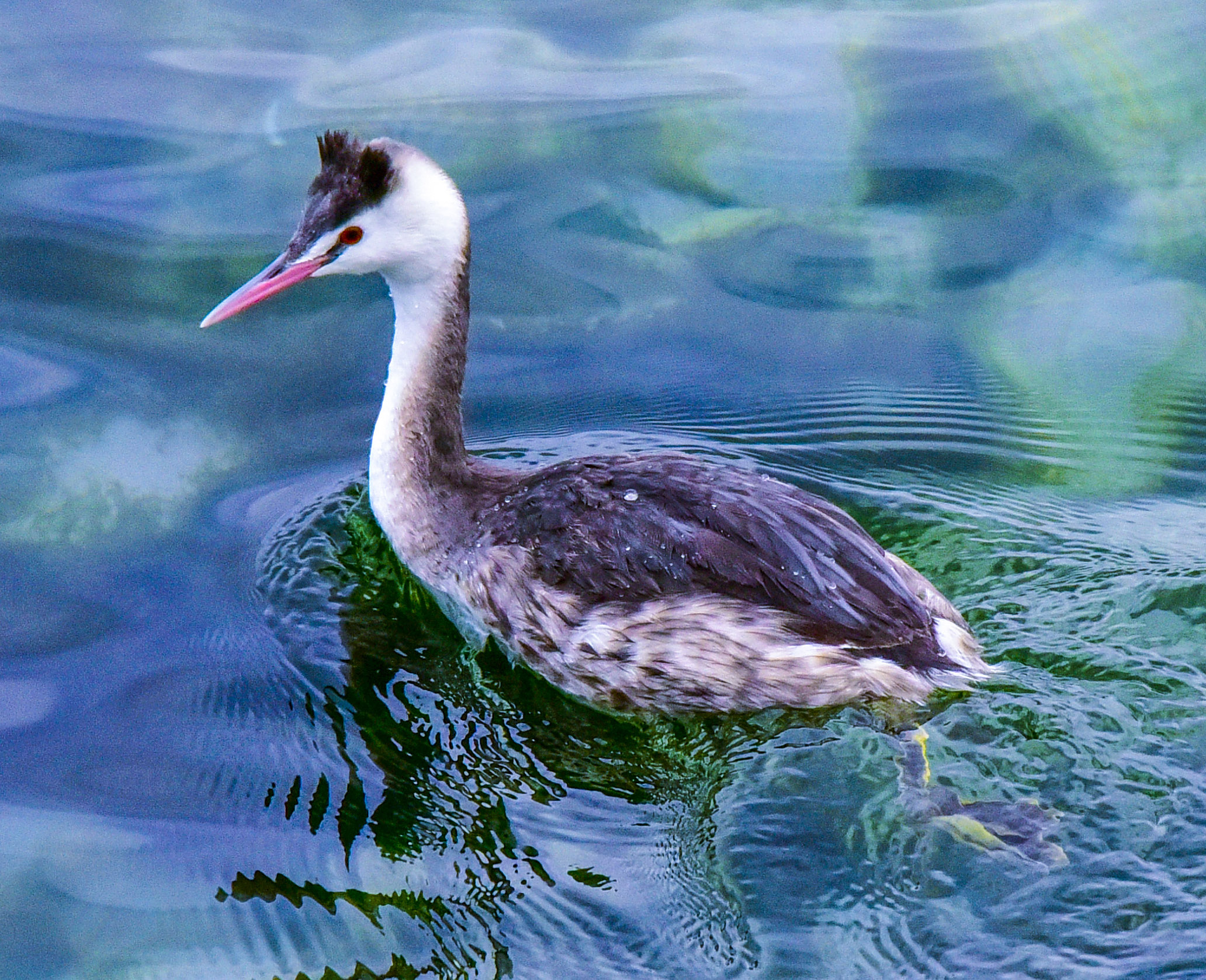
At Lake Sarygamysh in the Gaplangyr Reserve, Ahmet captured glossy ibises and an owl. In the Amudarya Reserve, he photographed pygmy cormorants, a kingfisher, and bearded reedlings. In the Avaza National Tourist Zone, he succeeded in photographing great crested grebes and a little bittern. In the Syunt-Hasardag Reserve, he photographed rock buntings.
In 2023, in a mountain village of the Magtymguly etrap, he photographed a bright yellow golden oriole with beautiful singing—a species rarely seen by observers.
Beyond the reserves, Ahmet often strolls through city alleys, where he also encounters interesting birds. For example, in January 2024, in an alley of the 10th microdistrict, he recorded a group of about fifty Bohemian waxwings migrating from northern regions. In the autumn of the current year, successful photographic records of various bird species were made in the renovated “XV Years of Turkmenistan’s Independence” park, including a shrike, a pied flycatcher, a whinchat, and a roller.
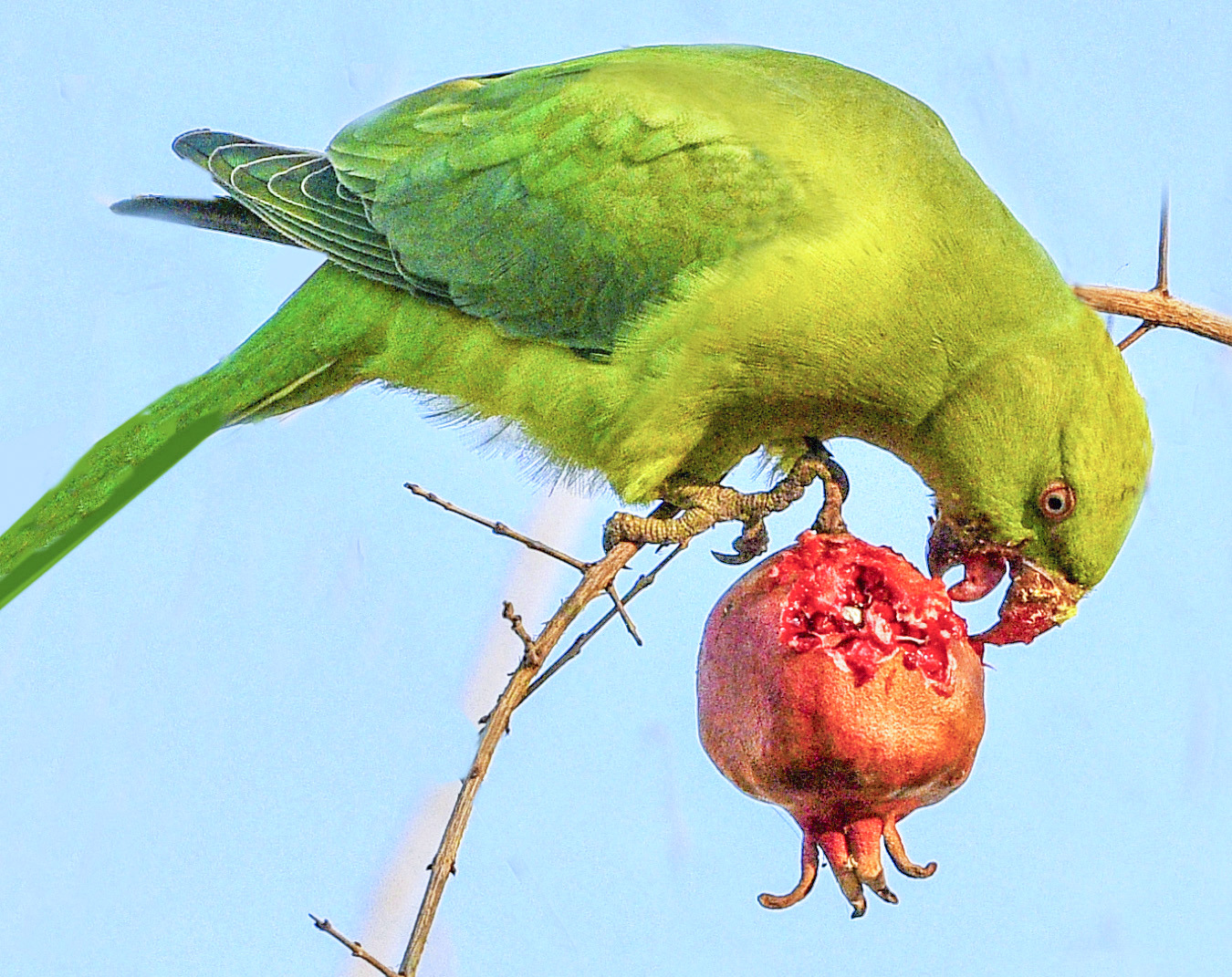
In capital’s Ashgabat Culture and Recreation Park, ring-necked parakeets were caught in the photographer’s lens.
“Bright green ring-necked parakeets, also known as Kramer’s parakeets, have been an object of my observations since 2019,” says Ahmet. “They live mainly in honey locust trees. To photograph these birds, it is necessary to keep a distance of twenty to thirty meters, as they do not allow people to come any closer.”
According to some data, starting in 2014, two ring-necked parakeets were released in the Ashgabat Culture and Recreation Park (the First Park), and their population now numbers around one hundred individuals.
Ahmet also draws attention to the specifics of migratory bird behavior:
“Swallows arrive at the end of March and migrate south in September–October. Swifts return in April, and in the last two years their migration was recorded on July 15, which does not match earlier predictions. The golden oriole arrives in May and leaves the area by August, returning south.”
Each photograph in Ahmet’s archive is not merely an aesthetically appealing image, but the result of deep knowledge of bird biology, behavior, and ecology. The work of a photojournalist requires specialized equipment, a high level of professionalism, patience, love for nature, and readiness for long expeditions that sometimes cover distances of 150–300 kilometers.