


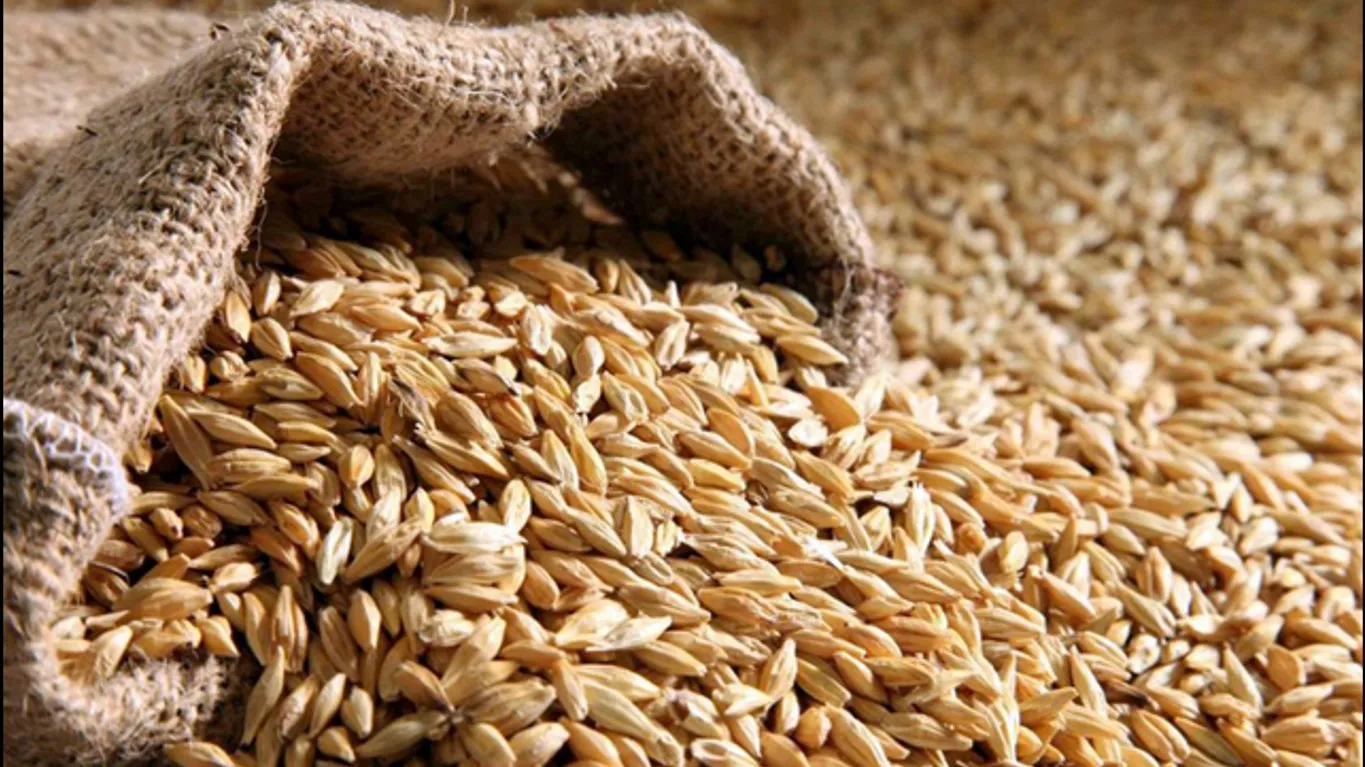
Barley is one of the traditional grain crops with a long history of cultivation in the agricultural sector of Dashoguz velayat. it is once again among the cereals planned for large-scale production in the region this year. This is primarily due to the fact that barley is well adapted to local soil and climatic conditions. Although it is considered a drought-resistant crop, it is also capable of withstanding short-term frosts. At the same time, owing to its hardiness, it is well suited for the development of newly cultivated lands.
The crop is sufficiently tolerant to salinity and, to some extent, improves soil structure. It also has a suitable maturation period for the region and offers high yields. This year, barley is once again planned to be cultivated on one thousand hectares across the region. The largest area—350 hectares—is expected to be allocated in the S. Turkmenbashi etrap. The Kunyaurgench etrap will also remain a major producer, with a total sowing area of 250 hectares. The great value of this crop for local agricultural producers lies in the fact that it serves as a highly nutritious feed for livestock, containing high-quality protein and being rich in starch. Taken together, all these qualities have ensured the long-term large-scale cultivation of barley, as well as the continued efforts of domestic scientists in its selective breeding.