


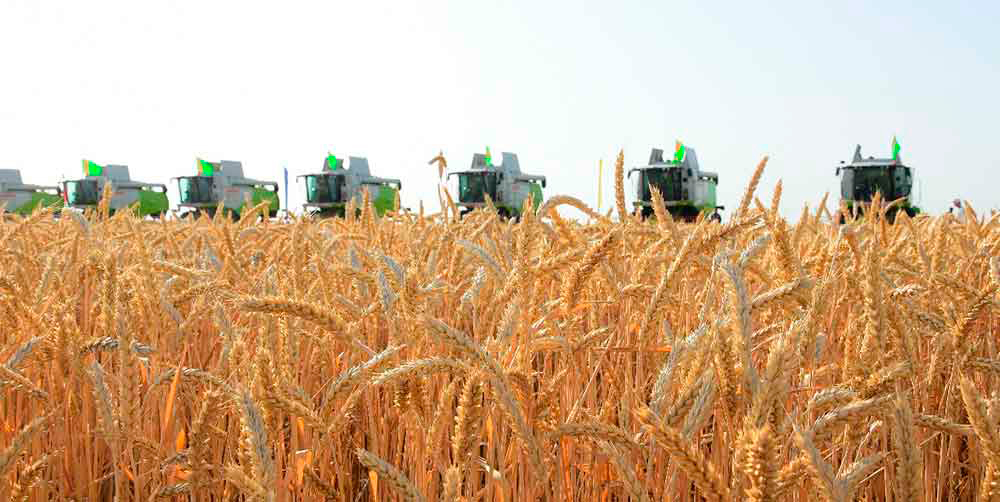
These days, preparations for the upcoming grain harvest are in full swing in the Dashoguz velayat. All necessary measures are being taken to ensure the uninterrupted operation of grain reception points and elevators. Preventive maintenance work is being carried out where needed, including inspections of various facilities and storage areas, site coverings, conveyors, laboratory equipment, and weighing systems to ensure compliance with established standards. Proper attention is also being given to the technical readiness of combine harvesters, transport vehicles for wheat, and organizational matters, including fire safety.
Farmers in the velayat are expecting a good harvest this year. The foundation for this has been laid by high-yield and disease-resistant wheat varieties that are also resistant to shattering, such as the well-proven “Alekseevich” and “Bezostaya-100,” which are well adapted to local climatic conditions.
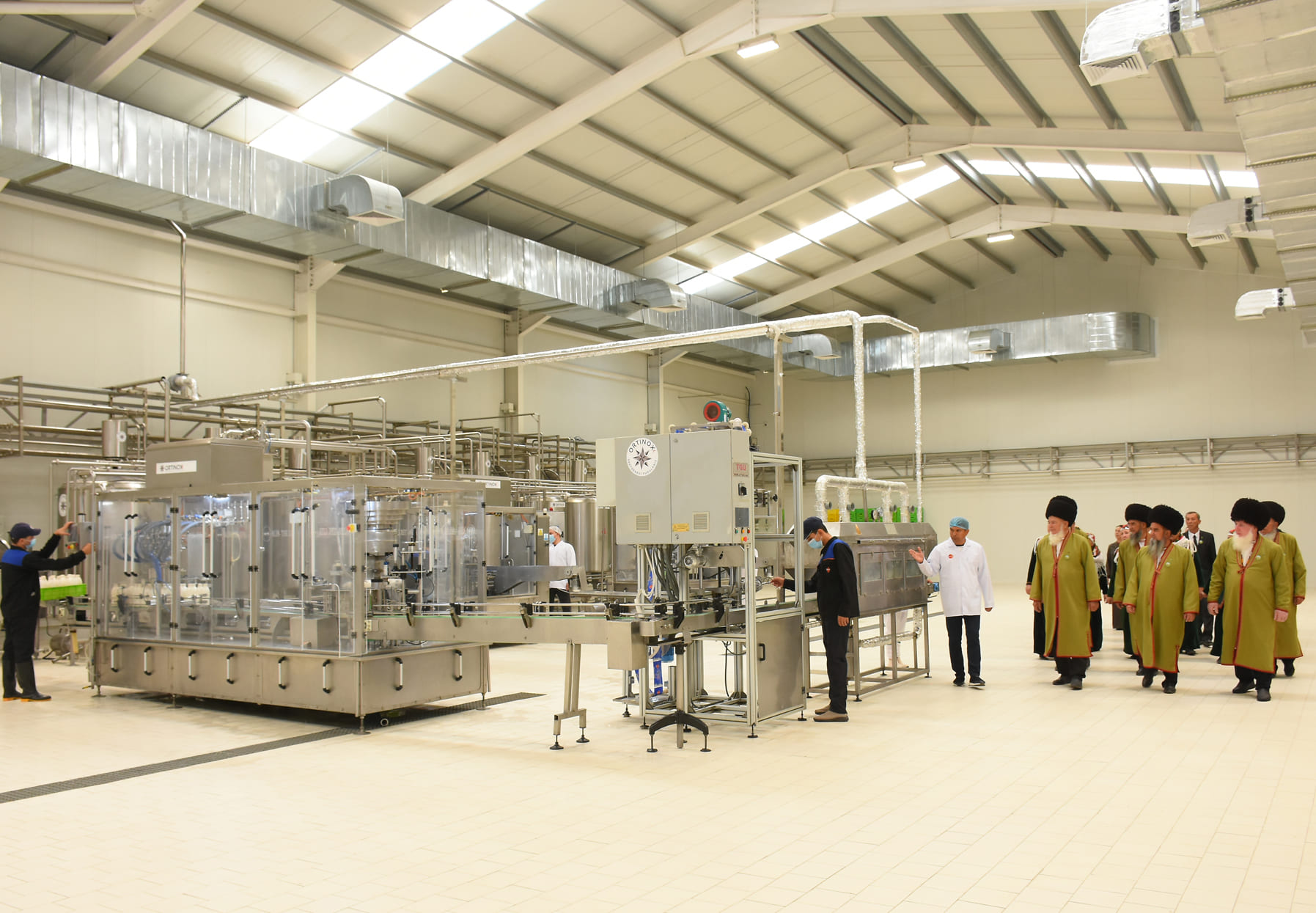
The velayat is one of the country’s major grain-producing regions. Thanks to the state’s consistent efforts to develop production capacities for the storage and processing of agricultural products in line with international standards, a complete agrotechnical cycle has been established in the region. This cycle includes seed preparation, sowing, harvesting, storage, and grain processing. The region has an extensive network of specialized facilities, including three high-capacity flour mills, seven grain elevators, and dozens of well-equipped grain reception centers.
The capabilities of this infrastructure can be seen in the example of a large grain-processing enterprise in the Gorogly etrap. It represents a full-scale complex for wheat storage and processing, with a capacity to store 50,000 tons of grain at one time and to produce 50,000 tons of high-grade and first-grade flour annually. At this enterprise, as well as at all modern elevators in the region, grain is received for storage and dispatched for processing by both road and rail transport.