


Cooperation between the European Union and the countries of Central Asia is of strategic importance for sustainable development, regional security and energy stability.
These relations are currently governed by the «New European Union strategy for Central Asia», adopted in 2019, which aims to strengthen stability and stimulate economic and technological progress in Kazakhstan, Kyrgyzstan, Tajikistan, Turkmenistan and Uzbekistan, as well as support cooperation in the field of democracy and the rule of law.
In April of this year, the European external action service (EEAS) held a training seminar in Belgium, attended by delegations of diplomats and leading international relations experts from all five Central Asian countries. The training sessions were a practical continuation of the «European Union – Central Asia» conference, previously held by the EU Delegation to Kazakhstan in November last year. This time, the participants moved from theory to an examination of the specific mechanisms of the EU's work: from the digital economy and clean energy to a new geopolitical strategy and security policy.
The course was rich in content and covered key areas of contemporary interregional dialogue. The theoretical section of the programme also included a fundamental overview of the EU political system and a detailed analysis of the role of the European external action service. The study began with a detailed examination of the work of the EEAS sanctions department and measures to improve climate resilience.
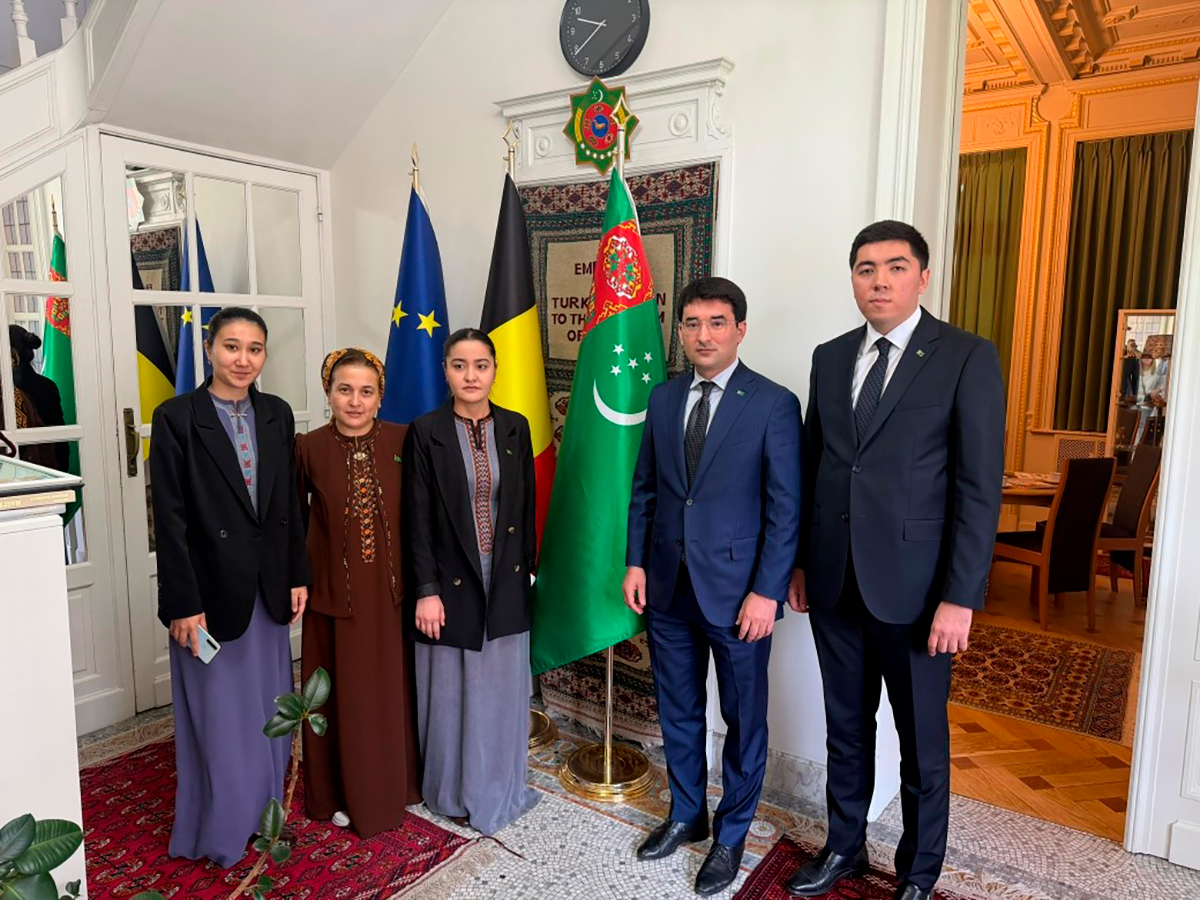
The work then moved to the European diplomatic academy (Bruges). The central event here was a debate between academy students and representatives of Central Asia. Representatives from Turkmenistan also took an active part in discussions on transport, energy and ecology issues.
It should be noted that today the «European Union - Central Asia» format and the «Joint roadmap» for deepening relations are important instruments for deepening relations, which include interregional political dialogue, expansion of trade and economic ties, energy, the transition to a climate-neutral economy, and the resolution of common security issues.
Moreover, such international programs provide a powerful impetus for the professional growth of young specialists working in the field of international relations.
Merjen Gurbannazarova,
Senior Lecturer at the institute of international relations of the MFA of Turkmenistan.