


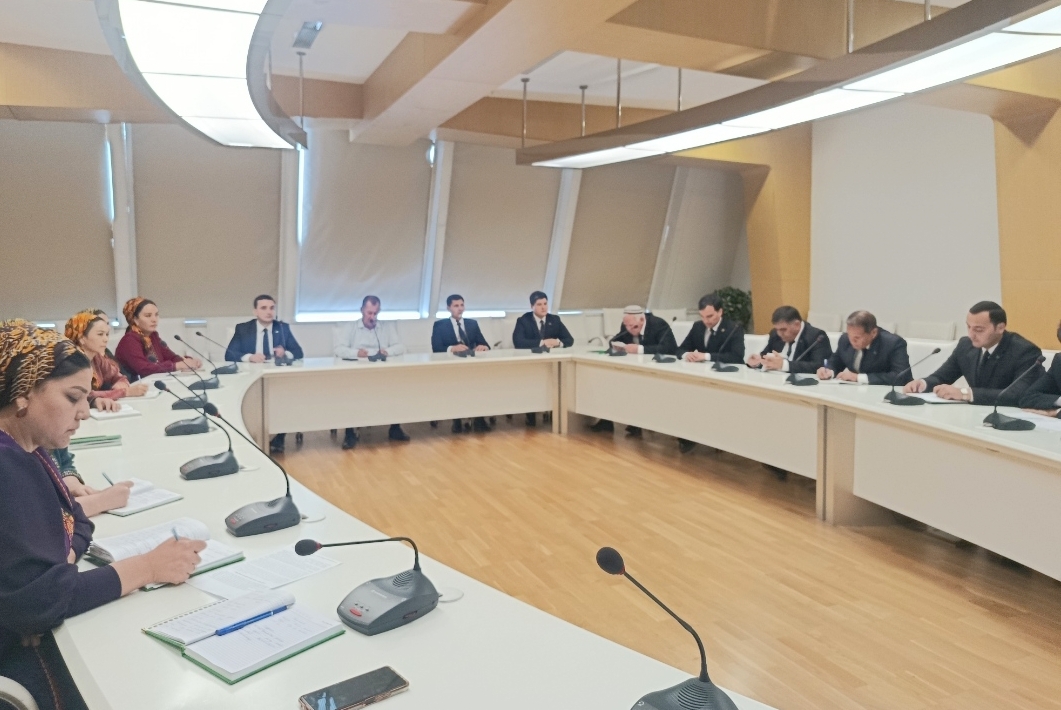
A scientific and practical conference entitled «The economic significance of the integrated development of biotechnology in Turkmenistan» was held at the International scientific and technological park of the Academy of sciences of Turkmenistan (AST). The event was attended by the leading scientists of the country and postgraduate students.
An important stage of the conference was the discussion of practical steps for implementing the Memorandum of Understanding between the AST Technopark and the Institute of microbiology of the Chinese academy of sciences. Under this agreement, scientists from the two countries will conduct joint research in the fields of agricultural biotechnology and environmental protection. During the session, Chinese professors Yinwen Bin and Gang Liu presented papers on a key area of collaboration: the development of innovative biopreparations based on salt-tolerant micromycetes.
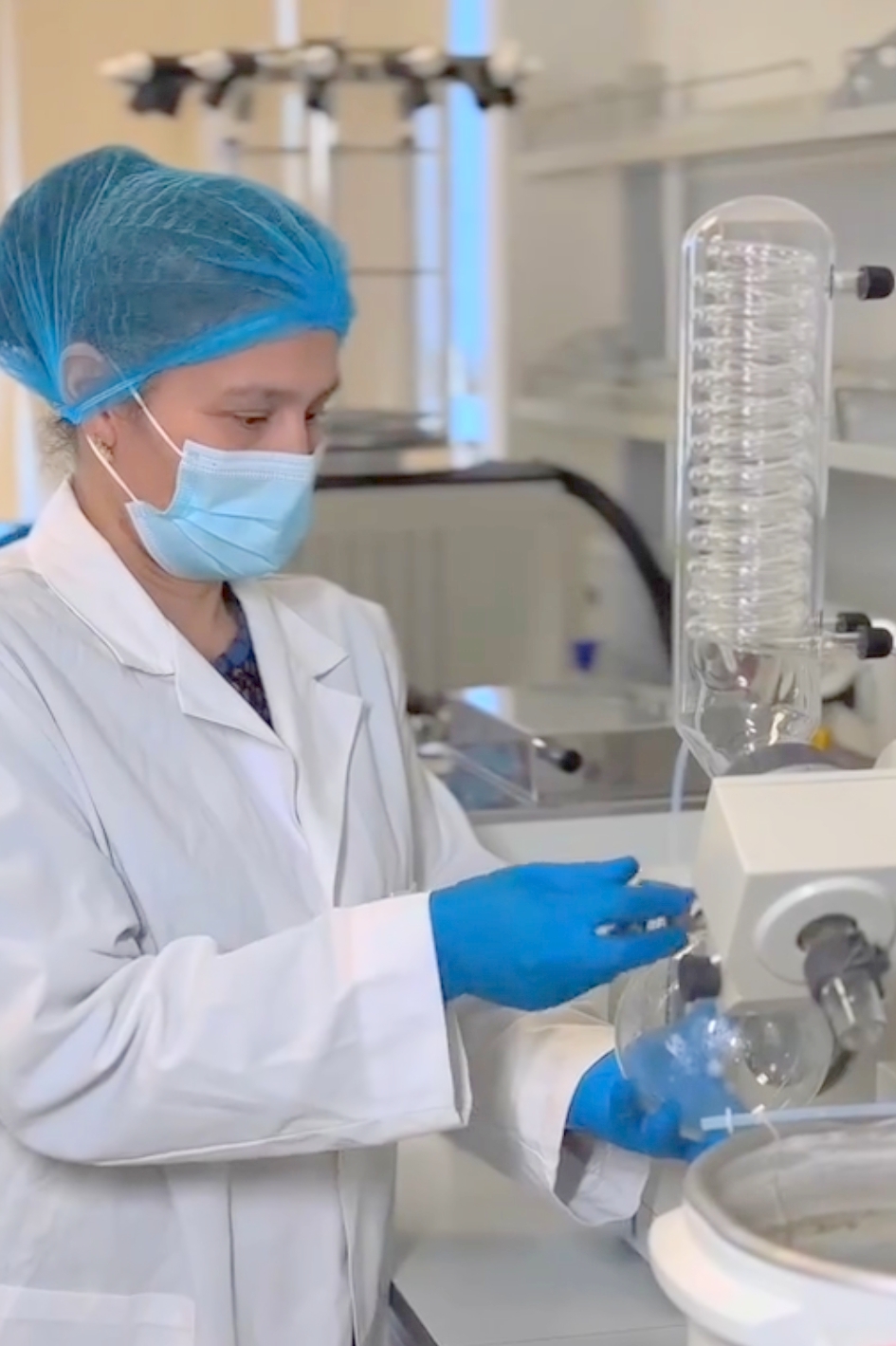
The development is based on the use of synthetic biology methods and precise gene editing to create multifunctional biopreparations based on salt-tolerant micromycetes. The primary objective of the project is to develop low-cost, stress-resistant biological products capable of addressing the common problems of drought and soil salinisation in both countries and minimising industrial environmental challenges in arid lands.
Under the leadership of Durdymyrat Gadamov, director of the AST Technopark and doctor of chemical sciences, and Altyn Rahmanova, Head of the biotechnology laboratory, the technopark is successfully implementing a comprehensive approach: from theoretical research to industrial implementation in several key areas.
In the field of ecology and combating desertification, a unique biotechnology has been introduced for fixing the shifting sands of the Garagum desert using indigenous strains of cyanobacteria, which form biological crusts, prevent erosion, and promote humus accumulation.
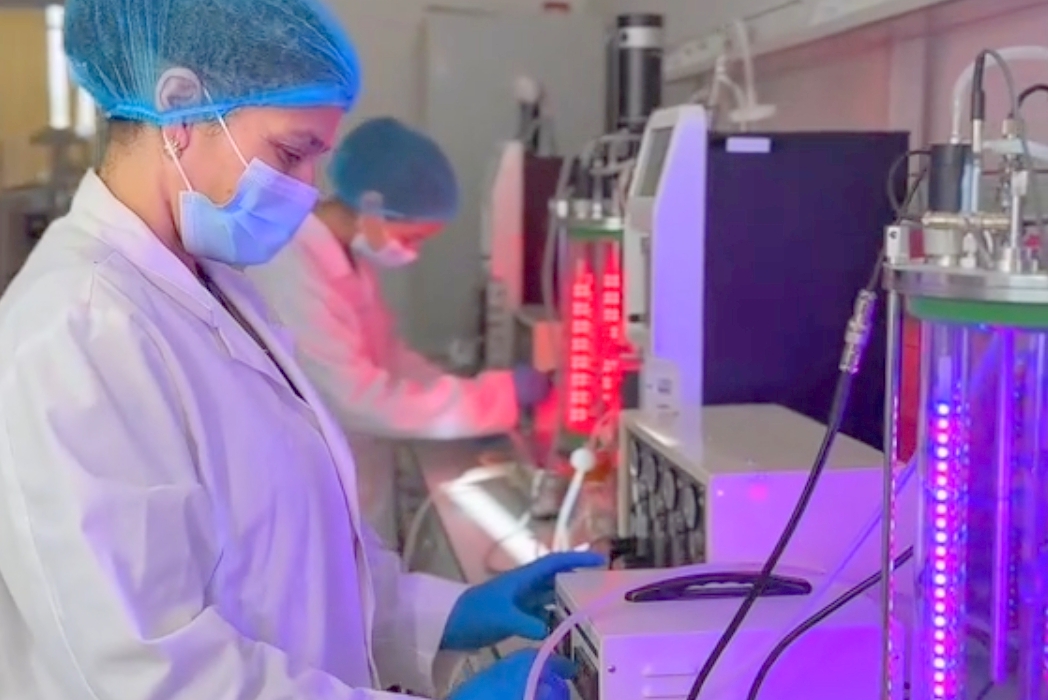
For plant growing, biopreparations based on halotolerant micromycetes have been synthesised, significantly increasing the germination and endurance of crops in saline areas. In the field of industrial ecology, a multiphase bioremediation method has been developed that allows for the effective cleanup and reclamation of land damaged by oil spills using microflora adapted to the local climate.
Contributions to livestock and poultry farming include the creation of specialised balanced feed mixtures based on alfalfa and honey locust for Ahal-teke horses, as well as the development of technology for producing alternative high-quality protein from insects for poultry farms, which reduces dependence on imports.
In addition, a method for objective laboratory evaluation of a unique exterior feature – the golden and metallic sheen of the Ahal-teke coat – has been introduced. This method is based on the analysis of biochemical parametres of hair structure and constants of the keratin-lipid complex, which allows for highly accurate selection and breeding assessment and serves the purposes of preserving UNESCO world heritage sites.
Based on the fundamental scientific work of the National Leader of the Turkmen people, Gurbanguly Berdimuhamedov, «Medicinal plants of Turkmenistan», scientists have mastered the deep processing of natural resources and pharmacy. In the field of marine biotechnology, the processing of Caspian algae has been established to extract alginate and produce biofertilizers.
A line of innovative ointments, essential oils, and microencapsulated herbal infusions has been created from local plant materials (camel thorn, maclura, dandelion, ferula, capers, and juniper). Additionally, the problem of waste-free production has been solved: a technology has been developed for isolating the active antioxidant resveratrol from grapes, as well as inulin, glucose, and fructose from Jerusalem artichoke.
The conference clearly demonstrated that the International science and Technology park (AST) is successfully fulfilling the objectives of the State Program for the Comprehensive development of biotechnology for 2024–2028. By providing comprehensive scientific and methodological support and oversight of innovation safety, the technology park transforms scientific achievements into a real driver of economic progress in Turkmenistan.