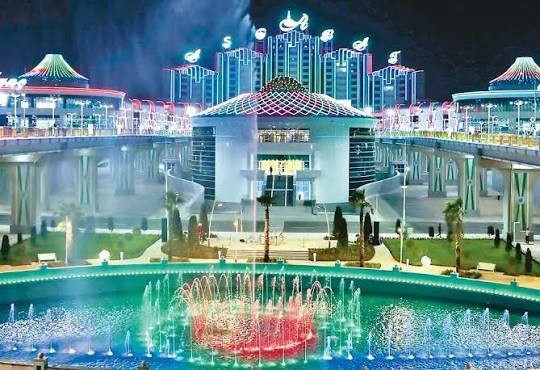



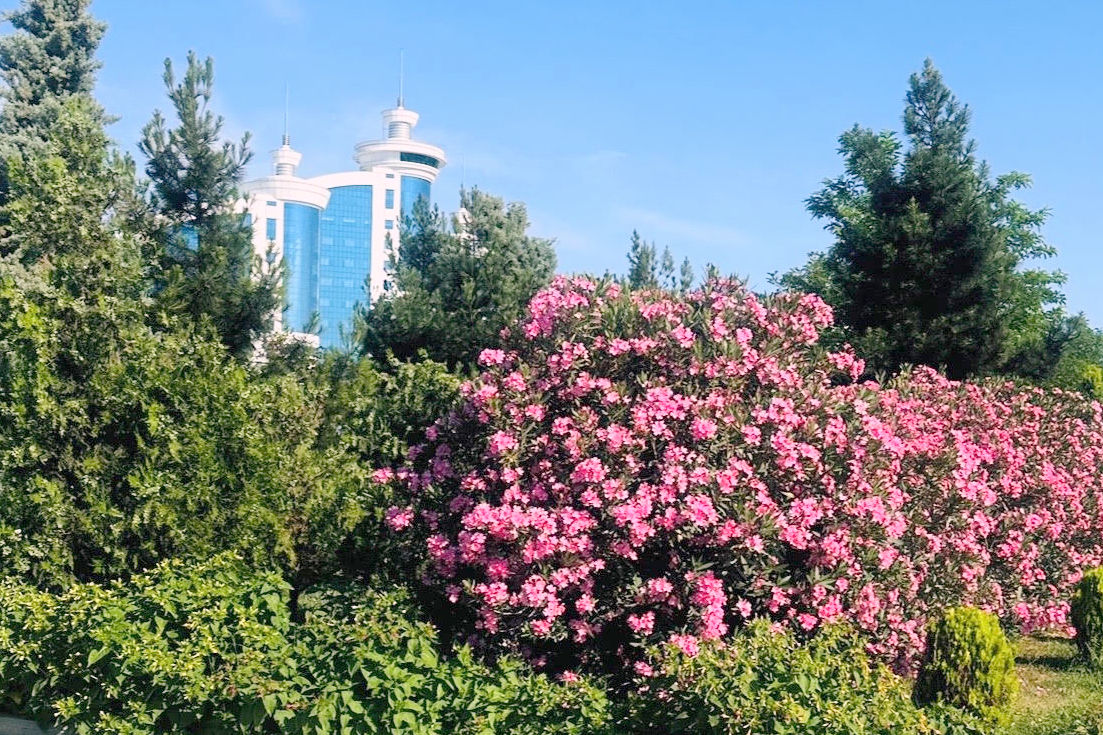
The development of green areas in the Avaza National Tourist Zone is producing tangible results. Along the Caspian Sea coast, the appearance of striking representatives of wildlife can increasingly be observed, for whom the resort landscape is becoming a true home.
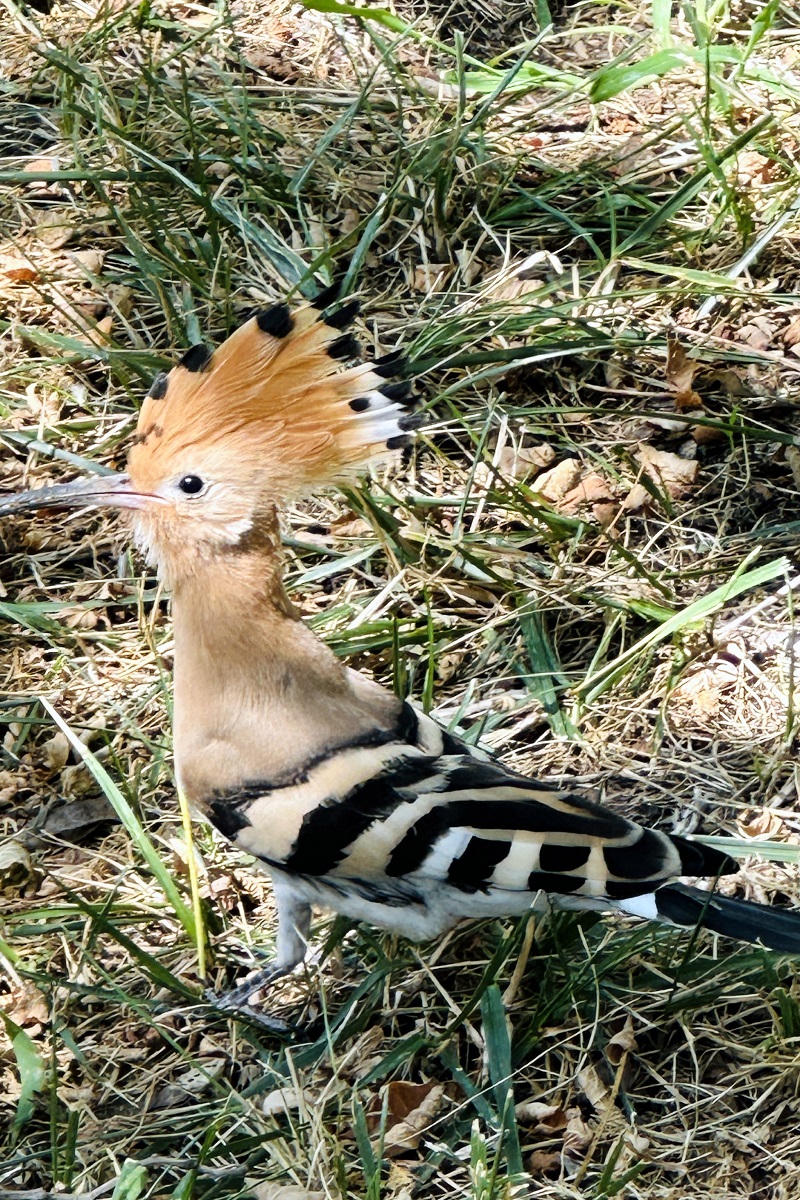
Thus, a hoopoe (Upupa epops) was spotted in the park area of the “Şapak” health center and cottage complex. The abundance of greenery, trees and ornamental plants within the complex creates a favorable microclimate that attracts birds.
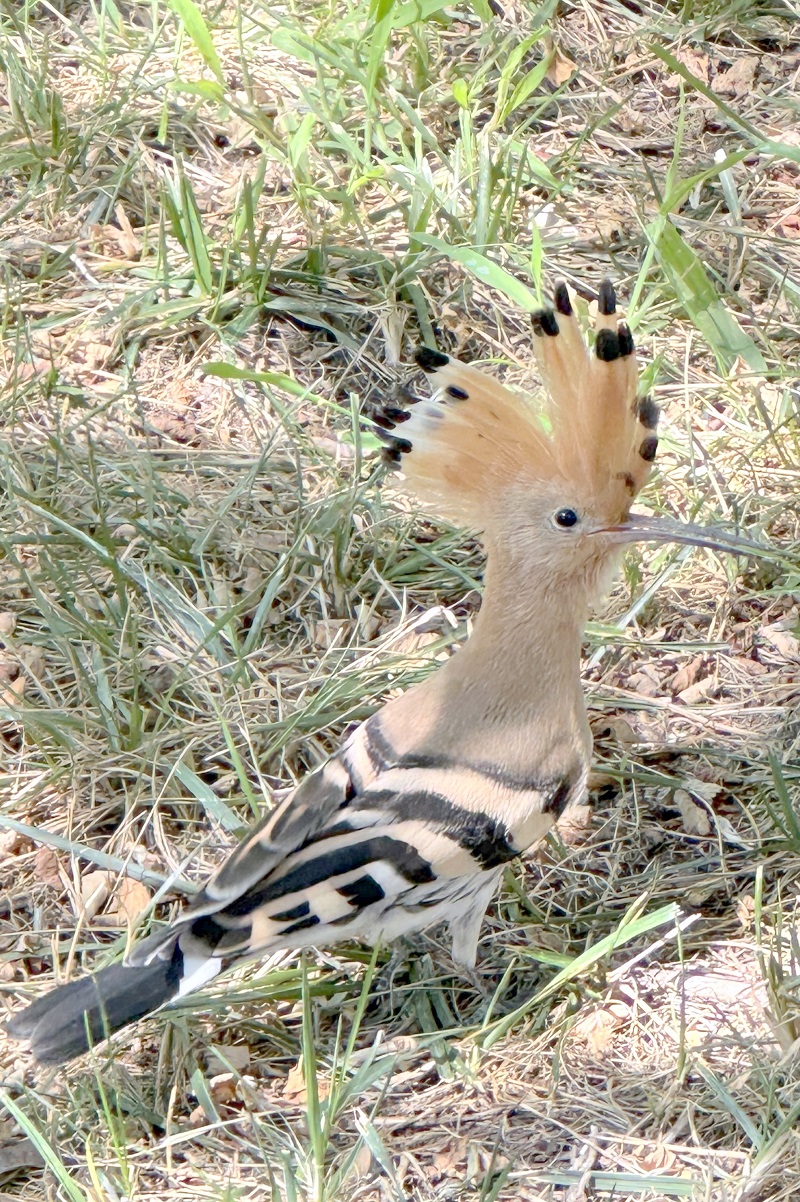
In the territory of the neighboring Hazar State Nature Reserve, various kinds of birds can be found, and the hoopoe is one of its most conspicuous inhabitants. This bird is smaller than a pigeon and is easy to recognize by its appearance and its distinctive yellowish-reddish, fan-shaped crest on its head.
Hoopoes arrive in these parts in spring and fly away for the winter in autumn, although they can sometimes be encountered in the region even in November. They usually nest in open spaces, in tree hollows, rock crevices, under piles of stones, or on the steep banks of ravines. The well-maintained and green park areas of Avaza have become an excellent place for them to rest and search for food.
An encounter with a hoopoe in the coastal area is symbolic in its own way, as it is considered one of the most ancient birds known to humanity. Its first images and written references appeared in Ancient Egypt. Hoopoes were depicted on the walls of tombs, temples and pyramids and revered as sacred creatures.
Among Turkic peoples, this bird has also acquired a special cultural significance thanks to Islamic tradition and steppe folklore. In most Turkic languages, its name conveys the bird's somewhat muffled call. Incidentally, both the Russian word “udod” and the Latin Upupa epops are onomatopoeic representations of its characteristic “ud-ud-ud” song.
The image of this bird has also been captured in classical Eastern literature. In the famous poetic work “The Conference of the Birds” by the Persian mystic poet Farid al-Din Attar, it was precisely the Hoopoe who was chosen by the birds at the Supreme Council as their spiritual guide and leader in the search for the mythical Simurgh.
In everyday life, the hoopoe is incredibly active and agile. It spends much of its time on the ground, hunting insects. When suddenly alarmed, the bird is capable of concealing itself masterfully. It presses itself against the ground, spreading its wings and tail and raising its beak upward.
The hoopoe's flight is fluttering, reminiscent of the movement of a butterfly, yet at the same time extremely maneuverable – it is rarely caught in the air by birds of prey. Thanks to its striking and recognizable appearance, the hoopoe often becomes a “hero” of postage stamps, coins and banknotes around the world.
The appearance of such birds, which prefer gardens and abundant vegetation, is clear evidence of the success of the large-scale program to green the seacoast. The creation of park areas, regular watering, and the planting of deciduous and coniferous trees are creating a sustainable ecosystem and a true green oasis for the region's biodiversity.
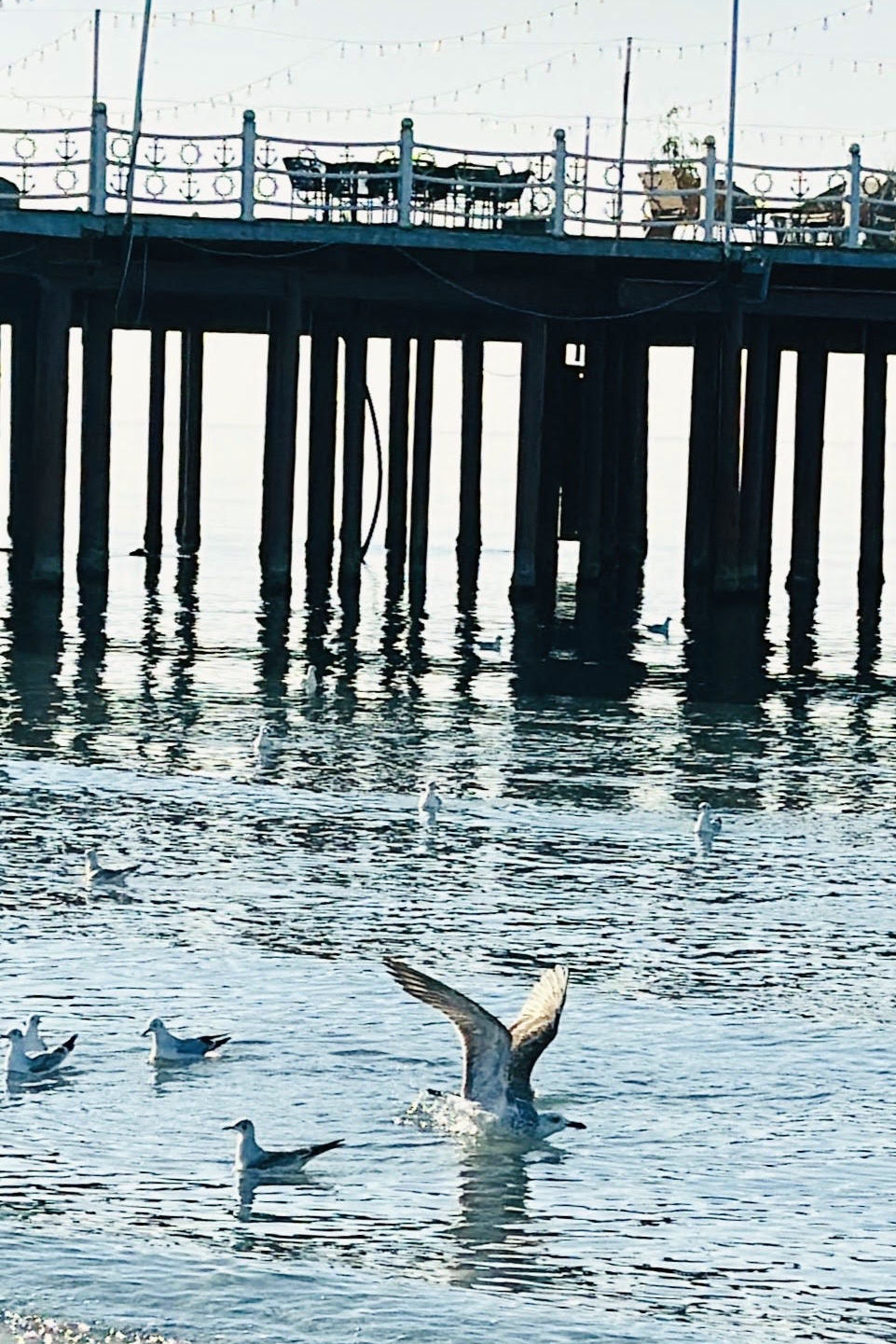
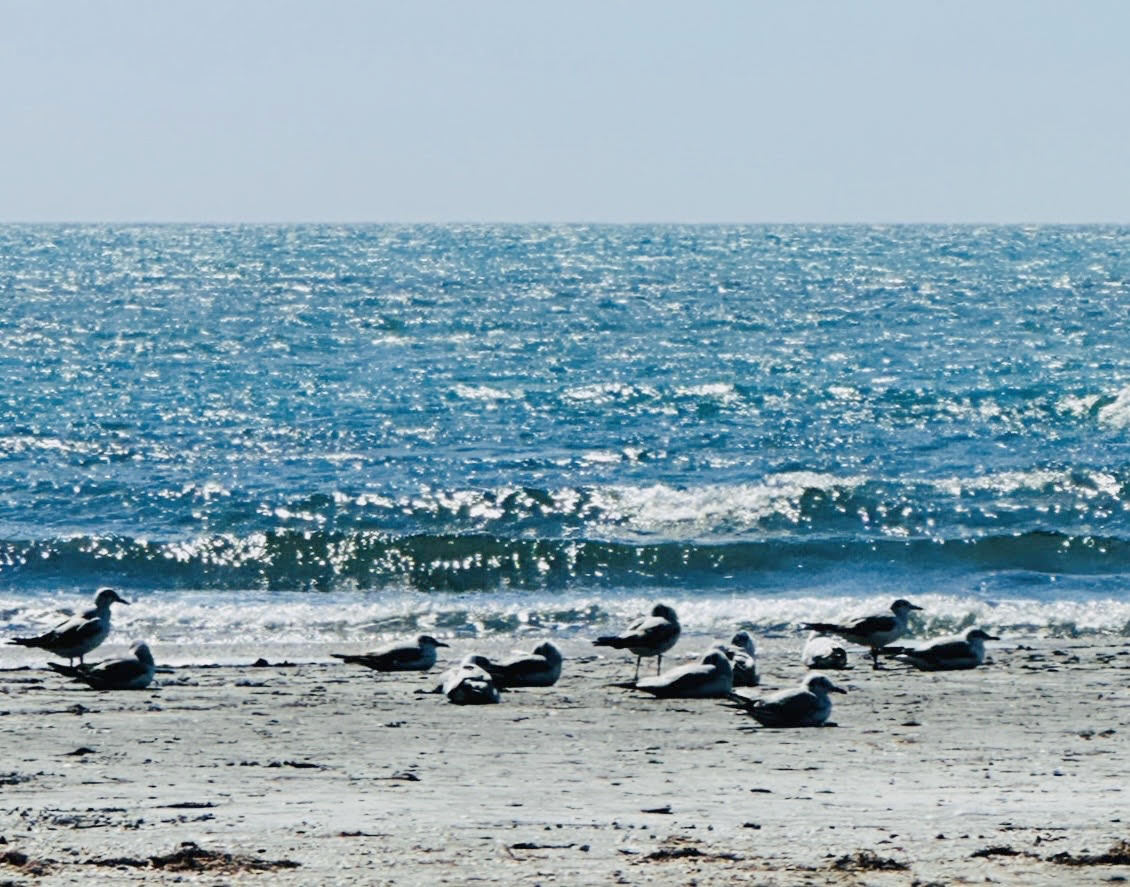
Against this backdrop, the behavior of other feathered inhabitants of the coast is also changing remarkably. For instance, Caspian gulls have become so accustomed to constant proximity to people that they have practically stopped being afraid of them. They boldly fly to the water very close to vacationers, pleasing the eye and creating a special resort atmosphere. Resting in such surroundings, one truly feels the harmony and unity of people with nature.