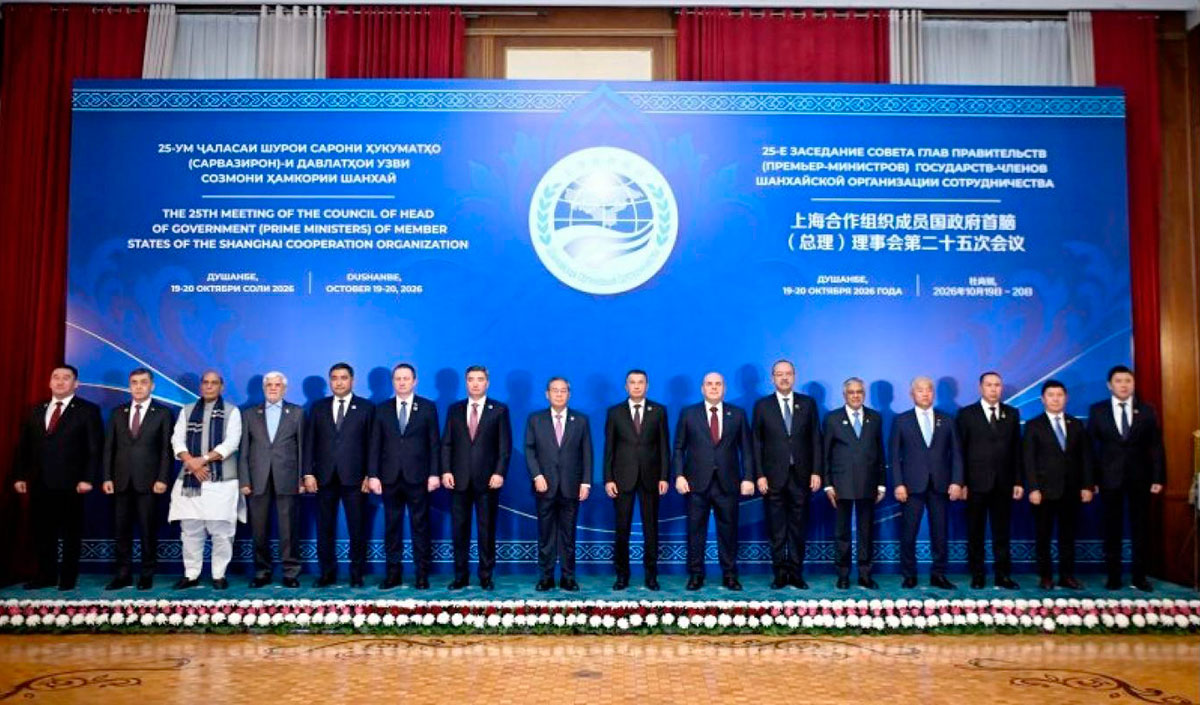



The latest jubilee summit of the Shanghai Cooperation Organisation (SCO) was held in the capital of Kyrgyzstan. Twenty-five years have passed since the SCO was established — a relatively short period by historical standards.
However, given that the world is currently experiencing heightened geopolitical tensions, regional conflicts and systemic instability, it can be stated with a high degree of confidence that the dynamic development of the organisation during this period has marked a qualitative evolution towards inclusive multilateral partnership, which today represents one of the fundamental pillars of the emerging just and polycentric world order.
A quarter of a century ago, the collapse of the USSR created the need for demilitarisation and the clear establishment of new state borders between China and the former Soviet republics. In 1996–1997, the countries signed agreements on confidence-building measures and the reduction of armed forces in border areas. Some time later, the successful experience of resolving border issues demonstrated the effectiveness of the format and led to the transformation of the SCO. In 2001, Uzbekistan joined the “Shanghai Five,” after which the leaders of the six countries announced the establishment of a fully-fledged international organisation to expand cooperation.
At that time, the initial and long-term objectives of establishing the SCO focused on the following key areas:
the main task was to jointly combat terrorism, separatism, and religious extremism, which had intensified in Central Asia against the backdrop of the civil war in Afghanistan;
the organisation was established to combat drug trafficking, illegal arms trade, and irregular migration;
the establishment of the SCO enabled the countries to develop joint projects in the fields of energy, transport, trade, and infrastructure;
politically, the organisation proclaimed a course towards building a multipolar world and a fair international order, while not being a military bloc directed against other states.
Since then, the SCO has travelled a considerable and difficult path. Moving forward into uncharted territory towards a common understanding of processes and the convergence of interests was by no means easy. Nevertheless, by adopting the SCO Charter, establishing a regional anti-terrorist structure, and developing economic, energy and humanitarian partnerships, the member states gradually moved towards the global goal they had set — the creation of a multipolar world.
Year after year, as it moved forward, the SCO left behind persistent border and political conflicts, skillfully maintaining a balance of power among its member states at the diplomatic level and preserving trade relations without allowing domination or protectionism by any individual member. At the same time, it has strictly adhered to the principle of consensus when adopting joint decisions.
The outcome of the path travelled is formulated in the current Bishkek Declaration of the SCO as follows: “The Organisation positions itself as one of the independent centres of the emerging multipolar world order based on the norms of international law and the UN Charter.”
As for the SCO’s progressive development, over the past period the organisation has diversified its agenda, transforming itself from a local security mechanism into a globally significant actor in international relations. It would not be an exaggeration to say — and this is the view of many leading experts in the international community — that the SCO’s evolutionary path is now having a stabilising effect on the global architecture, contributing to synergy among different economic and political systems.
To substantiate this point, I will cite the assessments of political scientists and experts. Analysts specialising in Eastern studies note that the Bishkek Declaration has consolidated a shift in focus towards the creation of genuine, functioning mechanisms. In particular, they highlight agreements on the joint development of artificial intelligence technologies, nuclear security, international information security for 2026–2028, and the establishment of regional data centres.
Economic experts emphasise that the key players — China, Russia and India — continue to “weave together” the Eurasian space through financial instruments, logistics corridors, and energy cooperation. At the same time, they point to the organisation’s ability to serve as a platform for balancing interests — for instance, through the simultaneous strengthening of relations between Russia and China while maintaining stable interaction with India.
Western European and American experts, as reflected in analytical reviews, interpret the Bishkek outcomes as evidence of the formation of an alternative multipolar order. Particular attention has been paid to the joint statement calling on SCO members to pursue diplomatic settlement of outstanding issues, as well as to bilateral negotiations held on the sidelines of the summit.
Central Asian experts, particularly those from Kyrgyzstan and Tajikistan, have described the summit as successful, including for the host city, Bishkek. It should also be noted that a number of analysts maintain a moderately pragmatic view, pointing out that the organisation still faces a major task — to transform the functioning international financial system into a sustainable system independent of external pressure.
The SCO’s evolutionary transformation has, moreover, demonstrated its potential to transcend the framework of regional consensus and become a catalyst for global stability, offering the international community a constructive alternative to bloc politics. And is this not one of the greatest aspirations of people around the world? The desire to preserve peace on Earth — what could be more important? Clearly, this is also where a considerable part of the organisation’s magnetic appeal lies. Today, the SCO comprises 10 permanent members, two observer states — Afghanistan and Mongolia — as well as 17 dialogue partners, including Azerbaijan, Armenia, Türkiye, the United Arab Emirates, Saudi Arabia, Egypt, and others.
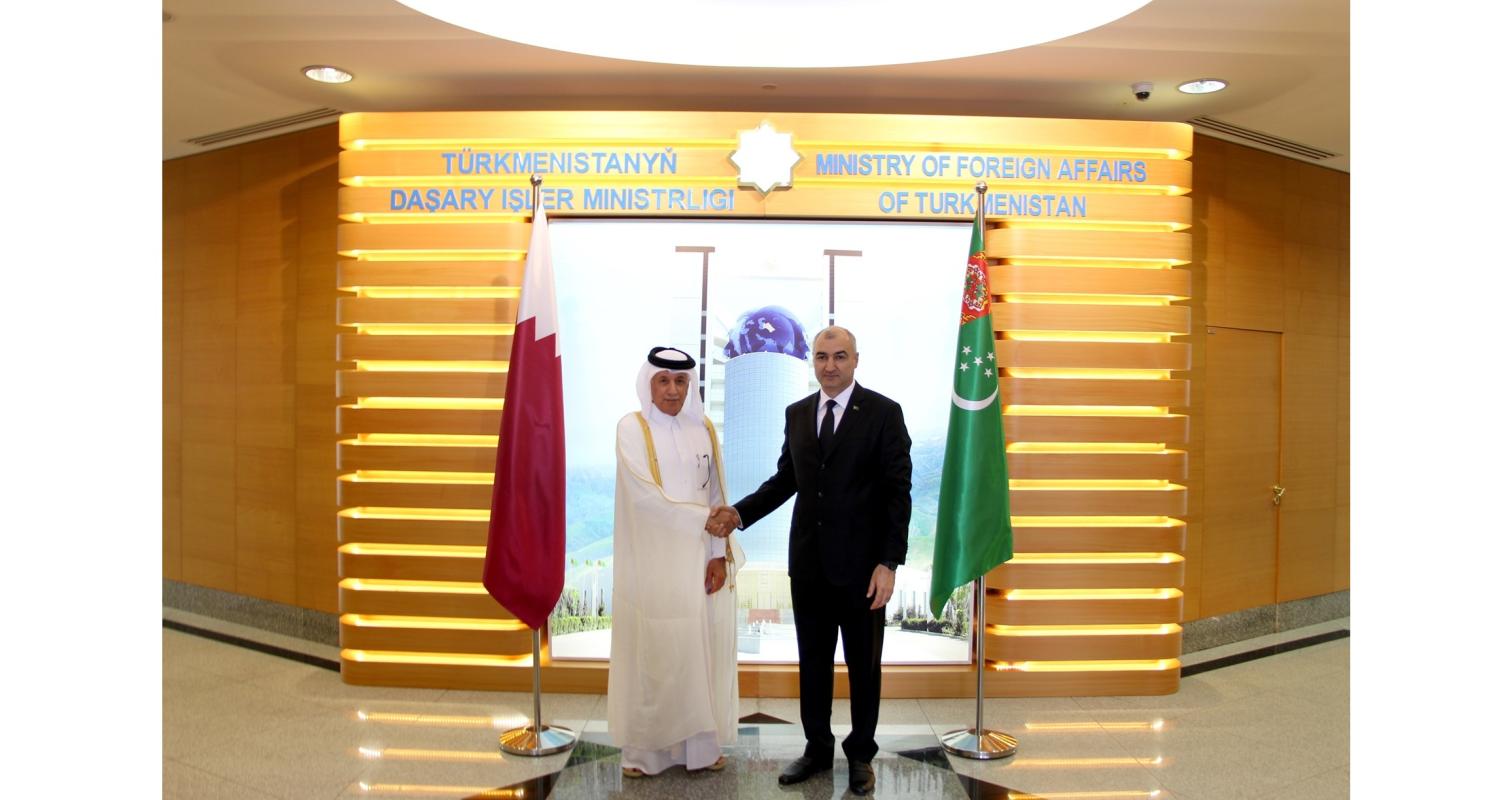
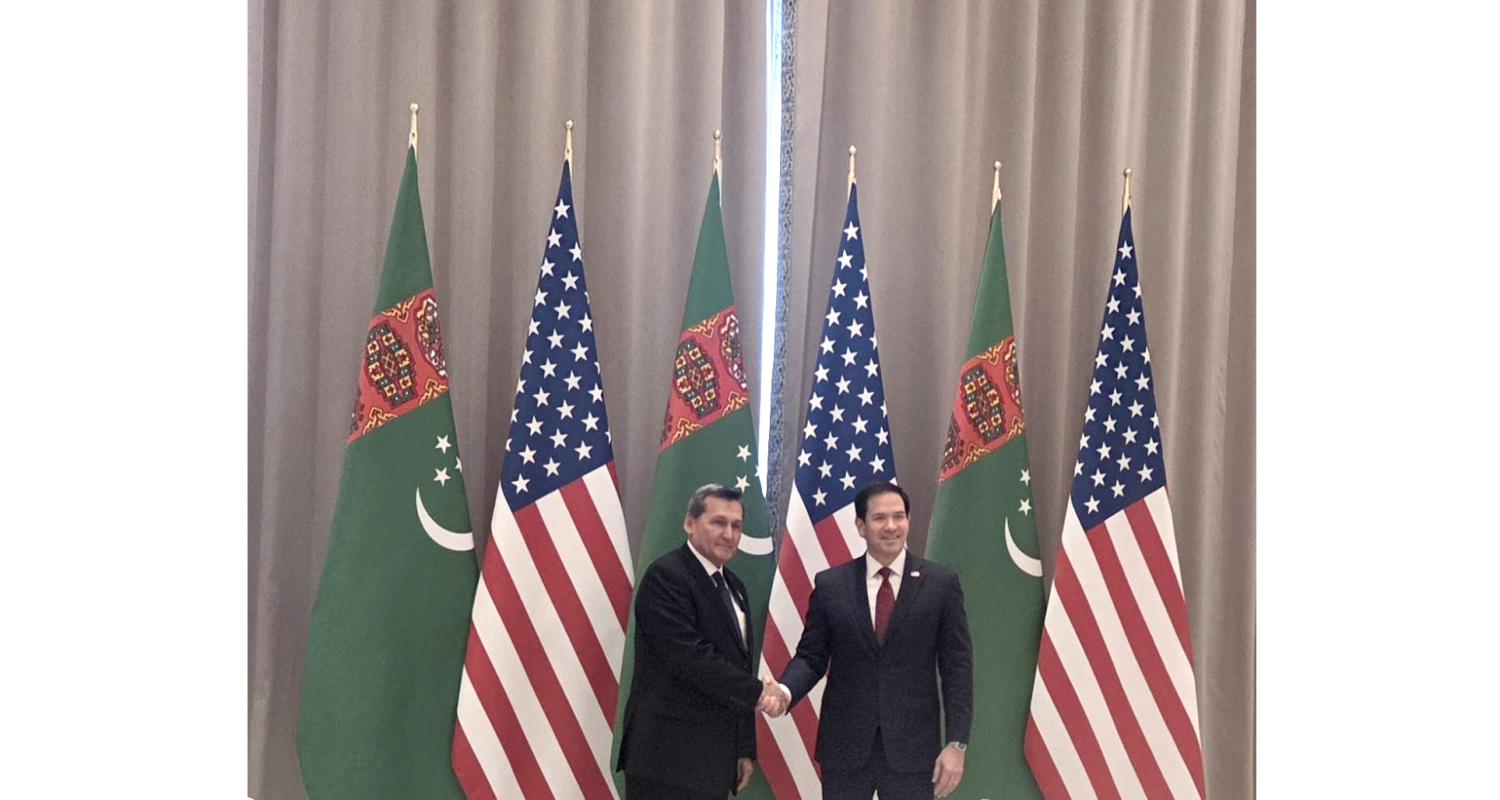
An analysis of Turkmenistan’s participation in the Shanghai Cooperation Organisation is based on the country’s specific legal and foreign-policy status of neutrality. The format of interaction has been defined as that of an “Guest of Honor without permanent membership.” The country participates in the organisation’s summits at the invitation of the host country.
Turkmenistan’s involvement in the SCO framework is distinctly pragmatic and primarily economic in nature. First and foremost, this concerns energy: SCO countries are key consumers and promising markets for Turkmen natural gas. Ashgabat actively uses SCO platforms to promote major gas pipeline projects — including the Turkmenistan–China gas pipeline and the TAPI project — as well as to develop electricity supplies. In addition, Turkmenistan positions itself as a key hub at the intersection of the North–South and East–West routes, including trans-Caspian routes within the framework of the Belt and Road Initiative. Cooperation with the SCO also enables the country to coordinate its developing port infrastructure — including the International Seaport of Turkmenbashi — and railway infrastructure with the region’s major economies. At the same time, the “Guest of Honor” format fully corresponds to Turkmenistan’s current foreign-policy concept. The organisation gains a reliable and neutral partner in Ashgabat in the fields of transit and energy, while Turkmenistan gains an effective instrument for promoting its national economic interests across Eurasia without violating the principle of neutrality.
As for the historical path travelled by the SCO, it has been a journey of growth — from addressing pressing cross-border issues at the initial stage to the formation of a cooperative model of global governance focused on sustainable development and the indivisibility of security throughout the international community.
The main conclusion reached by the majority of analysts following the Bishkek Summit is that the SCO has moved from a declarative period towards the pragmatic formation of common infrastructure, digital, and security platforms.
Allaberdi Niyazov,
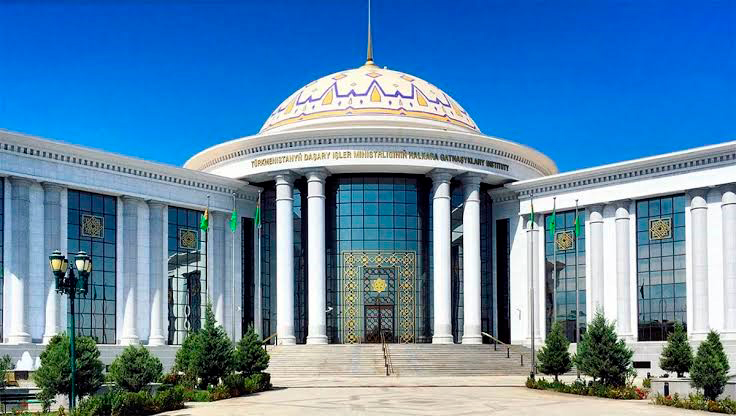
Expert at the Scientific Centre for Strategic Studies of the Institute of International Relations of the Ministry of Foreign Affairs of Turkmenistan