


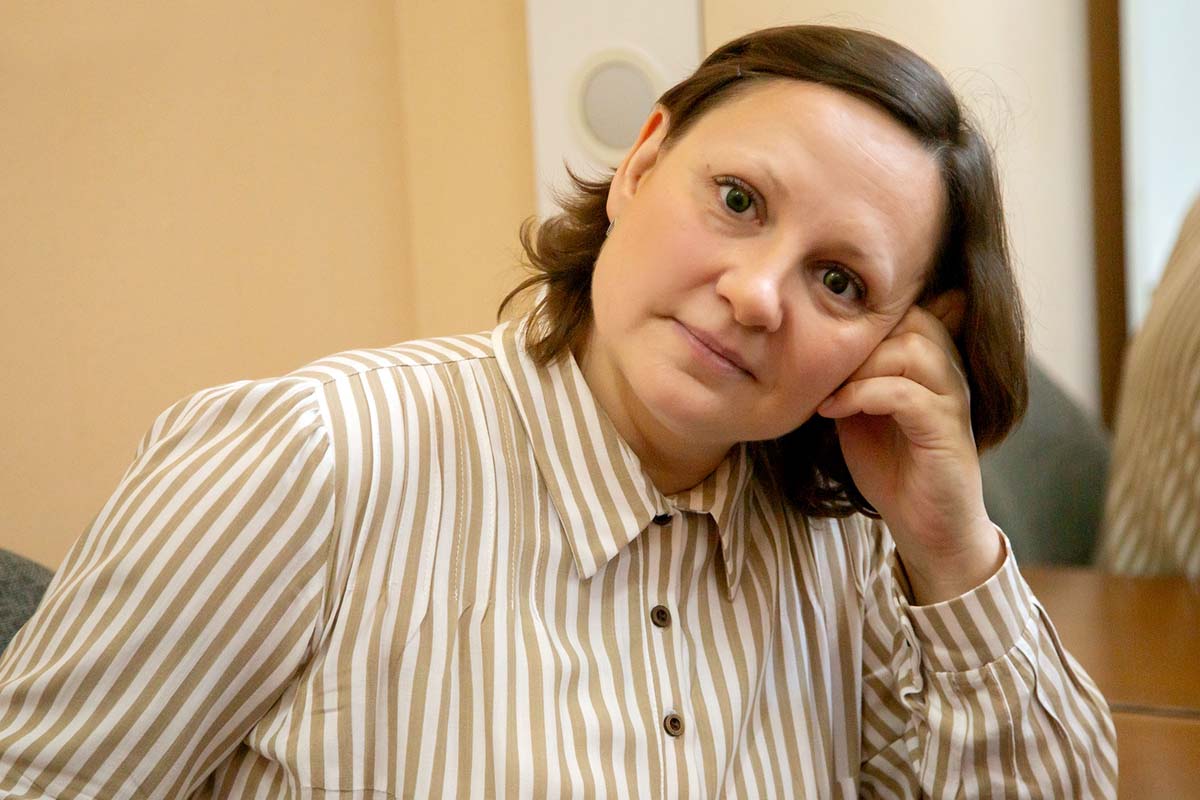

For Anastasia Balandina, an actress at the A.S. Pushkin State Russian Drama Theatre, the 35th anniversary of Turkmenistan’s independence was marked by her receiving the “Türkmeniň Altyn asyry” State Prize. Anastasia Vasilyevna has devoted nearly 20 years to the stage, performing numerous roles and imbuing her characters with worldly wisdom, charm, and charisma. Her artistic work has been noticed and duly recognized.
When asked, “How did you come to the theatre?”, the actress gives an unexpected answer: “I didn’t come to it; I was born into it.” The reason is that when Nastya was born, her father, actor Vasily Balandin, was on tour, and it was the staff of the Pushkin Theatre who welcomed her and her mother—a makeup and costume specialist—home from the maternity hospital.
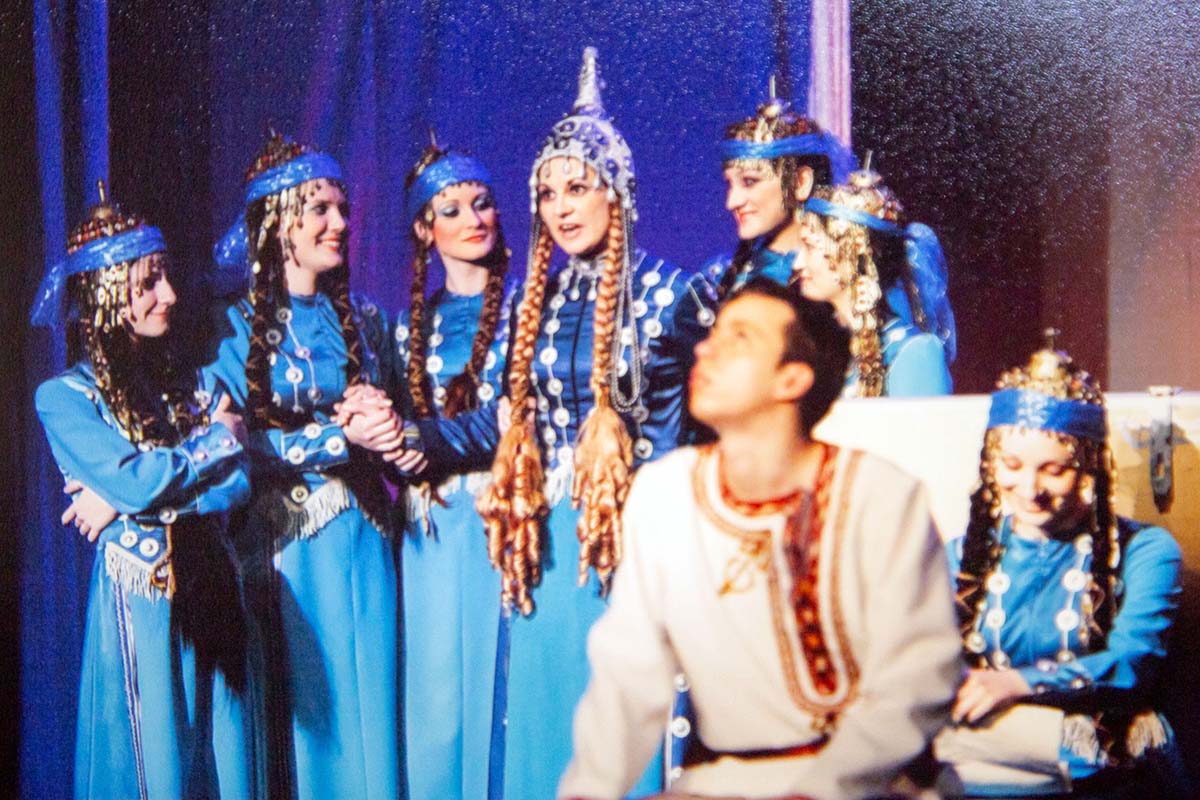
“My brother and I grew up in the theatre,” Nastya continues, telling her story. “I played my first role at the age of eight in the play ‘The Extraordinary Adventures of Private Ivan Chonkin’ (directed by Renat Ismailov). Four children, including my brother and me, performed alongside the adult actors. That was in 1989. What’s more, my brother and I knew all the roles from the Pushkin Theatre’s children’s repertoire by heart. Whenever we were left home alone, we would start acting out the plays for our own enjoyment. We didn’t need an audience.
However, while my love for the theatre has stayed with me throughout my life, my brother gradually lost interest in it as he grew older. A true actor has a particular psychological makeup: they must burn with passion from within and be able to transform effortlessly into any role. This profession requires complete dedication—there is simply no other way. For example, if an actor has to recite a poem, they must not do it the way students recite poems at school. They must perform it in such a way that the audience can sense the actor’s own personality through the poem.
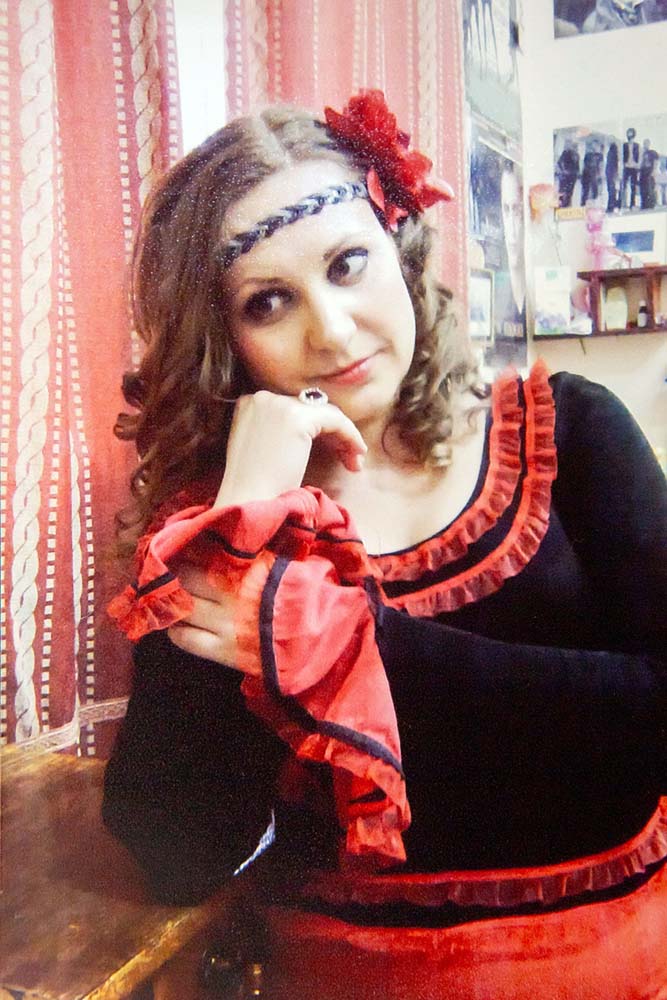
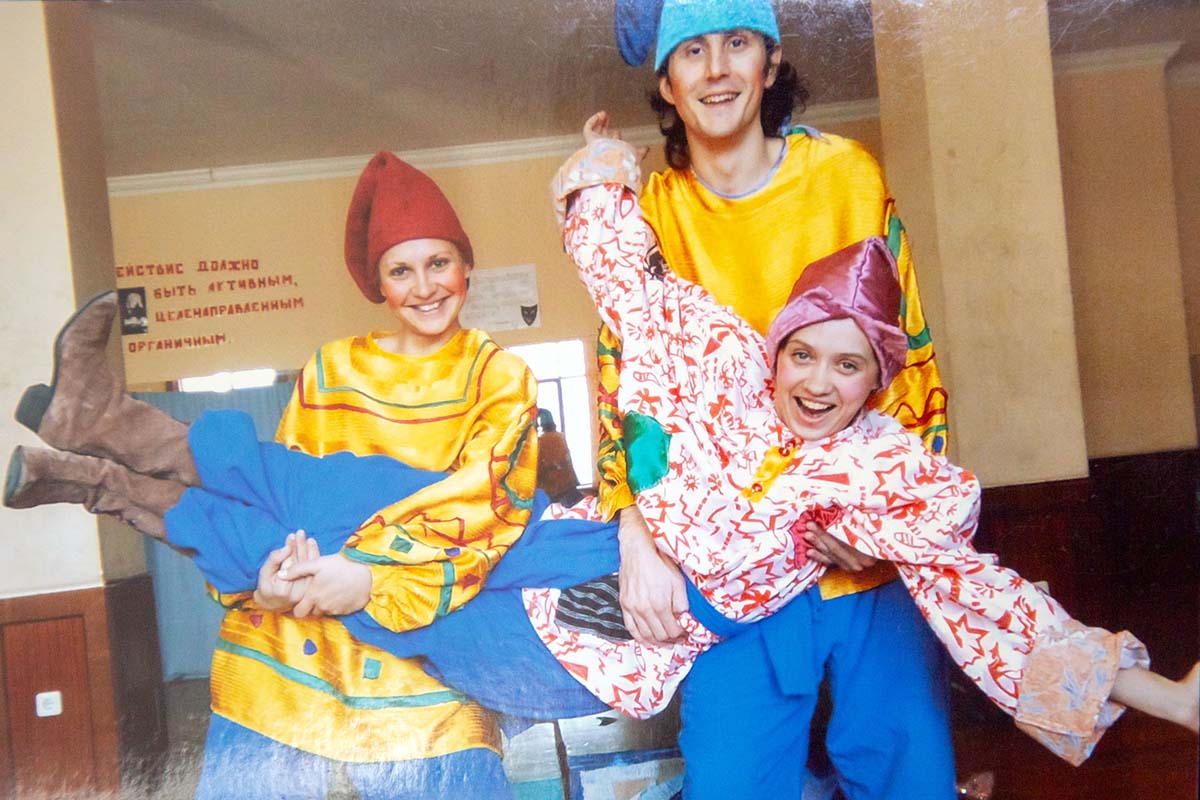
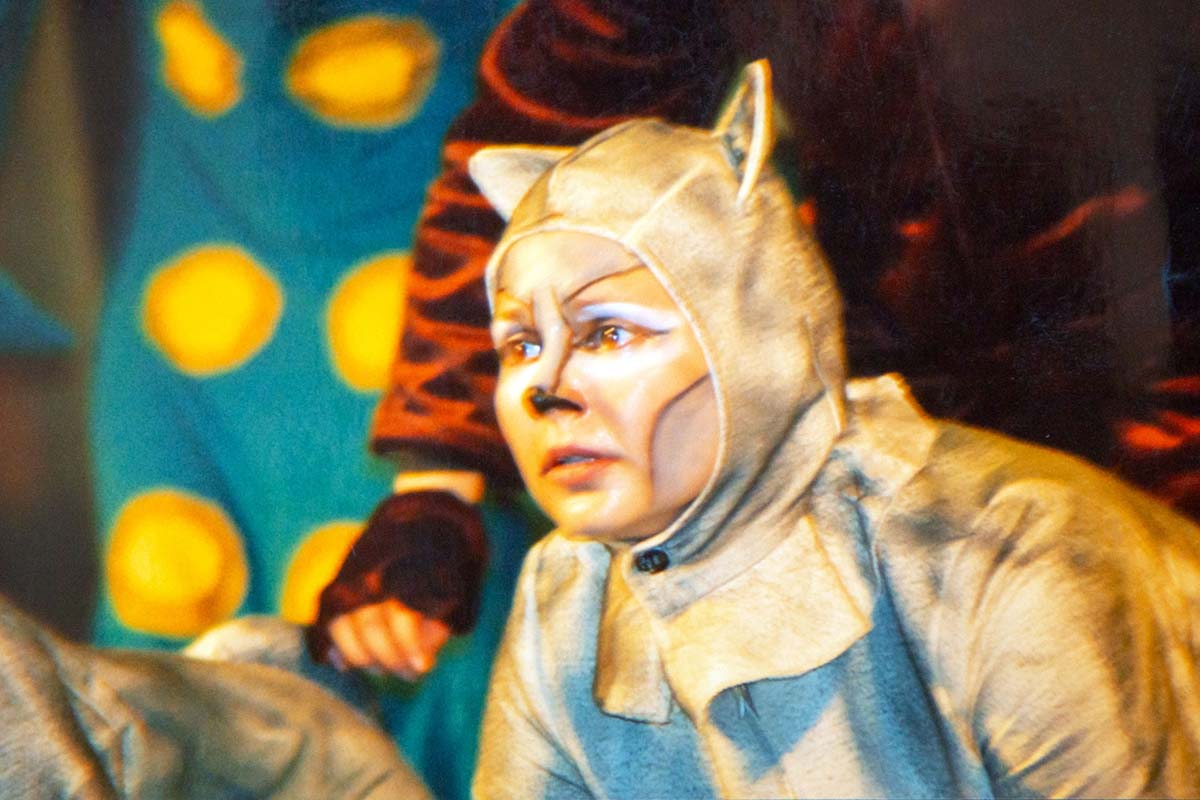
Fortunately for me, a theatre studio school opened at the Pushkin Theatre, and I was the first to submit an application for admission. Our mentors—Natalya Andreyevna Laukert, Olga Vladimirovna Volkova, and Anatoly Georgiyevich Lubinets—were the driving force behind our training. In just ten months, they managed to turn us into professionals. It is enough to recall our coursework production of ‘Tomorrow Was the War’ and our graduation production of ‘Mowgli’. These studio performances were added to the theatre’s repertoire and staged alongside professional productions. I was fortunate enough to play Iskra Polyakova in ‘Tomorrow Was the War’ and the she-wolf, Mowgli’s adoptive mother, in ‘Mowgli’.
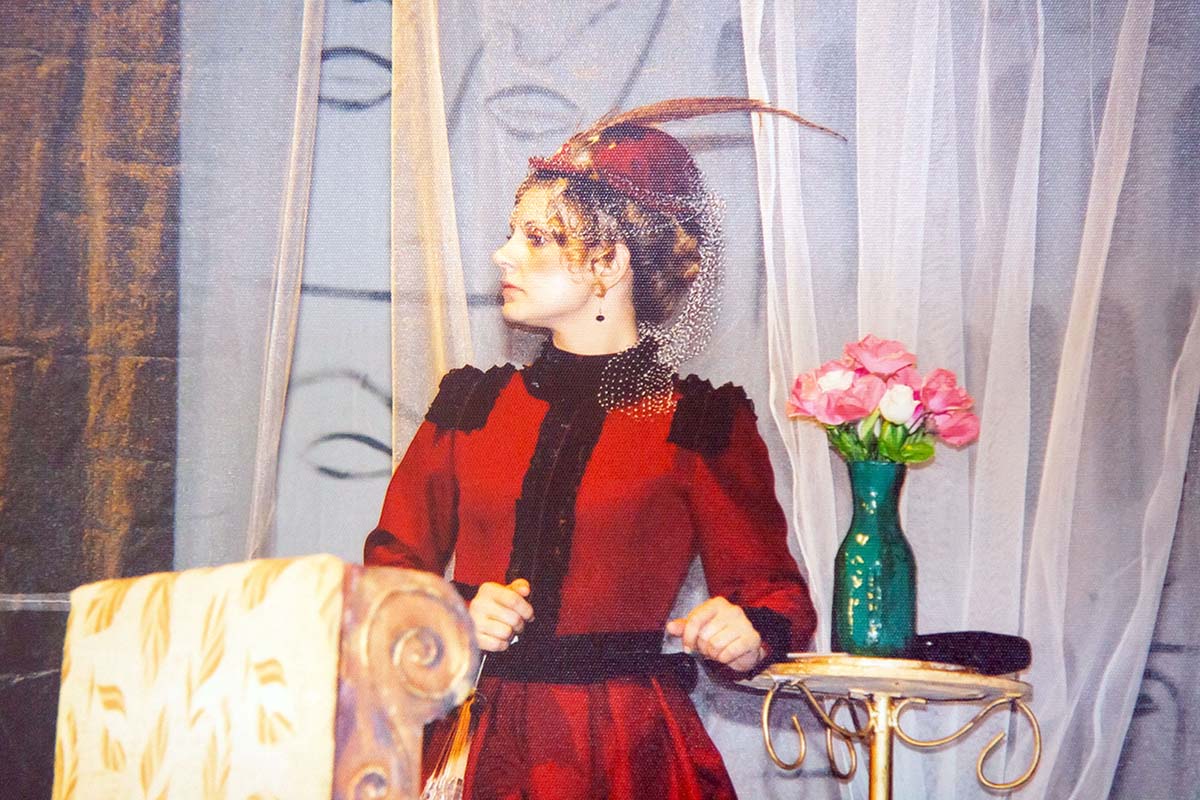
Olga Vladimirovna Volkova taught us, who had only recently left school, that being an actor means constantly working on yourself and maintaining self-discipline. If you are given an assignment involving physical training, voice work, dancing, or memorizing lines, you must complete it on time so as not to let your fellow actors down. Before that, we had always assumed that discipline and creativity were mutually exclusive.”
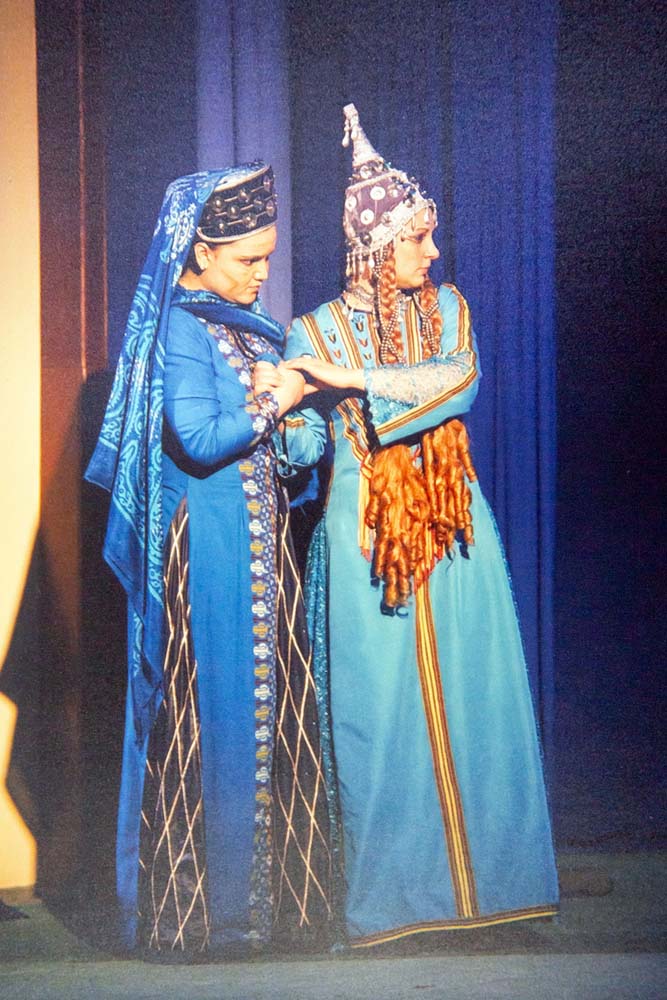
When asked, “Which role you have played is your favorite, and which role do you dream of playing?”, Anastasia Balandina replies that her favorite productions are ‘A Garden Without Earth’ and ‘The House of Bernarda Alba’. Both explore the psychological dynamics of relationships between sisters. Svetlana Troitskaya was the assistant director for 'The House of Bernarda Alba’. During rehearsals, she helped us examine every nuance and understand the reasons behind the hostile behavior of people who are close to one another. Understanding and portraying these relationships was difficult, but fascinating.
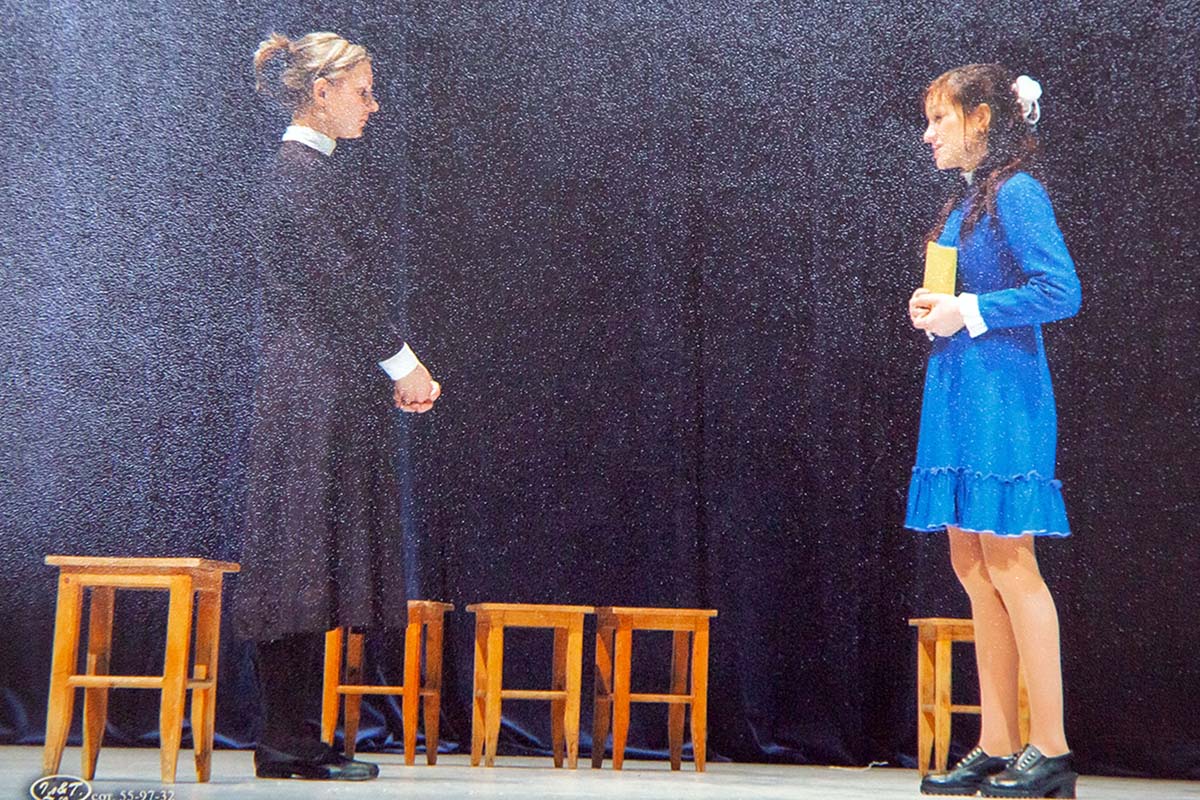
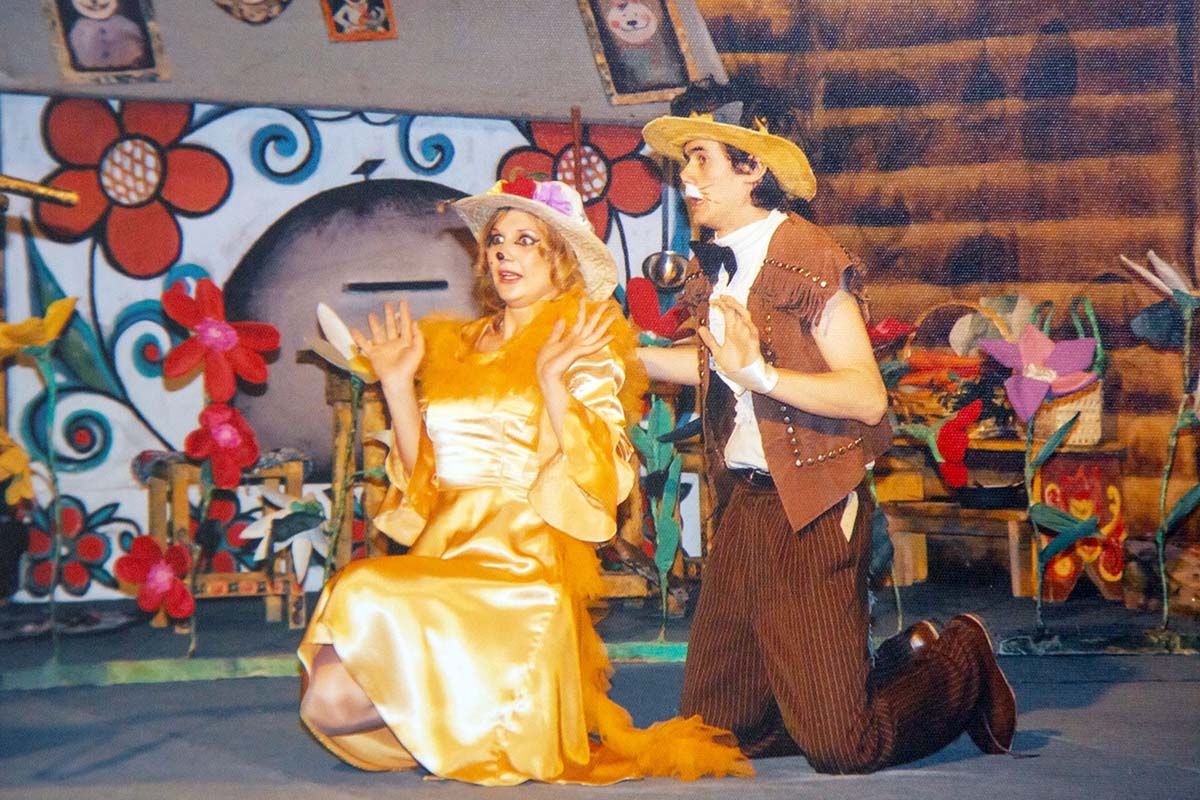
“Playing a villain is much harder than playing a good person. Perhaps it was Svetlana Borisovna’s encouragement that made me want to play the Miserly Knight, Iago from ‘Othello’, Salieri from ‘Mozart and Salieri’, and Don Juan from 'The Stone Guest’. These are all male roles, but I would love a director to offer me the chance to play one of them. So far, my only villainous role has been that of one of the stepsisters in the children’s production of ‘Cinderella’. As our mentors taught us, when portraying a villain on stage, you must help the audience understand why the character behaves the way they do.”
“The theatre is my life, and I am grateful to fate for the excitement and exhilaration I experience every time I step onto the stage. I would like to thank everyone who has recognized my contribution to the theatrical arts of our country, and above all, the President of Turkmenistan, Serdar Berdimuhamedov.”