


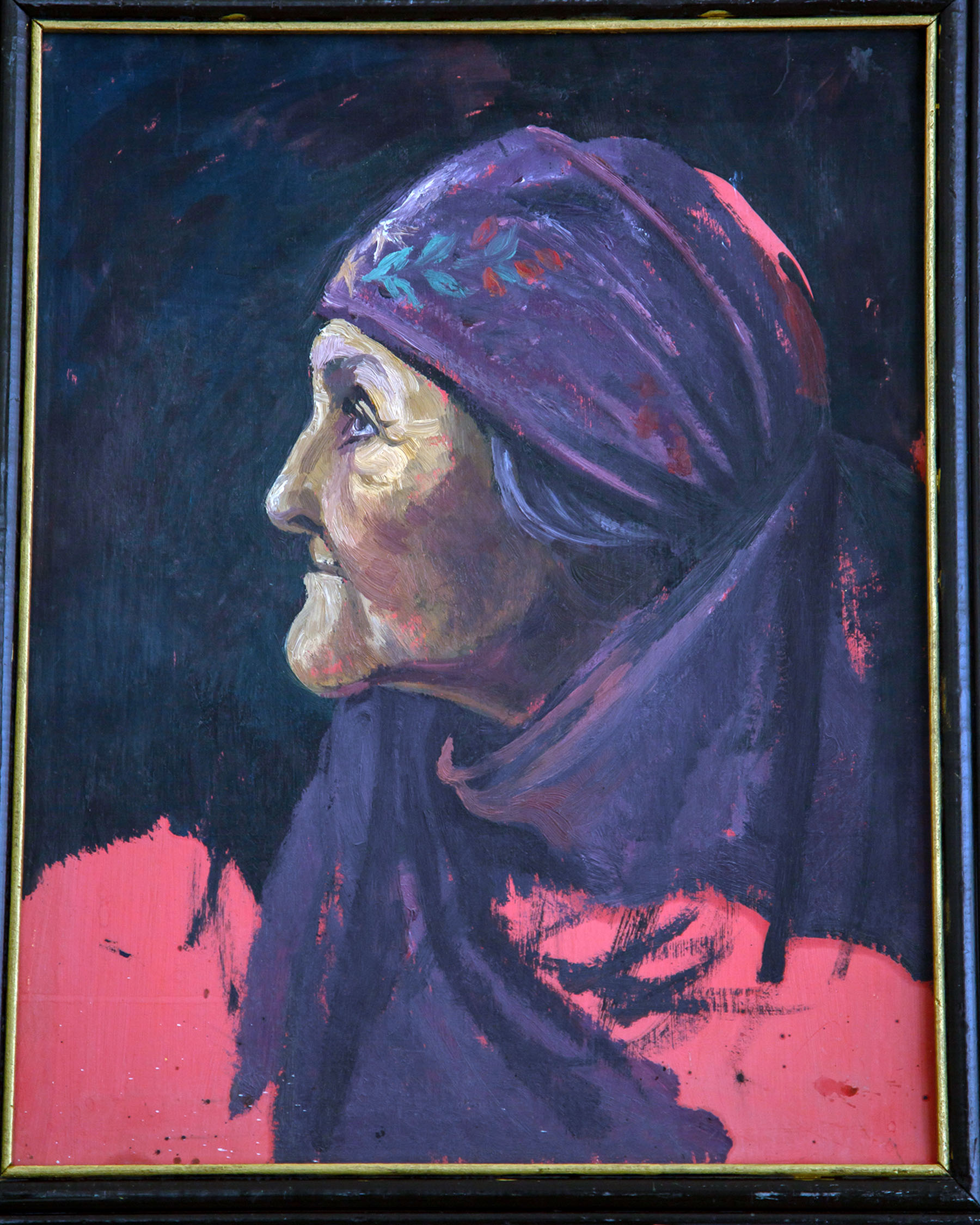
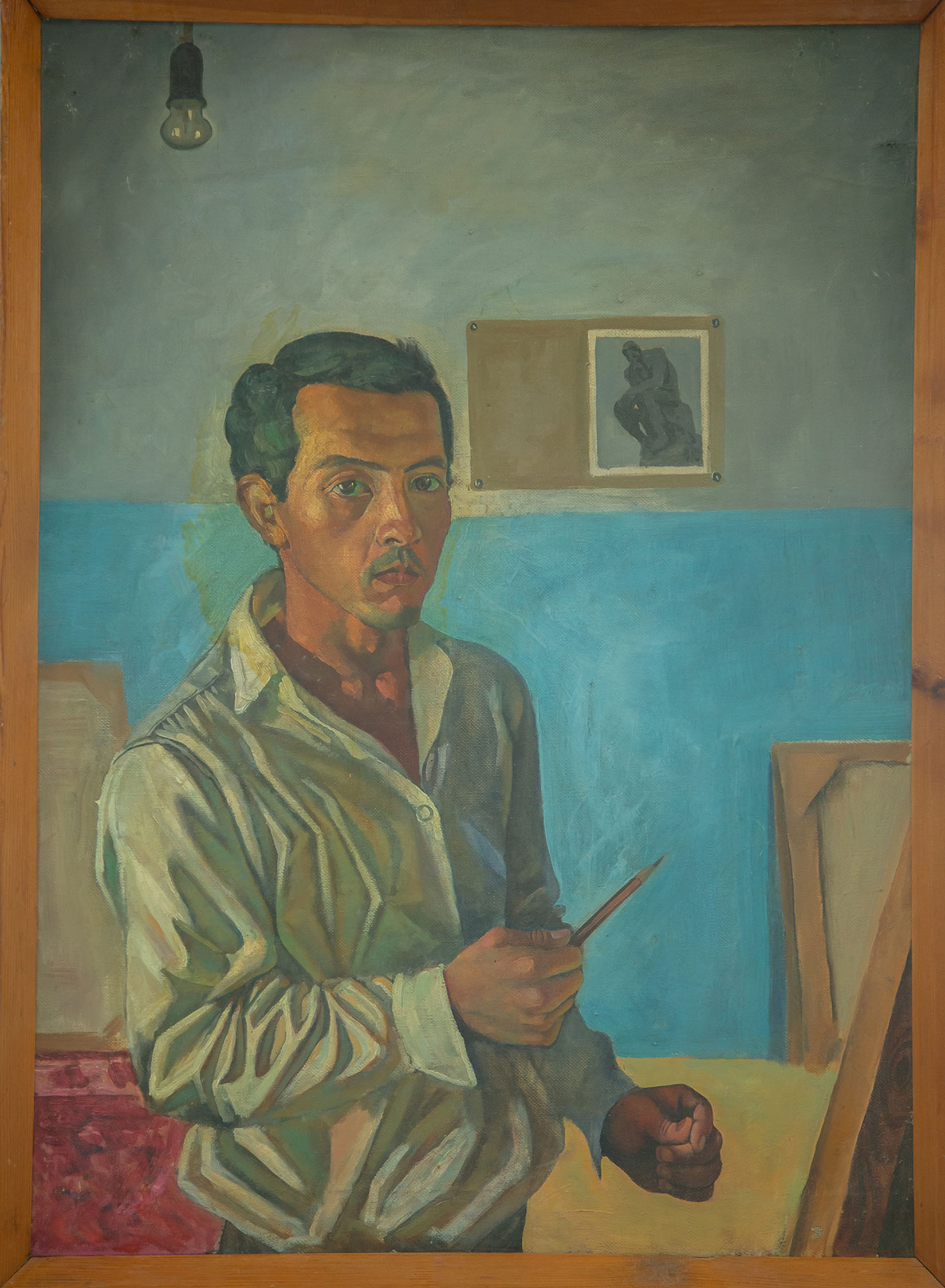

A solo exhibition of works by Hoshgeldi Shakhberdiyev is currently on display at the State Museum of Fine Arts of Turkmenistan. The exhibition is dedicated to the cherished memory of an artist whose life, though short, was exceptionally fruitful. He was only forty years old when his heart stopped beating.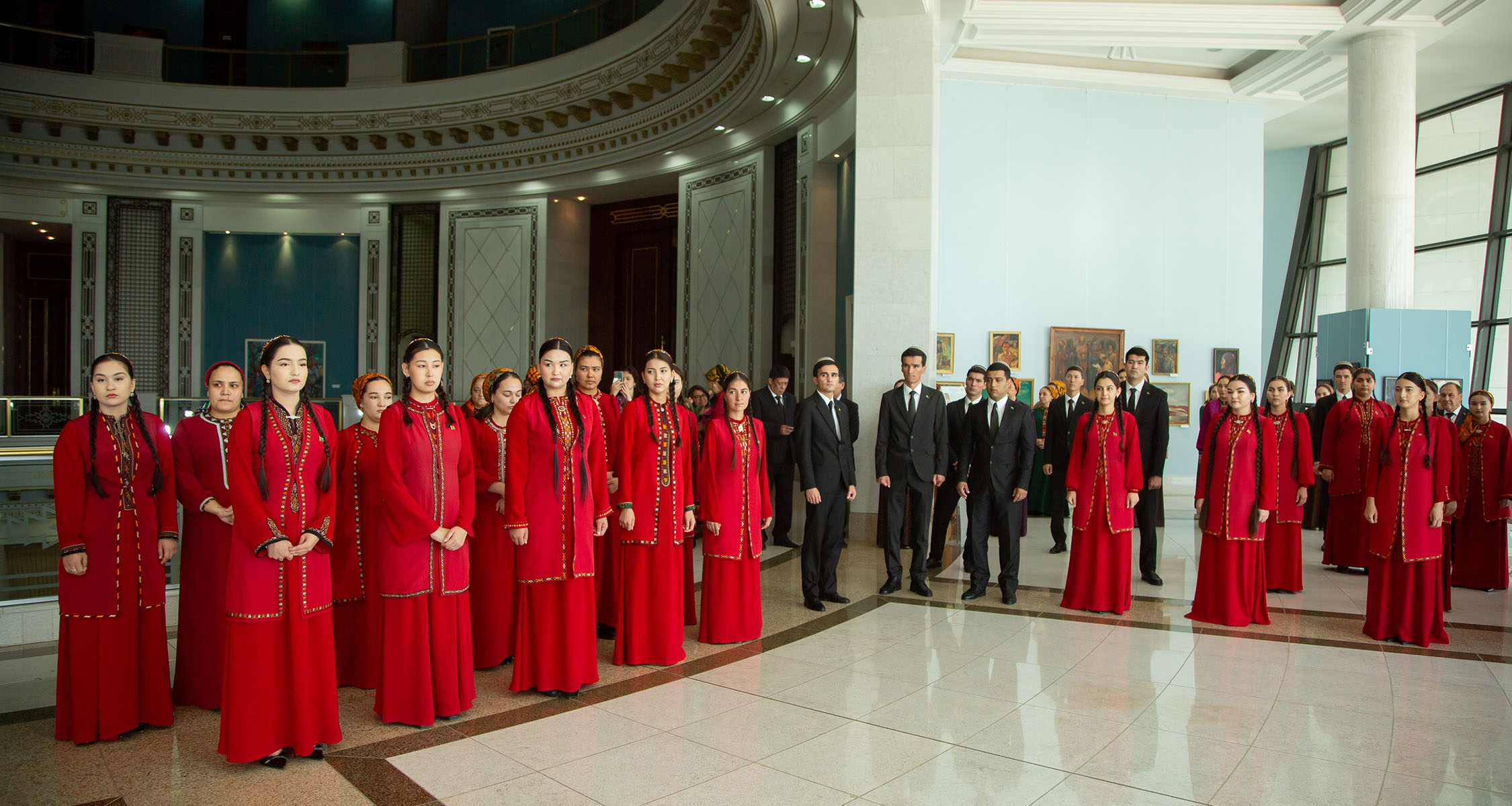
A young and talented artist from Mary, who graduated with honors from the Turkmen State Art School, once set off to continue his education at the All-Union State Institute of Cinematography, enrolling in its painting department. This was a dream come true for any artist, yet such an opportunity is granted to far from everyone. Moscow, with its museums, libraries, renowned professors, and gifted student community, provided a rich and stimulating environment in which he spent three years studying. In his fourth year, however, his heart failed him.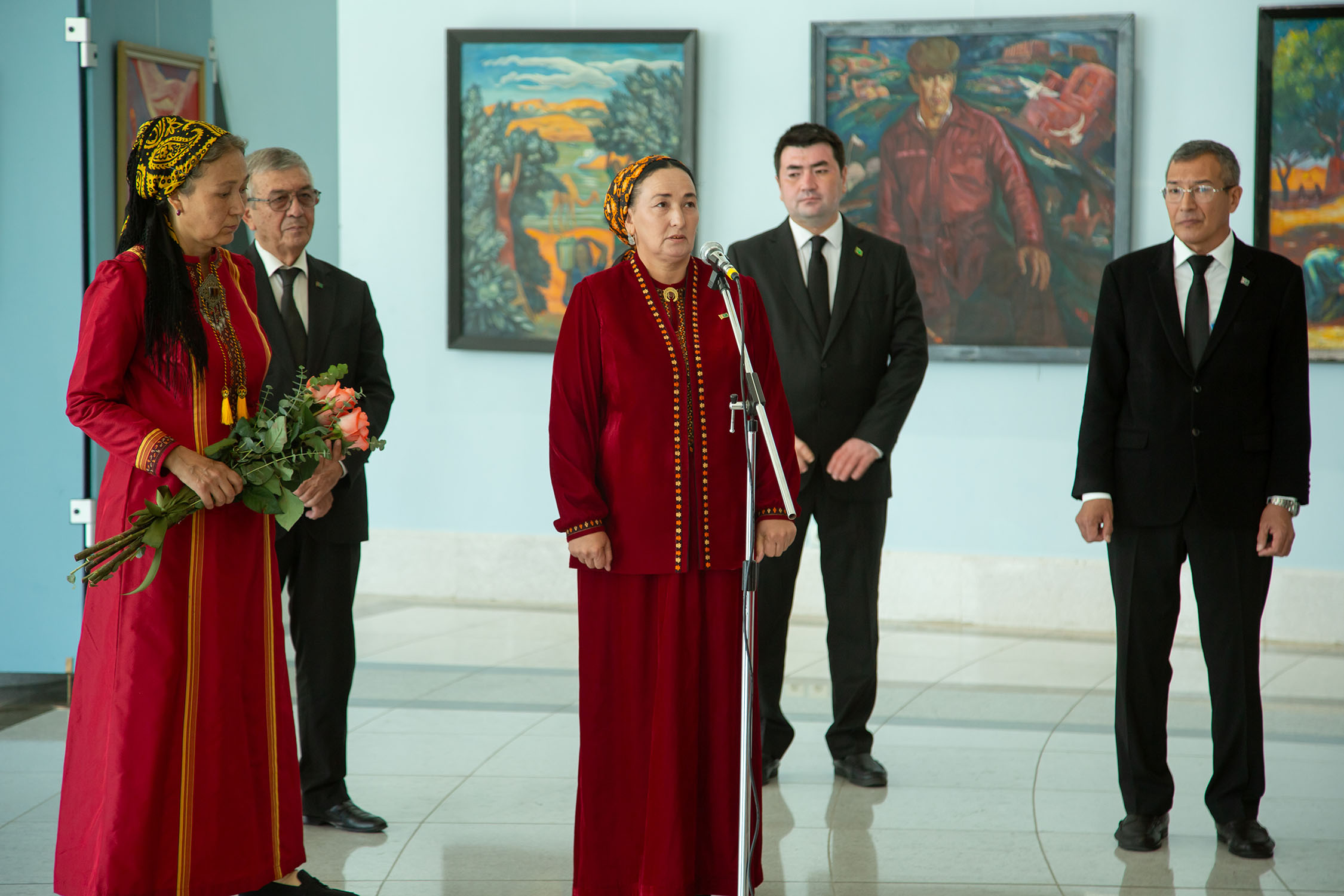
The doctor who performed the operation confessed to his patient, “He does not have long to live.” After reconsidering his circumstances, Hoshgeldi decided to return to Turkmenistan. He was an artist, and he needed to work; the knowledge he had acquired would be enough for him to pursue his calling.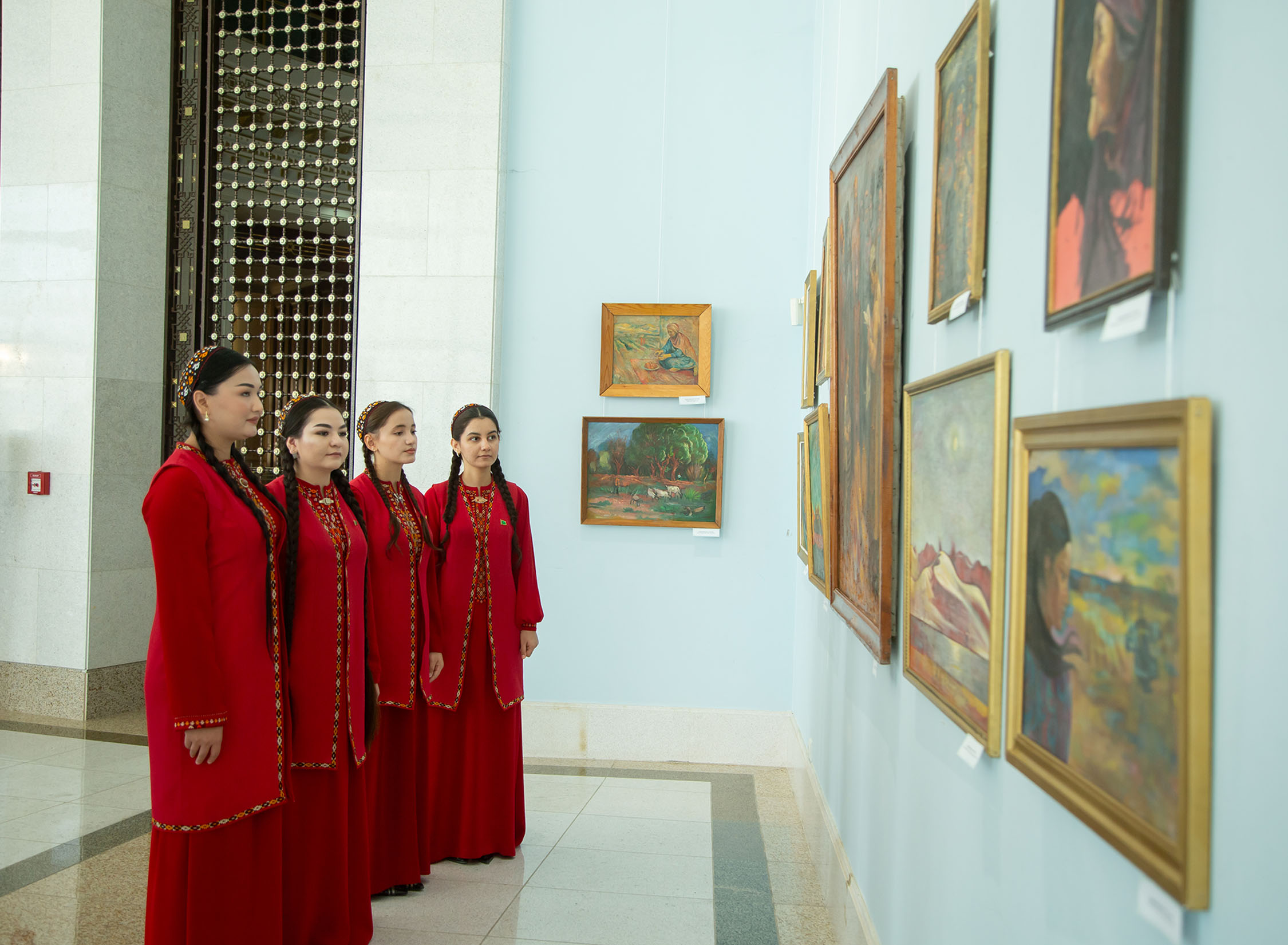
Hoshgeldi was born in 1946, just after the war. Like all his contemporaries, he grew up with the war deeply ingrained in his consciousness. In those days, all the teenagers dreamed of front-line heroes and tried on their fathers’ orders and medals. How they wished they could take their fathers’ places and fight bravely for their Motherland!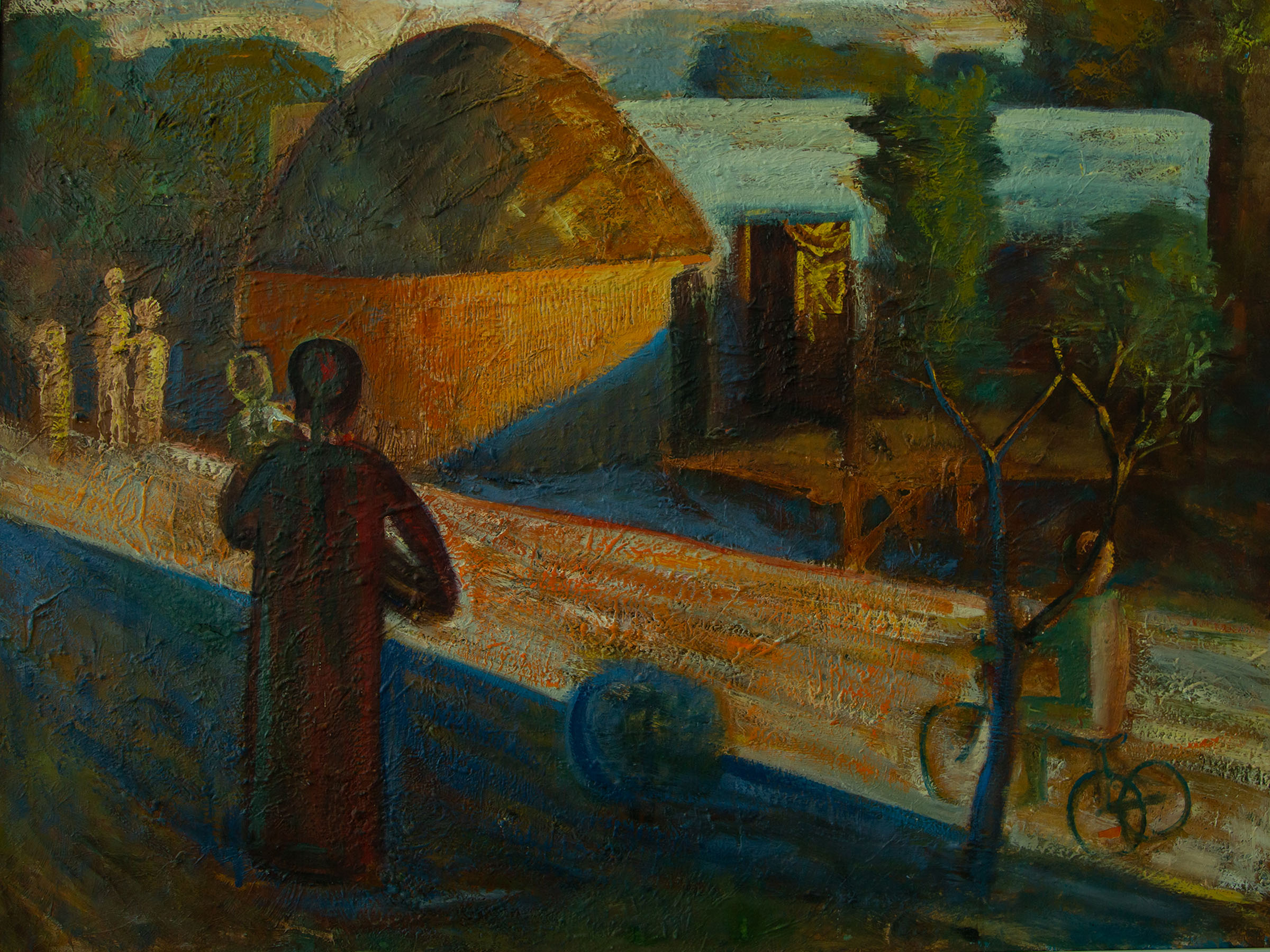
It is therefore hardly surprising that many of Hoshgeldi Shakhberdiyev’s paintings deal with the war. One of them is “Farewell to the Front.” In this painting, his father volunteers to go to war. His mother sees him off, her eyes filled with anxiety but also with hope for their reunion. Meanwhile, their little daughter cannot understand why everyone is crying or where her father is going. This painting reveals the very essence of Shakhberdiyev as an artist. He was a stranger to pomp and grandiosity; instead, he portrayed events by drawing on the depths of his heart.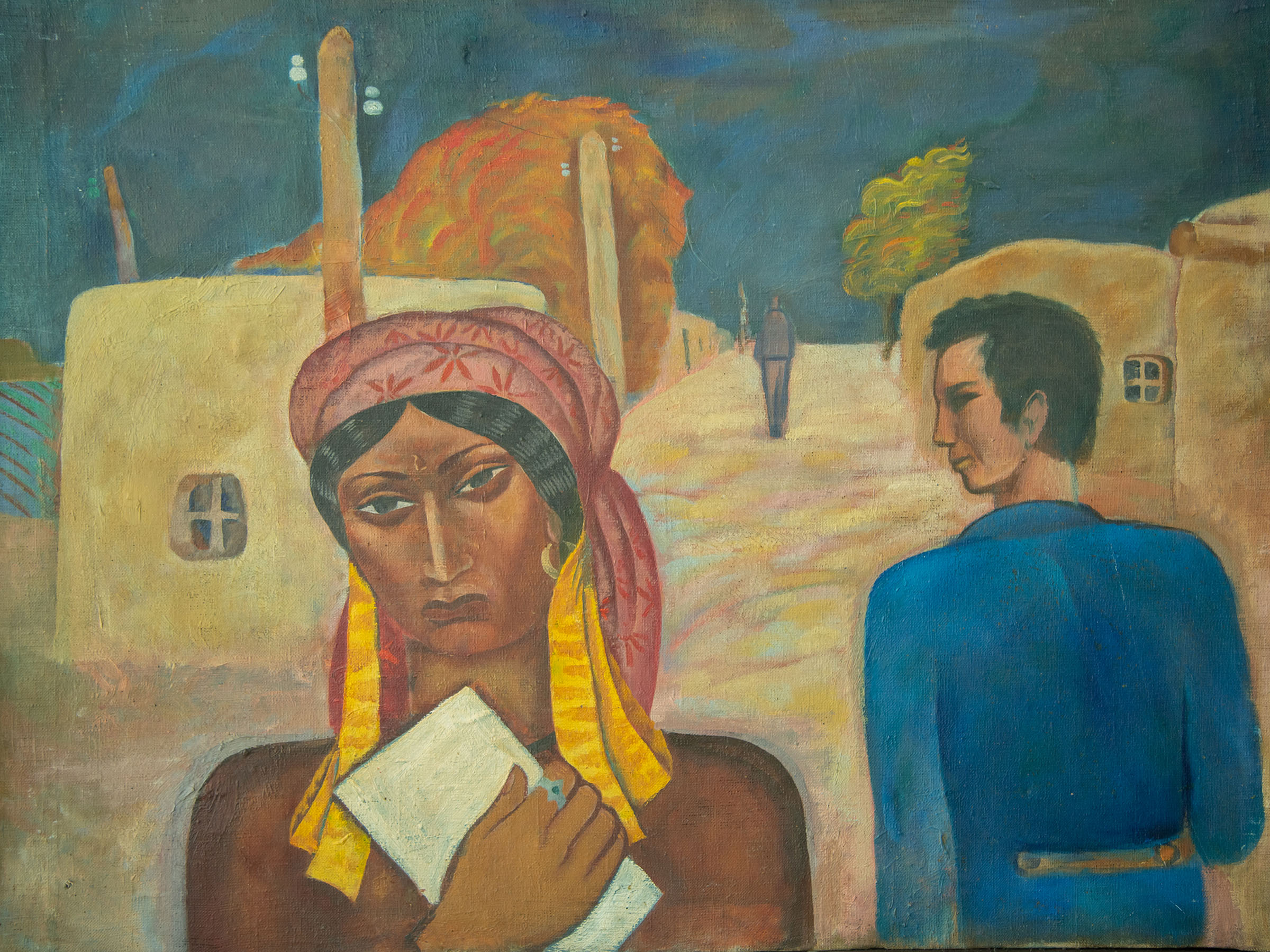
Many of the artist’s relatives attended the exhibition. One of them was studying the painting “Farewell to the Front” particularly attentively.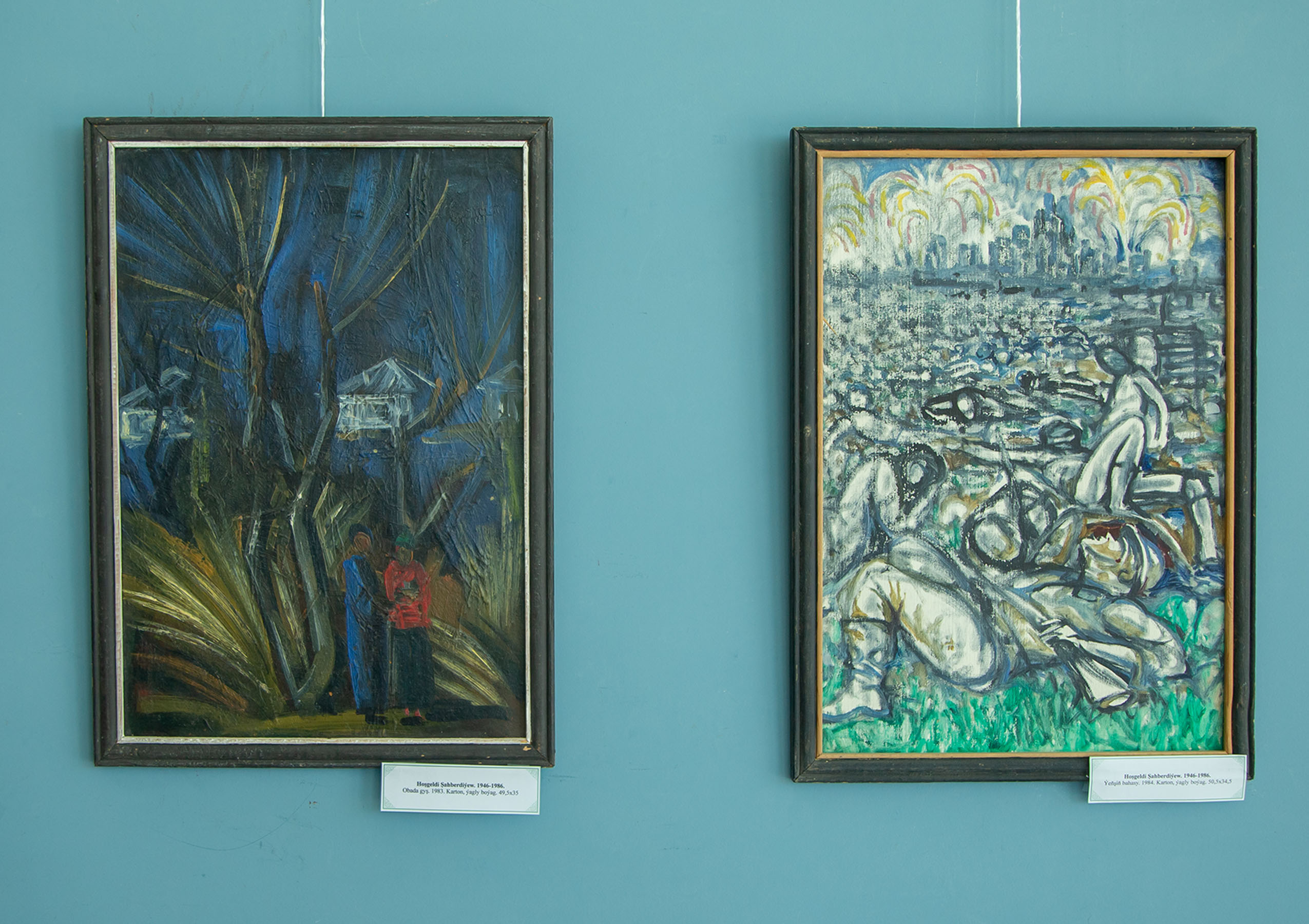
“Is that you in the painting?” I asked, pointing to the little girl.
“No, that’s my older sister,” she replied with a smile.
“Then is this you?” I persisted, pointing to the portrait of the woman.
“No. That’s my mother.”
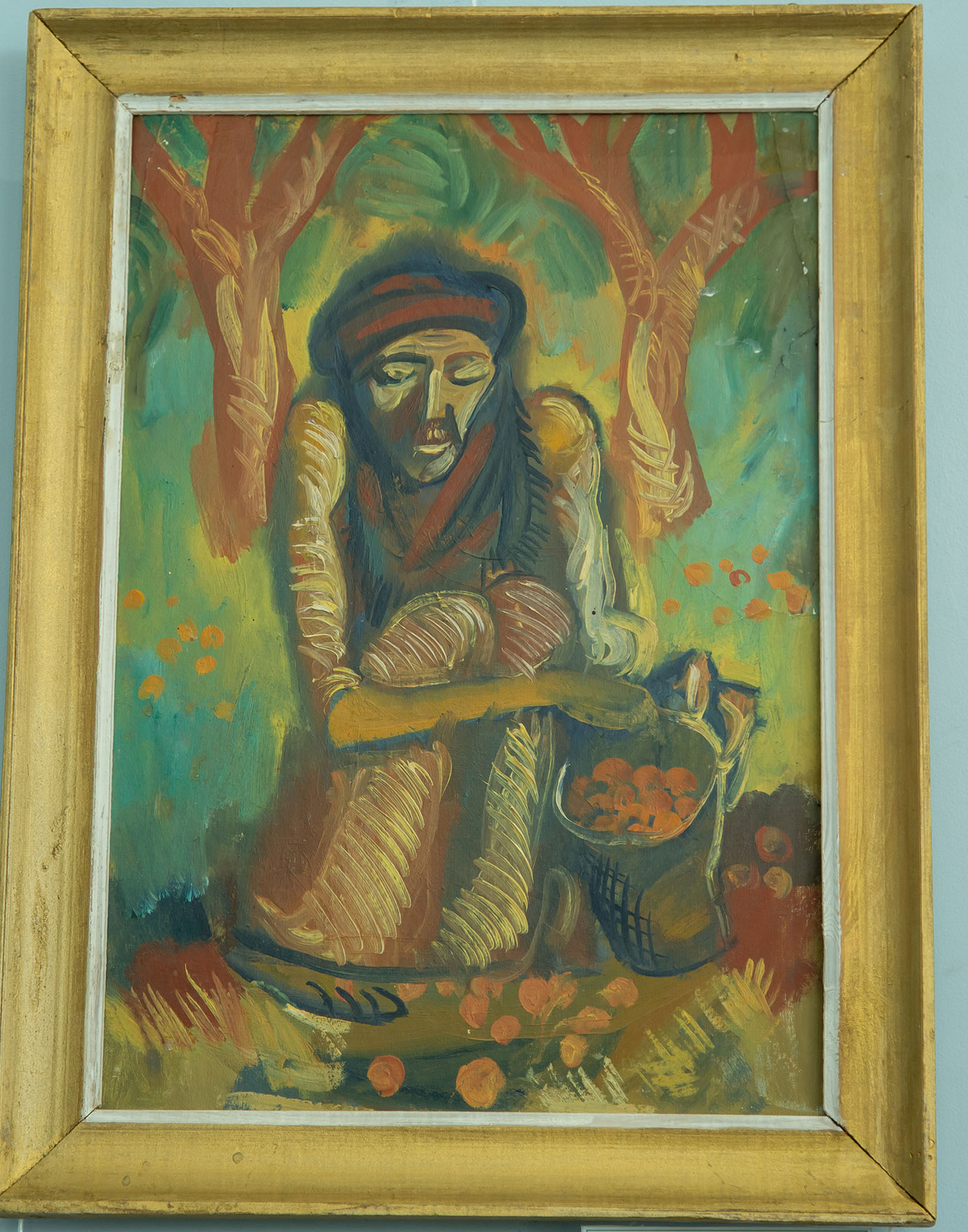
We introduced ourselves. The woman, who gave her name as Guljan, turned out to be one of Hoshgeldi’s sisters. Shakhberdiyev’s development as an artist coincided with the period when Socialist Realism dominated painting. He remained committed to realism, though he occasionally infused it with elements of other artistic styles.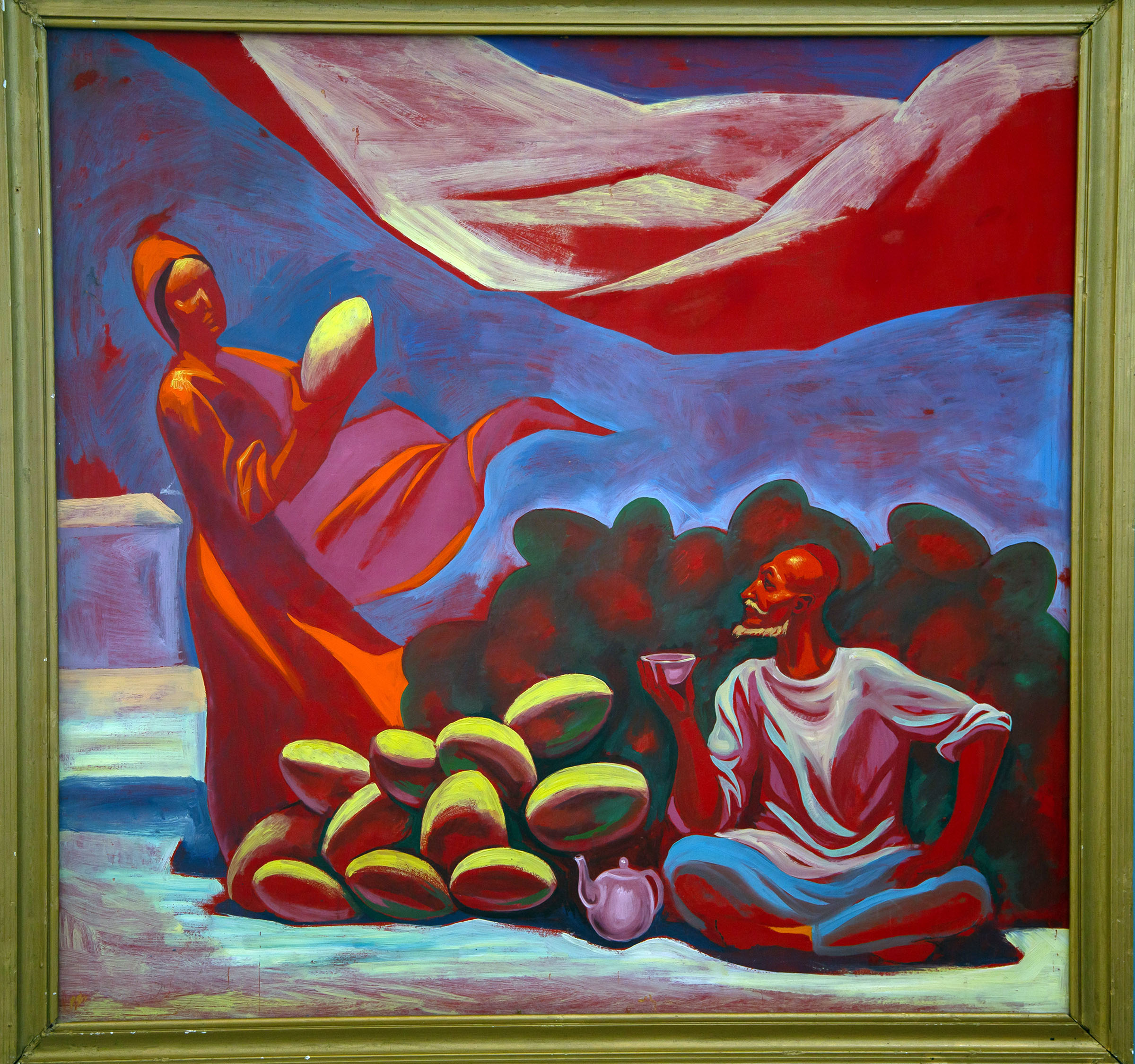
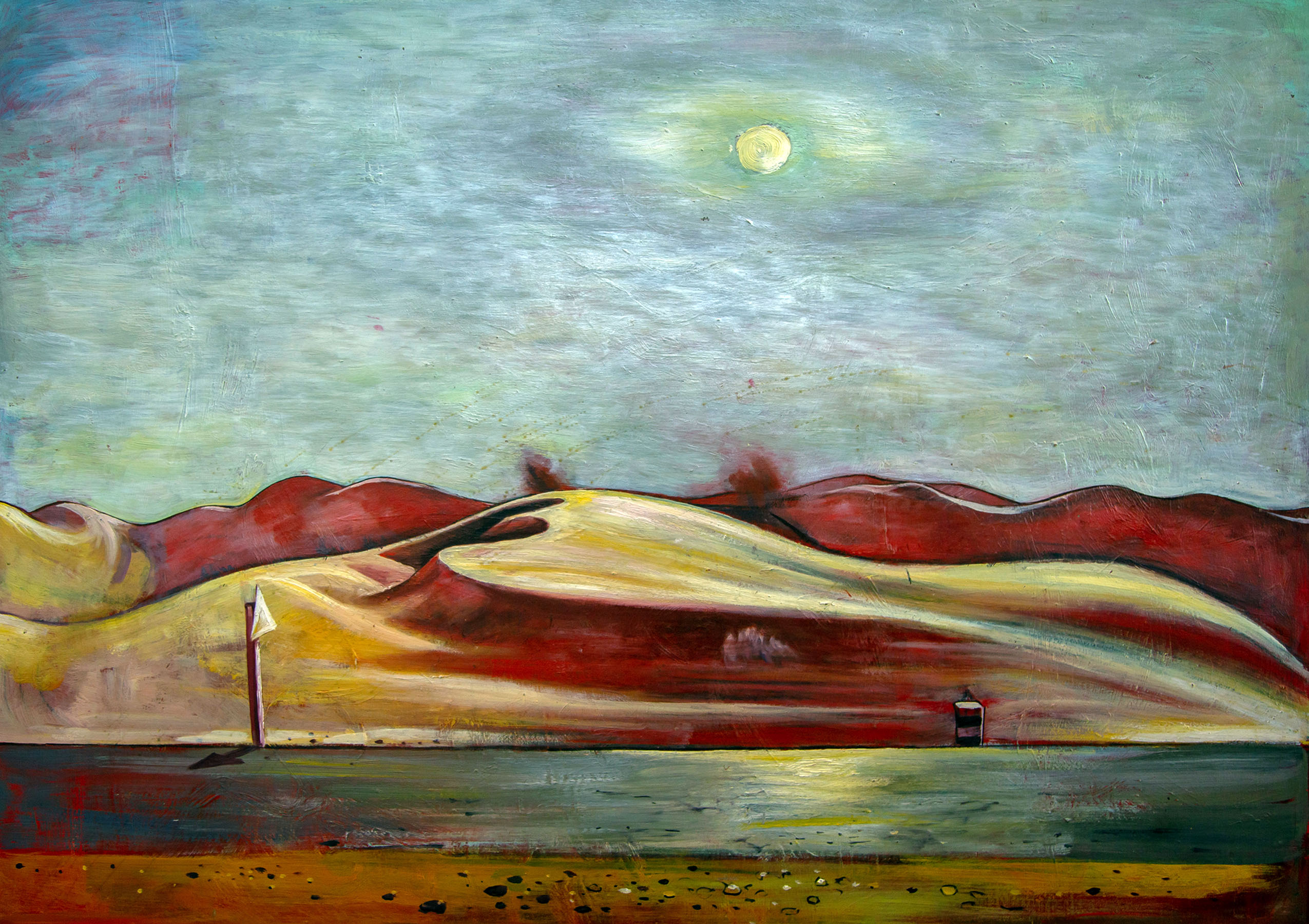
Two paintings in the exhibition, “The Road to Merv” and “The Melon Seller,” particularly attracted visitors’ attention. In the first, the artist employed the glazing technique, which lends beauty and depth to two rows of picturesque sand dunes bordering an asphalt road. In the second, a melon seller, seated in a carefully composed pose, offers his produce to passersby—the fruits of his own hard work. These works do not conform to conventional standards. The artist has embellished reality ever so slightly, yet they delight viewers with their sincerity and openness.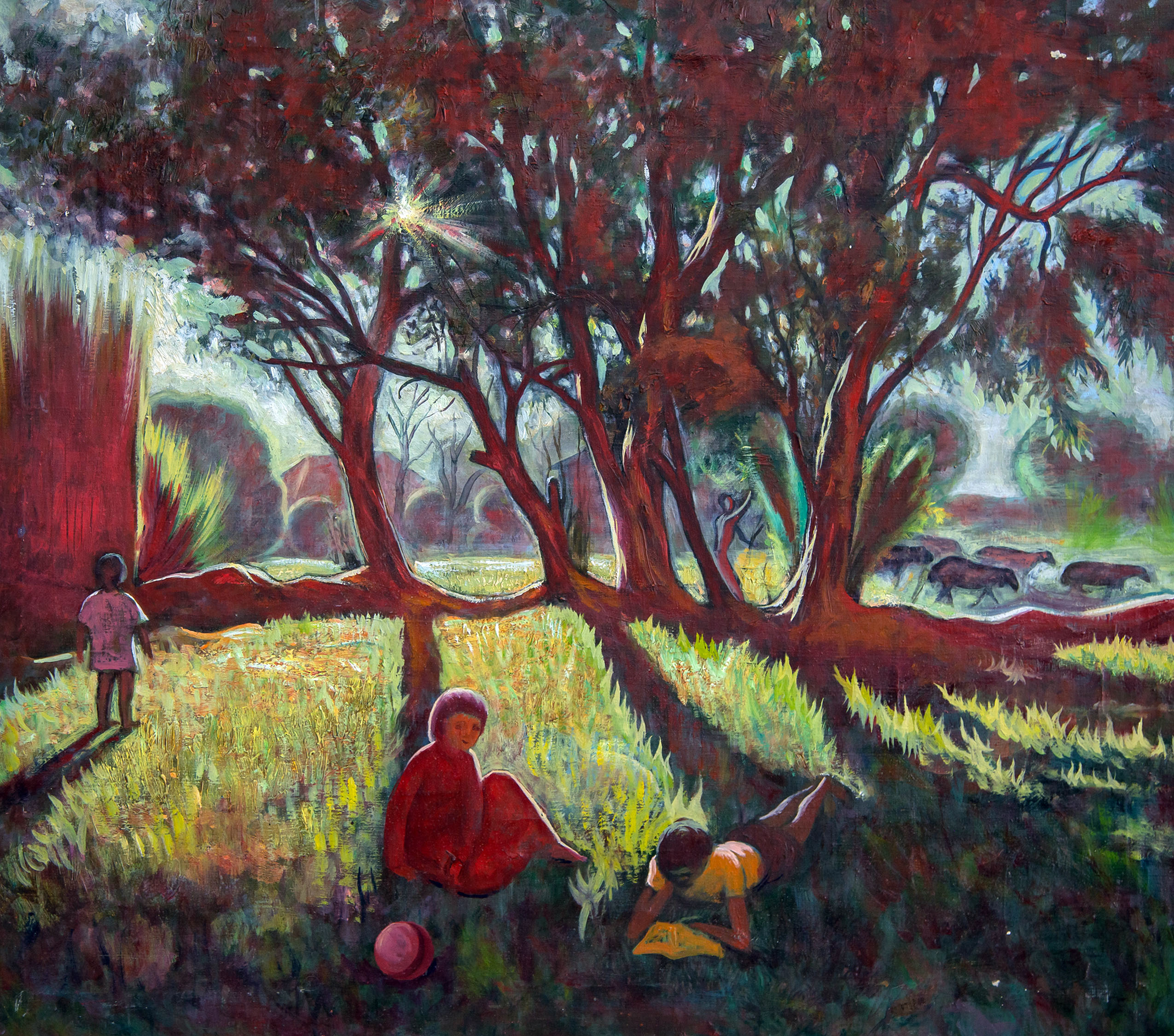
“The Family Home” conveys childhood memories with nostalgic precision. It depicts a mother returning home in the evening with her own children and those of the neighbors. Notably, the road is rendered using a palette knife, giving its surface the shimmering appearance of moonlight.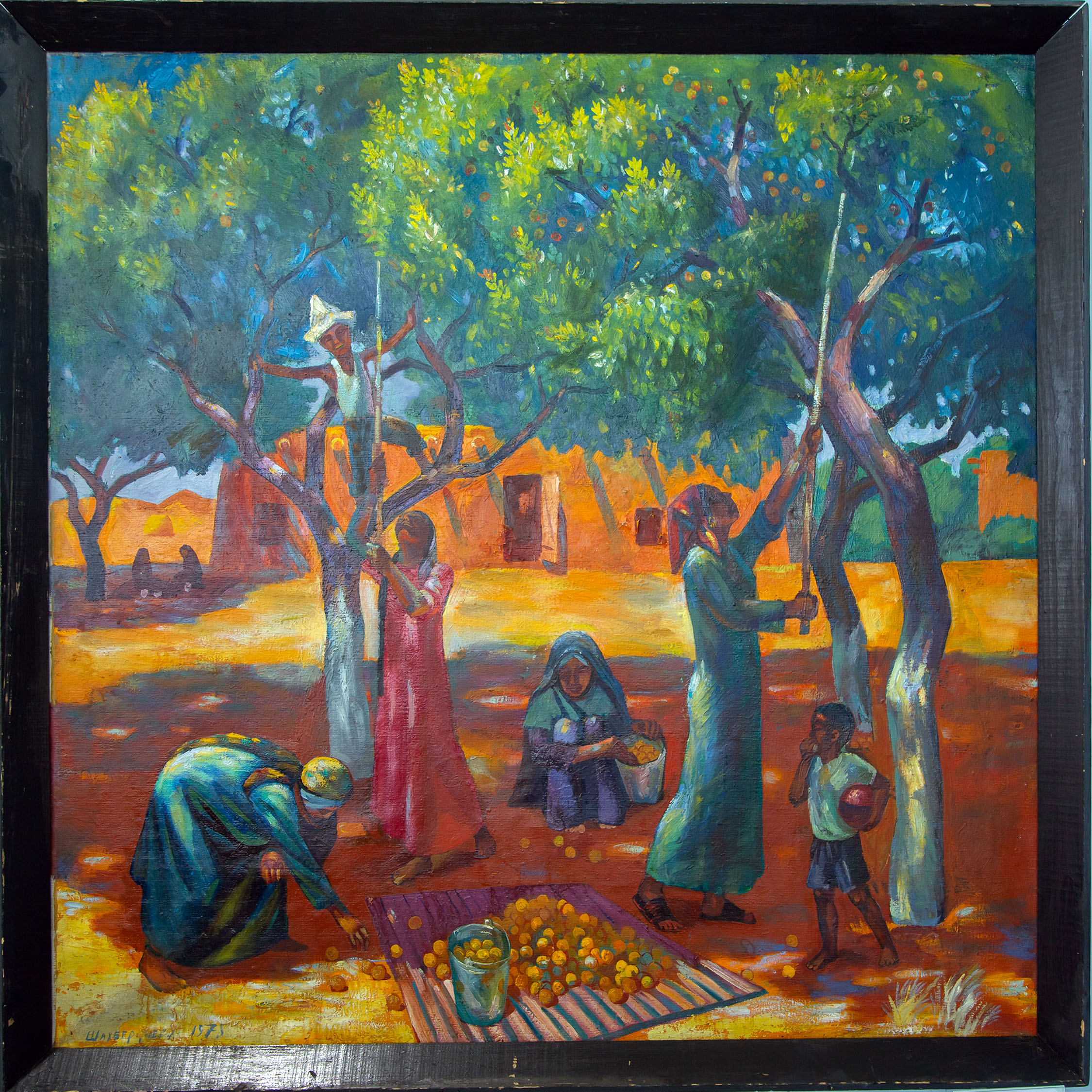
In “Autumn in the Native Village,” the artist portrays a drama involving a man and a woman who, for some reason, were unable to preserve their happiness together. Years have passed, but love is still alive in their hearts. An unexpected encounter on a street one autumn day once again reopens a wound that has never healed.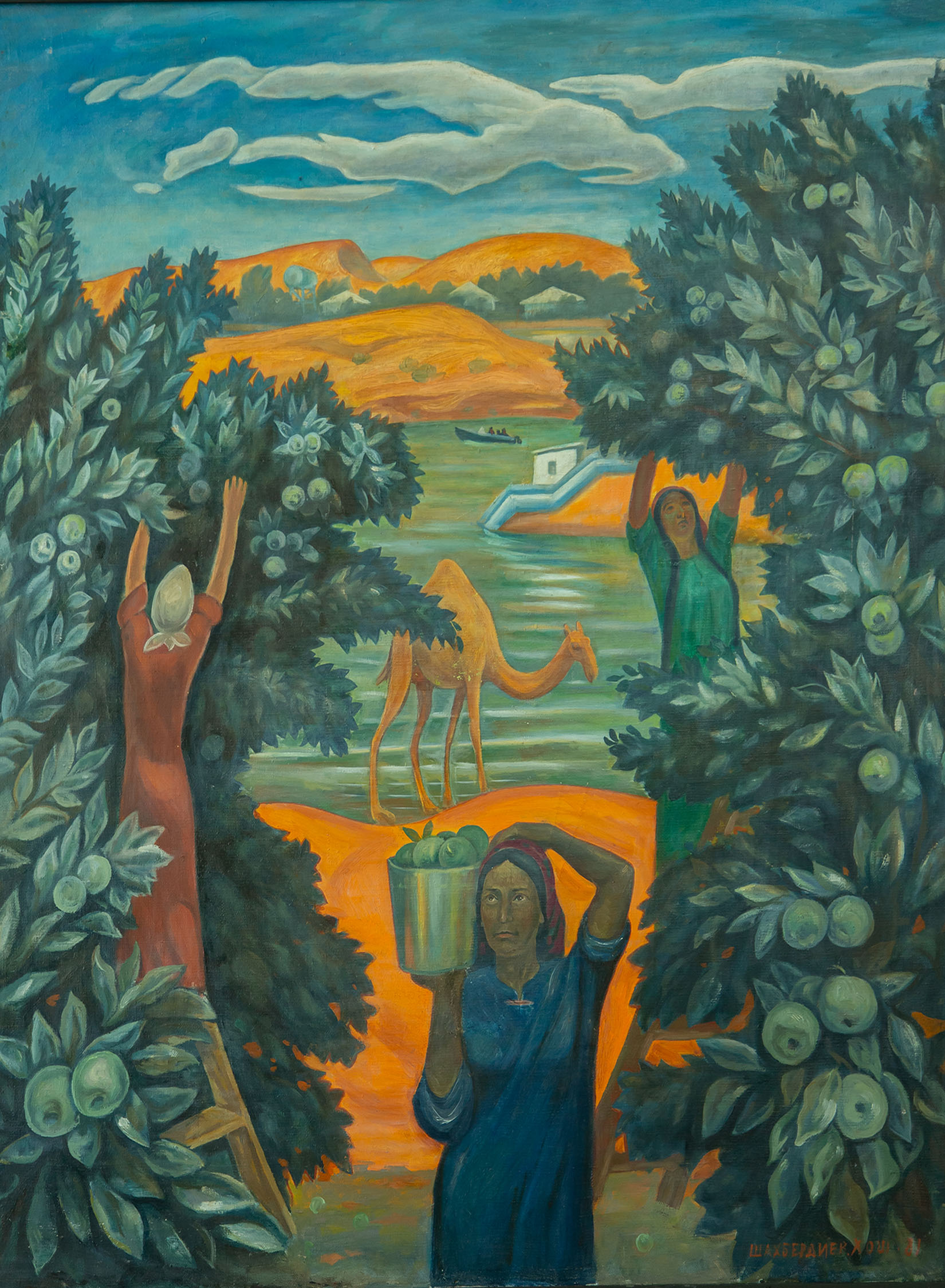
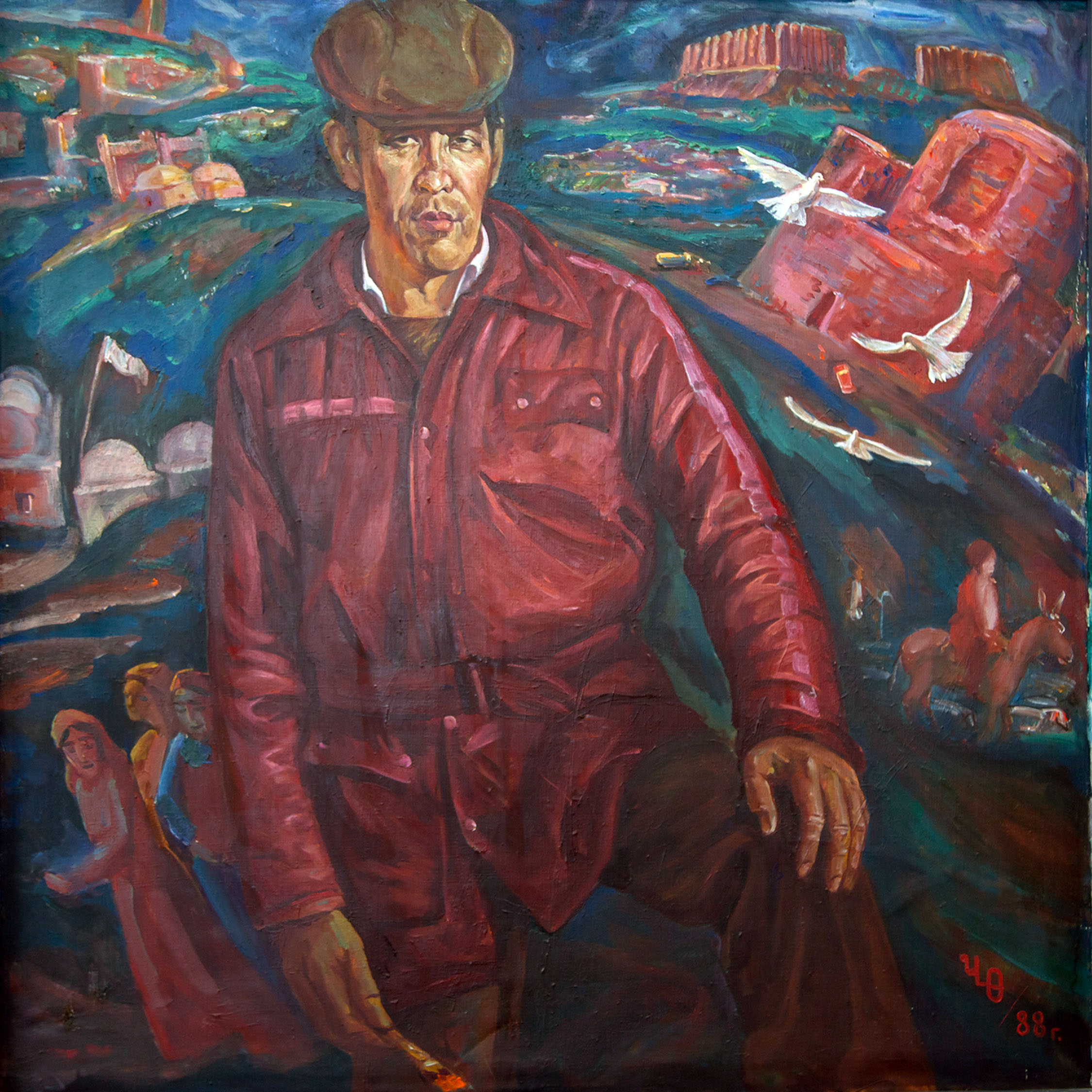
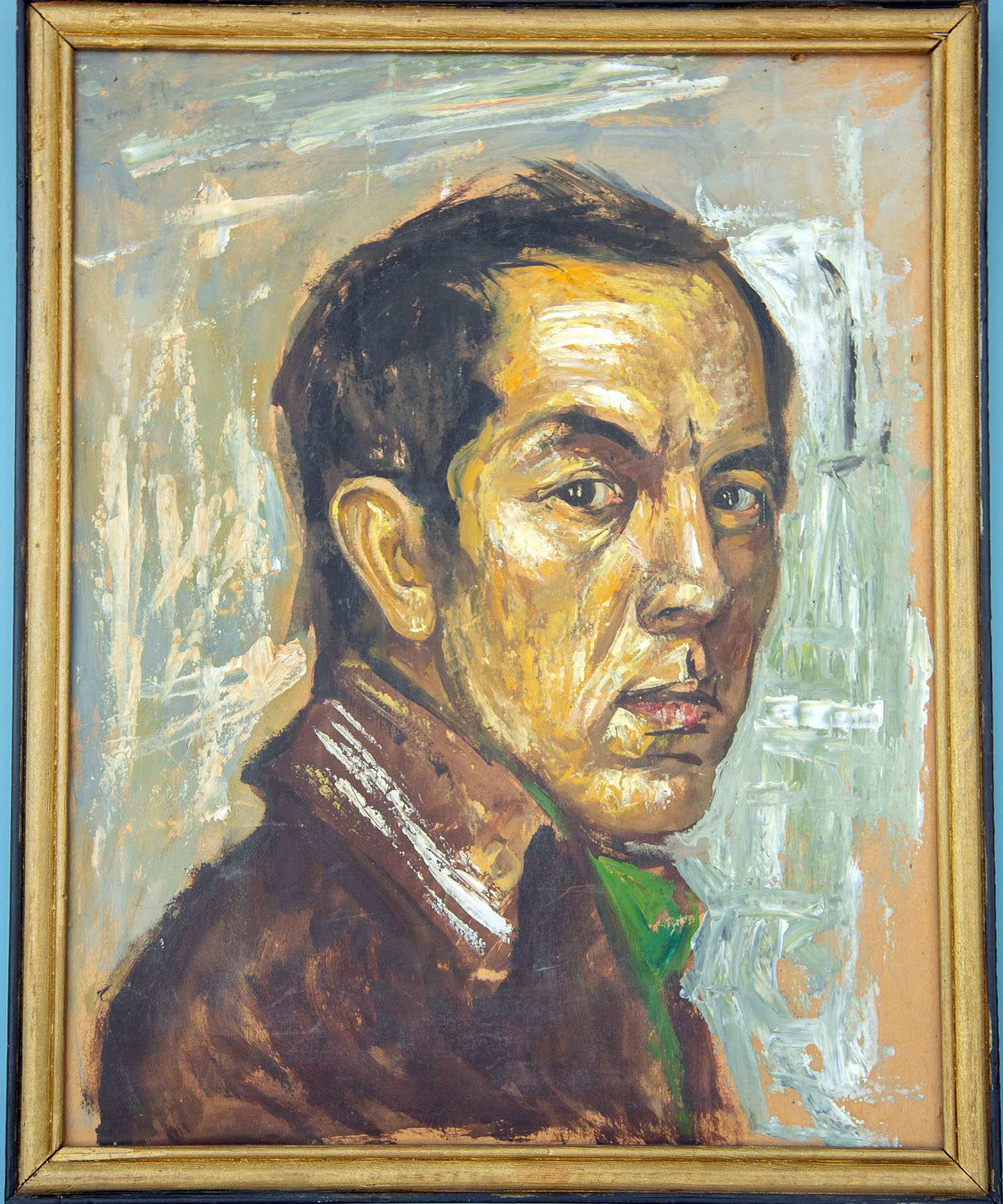
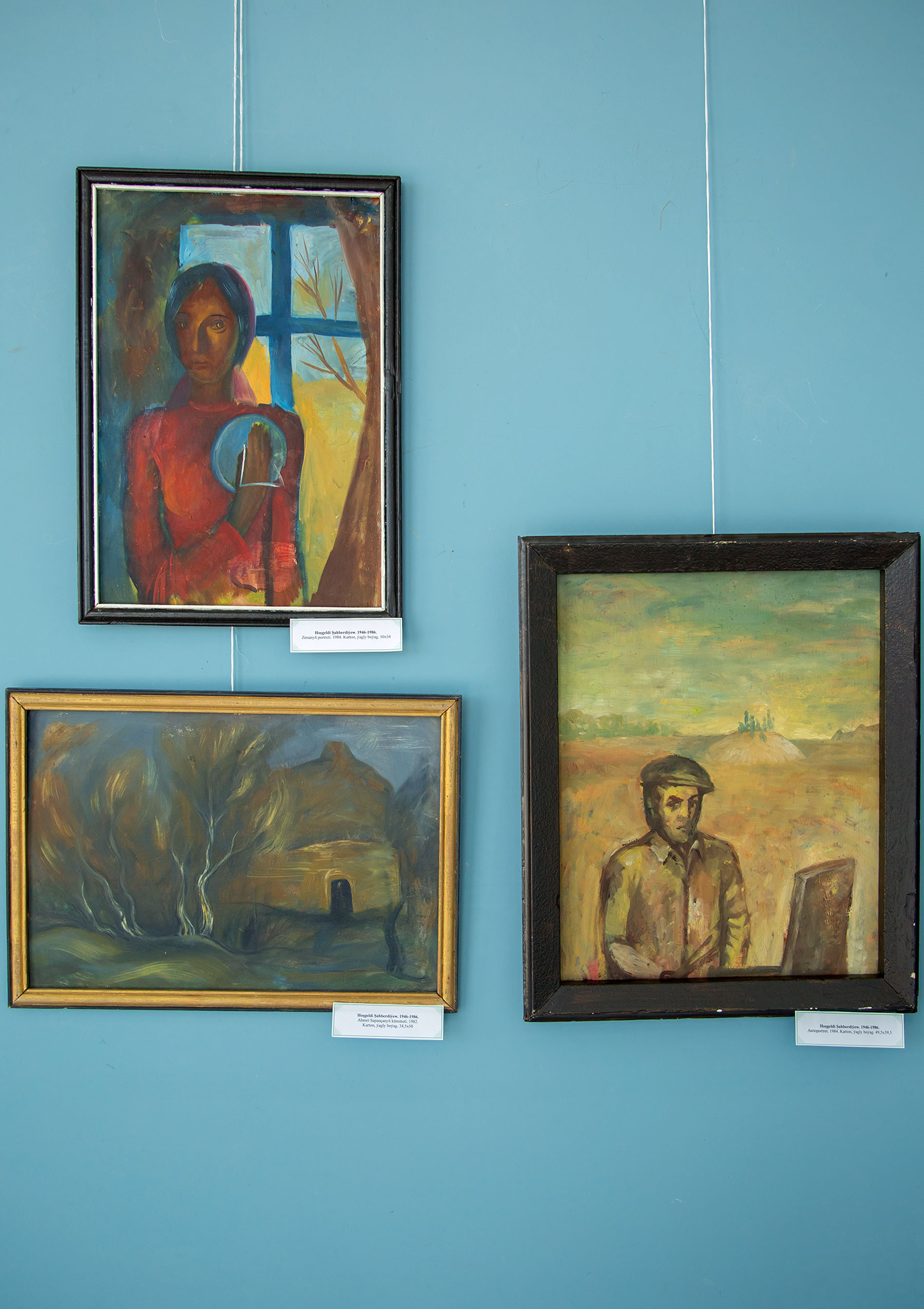
Several self-portraits are on display, showing the artist at different stages of his life—young and older, cheerful and stern. Particularly noteworthy is a portrait of Hoshgeldi Shakhberdiyev painted by his friend Chary Ovvayev shortly after the artist’s death. It is displayed nearby. Hoshgeldi is depicted in close-up, while an entire world unfolds behind him, encompassing ancient architectural monuments, people, and urban and rural landscapes. The artist titled the painting “Samsara: The Cycle of Life,” suggesting that as long as our Earth continues to turn, life on it goes on.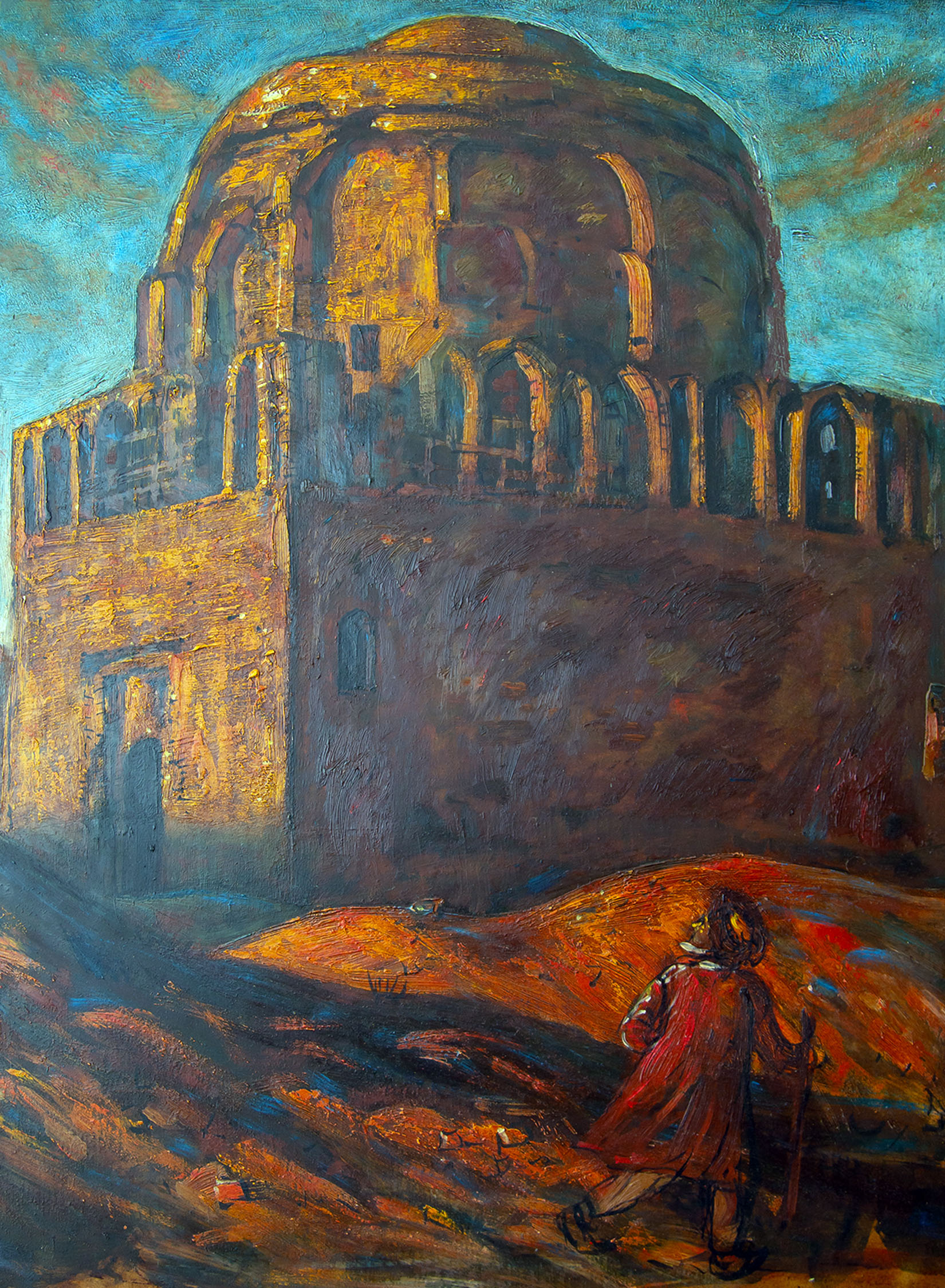
There are two particularly interesting facts worth mentioning. The first is that the exhibition features Hoshgeldi Shakhberdiyev’s final work, a study entitled “The Price of Victory!” There is nothing surprising about the fact that the theme of war once again captured the artist’s attention. He carried it in his heart from childhood until the end of his life. Using shades of deep blue and black, he depicted a battlefield strewn with the bodies of fallen soldiers who did not live to witness the joyous salute celebrating Victory. According to the artist’s relatives, Hoshgeldi had intended to develop the study into a large-scale canvas. However, he ran out of time: the artist passed away just a few days after completing the study.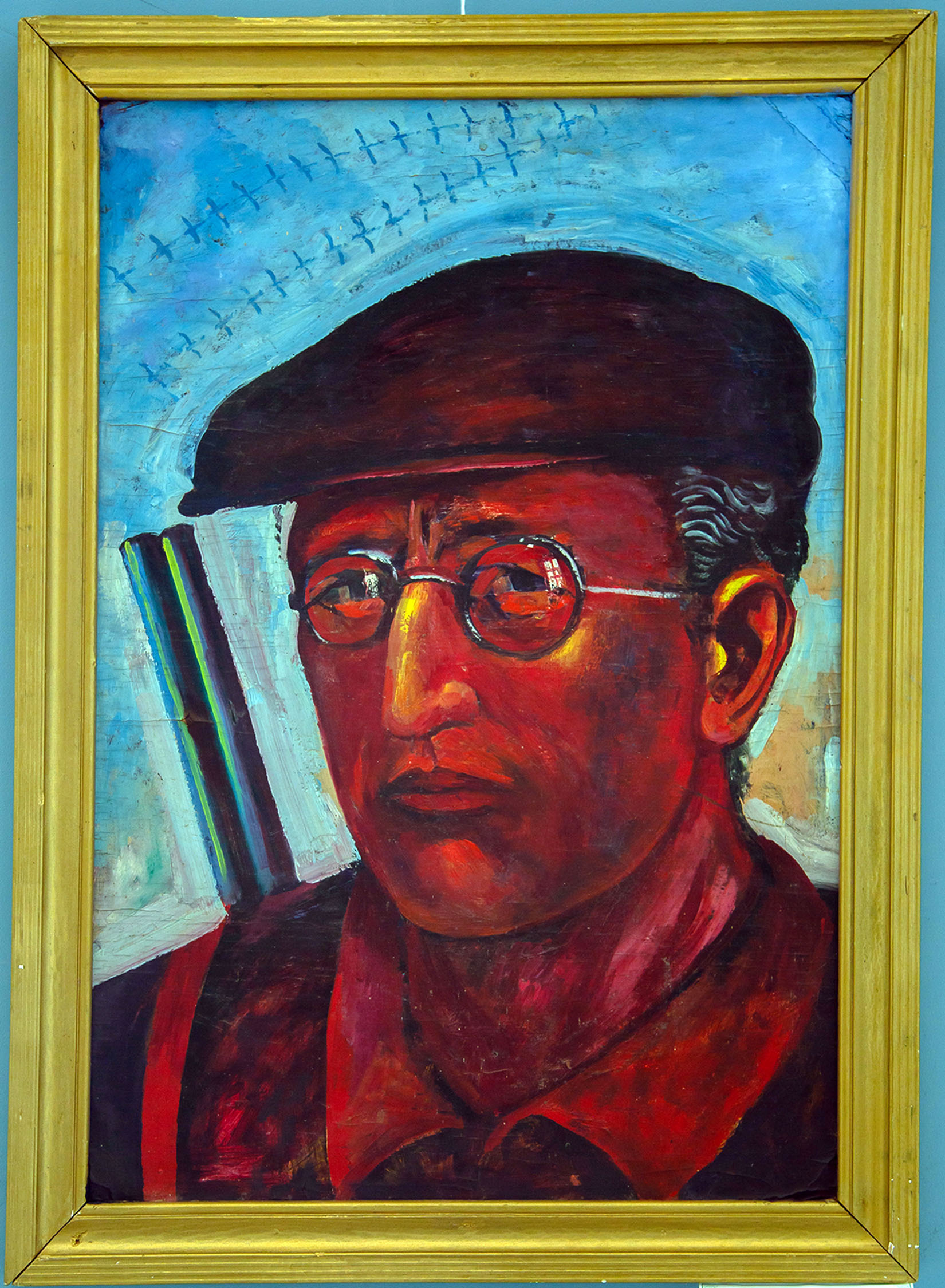
The second fact concerns Hoshgeldi’s niece, Cheper Durdyyeva. At the insistence of the family, she donated approximately 2,500 of Hoshgeldi Shakhberdiyev’s paintings and graphic works to the collection of the State Museum of Fine Arts of Turkmenistan. It is both heartening and astonishing to consider how the artist managed to create so many works during such a short life.