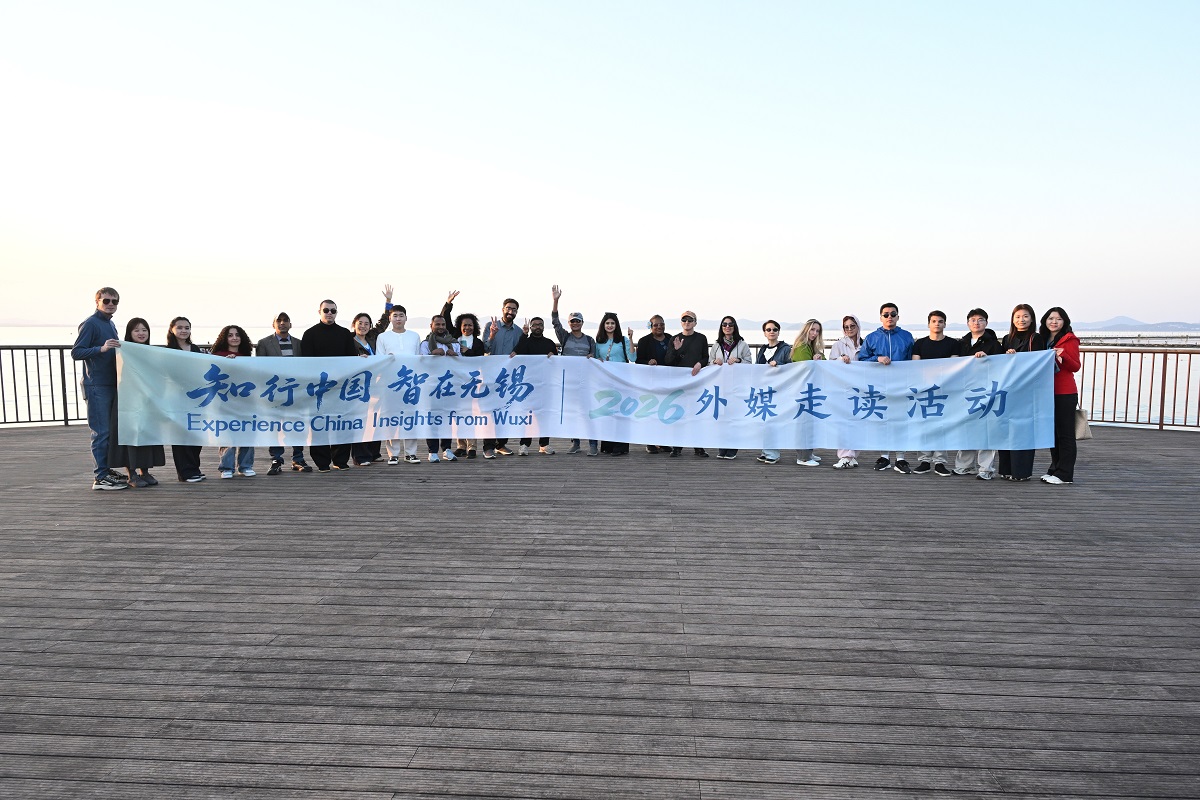



China’s modern model of economic and technological development is distinguished not only by its powerful industrial capacity but also by the harmonious combination of centuries-old cultural heritage and digital innovation. A vivid illustration of this was an international press tour organized in the city of Wuxi and its surrounding areas in Jiangsu Province, one of the largest industrial and cultural centers of the People’s Republic of China. The event was held as part of the international educational program “CIPCC – 2026”, taking place in China.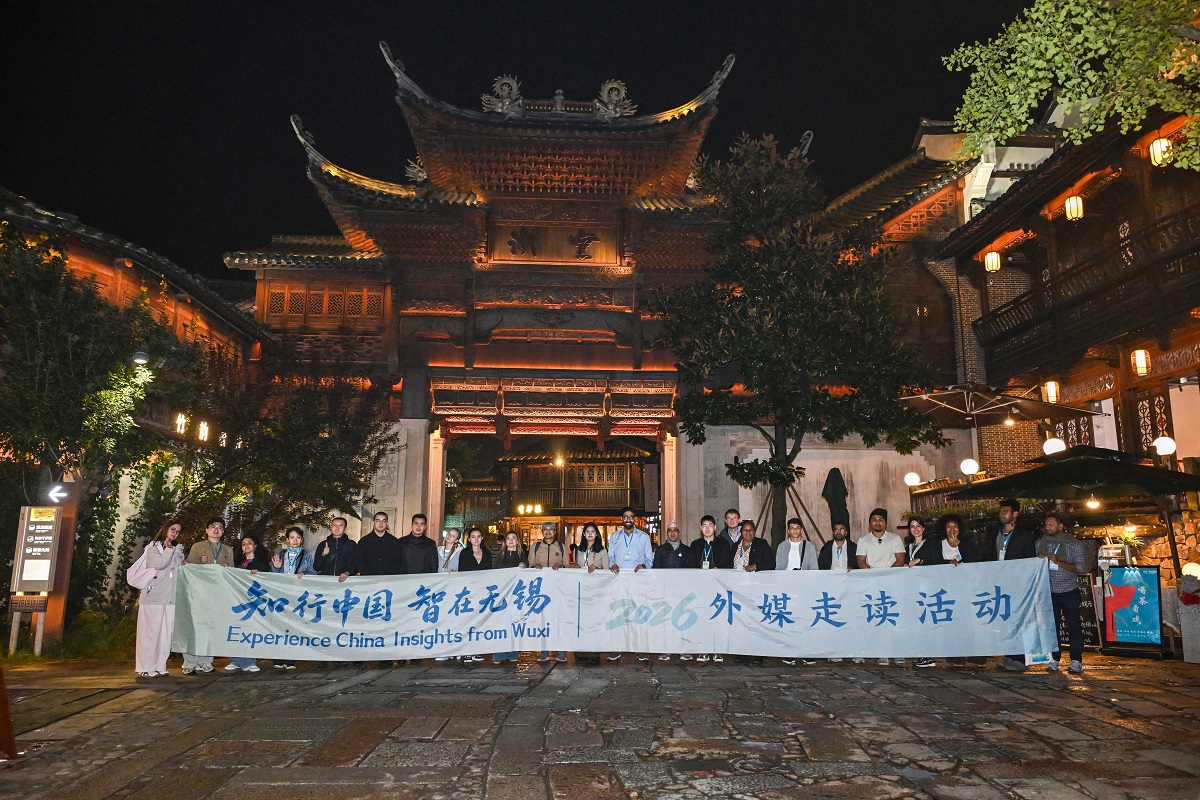
Over the course of three days, from October 28 to 30, a group of international journalists had the opportunity to gain an in-depth understanding of the province’s progress in the digital economy, sustainable tourism, advanced technologies, and traditional crafts. The participation of a representative of the Turkmen media in the event provided further evidence that the political, economic, and cultural ties between Turkmenistan and China, rooted in a centuries-old history, continue to develop successfully today.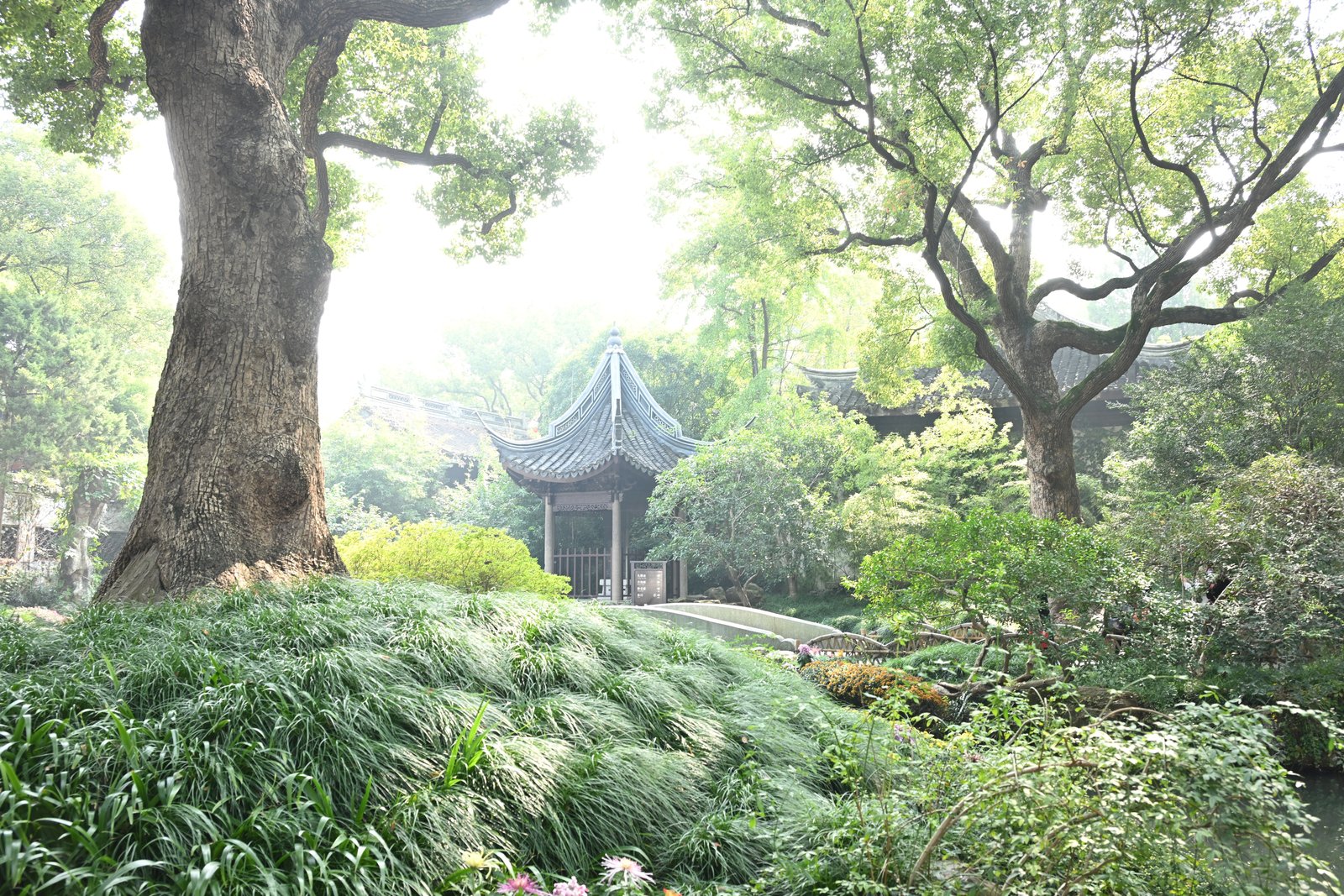
The first day of the program began with a visit to the Baishili Bicycle Service Center, located on the scenic shore of Taihu Lake in Binhu District. Established in a former industrial building, the center is a multifunctional space combining tourism, recreation, and business activities. It serves as a striking example of government policy aimed at developing a “green economy” and environmentally friendly transport infrastructure in the region.
The program continued with a special event entitled “Nianhua Xuyuan”, held at Fantian Flower Sea and dedicated to the works of Wang Wei, a poet of the Tang Dynasty. The event demonstrated how poetry can be harmoniously combined with drones and digital technologies to promote ancient cultural heritage.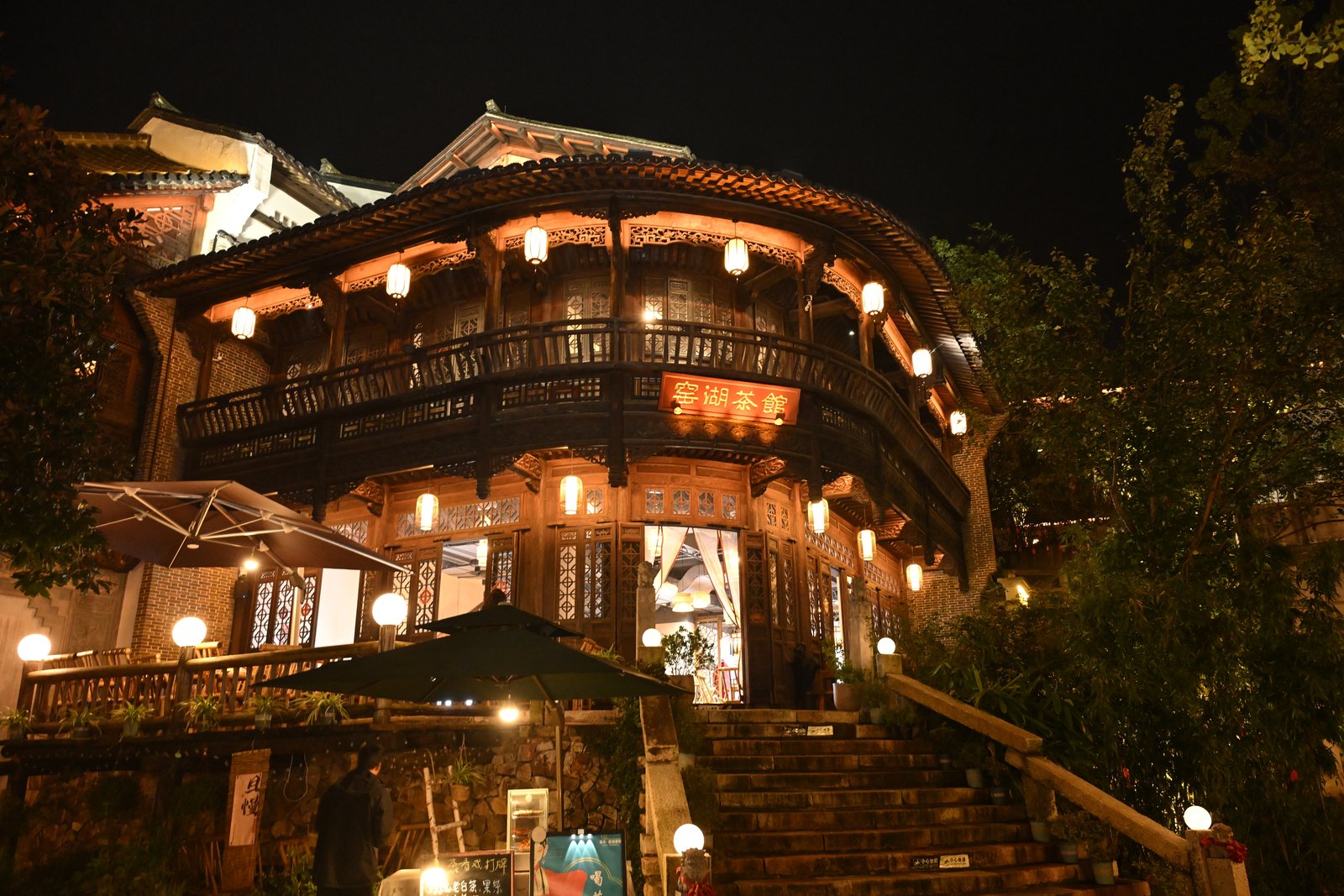
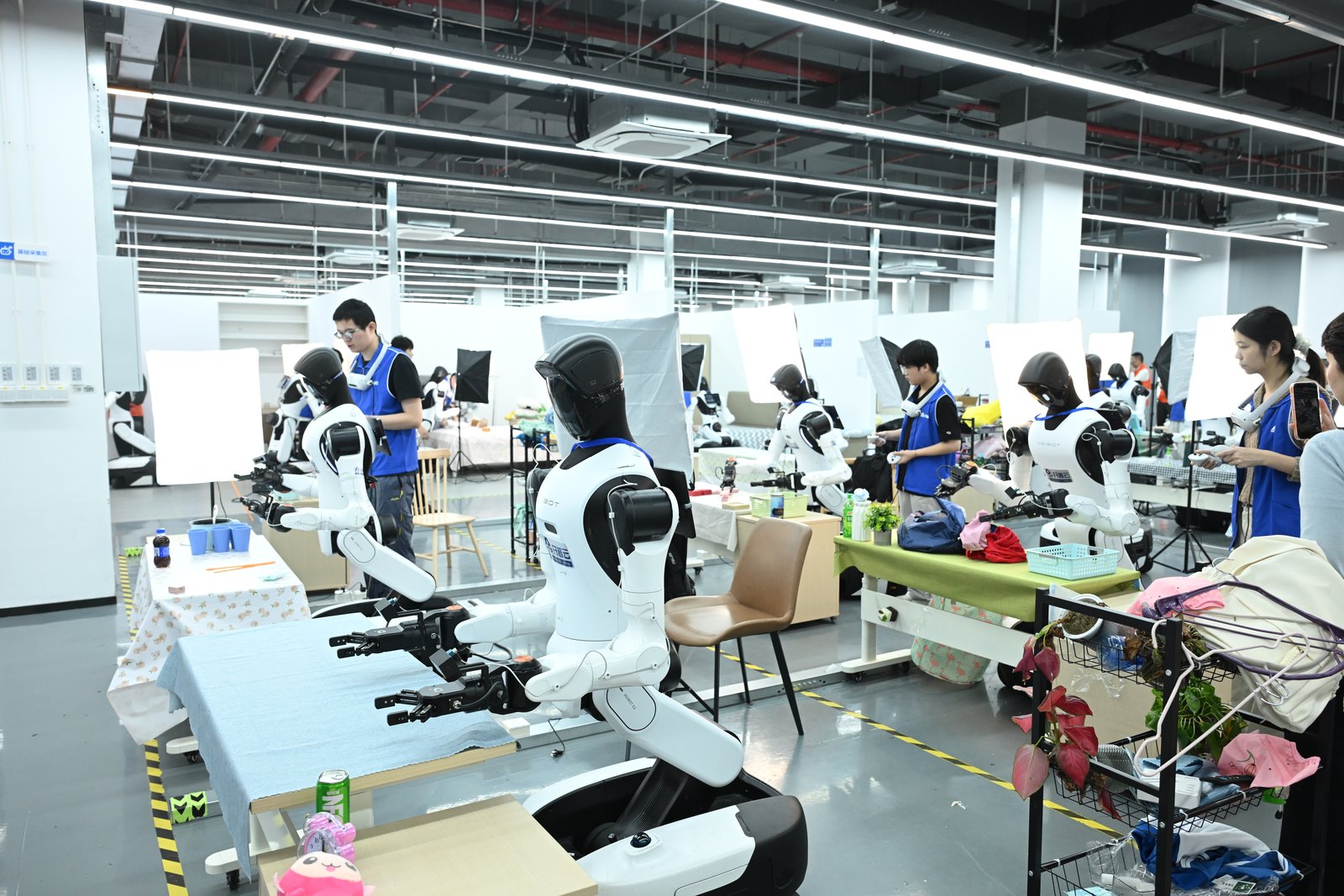
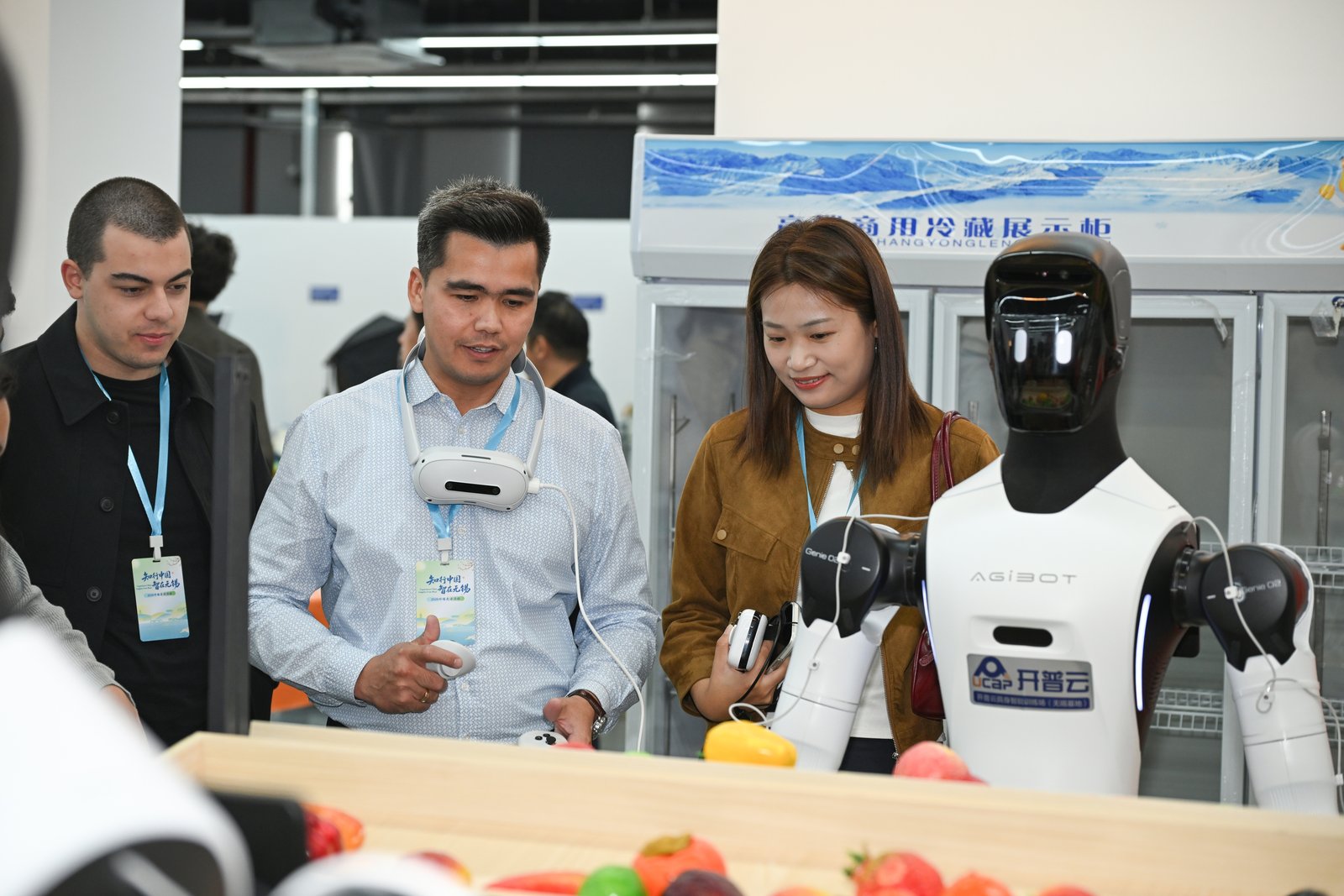
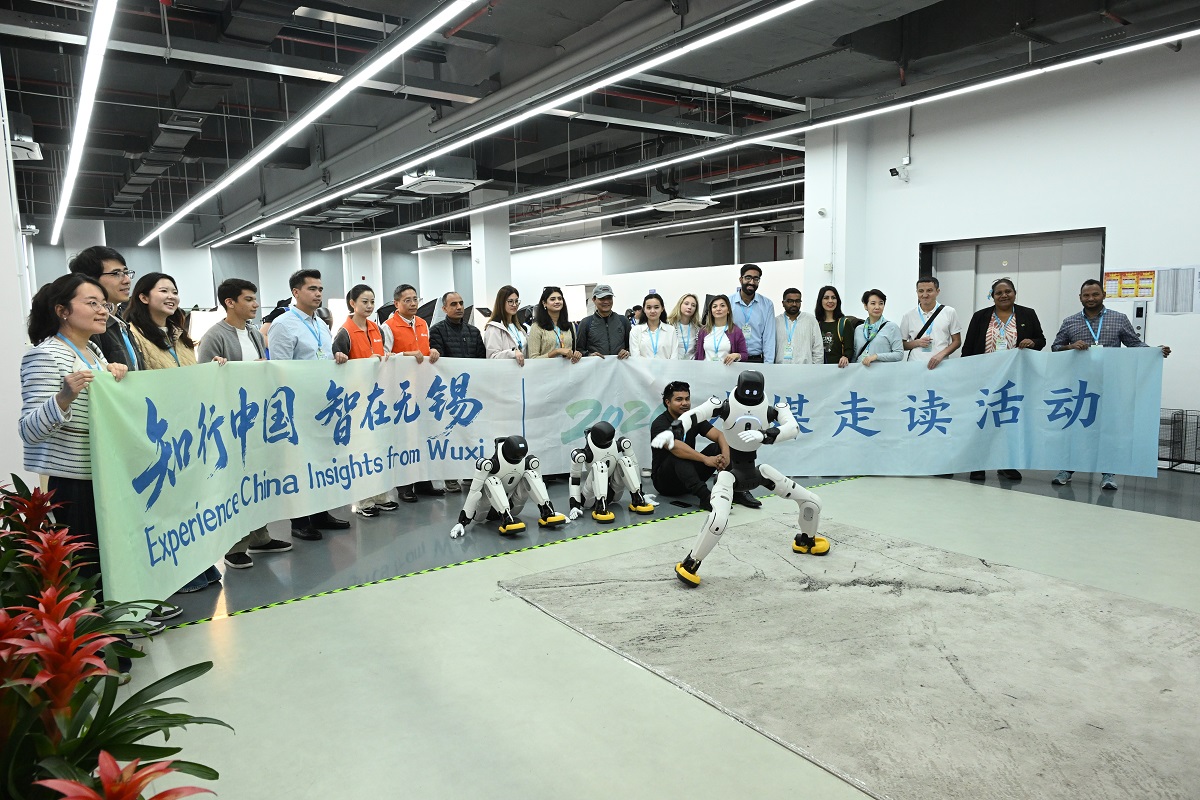
The second day of the press tour focused on digital transformation and innovative manufacturing. Media representatives were particularly impressed by their visit to Puying Information Technology, a company located in Huishan District. The company’s work on developing a standardized database for artificial general intelligence (AGI) and artificial intelligence algorithms is strengthening China’s position in the global digital economy. Today, the digitalization of the economy and the integration of robotic solutions into manufacturing processes are among the main driving forces behind the region’s industrial development.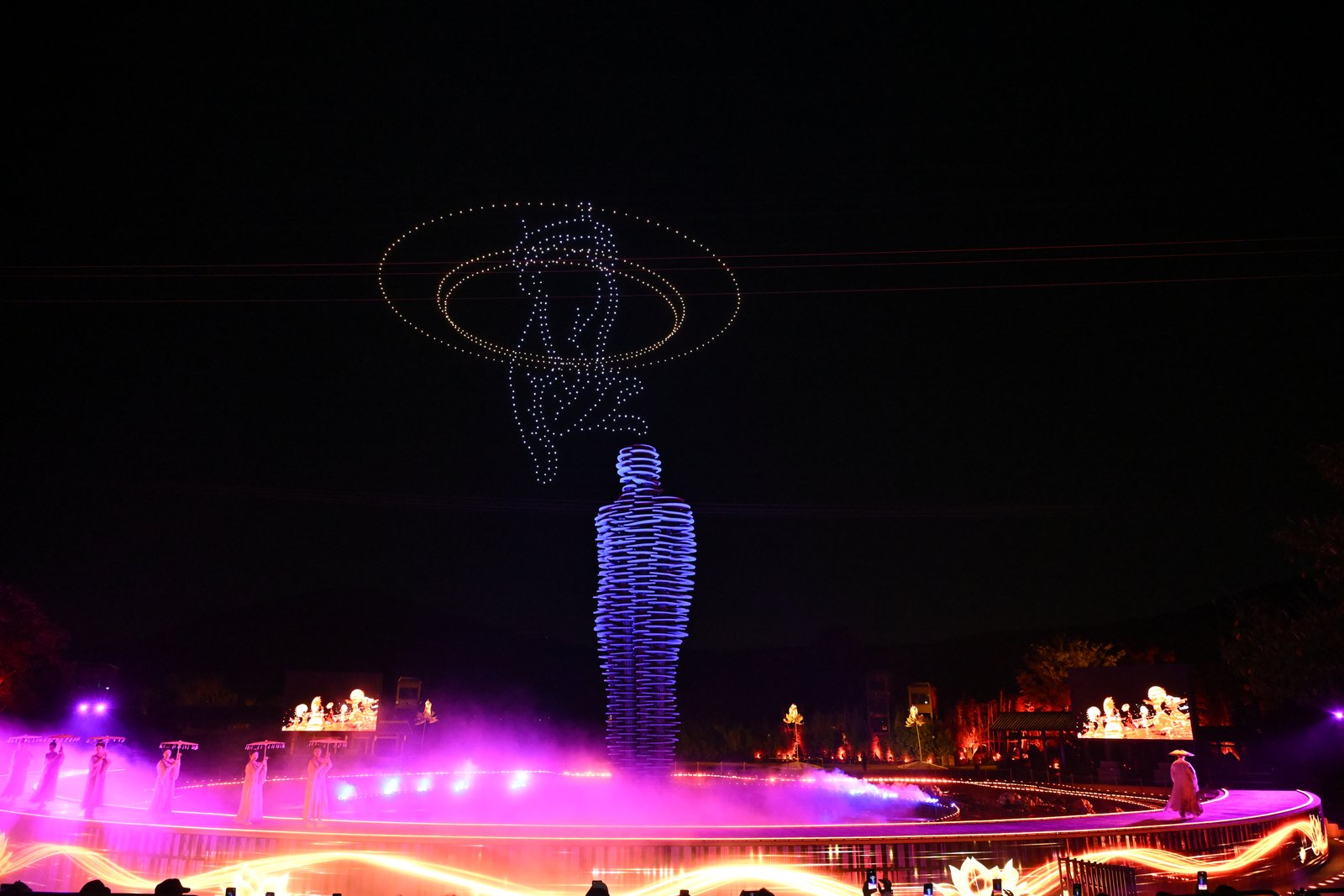
In the afternoon, the journalists visited the Xu Xiake Journey Theme Park in Jiangyin. Established to preserve the historical legacy of Xu Xiake, the great Chinese geographer and traveller, the site is of considerable public and cultural significance, as it helps pass on to younger generations the memory of the scholar and the spirit of his scientific exploration.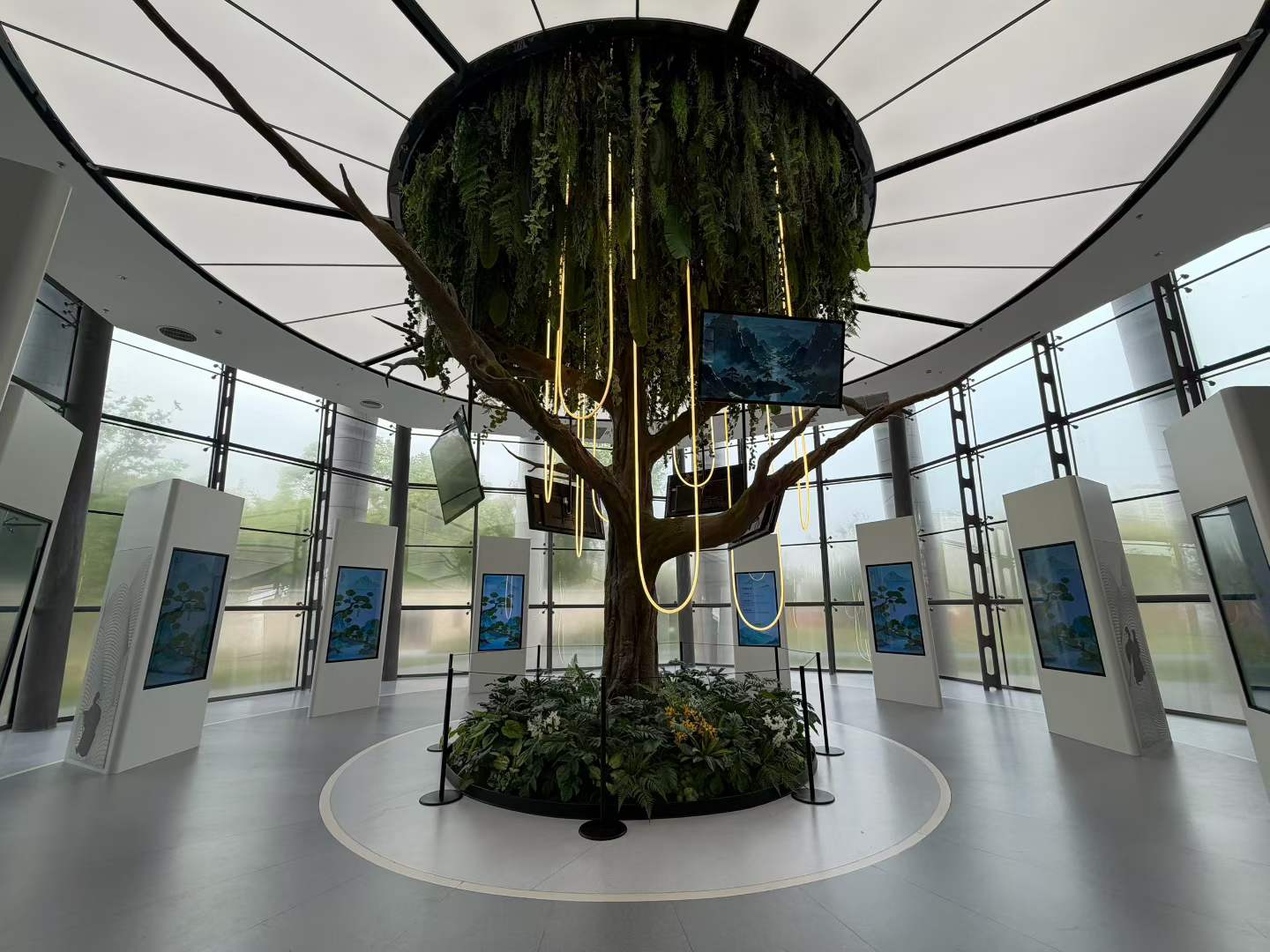
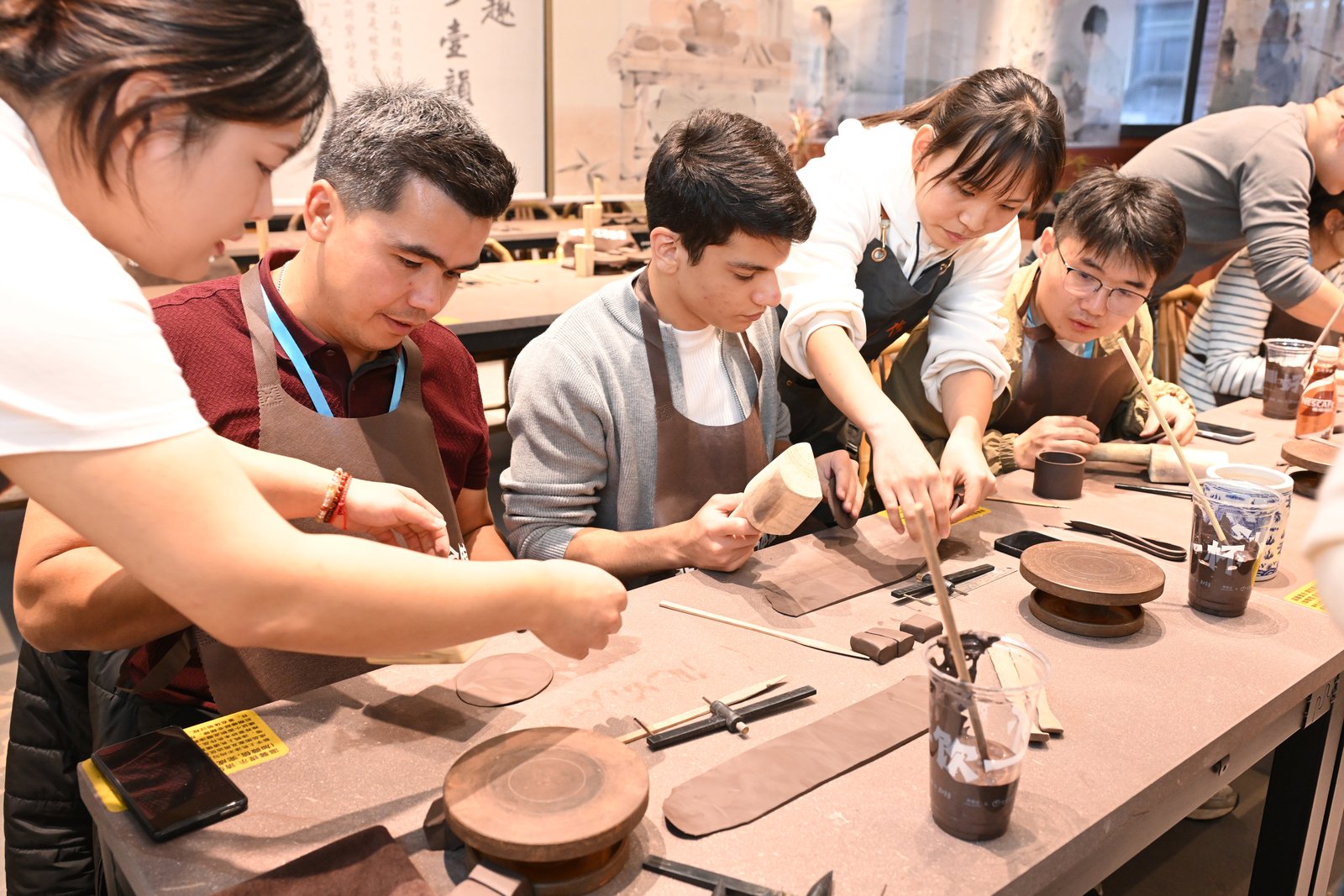
The program then continued with a visit to the workshops of a ceramics factory in Yixing. At the Zisha pottery workshop, located on the grounds of the Second Ceramics Factory, journalists were introduced to government programs aimed at preserving the country’s intangible cultural heritage and passing traditional crafts down from generation to generation.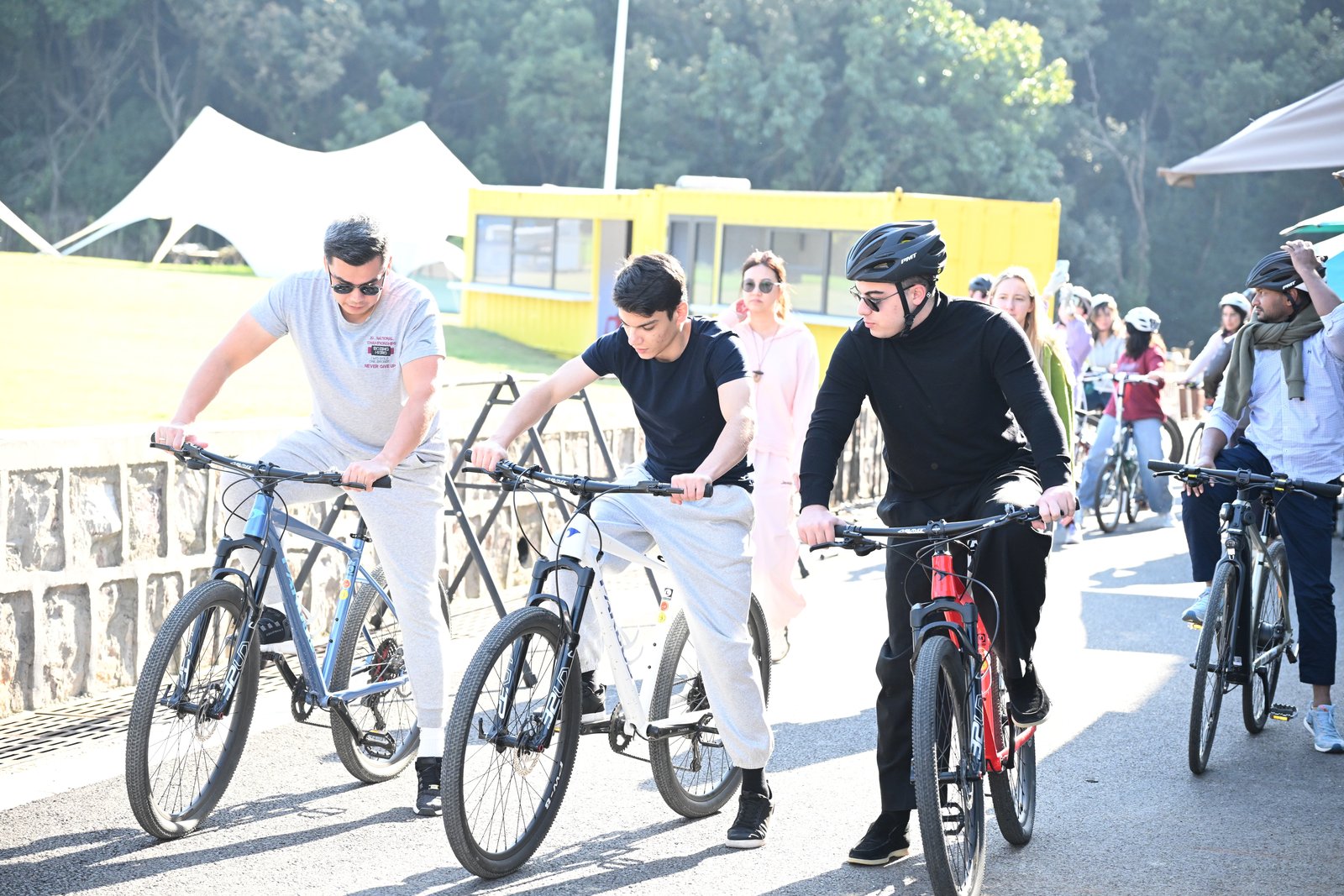
On October 30, the final day of the visit, the group of international journalists took an excursion to the ancient town of Huishan, one of China’s nationally designated tourist areas. Located along the Beijing - Hangzhou Grand Canal, this historic town is an open-air museum featuring numerous architectural and cultural monuments protected by the state.
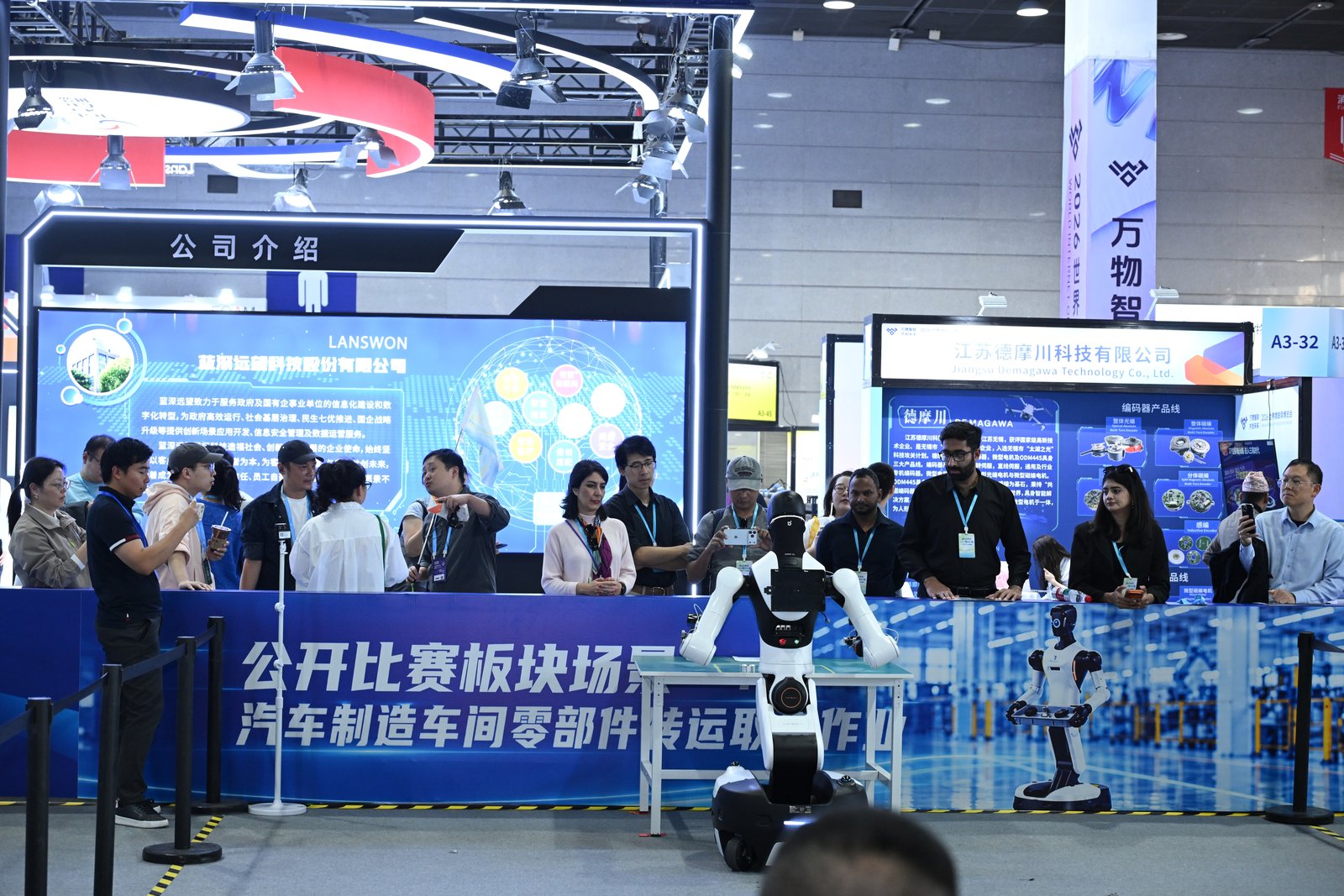
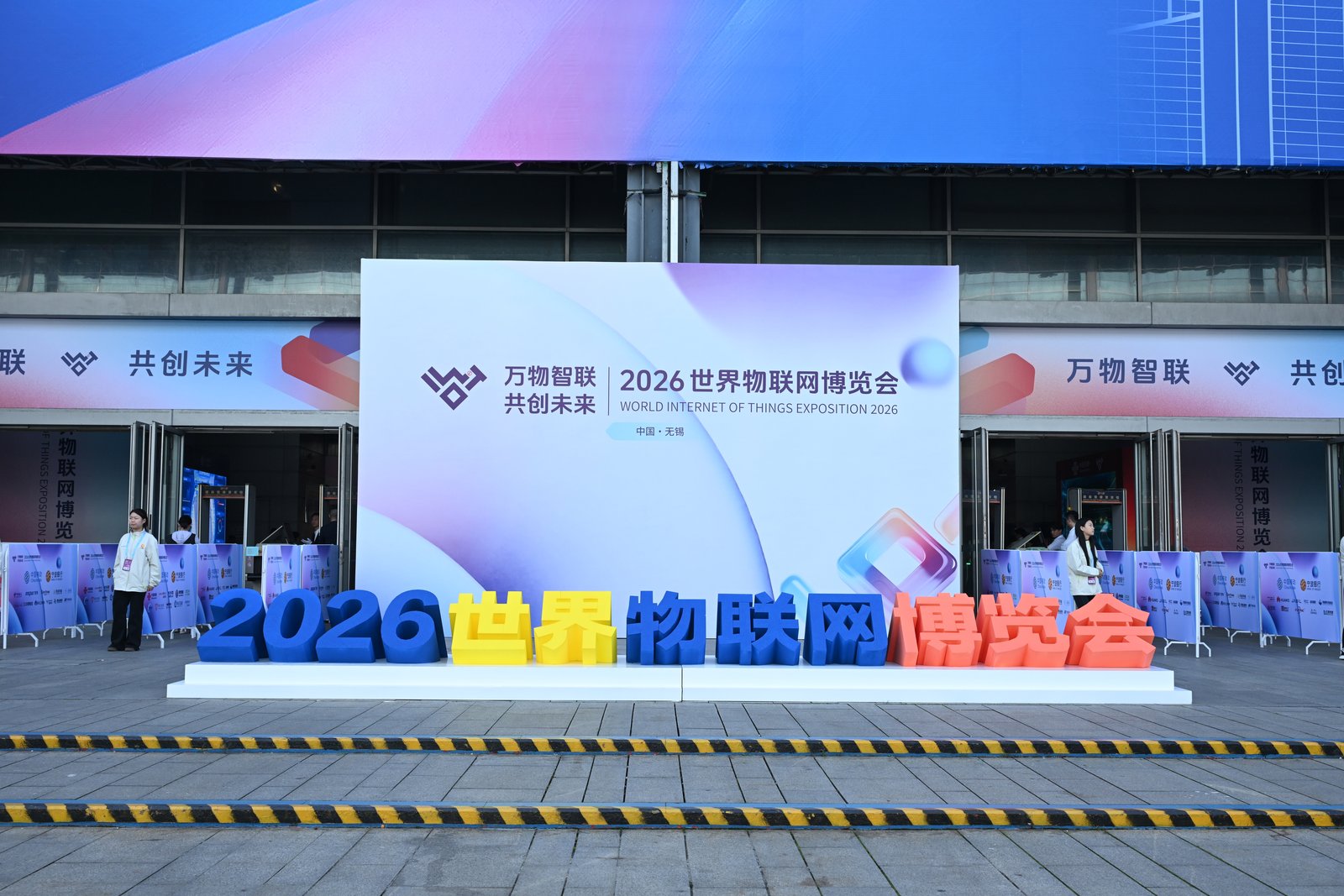
The visit concluded with a tour of the exhibition pavilions at the World Internet of Things Exposition (WIoT) 2026. Held at the Wuxi International Conference Center and the Taihu International Expo Centre, the international event, under the slogan “Intelligent Connectivity, Shared Future”, presented the region’s innovative potential and achievements to the global community.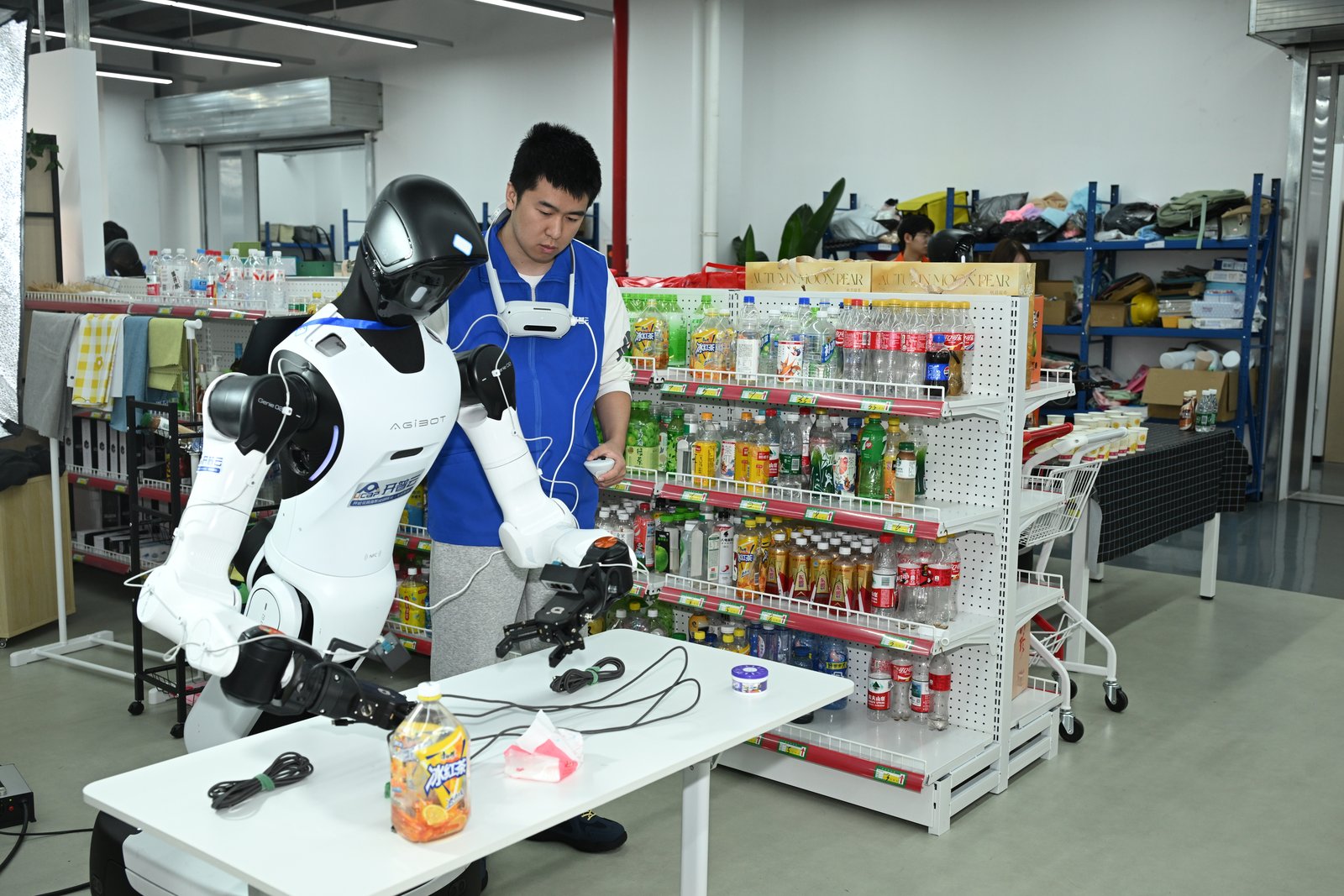
The international press tour to Wuxi provided a vivid illustration of the multifaceted nature of the region’s development strategy. Respect for historical and cultural heritage, the promotion of eco-tourism, and the widespread introduction of advanced digital technologies into manufacturing are enabling China to successfully implement its own model of political and economic development, one oriented towards a sustainable future.