


The third and final stage of the Russian-Turkmen Margiana archaeological expedition, which took place in September and October of this year on the territory of the famous Bronze age monument of Gonur-depe, has been completed.
The research was conducted jointly by specialists from the Department for the protection, Study, and Restoration of Historical and Cultural Monuments of Turkmenistan and the «Ancient Merv» State reserve, with the participation of colleagues from the Institute of ethnology and anthropology named after N.N. Miklouho-Maclay of the Russian academy of sciences (IEA RAS) and the Institute of the history of material culture of the RAS.
The next field season has yielded a number of valuable finds. The main discovery was the first discovery of a group of five consecutive burials. This is a multi-temporal complex that was created in stages. The graves were built one after another. Two adults and a child were buried in them one after another, and their burial turned out to be the richest in terms of the number of accompanying burial goods.
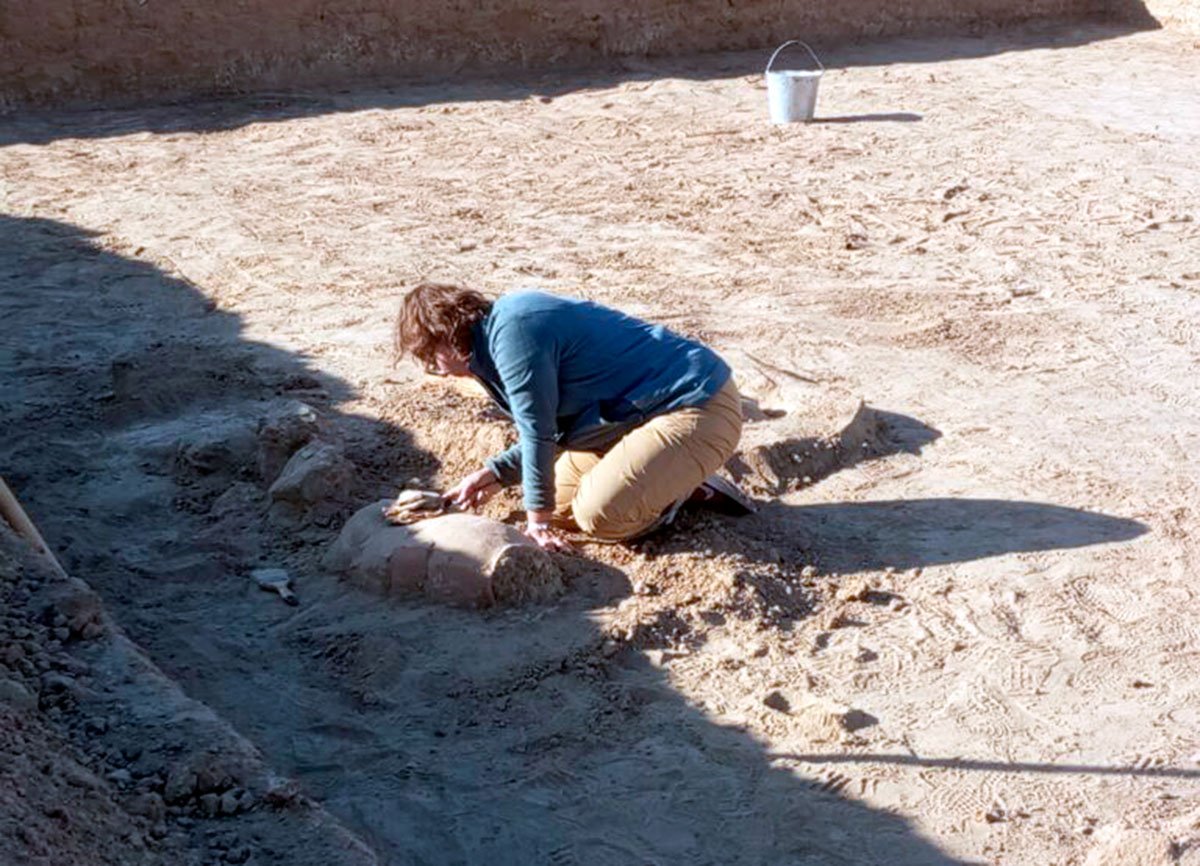
Overall, according to Nadezhda Dubova, doctor of historical sciences and head of the expedition, the season turned out to be quite successful. In total, about 160 finds were discovered during the excavations, 27 of which were ceramic vessels. Among the most interesting artifacts, the Russian anthropologist and archaeologist highlighted a rare bronze agricultural tool, as well as woodworking tools – a chisel and a gouge.
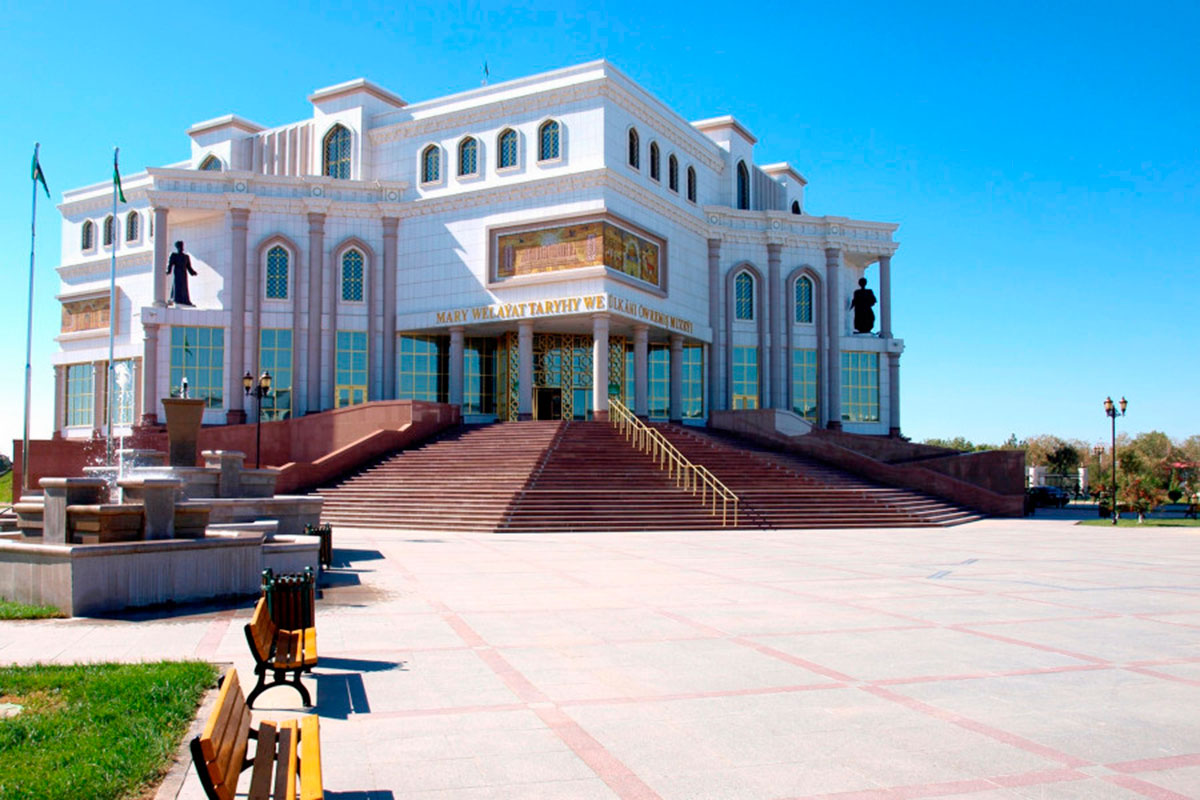
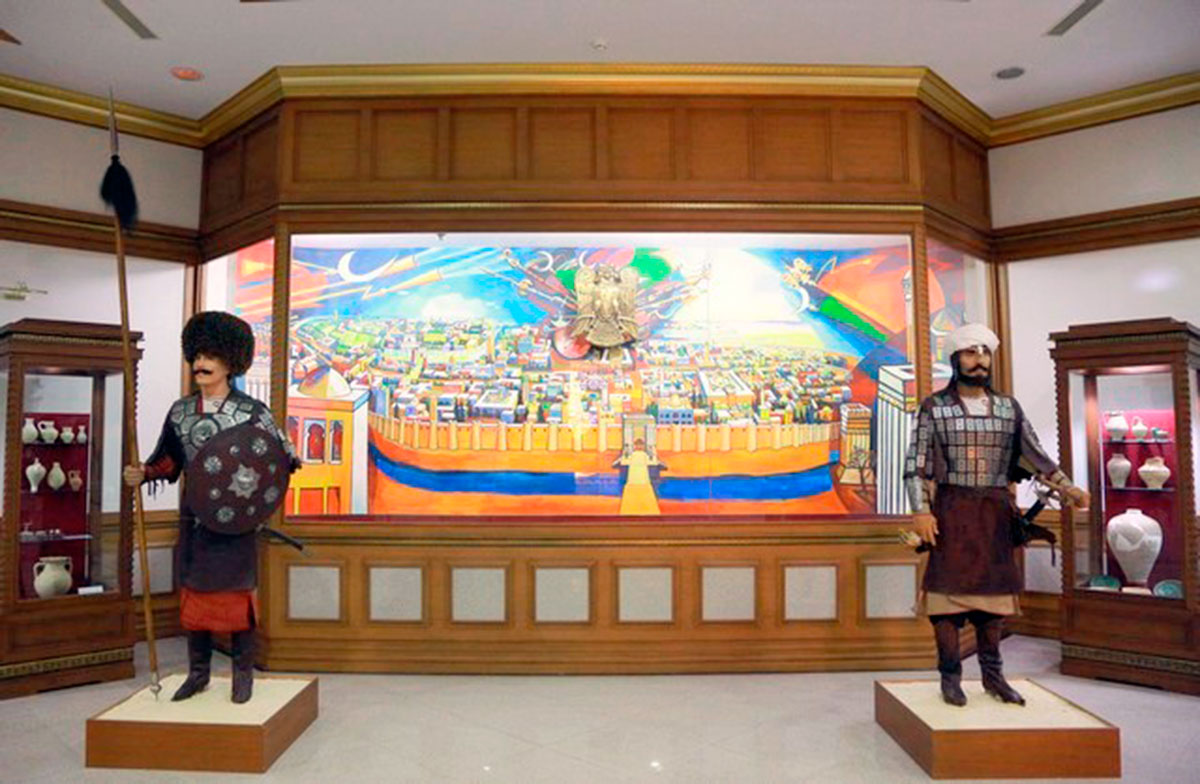
After completing fieldwork, research on the items found in the land of Margush continued at the Mary velayat Museum of history and local lore and at the State museum of the State cultural centre of Turkmenistan in Ashgabat.
The aim of these studies is to compile a catalogue of all objects discovered in the ancient delta of the Murgap river. The electronic version of the first edition of the catalogue, entitled «Large stone products of Margiana», was published back in 2021. As noted in the publication, the monuments of Margiana are currently among the most striking and extensively studied within the Bactrian-Margiana archaeological culture (BMAC).
The first part of the first issue summarises information on three groups of objects characteristic of the BMAC: miniature stone columns, disks, and scepters (staffs), which are stored in museums in Turkmenistan and Russia. In addition, the book provides brief information about Margiana itself. This work opens a series of publications on finds from the territory of the ancient country known in the «Avesta» as Moura, in the Behistun inscription as Margush, and by ancient authors as Margiana. The publication is intended for both specialists in archaeology and history of the Ancient East, and for a wide range of readers.
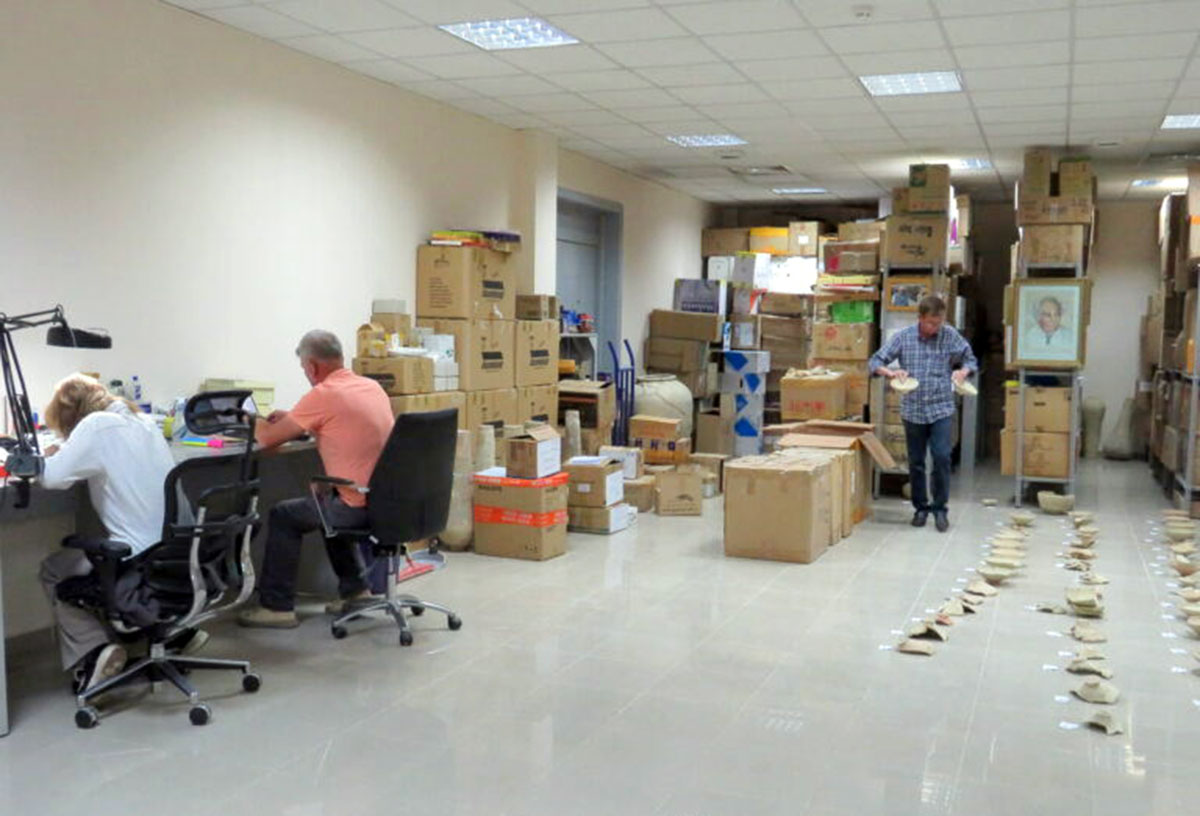
A distinctive feature of the 2024 and 2026 field seasons was the increased attention paid to ceramics – objects that in most cases serve as the basis for characterising archaeological complexes. The number of archaeologically intact specimens of such items stored in the aforementioned museums amounts to tens of thousands of units.
Each item is described according to a strict diagram, photographed and sketched. The expedition also plans to create 3D electronic and then plastic copies of the unique finds.
Restoration became an important area of work. At the Museum of fine arts of Turkmenistan in Ashgabat, with the participation of artist-restorer Galina Veresotskaya of the State scientific research institute of restoration (GOSNIIR, Russia), the analysis and study of unique Gonur mosaics, comprising many thousands of fragments, continued. The specialist carried out a detailed examination of the collection, strengthening and gradually gluing individual tesserae. This painstaking process allowed the artifacts to be stabilised and prevented further deterioration.
Fruitful collaboration between Turkmen and Russian specialists helps preserve the priceless cultural heritage of the ancient country of Margush and strengthens friendly ties between the countries. Continuation of archaeological excavations at Gonur-depe is planned for the spring of 2027.