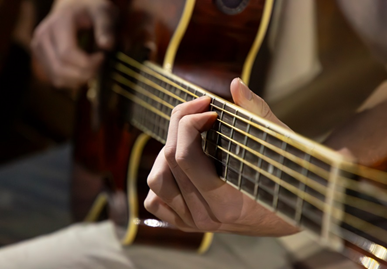



Sources of the Turkmen theater originated more than a thousand years ago in the form of “the art of dramatic singing.” The creators of this art are bakhshi. They composed their lyric works, and performed them to the accompaniment of dutar, illustrating certain moments in songs by various gestures and mimic scenes. Bakhshi often united in a kind of “trio” or “quartet”, and their performances often had the nature of original theatrical performances. But the dramatic art in Turkmenistan appeared only in the late 20's of the last century.
Today, among many “adult” theaters in the country, the Turkmen State Puppet Theatre also functions as an equal among equals. Its activity is primarily addressed to young viewers. It is worth mentioning that the puppet theater is one of the first stages in the development of theater in general. It is originated from ancient cultures of the East. From time immemorial, it was known about art of puppeteers in Turkmenistan. But there was no puppet theater in the country before. Sometimes, performances were shown by puppeteers-guest performers. These performances were very popular. When did the first Turkmen Puppet Theatre appear? Documents of the Central State Archive of Turkmenistan tell about the origins of the national puppet theater.
The first performance of the Puppet Theatre took place 85 years ago, in 1928 in one of the Turkmen villages, and was intended for adults. Its organizers considered the Puppet Theatre as a new form for our land of cultural-mass work among population. The pioneers in new activity became the translators T.Muradov and A.Yurtaev. They were not actors, but knew the Turkmen language, local dialects, popular facetious sayings and jokes. And so, before the astonished villagers, keeping the outward calm, “the artists” – puppets appeared on “stage” - a large slotted field tents. Playing the familiar characters - peasant, mirab, jarchi, policeman, doctor, and in addition to that - shaitan and Punch-host, the puppets swung their arms in a funny way, loudly bickering.

Surprise of the audience gradually gave a way to understanding of events. They started to recognize “heroes” and their jokes provoked burst of laughter and flavor of the public. The performance was devoted to issues of public health in the village and had a specific plot. However, in the course of action, the scenario borders have expanded significantly, replenished with everyday scenes. Puppets sang popular songs, played jokes about Kemine, entered into free and easy conversation with the audience, answered the questions of viewers, and gave the cue to their comments. And eventually, they won full confidence of the population. As the magazine “Turkmenovedenie” wrote: “Success was so that the crowd of residents of the nearest Turkmen villages located on the Persian territory hurry to last performances.”
With the emergence in same year of 1928 of Ashgabat Drama Studio, which soon, was the base for the first Turkmen State Drama Theatre, it was started the professional training of actors not only in theatre, but also puppet arts. Among the first Turkmen puppeteers, it is worth mentioning the artists Anna Ovezov, Kulkeshi Kulmuradov, Kalpak Herrayev, Ovadan Atayeva. Subsequently, they became the leading lights of Turkmen stage. Talented actors and enthusiasts made the stage scenery, sewed and decorated puppets’ clothes, thought up new plays, and tirelessly rehearsed.
For a long time, the theater hasn’t its own premises. Majority of performances were shown on traveling through towns and villages. Fortunately, packing for travel took less time: “artists” - in the trunk, a screen - in a roll, and go straight to place, where the puppeteers were always waited impatiently.
In 30’s, the Turkmen State Puppet Theatre already had well-arranged economic mechanism and two creative groups - Turkmen (travelling) and Russian, serving for Ashgabat and other cities of the Republic. In 1937, the staff of the theater had 139 people: actors, production designers, musicians and technicians. And in 1939, the theater finally got its own building.
In those years, the popularity of puppeteers was high. Repertoire of the theater was made taking into account the best folk traditions of people of the world. And by the end of 30's, it had more than 25 productions, including “Tom Sawyer and others”, “Terem-teremok”, “Little Muk”, “Alibaba and 40 Thieves”, “Tale about brave Kekil,” “Shepherd and blind raven”, “Spellbound sword” and others. Besides, there was a puppet variety - dances, limericks, sketches. Repertoire of bakhshi of this puppet variety included more than 70 songs.
In severe war years, the Turkmen State Puppet Theatre didn’t stand aside as well. It widely used its ability to raise the spirits of the viewers. Those years, it was demonstrated the performances that reflected the people's struggle against fascist invaders, - “Public avengers”, “Flowers of revenge”, “Brown plague”, “Bayonet”. The creative team worked wholeheartedly, sparing no efforts and time for the sake of Victory.
Documents, telling about history of establishment and development of the Turkmen puppet theater, testify about its exceptionally noble role in the life of our adults and young countrymen. So, modern puppet theater, following glorious traditions of puppet histrionics, can be proud of its predecessor.
Today, among many “adult” theaters in the country, the Turkmen State Puppet Theatre also functions as an equal among equals. Its activity is primarily addressed to young viewers. It is worth mentioning that the puppet theater is one of the first stages in the development of theater in general. It is originated from ancient cultures of the East. From time immemorial, it was known about art of puppeteers in Turkmenistan. But there was no puppet theater in the country before. Sometimes, performances were shown by puppeteers-guest performers. These performances were very popular. When did the first Turkmen Puppet Theatre appear? Documents of the Central State Archive of Turkmenistan tell about the origins of the national puppet theater.
The first performance of the Puppet Theatre took place 85 years ago, in 1928 in one of the Turkmen villages, and was intended for adults. Its organizers considered the Puppet Theatre as a new form for our land of cultural-mass work among population. The pioneers in new activity became the translators T.Muradov and A.Yurtaev. They were not actors, but knew the Turkmen language, local dialects, popular facetious sayings and jokes. And so, before the astonished villagers, keeping the outward calm, “the artists” – puppets appeared on “stage” - a large slotted field tents. Playing the familiar characters - peasant, mirab, jarchi, policeman, doctor, and in addition to that - shaitan and Punch-host, the puppets swung their arms in a funny way, loudly bickering.
Surprise of the audience gradually gave a way to understanding of events. They started to recognize “heroes” and their jokes provoked burst of laughter and flavor of the public. The performance was devoted to issues of public health in the village and had a specific plot. However, in the course of action, the scenario borders have expanded significantly, replenished with everyday scenes. Puppets sang popular songs, played jokes about Kemine, entered into free and easy conversation with the audience, answered the questions of viewers, and gave the cue to their comments. And eventually, they won full confidence of the population. As the magazine “Turkmenovedenie” wrote: “Success was so that the crowd of residents of the nearest Turkmen villages located on the Persian territory hurry to last performances.”
With the emergence in same year of 1928 of Ashgabat Drama Studio, which soon, was the base for the first Turkmen State Drama Theatre, it was started the professional training of actors not only in theatre, but also puppet arts. Among the first Turkmen puppeteers, it is worth mentioning the artists Anna Ovezov, Kulkeshi Kulmuradov, Kalpak Herrayev, Ovadan Atayeva. Subsequently, they became the leading lights of Turkmen stage. Talented actors and enthusiasts made the stage scenery, sewed and decorated puppets’ clothes, thought up new plays, and tirelessly rehearsed.
For a long time, the theater hasn’t its own premises. Majority of performances were shown on traveling through towns and villages. Fortunately, packing for travel took less time: “artists” - in the trunk, a screen - in a roll, and go straight to place, where the puppeteers were always waited impatiently.
In 30’s, the Turkmen State Puppet Theatre already had well-arranged economic mechanism and two creative groups - Turkmen (travelling) and Russian, serving for Ashgabat and other cities of the Republic. In 1937, the staff of the theater had 139 people: actors, production designers, musicians and technicians. And in 1939, the theater finally got its own building.
In those years, the popularity of puppeteers was high. Repertoire of the theater was made taking into account the best folk traditions of people of the world. And by the end of 30's, it had more than 25 productions, including “Tom Sawyer and others”, “Terem-teremok”, “Little Muk”, “Alibaba and 40 Thieves”, “Tale about brave Kekil,” “Shepherd and blind raven”, “Spellbound sword” and others. Besides, there was a puppet variety - dances, limericks, sketches. Repertoire of bakhshi of this puppet variety included more than 70 songs.
In severe war years, the Turkmen State Puppet Theatre didn’t stand aside as well. It widely used its ability to raise the spirits of the viewers. Those years, it was demonstrated the performances that reflected the people's struggle against fascist invaders, - “Public avengers”, “Flowers of revenge”, “Brown plague”, “Bayonet”. The creative team worked wholeheartedly, sparing no efforts and time for the sake of Victory.
Documents, telling about history of establishment and development of the Turkmen puppet theater, testify about its exceptionally noble role in the life of our adults and young countrymen. So, modern puppet theater, following glorious traditions of puppet histrionics, can be proud of its predecessor.