


The “box” of car parked in front of our gate was full of the old small “garrygyz” melons, that have not yet completely turned yellow, looking like lambs. Moreover, they were loaded with soft grass between them and on the bottom, to prevent any damage. A price is moderate. I bought ten melons, which will definitely be stored until next spring, following the saying: “What is bought is cheap for the user and expensive for the reseller”
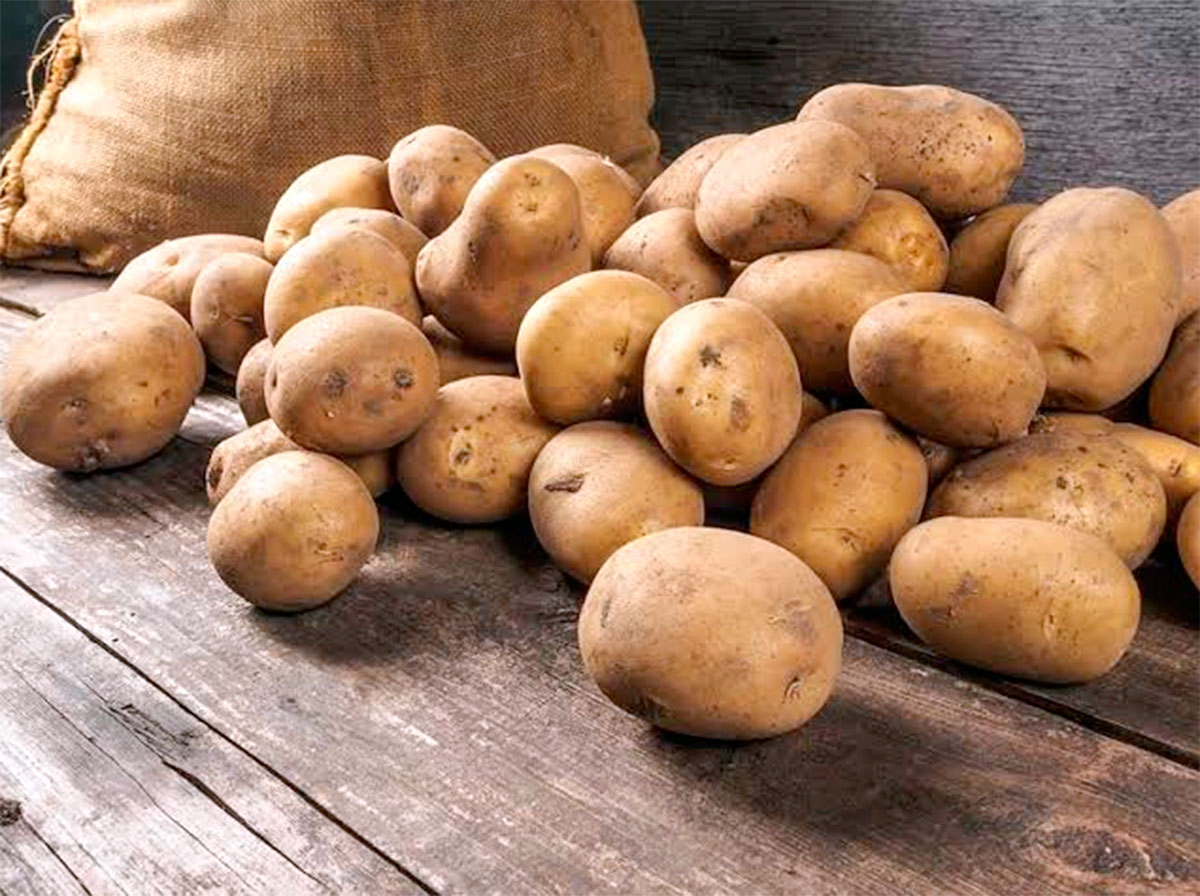
The salesman pulled two “hairy” terne out of a sack in the corner of the car and handed them to my grandson, who was standing next to me:
– I don’t sell it. I give it away for free every year. When the plantation is close to our village, I should leave everything as it is, but I collect healing plant so that nothing is lost. In fact, I went to distribute these ternes to people, and loaded these garrygyz as well, they are already ripe. Do not peel the skin, wash terne once or twice, let them eat in this state, its has a healing properties.
I didn't even ask the name of this amazing person, If he did it to become famous and brag, he would have given his name anyway. Being the culmination of all of our wonderful human qualities, of our traditions, firmly rooted in our minds and blood, this behavior peculiar for Turkmen people deserves a mention and a round of applause.
These are not just melon fruits that the old seller handed out for free as he drove through the villages. It was terne of Mizan (Scales) period. Why is it called that? Mizan is a period from 23 September to 22 October. This period has a special importance both in aspect of nature, and agriculture.
In the autumn when the soil moisture is increased, the crops, especially melons and gourds, revive, grow new, give leaves, that is, start to sprout. Autumn harvest, as if it feeling that the life power decrease, recollects its strength and starts to swell. And now this is not happening as fast as before, and the harvest saves all the energy needed to grow a melon. Before the end of the Mizan period, most of these seed-buds even if they haven't grown, manage to become juicy and sweet. The farmers call them “läşeki”. After the end of Mizan, the advent of Akrab (Scorpion), melon harvest is not preserved. The melon growers take the scarecrows away and leave the melon plantation. In Turkmen culture, it is not customary to leave the plantation empty. Peels, seeds, late seed-buds are left on the plantation. This does not upset the farmers, on the contrary, they are happy that the Mizan terne remains on the field. It is considered a medicine for many diseases, especially from diabetes, from stomach diseases, has a positive effect on the growth and development of children. Mizan terne would like to have them eaten. According to superstitions, they are considered as farmers’ “sadaka”, and are traditionally left on the field for cattle and boys who pasture cattle.
According to him, since the plantation is far from the village, he considers it his duty to collect the terne, lonely lying on the field, and distribute them to the people. May all the wishes come true, dozens of people like me pray that the charity of this generous person will be accepted, and that the next harvest be richer.
Muhammetberdi Annageldiyev