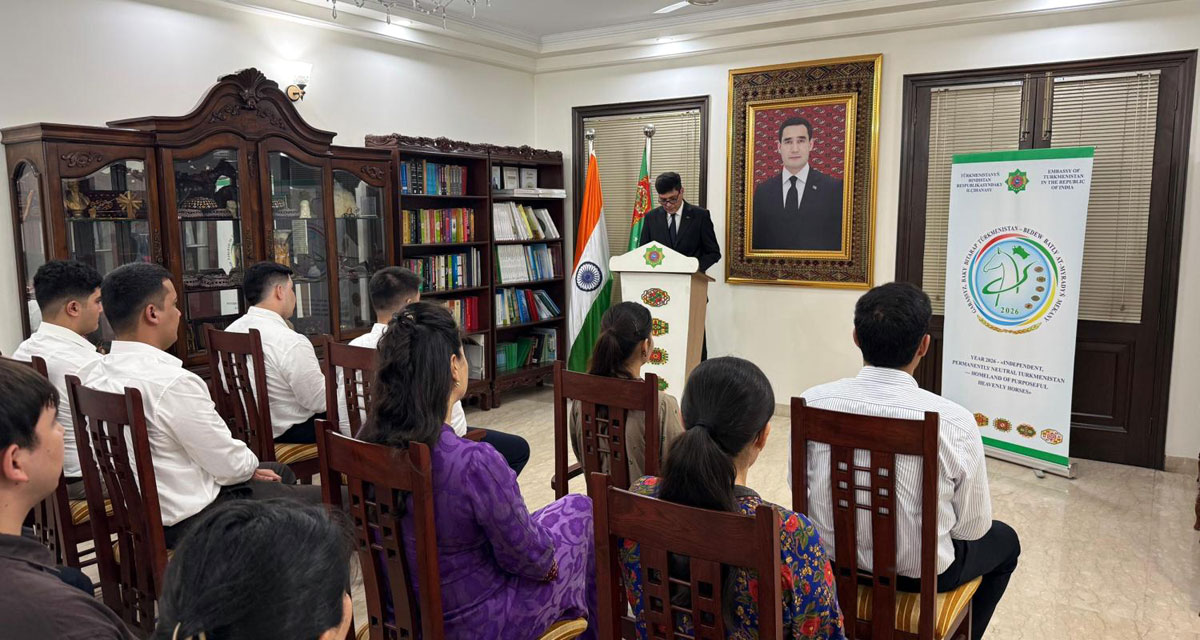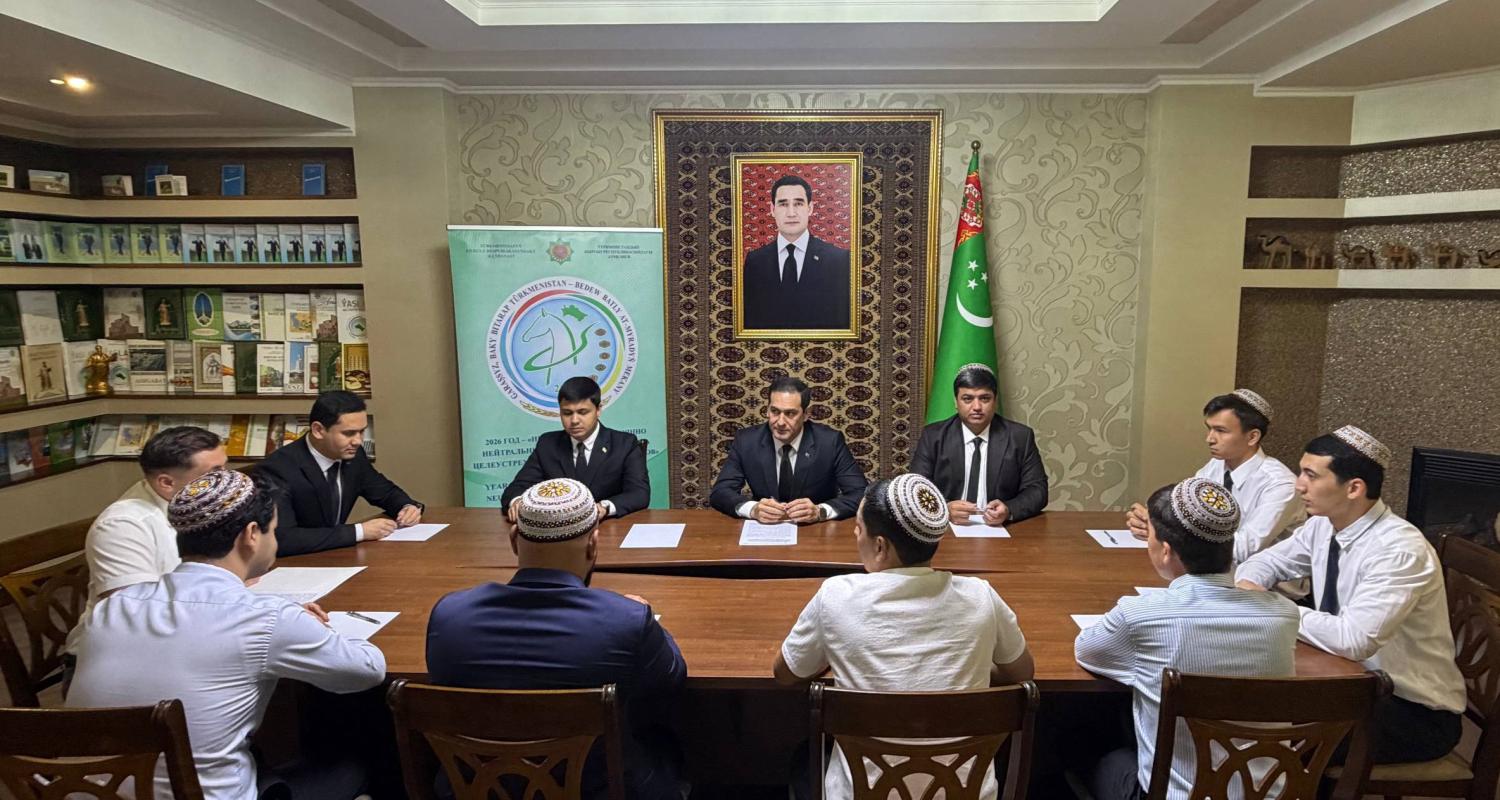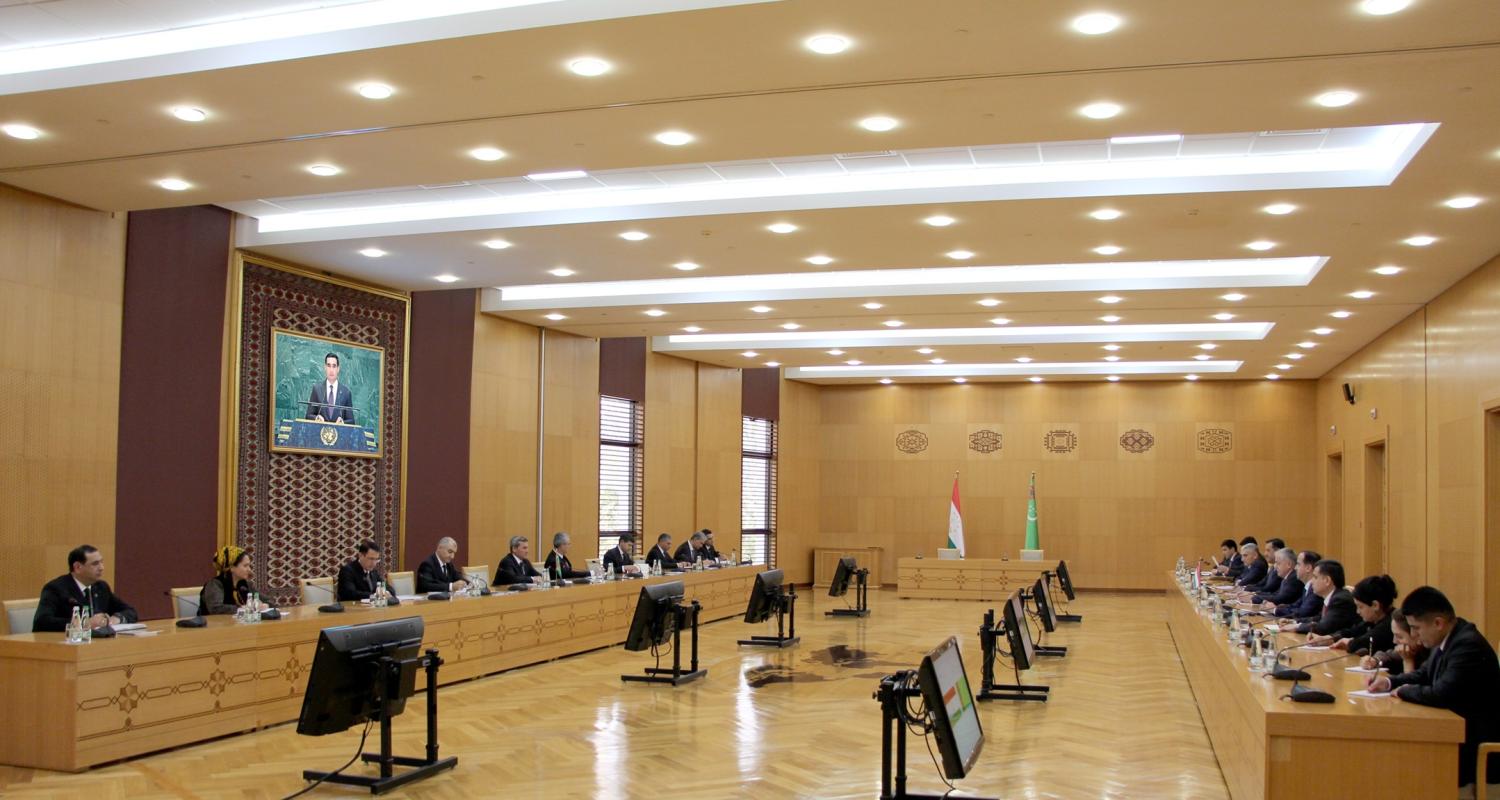



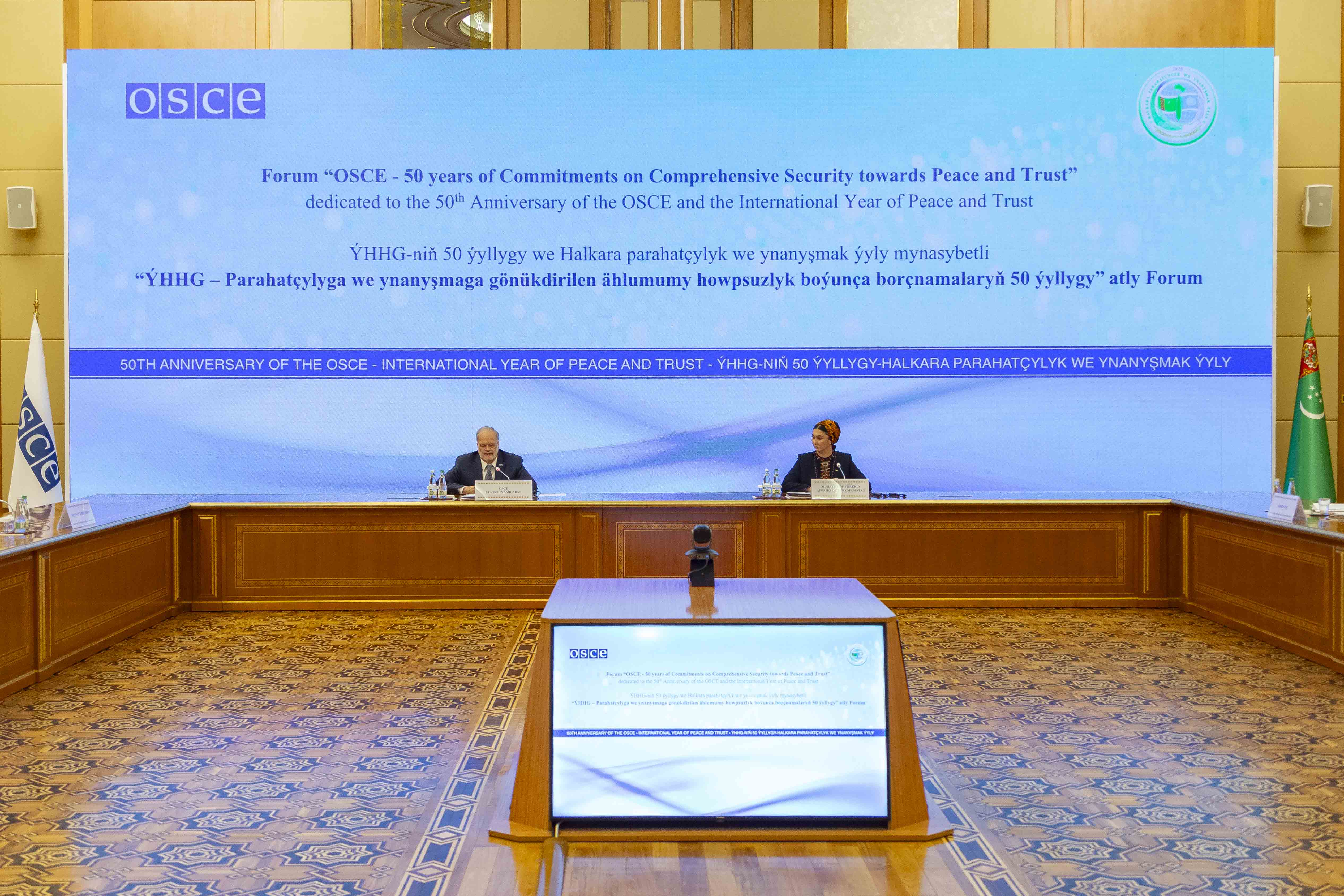
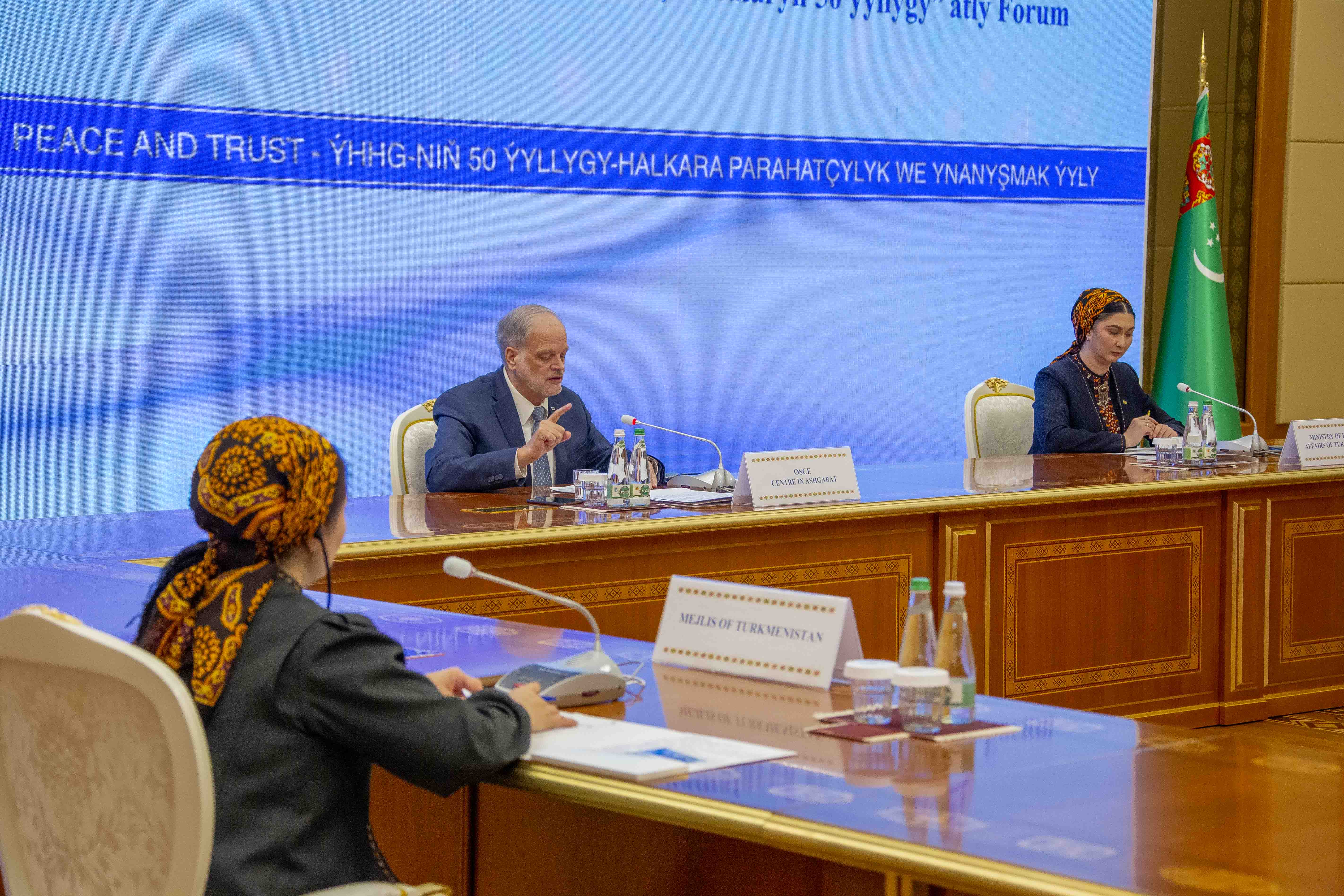


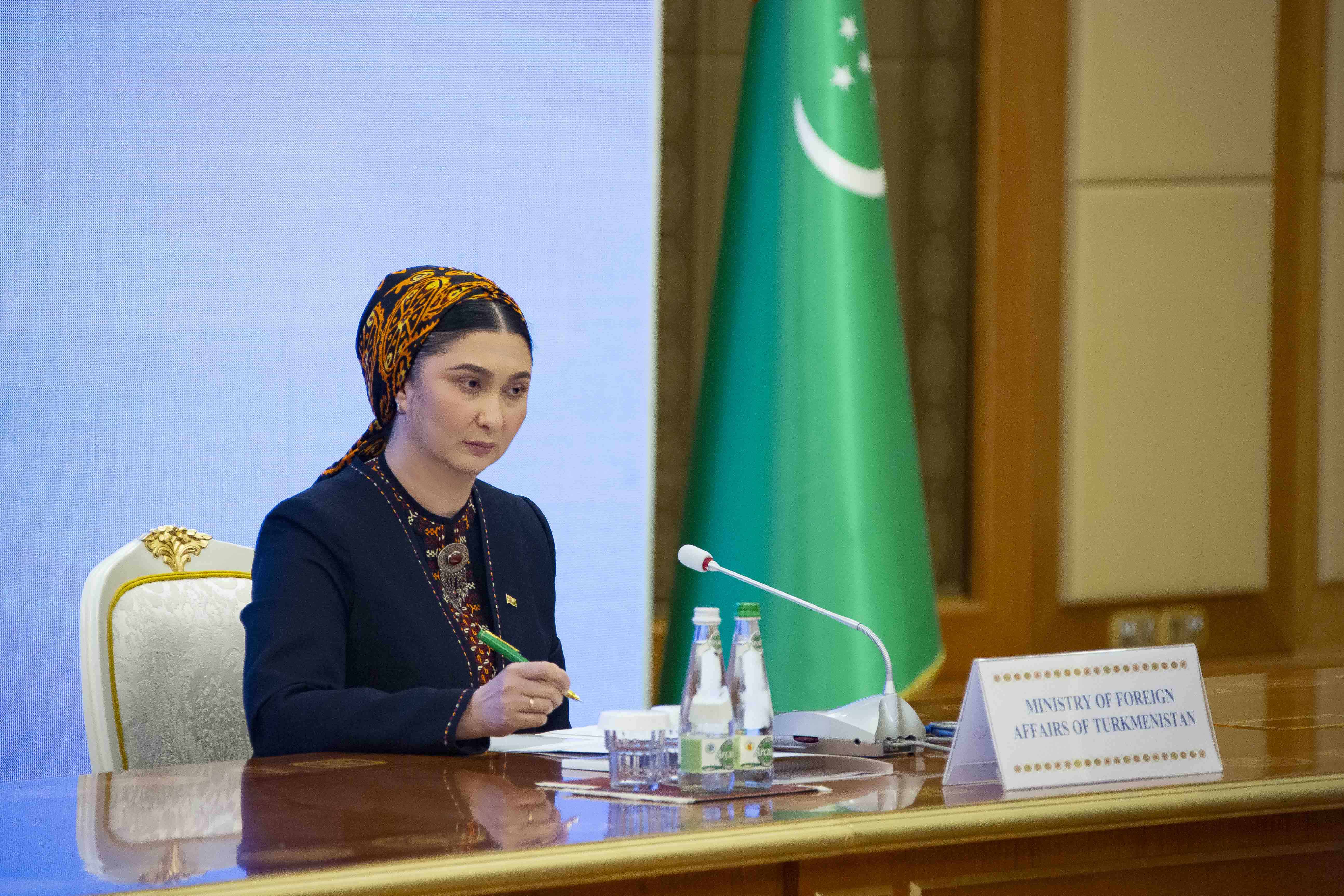
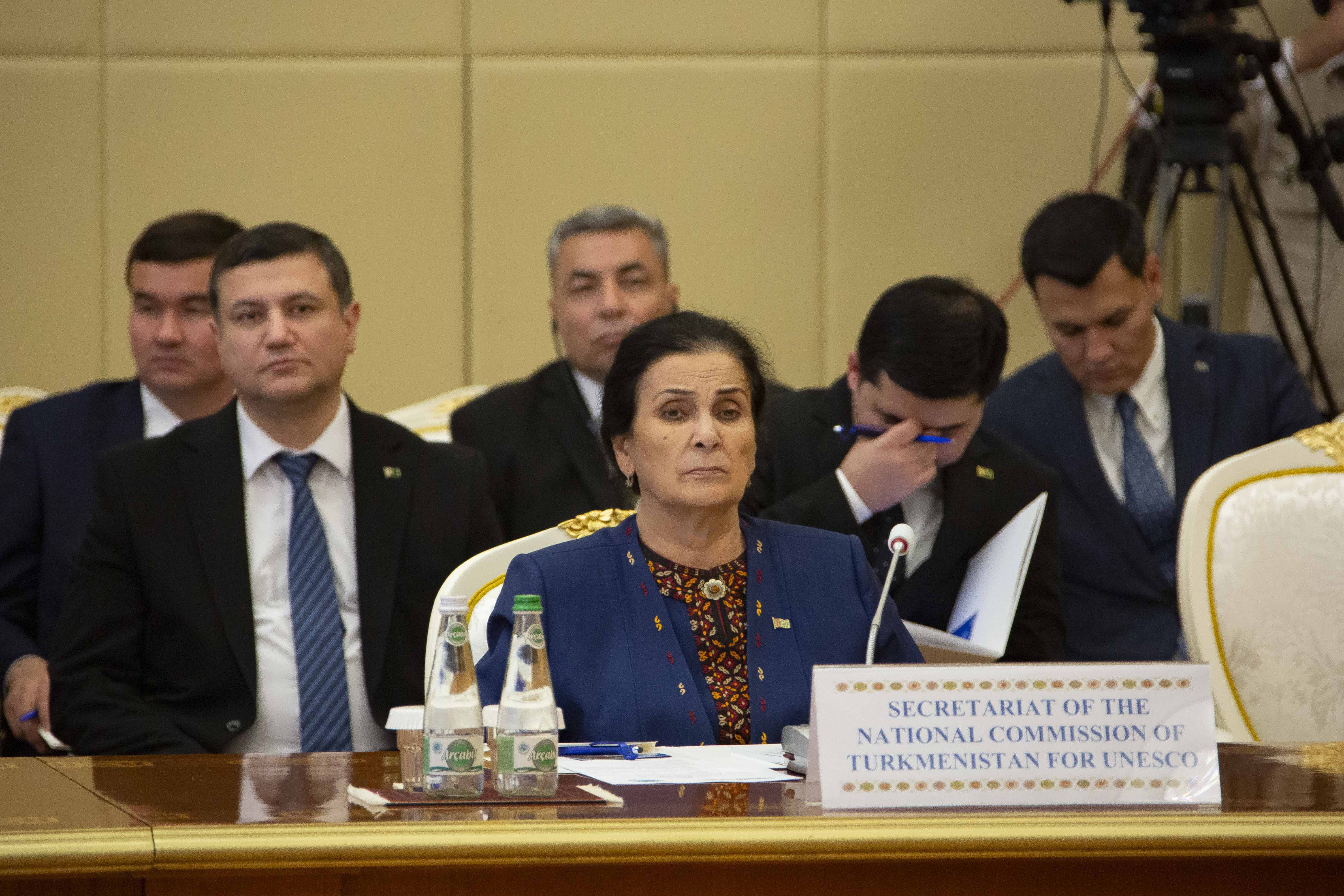
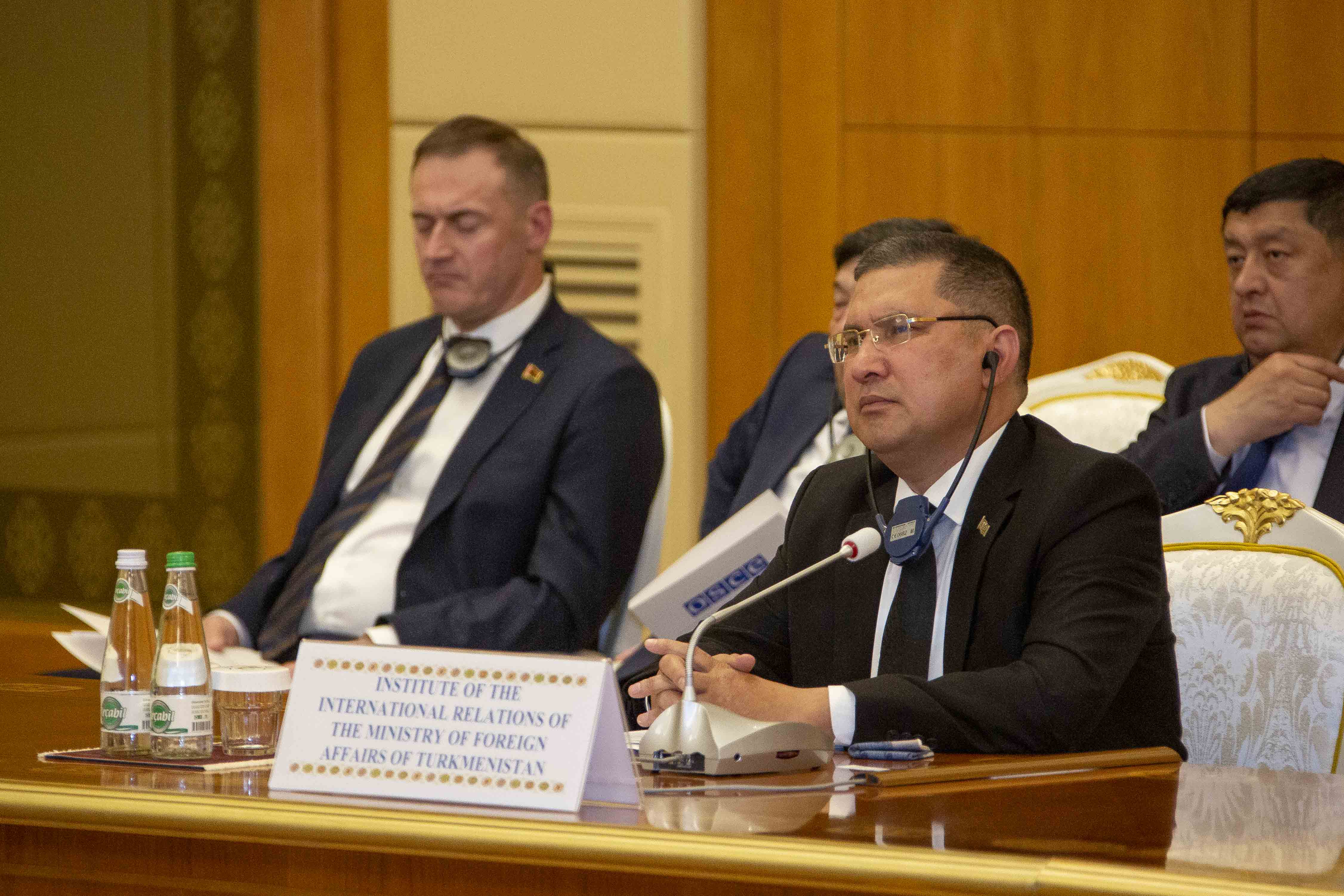
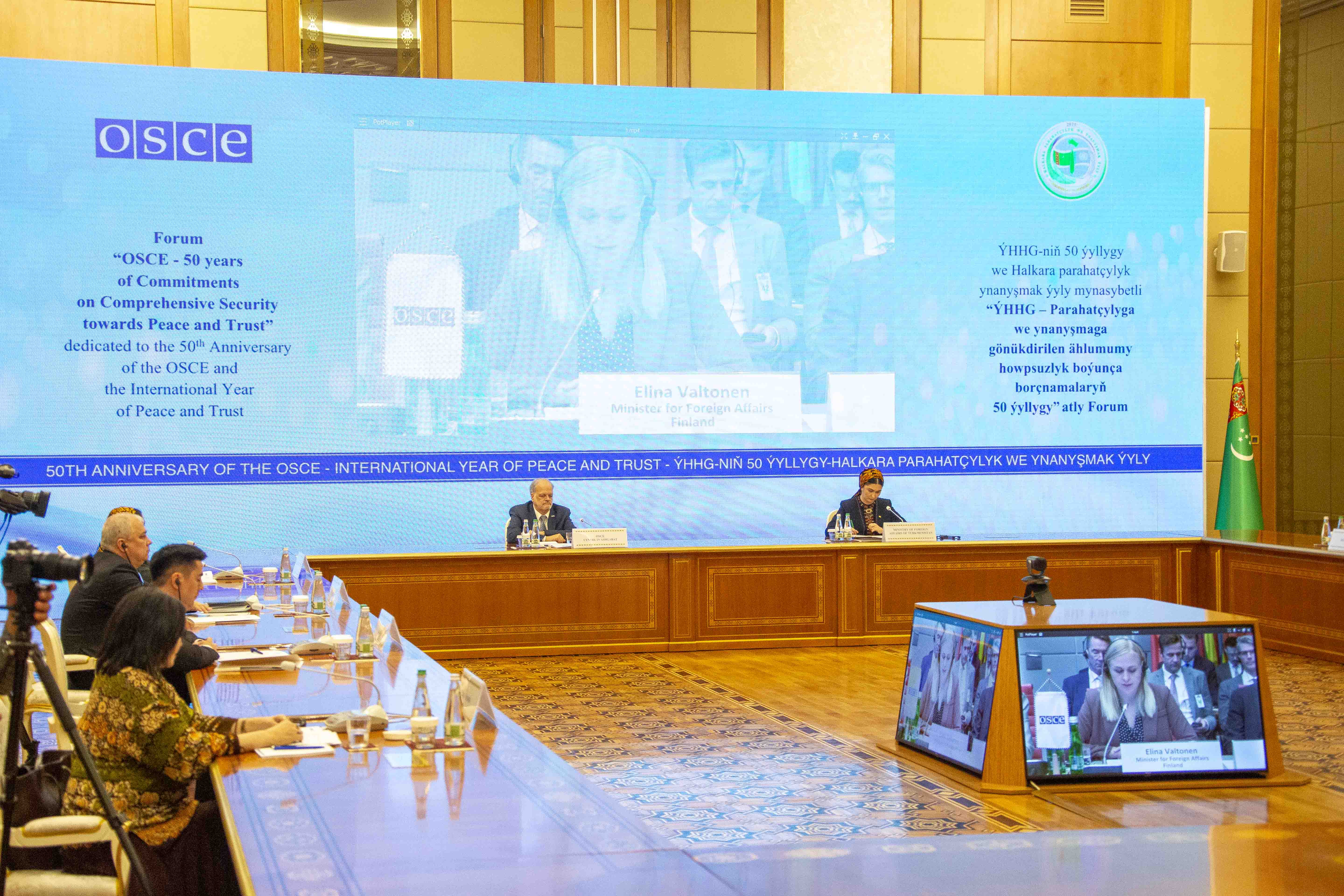
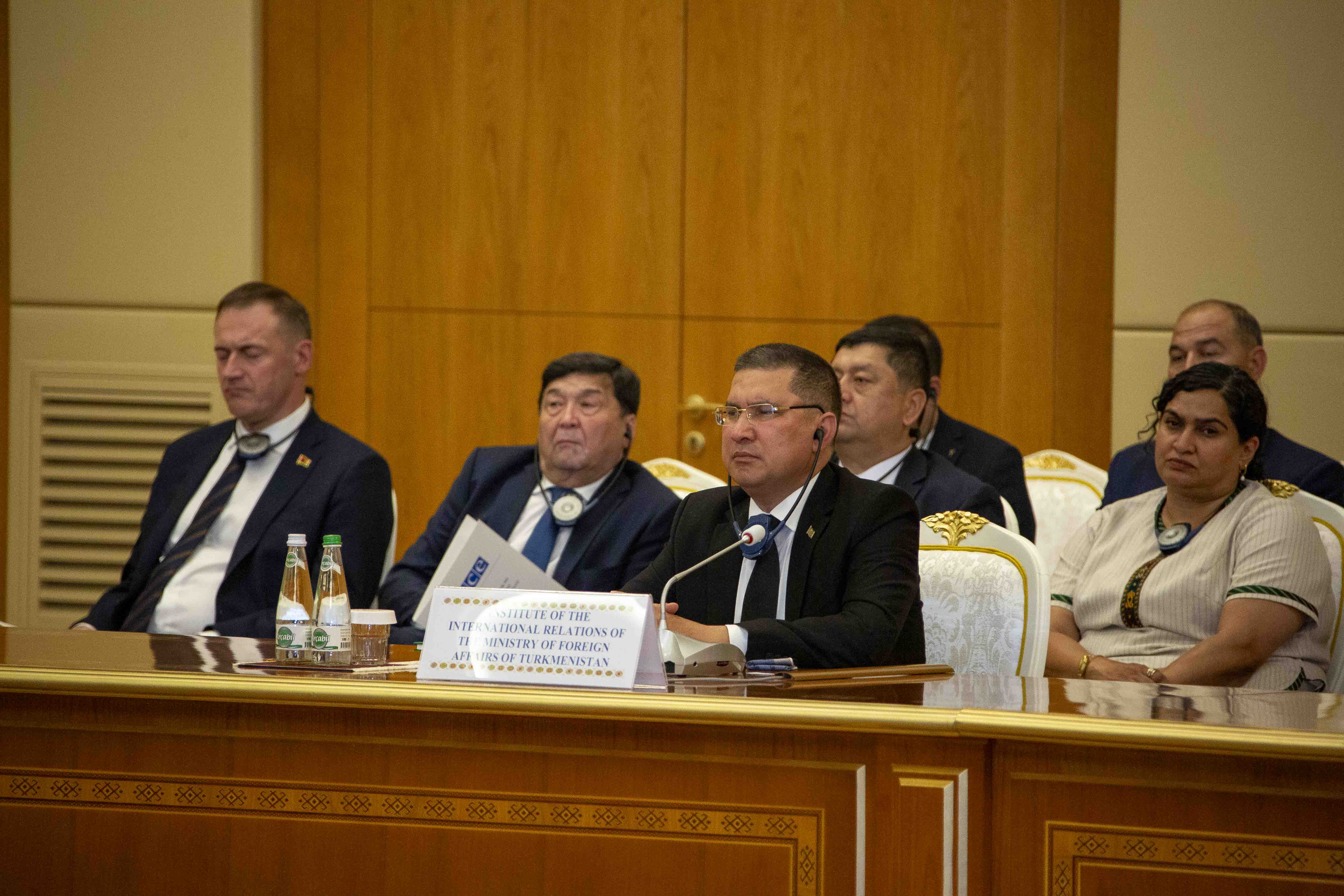
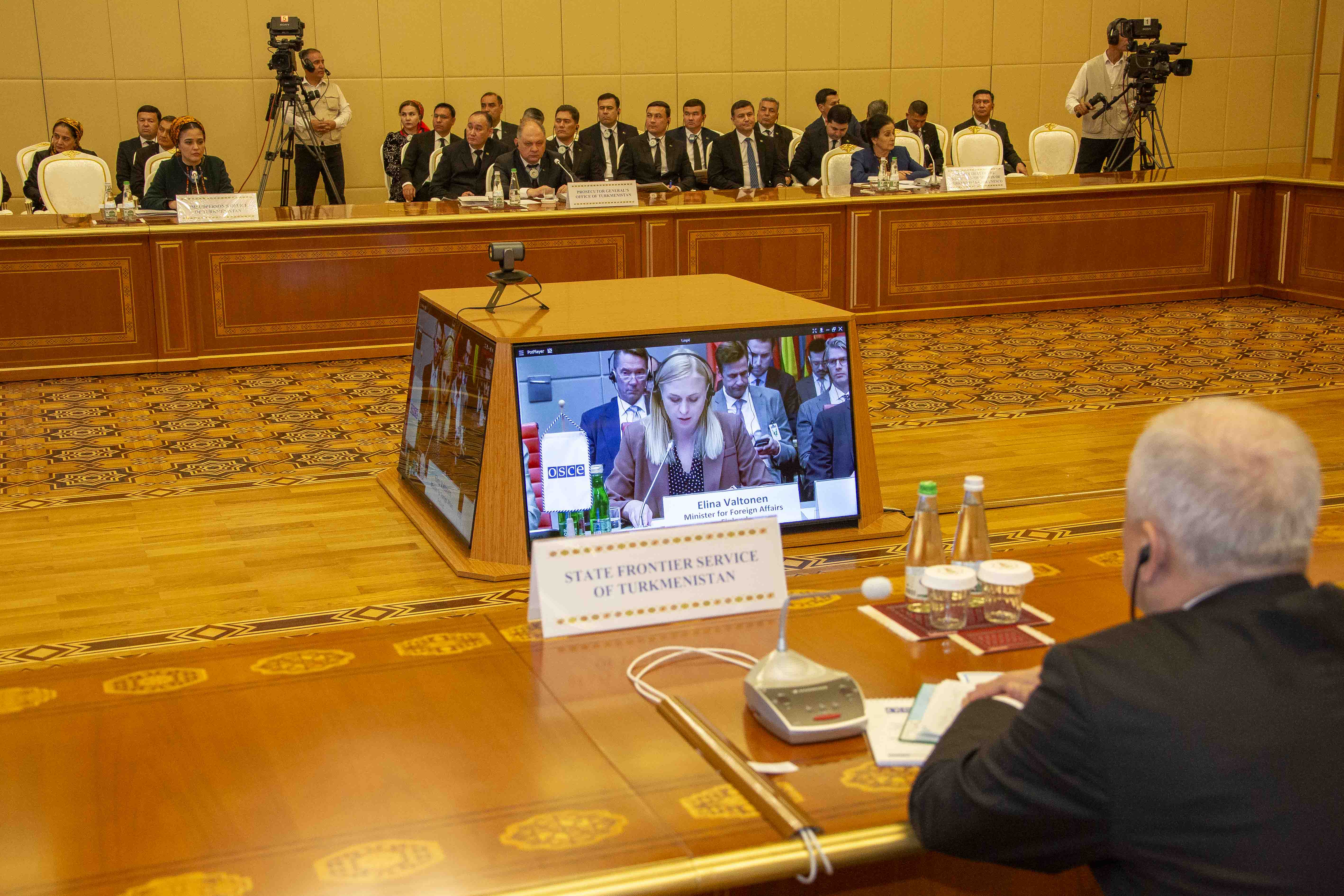

Today, a forum dedicated to the 50th anniversary of the adoption of the Helsinki Final Act of the Conference on Security and Cooperation in Europe was held at the Yyldyz hotel in the capital city. This document, signed in 1975 by the heads of 35 states, covers four key areas: military-political, economic, humanitarian, and the establishment of regular mechanisms for discussing and monitoring the implementation of this Agreement. The document also addresses measures to strengthen trust and security.
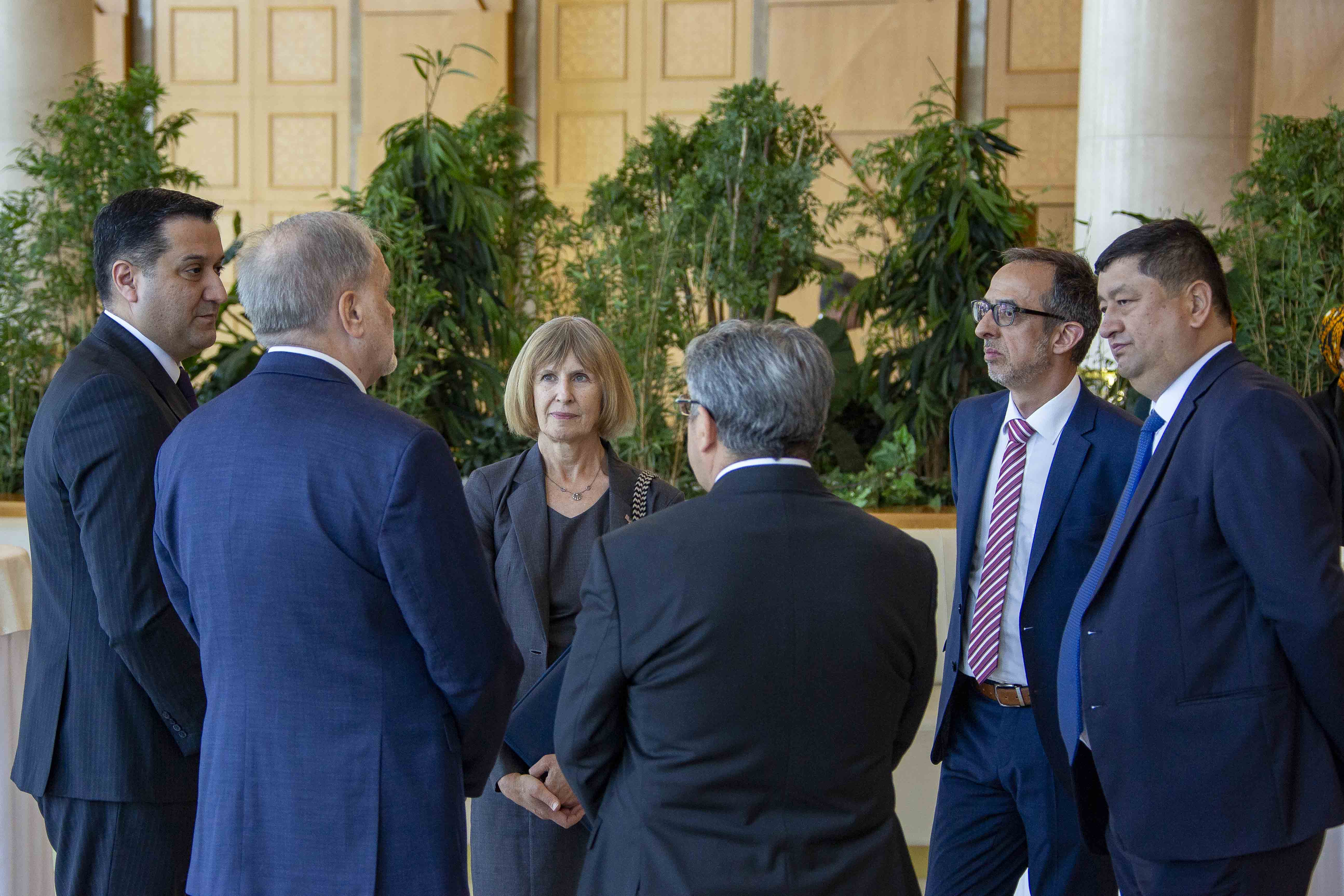
The Helsinki Act had a significant impact for many years on the transformation of the entire system of international relations. Furthermore, the Final Act of the Conference became the culmination of the process of easing tensions; it also laid the foundations for the observance of human rights and fundamental freedoms, equality, and the fulfillment of obligations in the international legal sphere.
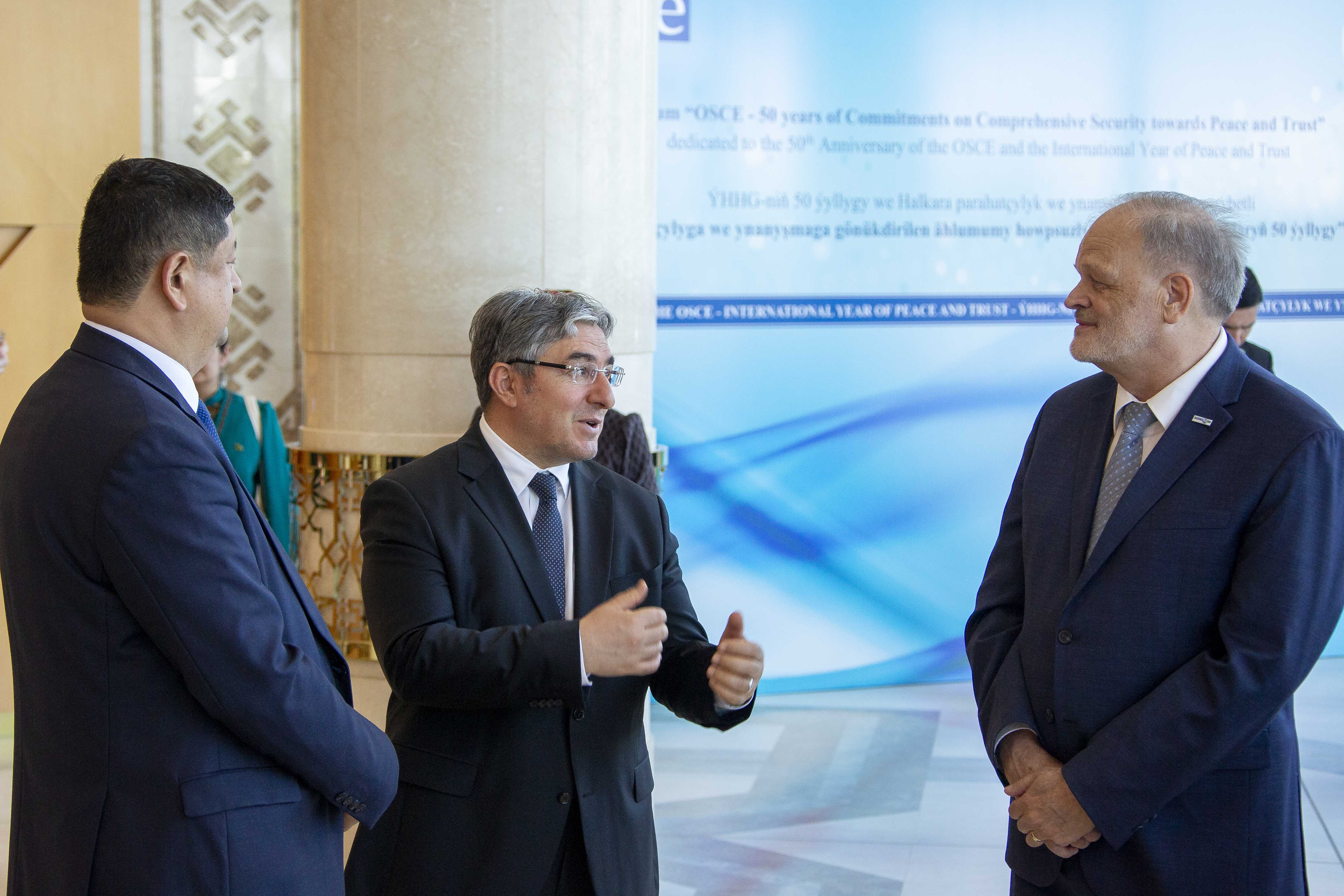
In the speeches of the participants of the Ashgabat forum — including representatives of government institutions, public organizations, and researchers — it was noted that the principles and postulates adopted at the Finland Palace in Helsinki at that time and enshrined in the final document remain relevant today. It is no coincidence that in the mutual cooperation between Turkmenistan and the OSCE, in particular, a joint implementation of the recently adopted UN General Assembly Resolution “2025 – International Year of Peace and Trust” is planned today. Over three decades of cooperation between Turkmenistan and the OSCE, a long path has been traveled, and there are great prospects for expanding and strengthening dialogue in the interests of our country and the entire OSCE region.

Since 1992, from the moment Turkmenistan signed the Helsinki Final Act — the foundational document of the OSCE — and the opening of the OSCE Center in Ashgabat, Turkmenistan has closely cooperated with the Office’s representation. In turn, the leadership of the Center assists Turkmenistan in fulfilling its obligations within the OSCE framework across all security dimensions.
Today, the most priority areas of cooperation with the OSCE for neutral Turkmenistan are: creating effective mechanisms to prevent and neutralize international conflicts; transnational threats, drug trafficking, and cross-border crime; and developing a modern model of international cooperation in the economic, energy, and environmental sectors.
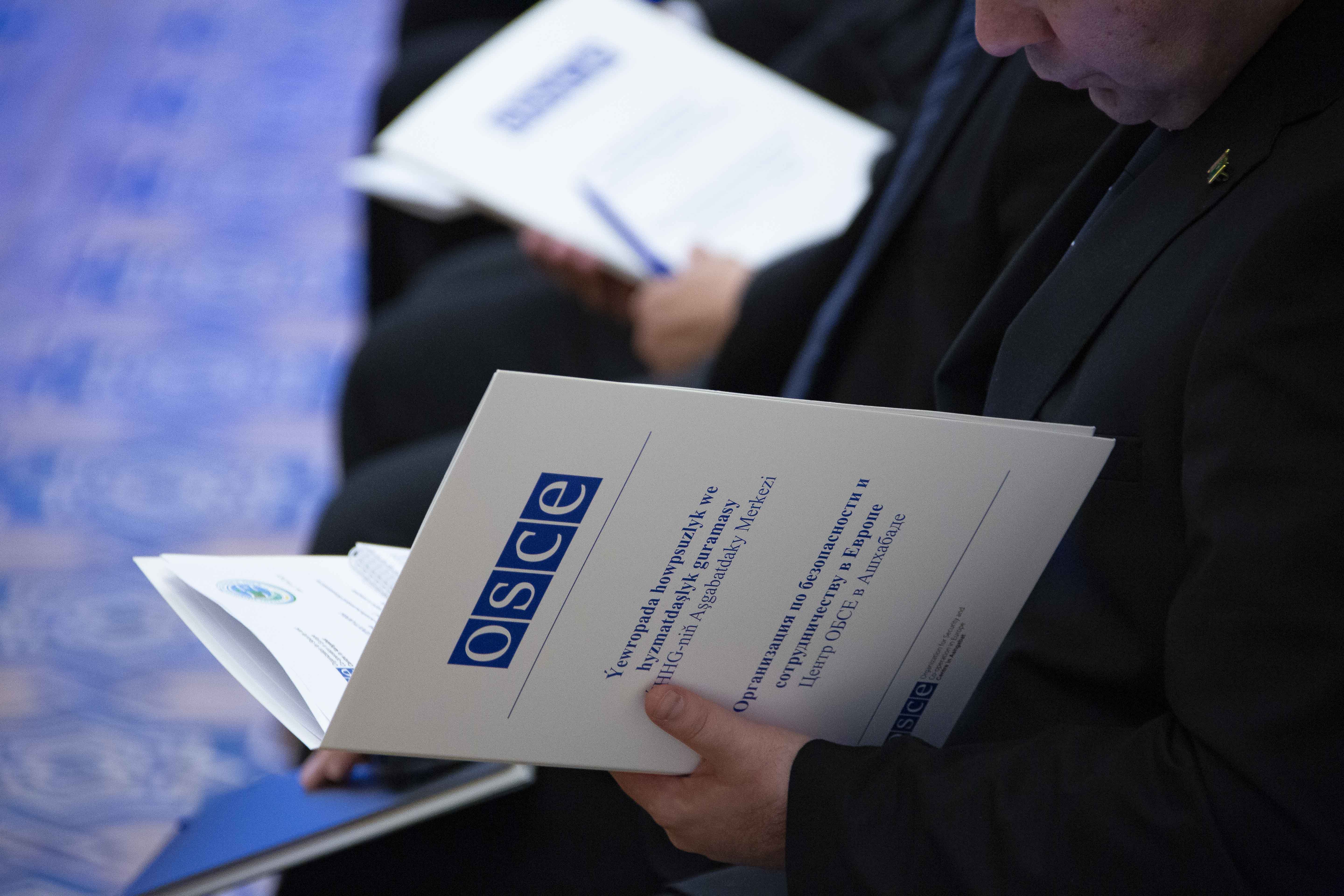
An important component of Turkmenistan’s partnership with the OSCE is strengthening regional stability, promoting dialogue in political, economic-ecological, and humanitarian dimensions, and enhancing interaction with UN member states, especially in the fields of international transport infrastructure and environmental issues.
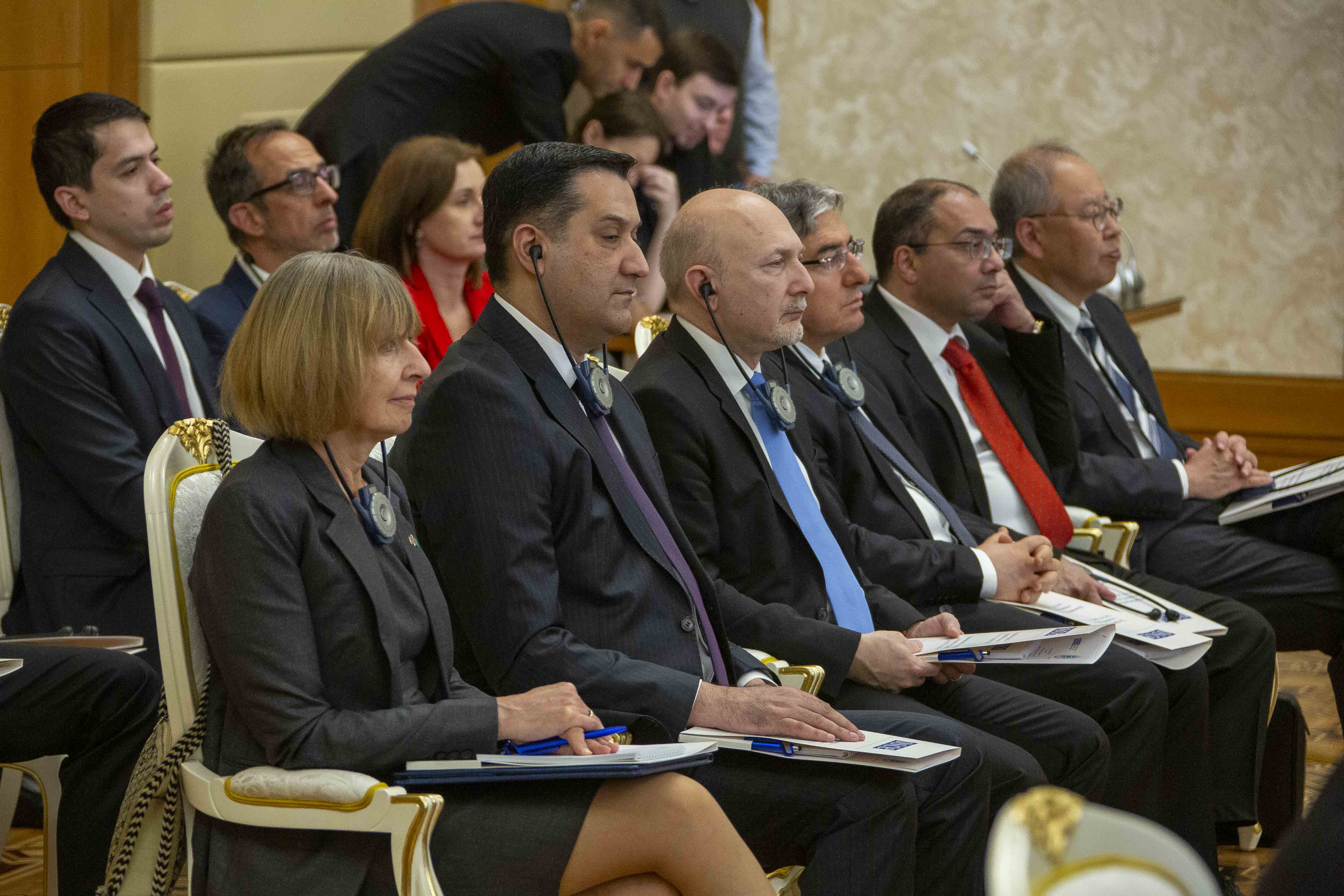
Almost all speakers at the forum noted that the legacy of the Helsinki Final Act has strengthened the conviction that no sharp conflicts are a solution to problems.

Dialogue, peace and trust are the paths to solving pressing issues.