


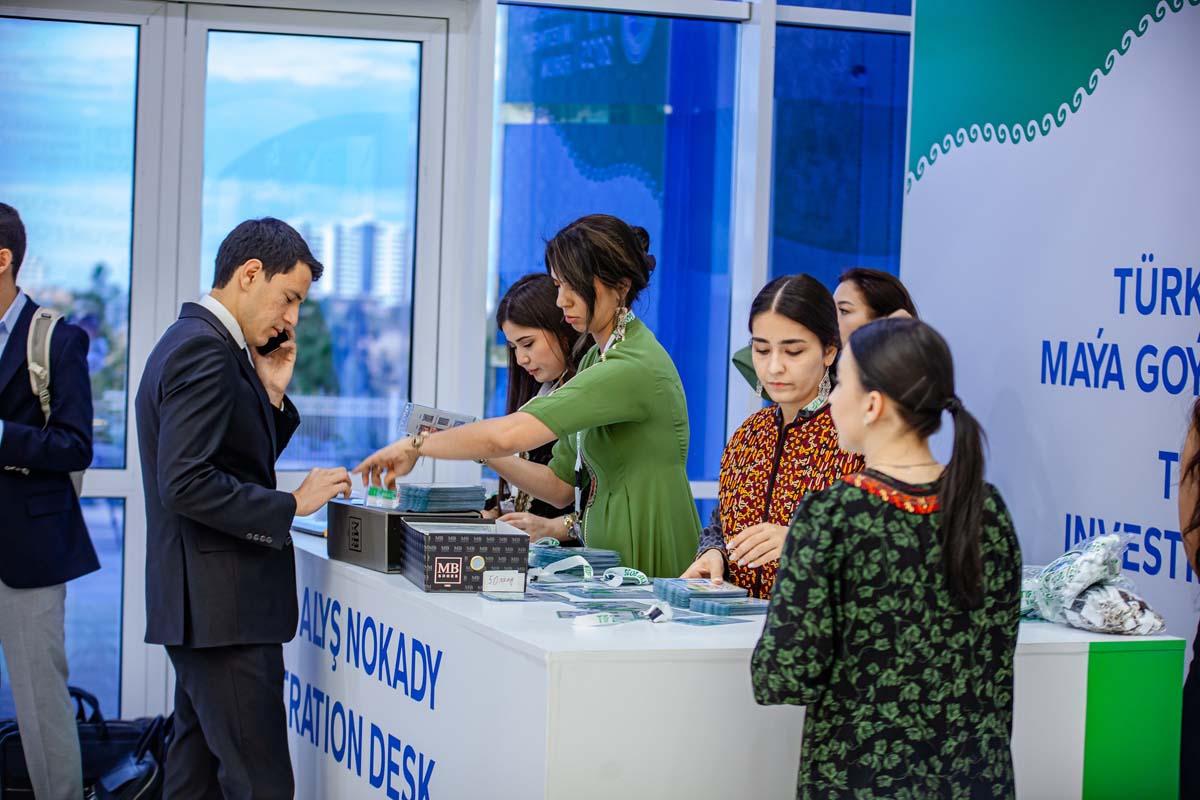
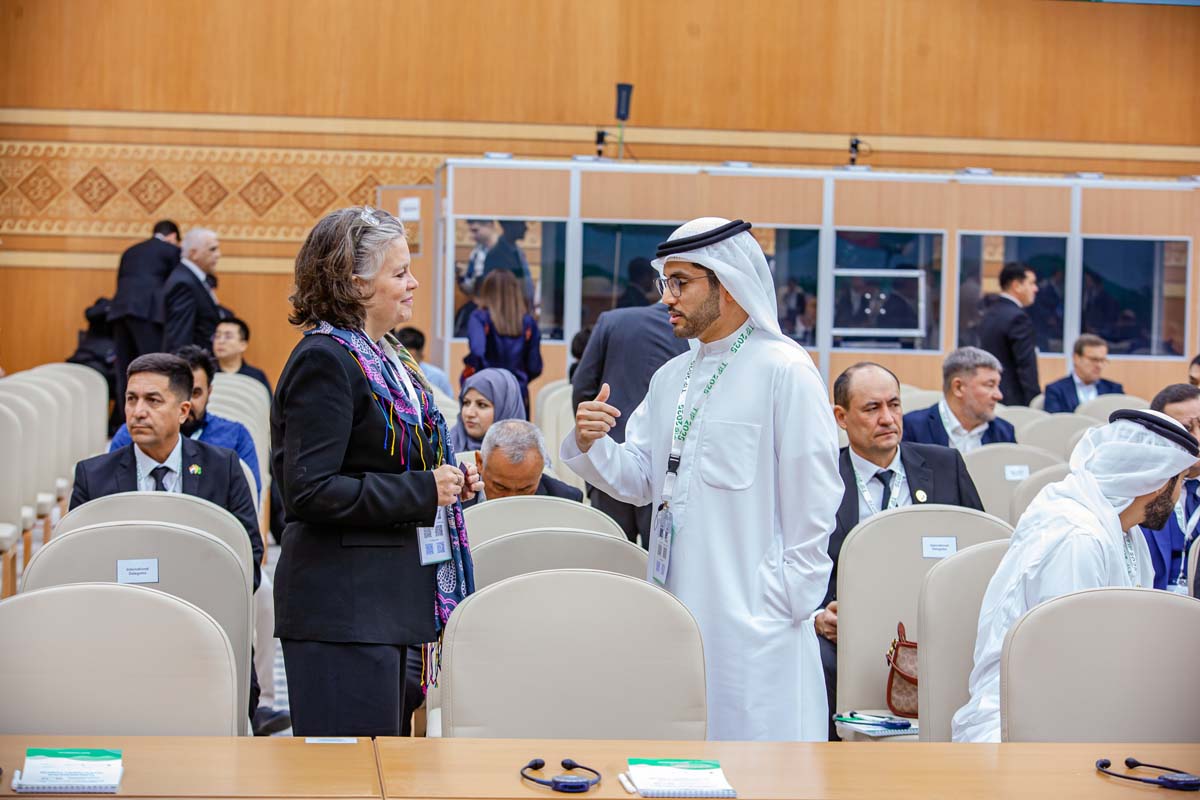
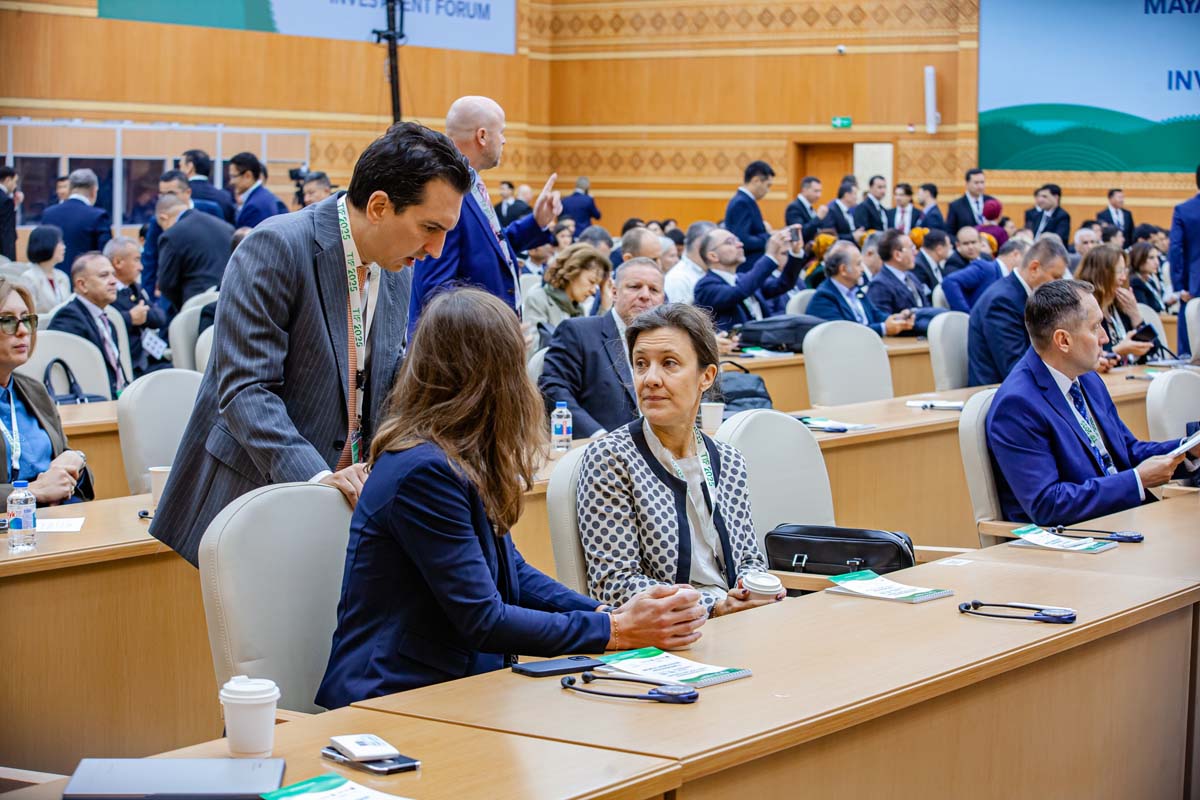
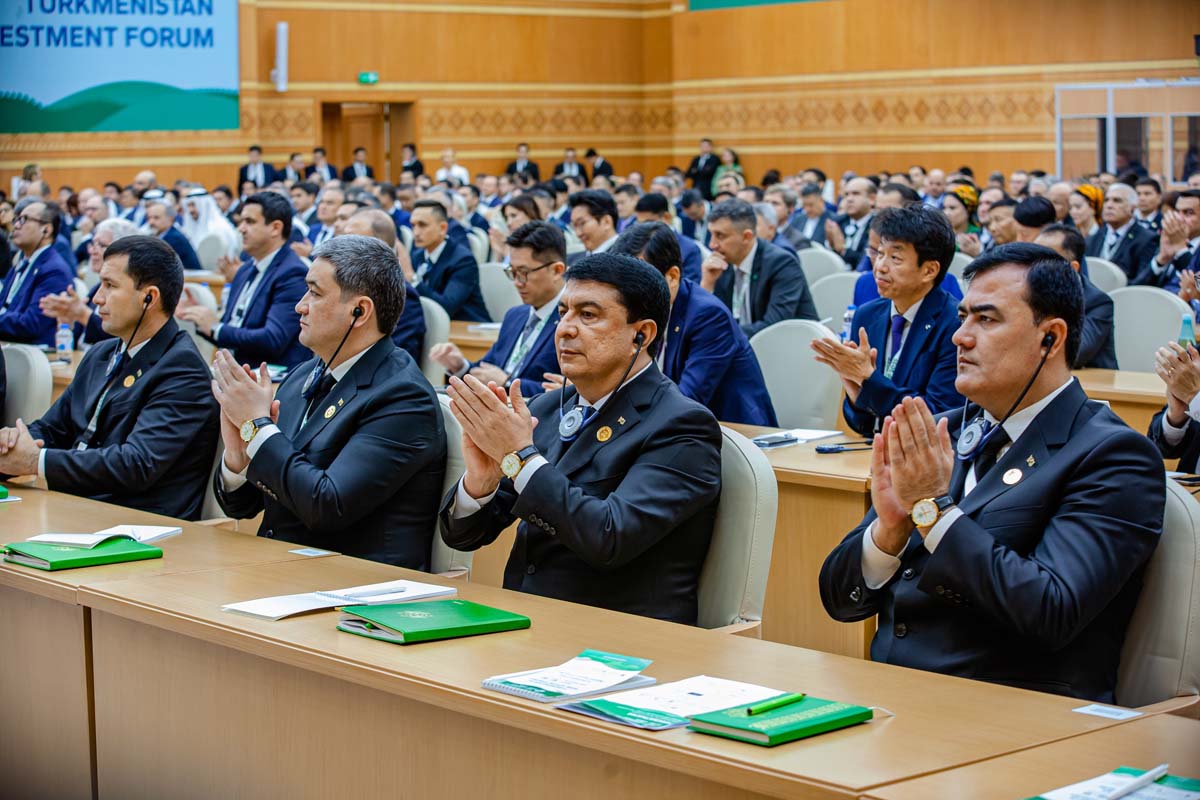
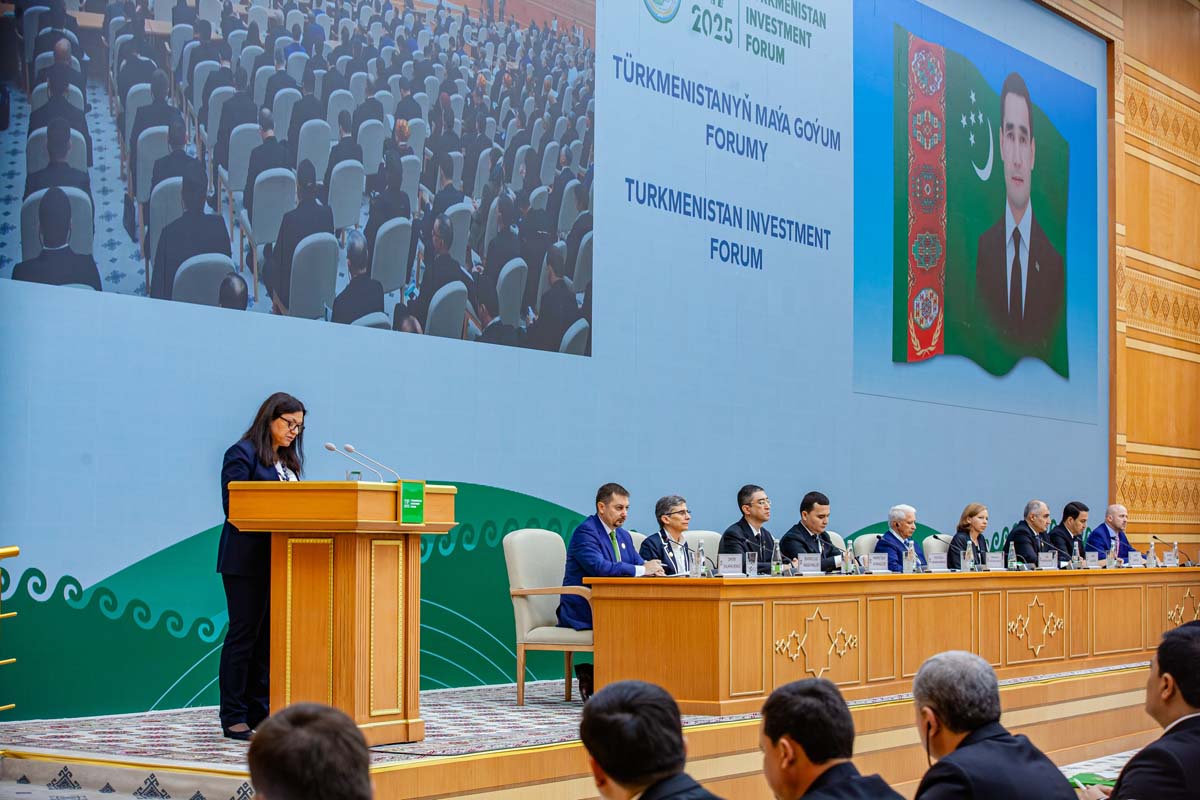
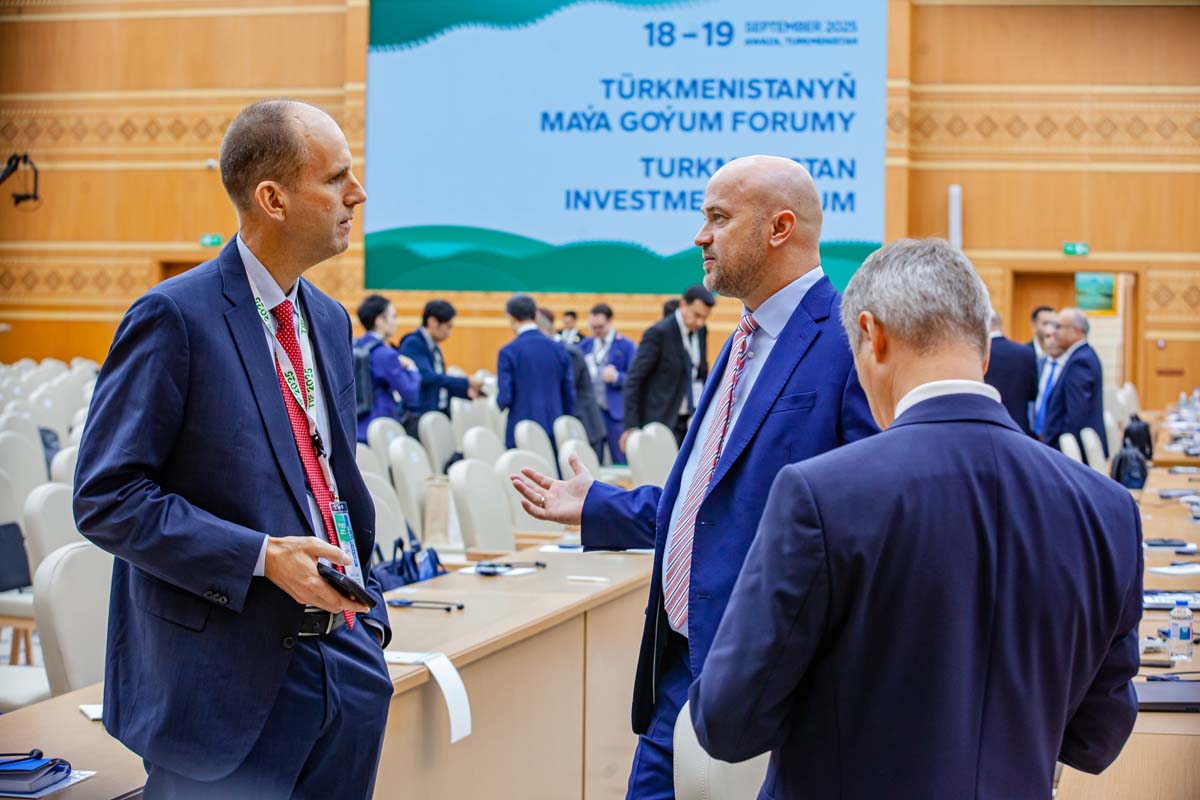
The Turkmenistan Investment Forum, designed to strengthen economic ties, attract direct investment, and develop cooperation, opened today in the Avaza National Tourist Zone. It is an important event for the business community in our country and around the world.
Representatives and leading experts from government agencies, international financial institutions, organizations, and corporations gathered here to discuss strategic areas of cooperation.
Over the course of two days, participants of the Forum, organized by the Ministry of Foreign Affairs and the Ministry of Finance and Economy of Turkmenistan, were given the opportunity to learn about the economic reforms being implemented in our country and the successes achieved, as well as discuss investment projects and promising areas of cooperation with Turkmen partners.
The Forum opened with a plenary session entitled “Turkmenistan’s Investment Attractiveness as a Factor of Strategic Effectiveness”, which was attended by heads of government agencies, high-ranking representatives of international organizations and financial institutions, and the business community.
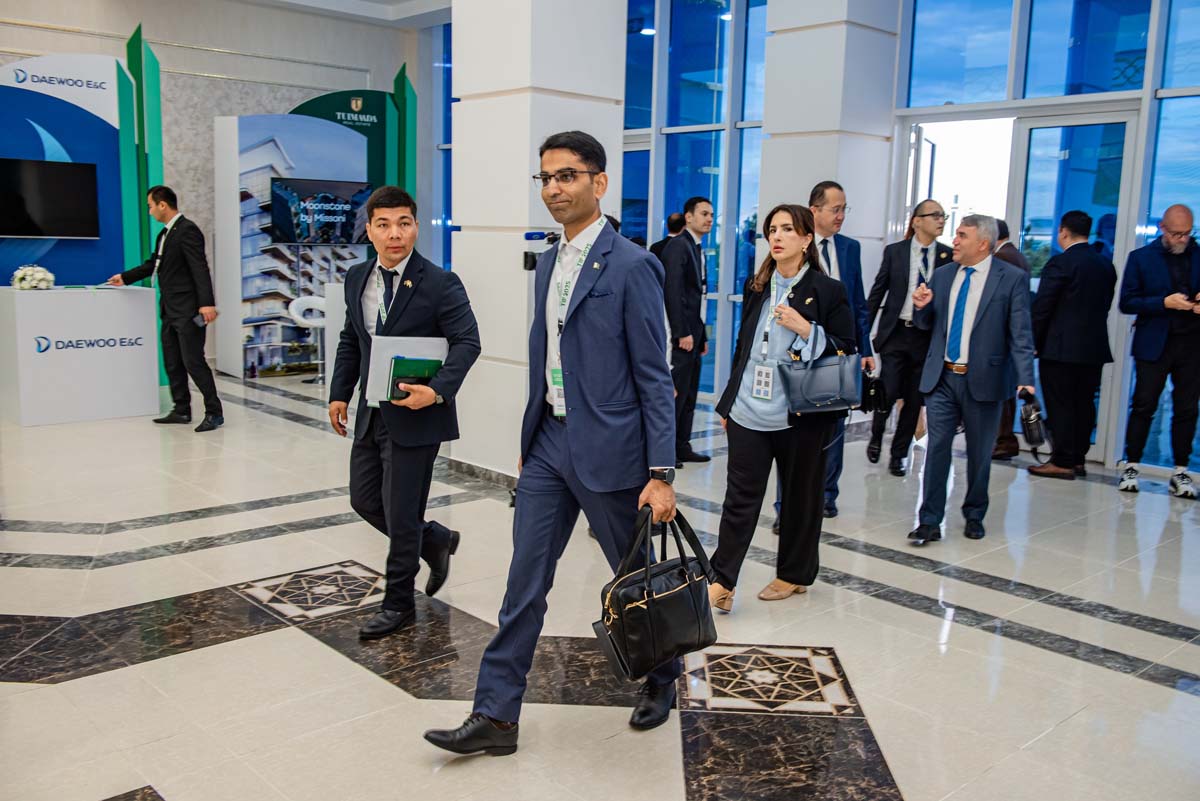
First, those gathered listened attentively to the welcoming address by President Serdar Berdimuhamedov to the participants of the Investment Forum.
Having congratulated the participants on the opening of the Turkmenistan Investment Forum, held in the Avaza National Tourist Zone on the eve of the 34th anniversary of Turkmenistan's independence during the International Year of Peace and Trust, the head of state noted its crucial importance for enhancing the country's industrial potential, attracting investment aimed at diversifying the economy, creating new industries producing goods in high demand on global markets, and implementing priority programs to expand the capacity of existing enterprises.
In this regard, the President expressed his firm confidence that this event in Avaza will facilitate the further industrialization and socio-economic development of the regions in the era of the Renaissance of a new era of a powerful state, the introduction of modern technologies in industry, the active promotion of the Digital Economy Concept, and the attraction of investment.
Opening the plenary session, UN Resident Coordinator in Turkmenistan Dmitry Shlapachenko emphasized the importance of investment dialogue for sustainable development and gave the floor to the Forum participants.
The first speaker to speak on the digital platform was UN Under-Secretary-General and High Representative for the Least Developed Countries, Landlocked Developing Countries, and Small Island Developing States, Fatima Rabab. Expressing deep gratitude to the Government of Turkmenistan and the organizers for hosting this important Forum, Ms. Fatima Rabab noted that the current event demonstrates Turkmenistan’s commitment to implementing the Avaza Framework of Action and joint efforts to expand the opportunities of landlocked developing countries. She particularly emphasized our country’s significant contribution to the successful holding of the Third UN Conference on LLDCs.
As noted, this Conference demonstrated Turkmenistan’s ability, together with the UN, to bring together partners to address critical development issues and promote inclusive multilateral cooperation. Following the results of the Conference, one can see the existence of enormous investment opportunities for LLDCs. Landlocked developing countries, with their young populations and abundant energy resources have the potential to become hubs of sustainable development and innovation.
The Avaza Framework of Action offers a comprehensive, forward-looking roadmap for capitalizing on these opportunities. Building on the outcomes of the Conference, the Office of the High Representative for the Least Developed Countries, Landlocked Developing Countries, and Small Island Developing States is currently working with stakeholders to establish the infrastructure investment mechanism envisioned in the Avaza Framework of Action.
This mechanism will play a key role in attracting the investment needed to modernize LLDC infrastructure in line with international standards and creating a more enabling environment for sustainable and transformative investment through the harmonization of investment policies and the sharing of best practices.
Noting the launch of the Global Business Network for LLDCs at the Third Conference, Rabab Fatima emphasized that this initiative aims to connect landlocked developing countries with international investors and support partnerships that promote economic development. She called on everyone to join this network and contribute to strengthening the relationship between LLDCs and the international investment community.
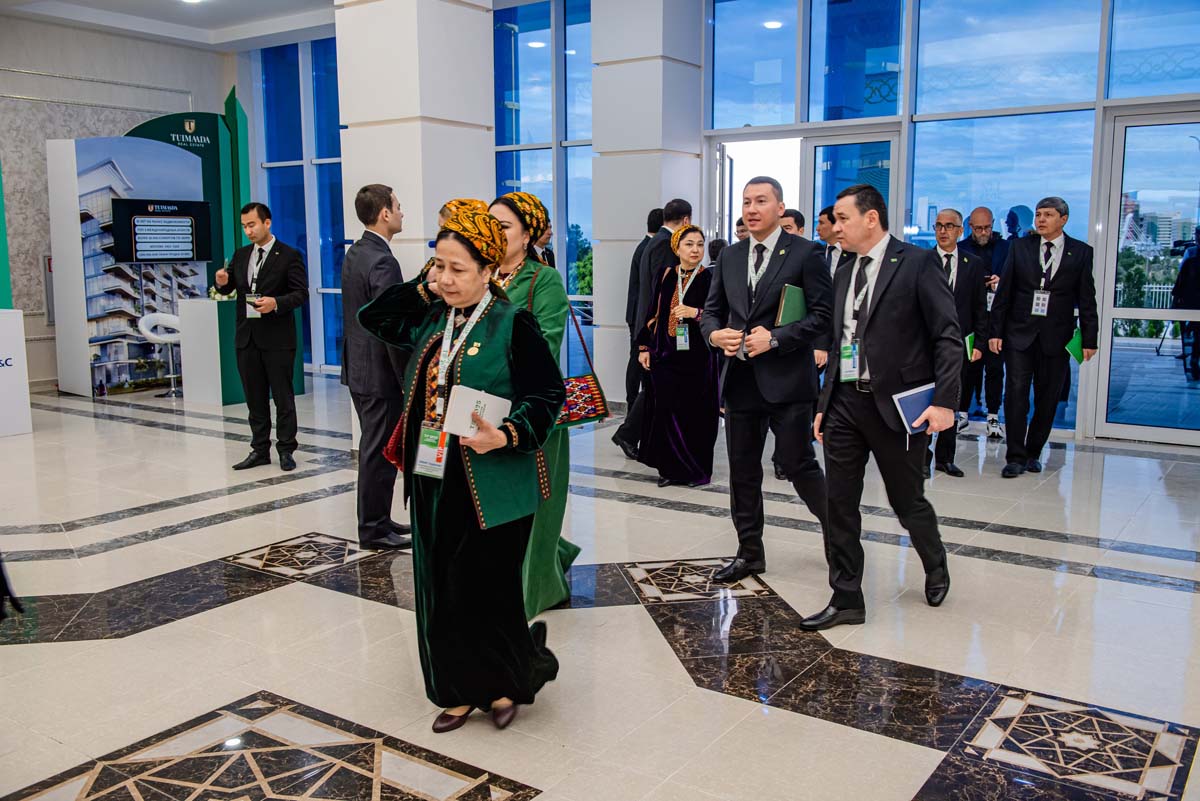
Concluding her remarks, the UN Deputy Secretary-General emphasized that the relationships established today are essential for the implementation of common efforts on LLDCs and reiterated her deep appreciation to Turkmenistan for its steadfast commitment to advancing the Agenda for Landlocked Developing Countries.
World Bank Executive Director Beatriz Luz Mather Mallor emphasized the role of investment in the country’s economic development in her speech. As noted, the reforms being implemented in Turkmenistan are creating favorable conditions for attracting investment and implementing large-scale projects.
Meeting participants emphasized the importance of collaborating with an international organization such as the World Bank in implementing joint initiatives.
Deputy Minister of Economy of the Republic of Azerbaijan Sahib Nureddin Alekperov, emphasizing the importance of regional cooperation, noted Turkmenistan’s potential as a key partner and its efforts to integrate into the global economy. There was general agreement that international cooperation and openness are essential for achieving strategic effectiveness.
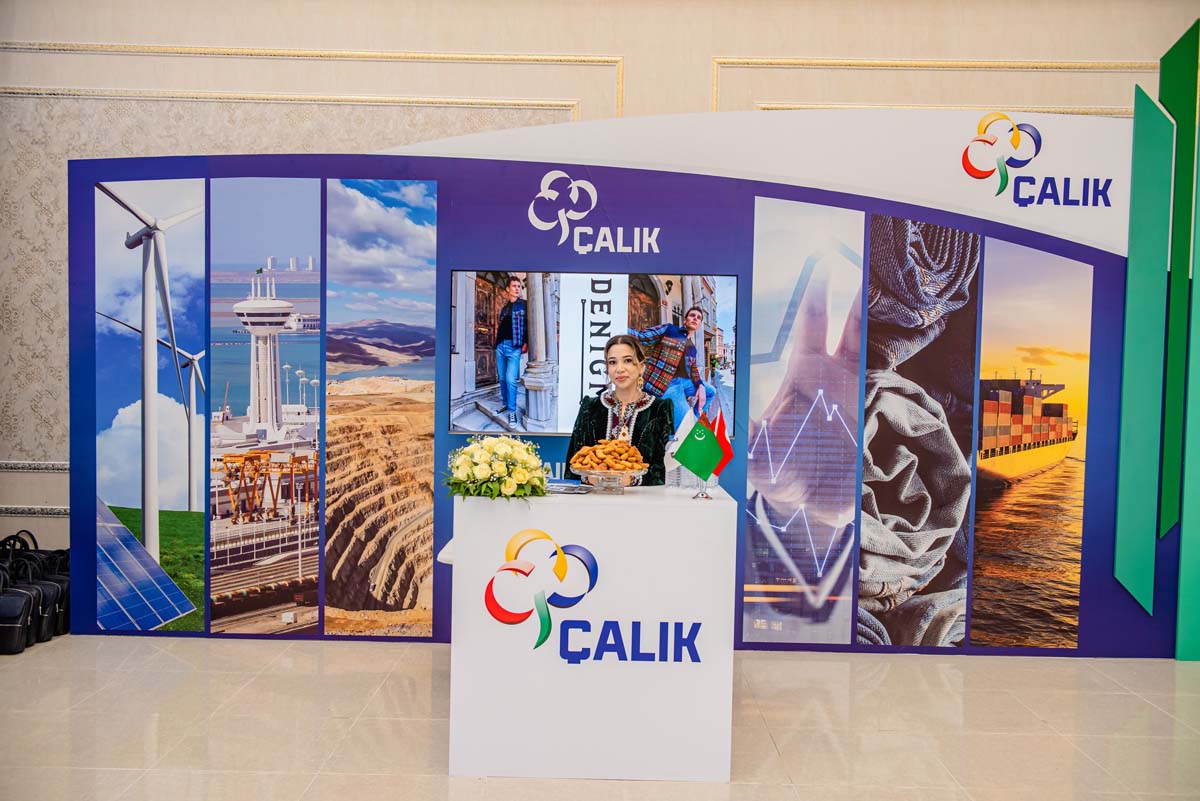
The Turkmen delegation presented its investment opportunities.
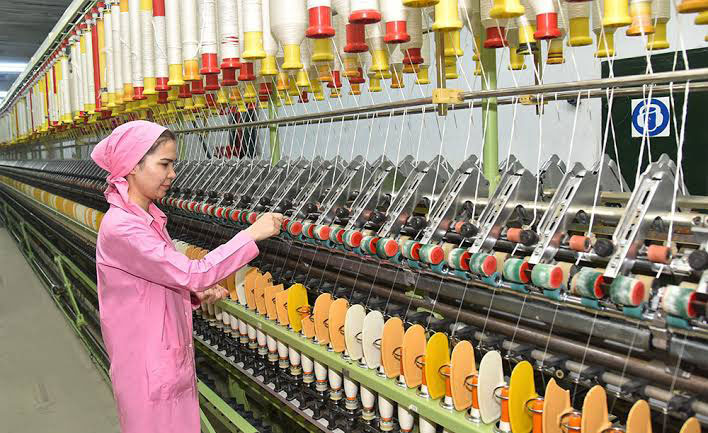
As noted, over the years of independence, Turkmenistan has become an industrially developed state. Under the wise leadership of President Serdar Berdimuhamedov, the country has consistently implemented diversification of the national economy, large-scale reforms in key sectors, and measures to create an industrial-innovative development model.
Public-private partnership mechanisms, the introduction of environmentally friendly technologies, the transition to a circular economy, and digitalization are important tasks for the medium-term development of the Fatherland.
Attracting foreign investment aimed at implementing advanced technologies and equipment, developing human capital, and systems that ensure the country’s environmental and socioeconomic well-being are among the strategic directions of Turkmenistan’s investment policy.
Improving modern transport and logistics infrastructure and transforming our country into a hub for East-West and North-South transport routes are also priorities of the country's investment policy.
In addition, Turkmenistan is working toward accession to the World Trade Organization (WTO). Measures are currently being taken to gradually implement WTO standards and rules. These efforts are being carried out in close cooperation with the WTO Secretariat and other international organizations and institutions.
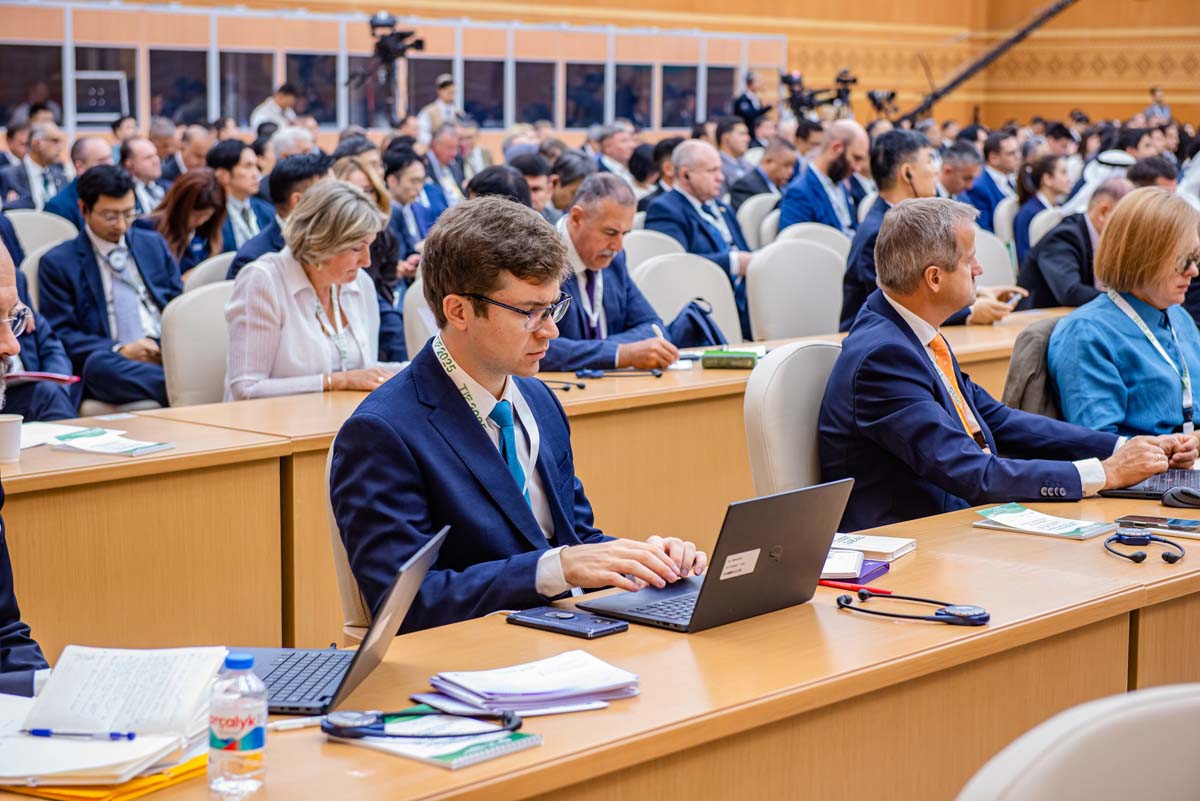
As one of the countries with the richest natural gas reserves in the world, Turkmenistan places particular importance on diversification and offers ample opportunities for foreign investment. Our country is also strengthening partnerships in the energy sector. The construction of the Turkmenistan–Afghanistan–Pakistan–India (TAPI) gas pipeline is a project demonstrating our country’s role as a reliable energy partner linking regions.
As part of its strategy to further improve the business environment, Turkmenistan is streamlining customs procedures and migration policies. The widespread adoption of digital technologies in these two important areas creates opportunities for export development and attracting new partners.
Forum participants noted that Turkmenistan’s investment interest is driven not only by its natural resources but also by a well-thought-out government policy aimed at creating a favorable business environment. Representatives of international organizations, including the World Bank and the Central Asia-Caucasus Institute, praised our country’s efforts to strengthen economic stability and establish a robust institutional framework.
Plenary session participants unanimously noted the strategic effectiveness of Turkmenistan as an investment platform. It was emphasized that open dialogue and mutually beneficial cooperation are key to ensuring sustainable development and prosperity.
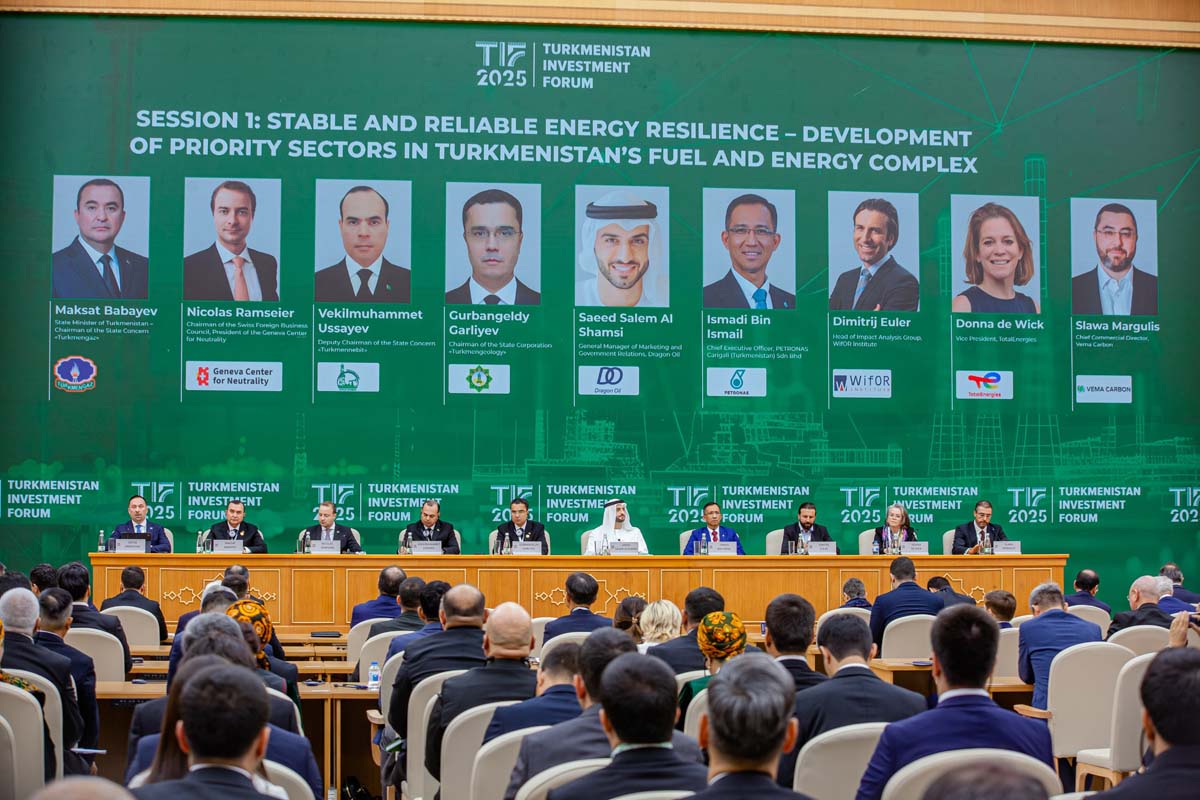
The Forum then continued with a thematic session titled “Stable and Reliable Energy Sustainability – Developing Priority Sectors of Turkmenistan’s Fuel and Energy Complex”.
Presentations emphasized Turkmenistan’s enormous potential to strengthen its role as a reliable energy supplier. Representatives of major energy companies, such as Dragon Oil and PETRONAS, emphasized the long-term nature of their cooperation with our country and the favorable conditions created for the implementation of investment projects in this sector.
Presentations were also made on strategies for the development of the oil and gas sector, particularly on expanding the resource base and modernizing production infrastructure. It was noted that, in addition to hydrocarbon production, Turkmenistan is actively exploring opportunities for developing renewable energy sources. Experts highlighted promising projects to build solar and wind power plants, which will help diversify the energy system. It was emphasized that green energy is a strategic direction for ensuring sustainable development.
The implementation of major projects such as the TAPI gas pipeline is a clear example of Turkmenistan’s commitment to expanding regional energy cooperation. As experts noted, this project will not only ensure energy security for participating countries but also contribute to their socioeconomic development. In this regard, new approaches to project management and investment attraction were presented to create more favorable and lucrative conditions for international investors in the future.
At the meeting, it was emphasized that not only raw material exports but also advanced hydrocarbon processing are important areas. Projects for the construction of gas chemical complexes and polymer plants were presented. Forum participants emphasized that this approach will allow Turkmenistan to develop exports of not only raw materials but also finished products, significantly strengthening the country’s position in global markets. Such projects contribute to the creation of new jobs, the development of related industries, and the advancement of technological progress.
During the thematic session “New Trends in Construction and Industry in Turkmenistan and Prospects for Mutually Beneficial Cooperation”, it was emphasized that large-scale construction projects underway in the country and the modernization of production facilities offer significant opportunities for foreign investors. Representatives of international companies, as well as the International Finance Corporation, noted the high level of development of the construction industry and Turkmenistan’s openness to the introduction of innovative technologies.
Forum participants focused on the country's industrial development strategy, which includes the creation of high-tech manufacturing and the diversification of the industrial sector. Investment projects in various sectors of the economy were presented at the session. These projects are expected not only to meet the needs of the domestic market but also to contribute to increasing the country’s export potential.
International experts noted that Turkmenistan is effectively working to create a favorable investment climate by implementing modern standards and regulations. It was emphasized that simplified procedures for foreign investors, tax incentives, and state guarantees enhance the country’s investment attractiveness. Representatives of international financial institutions expressed their readiness to support projects in the industrial sector by rendering preferential financing and expert assistance.
The meeting also discussed public-private partnerships in the construction and industrial sectors. It was noted that this mechanism allows for the pooling of public resources and private initiatives to implement large-scale projects. It was emphasized that Turkmenistan has extensive experience in implementing such projects and is ready to expand cooperation with foreign investors. Specific projects successfully implemented through public-private partnerships were cited as examples.
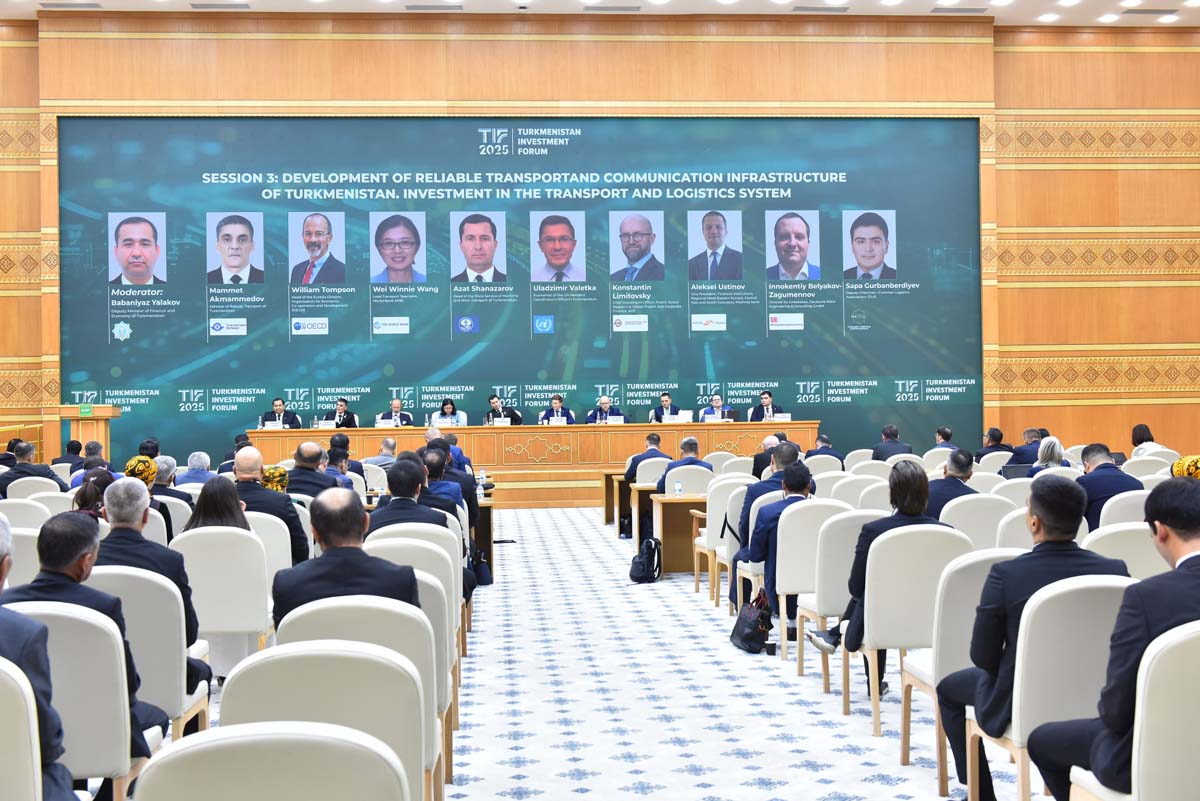
Participants in the thematic session “Development of Reliable Transport and Communications Infrastructure in Turkmenistan. Investments in the Transport and Logistics System” focused on the development of transport and communications infrastructure. It was noted that investment in the transport and logistics system is a priority for our country. Representatives of the World Bank and the Organization for Economic Cooperation and Development noted Turkmenistan’s advantageous geographic location and its significant role in the system of international transport corridors.
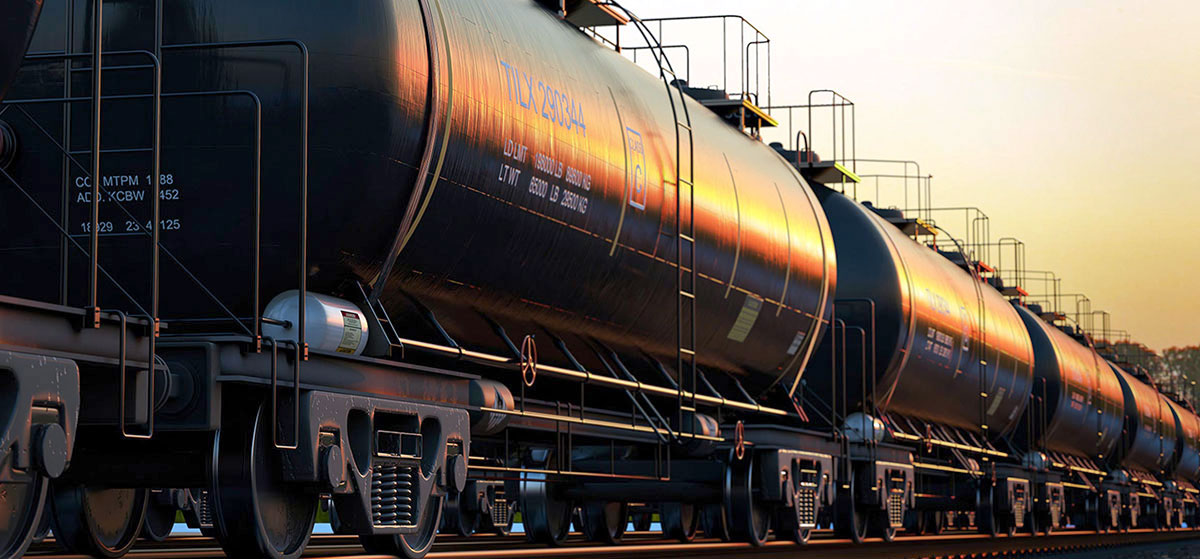
It was emphasized that Turkmenistan is a vital link in international transport corridors such as the North-South and East-West corridors, and the development of rail, road, and maritime infrastructure is of strategic importance to the country.
In this regard, projects to modernize maritime and rail infrastructure were presented, which, as noted, will significantly increase our country’s transit potential and strengthen its role as a logistics hub.
Experts noted that Turkmenistan is actively developing multimodal freight transportation, combining various modes of transport to optimize logistics chains. This reduces the time and cost of cargo delivery, increasing the country's attractiveness for international freight carriers. Meeting participants expressed their readiness to support the implementation of projects aimed at developing transport infrastructure.
During the thematic session “Climate-Resilient Agriculture and Investments in the Agro-Processing Industry”, the importance of implementing advanced technologies and sustainable practices to ensure food security and improve the industry’s efficiency was emphasized. Representatives of the World Bank and the Food and Agriculture Organization of the United Nations (FAO) emphasized their readiness to support Turkmenistan in implementing projects aimed at developing this priority economic sector.
Presentations were also presented on agricultural development strategies, particularly on measures to adapt to climate change. It was noted that Turkmenistan places particular emphasis on developing irrigation systems, introducing water-saving technologies, and cultivating drought-resistant crop varieties. Meeting participants emphasized the need to attract investment in the agro-processing industry, which will facilitate the production of high-value-added products and increase the country’s export potential.
Experts noted that Turkmenistan has extensive experience in growing cotton, wheat, and vegetables and melons. In this regard, projects for the construction of new agricultural processing facilities were presented.
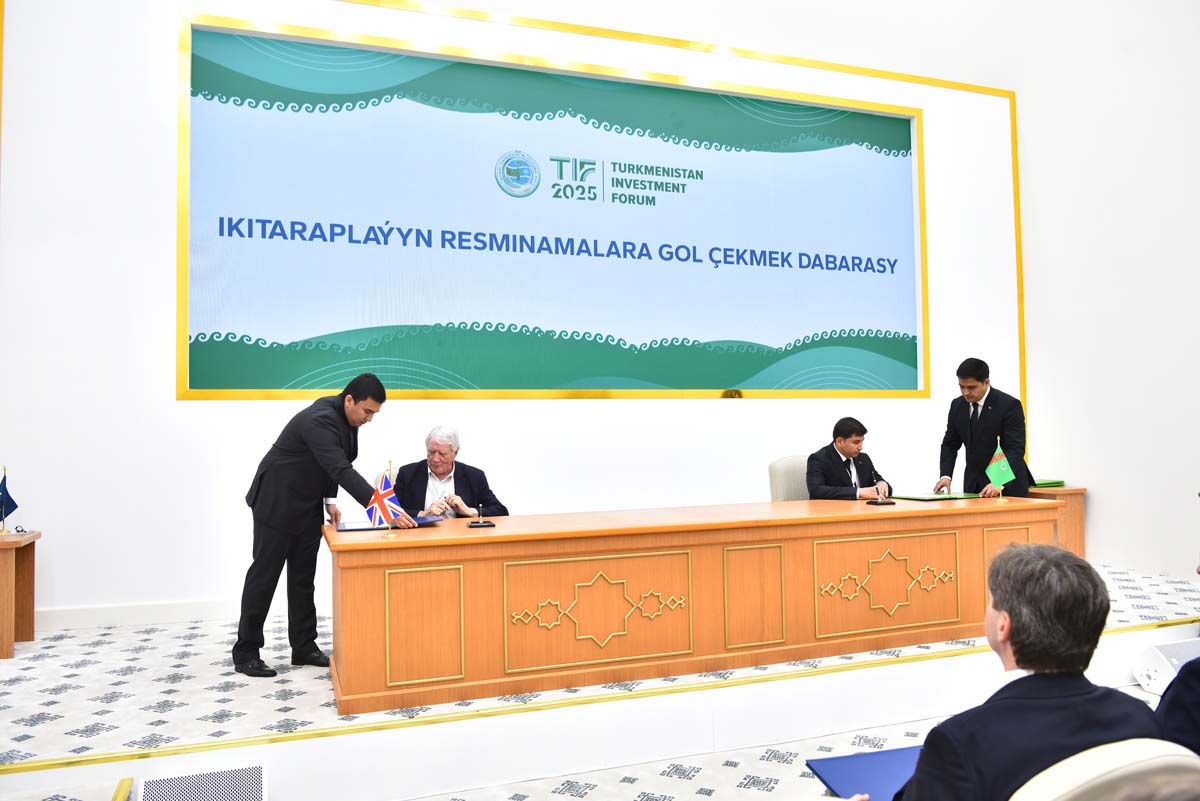
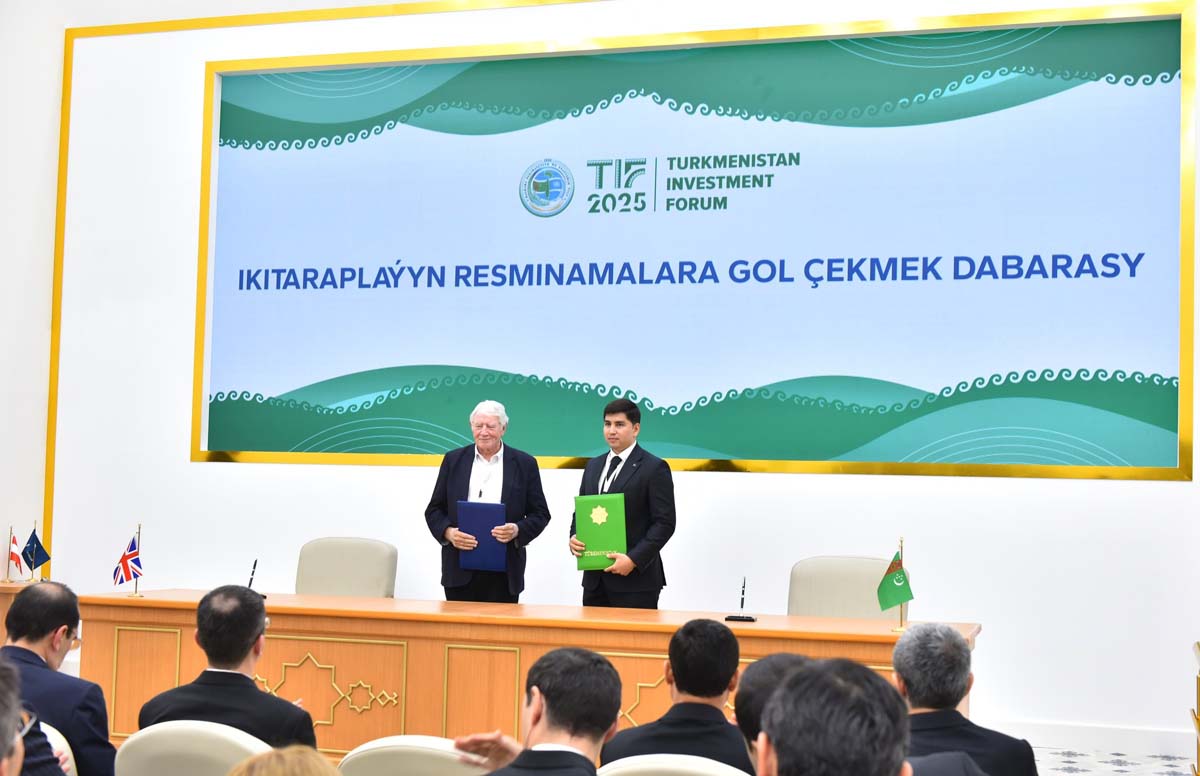
A number of bilateral documents were also signed between Russian government agencies and foreign partners during the Forum. These documents will facilitate the further development of cooperation.
The Investment Forum will conclude on September 19.