


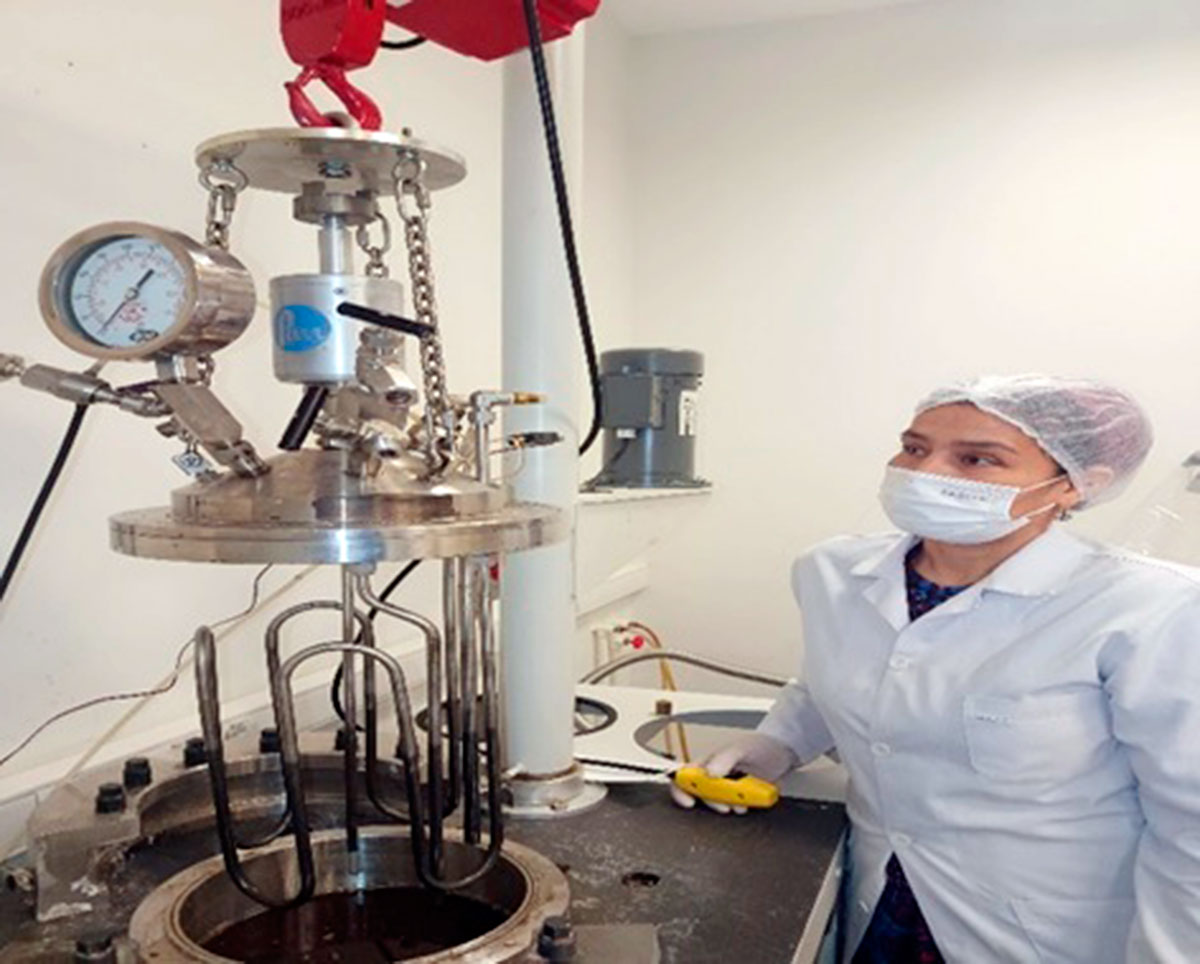
Specialists of the International Scientific and Technological Park of the Academy of Sciences of Turkmenistan have conducted studies dedicated to issues of sand migration and desertification. As part of this work, a bionanocomposite material (BNCM) based on cyanobacterial biomass has been created, designed for stabilizing loose sands and preventing their movement.
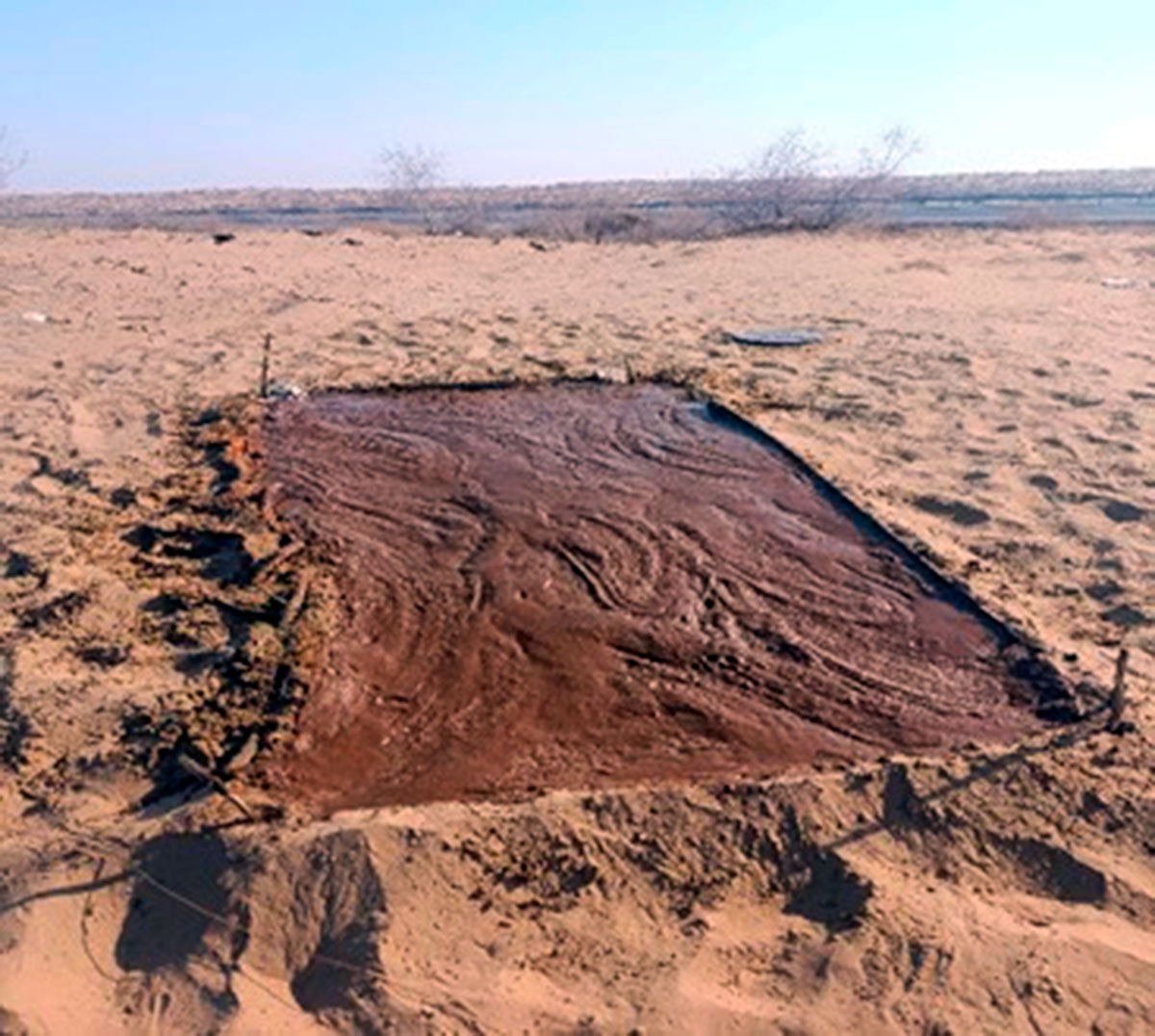
The new development involves the use of bacteria as promising agents in the fight against desertification. The method includes preparing the biomass, mixing it with specific components, applying it to desert dunes, and planting drought-resistant plants. This contributes to moisture retention and the formation of a fertile soil layer due to moisture condensation during daily temperature fluctuations.
Tests conducted on experimental plots in desert sand conditions confirmed the effectiveness of the stabilizing properties of the developed material, as well as the high survival rate and growth speed of the planted vegetation. This approach demonstrates significant potential in combating erosion and restoring degraded lands.
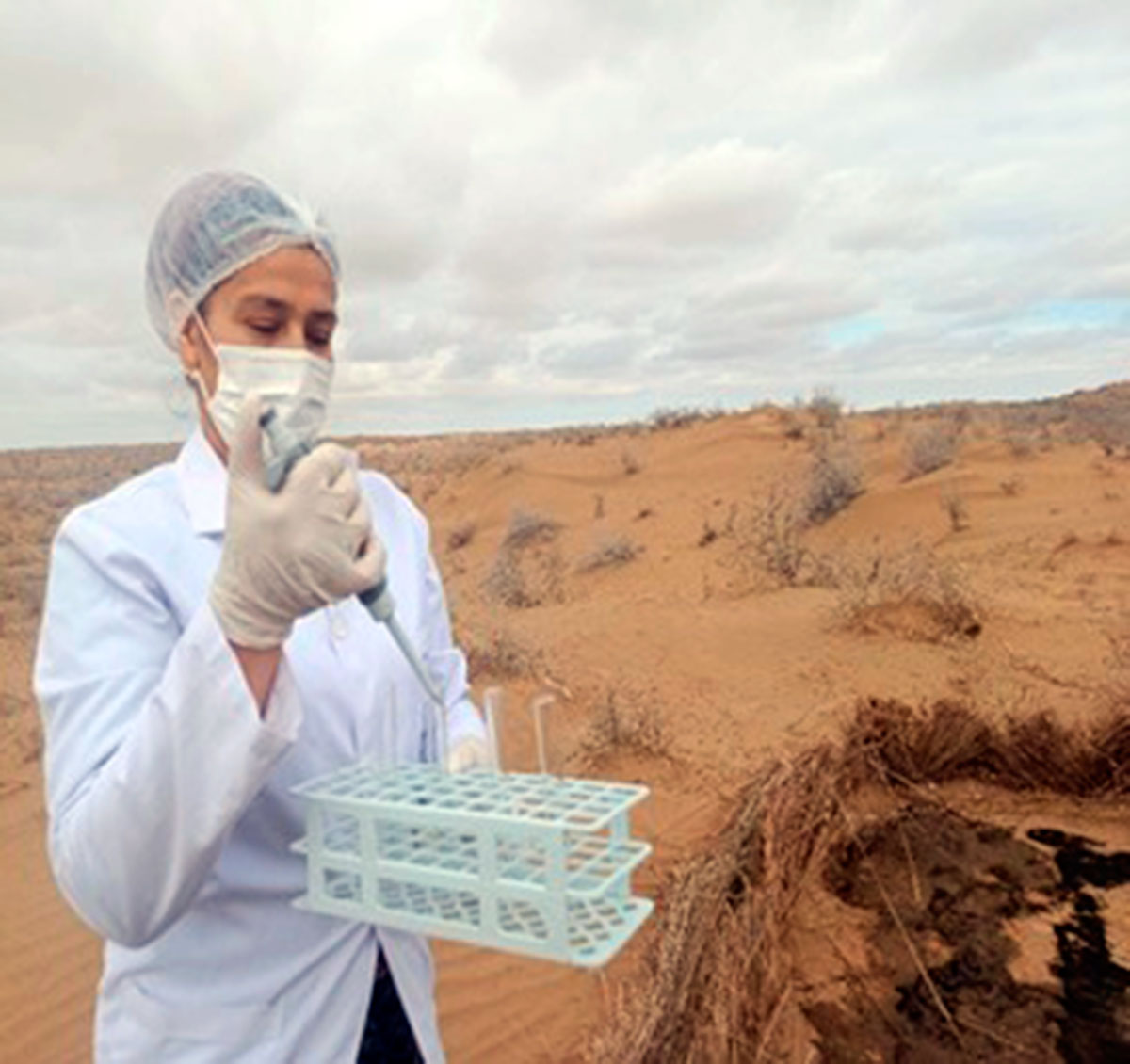
The bionanocomposite material developed by Turkmen scientists can be applied in the phytomelioration of eroded and desertified lands in dry-steppe zones, especially under conditions of climate change and drought. This innovative technology represents an important contribution to the national strategy for combating desertification and is aligned with Turkmenistan’s international obligations under the UN Convention to Combat Desertification and its National Action Program.

The use of biotechnologies and new materials opens up prospects for the effective restoration and protection of the land resources of our country, where about 80% of the territory is covered by desert.
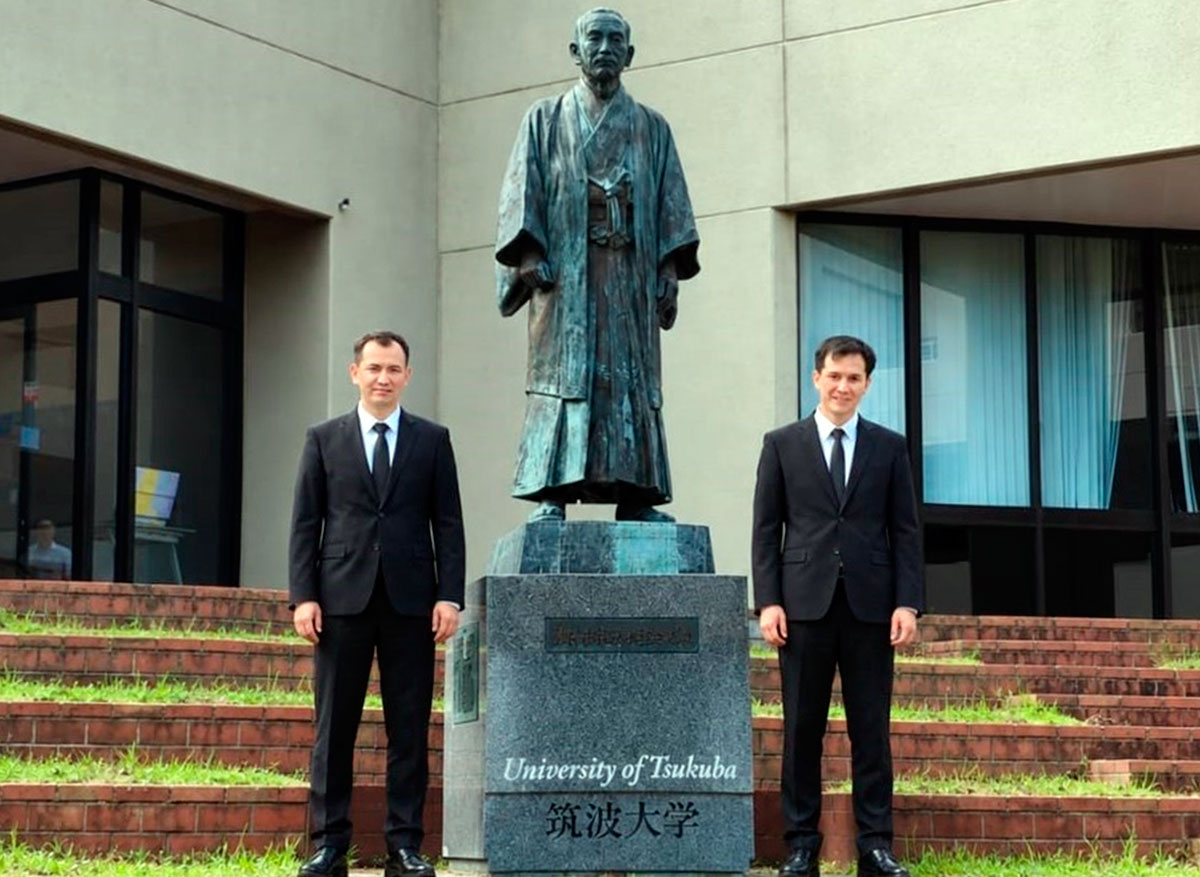
The development was carried out by the Director of the International Scientific and Technological Park of the Academy of Sciences of Turkmenistan, Doctor of Chemical Sciences D. Gadamov; the Head of the Biotechnology Laboratory A. Rakhmanova; Senior Researcher of the Laboratory A. Ashyrova; and Laboratory Assistant A. Annamova. The testing and scientific work were conducted within the framework of a project that was certified by the State Service for Intellectual Property of the Ministry of Finance and Economy of Turkmenistan.