


An ethnographic photo exhibition entitled “Through the Ages: Kazakh Culture in Photographs” has opened at the Museum of Fine Arts of Turkmenistan, inviting visitors on a fascinating journey into the past.
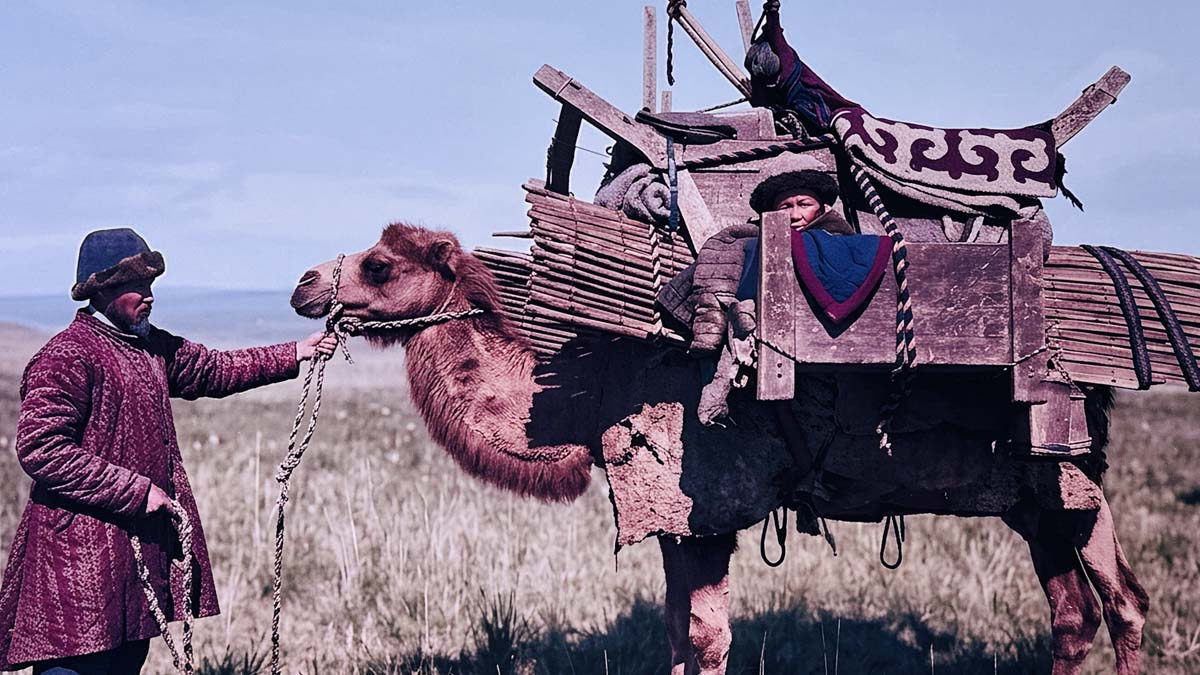
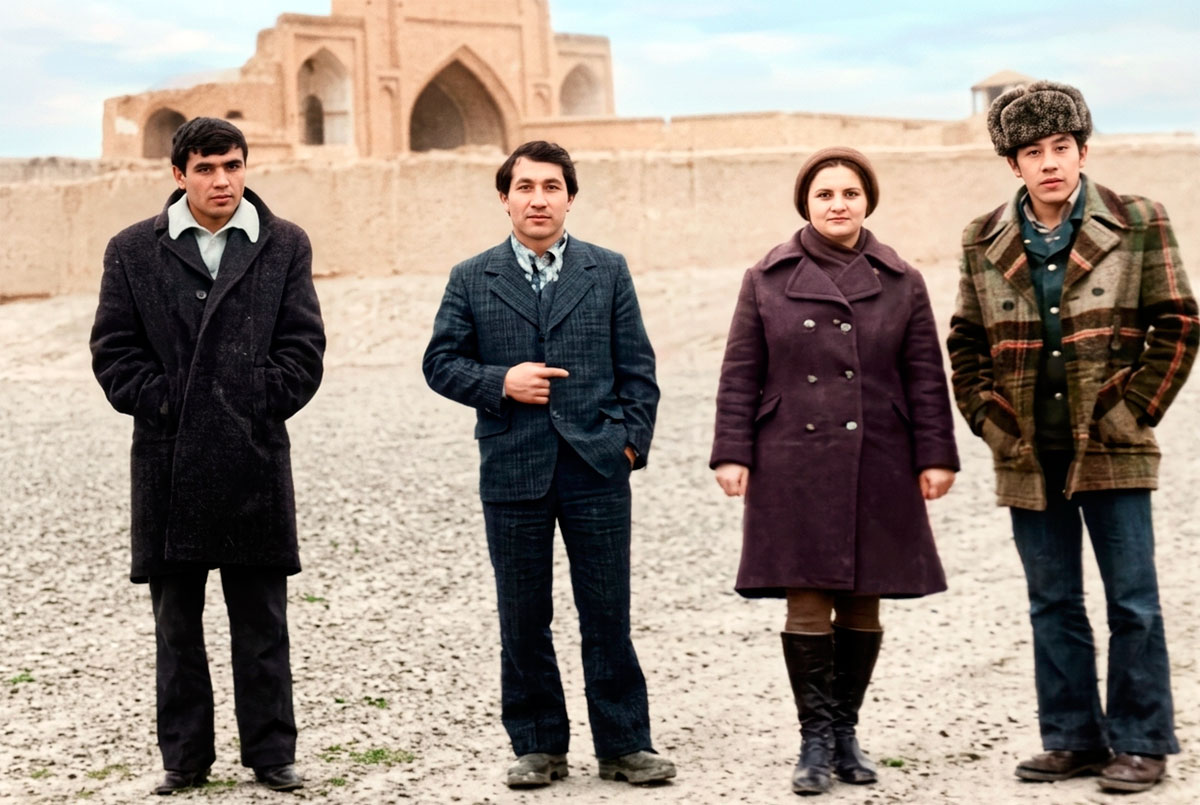
The exhibition features archival photographs from the collections of the National Central Museum of the Republic of Kazakhstan. These historical images depict traditional ways of life, national identity, distinctive clothing, rituals, and customs, offering a rare opportunity to explore the historical and cultural heritage of the Kazakh people from the late nineteenth to the early twentieth century.
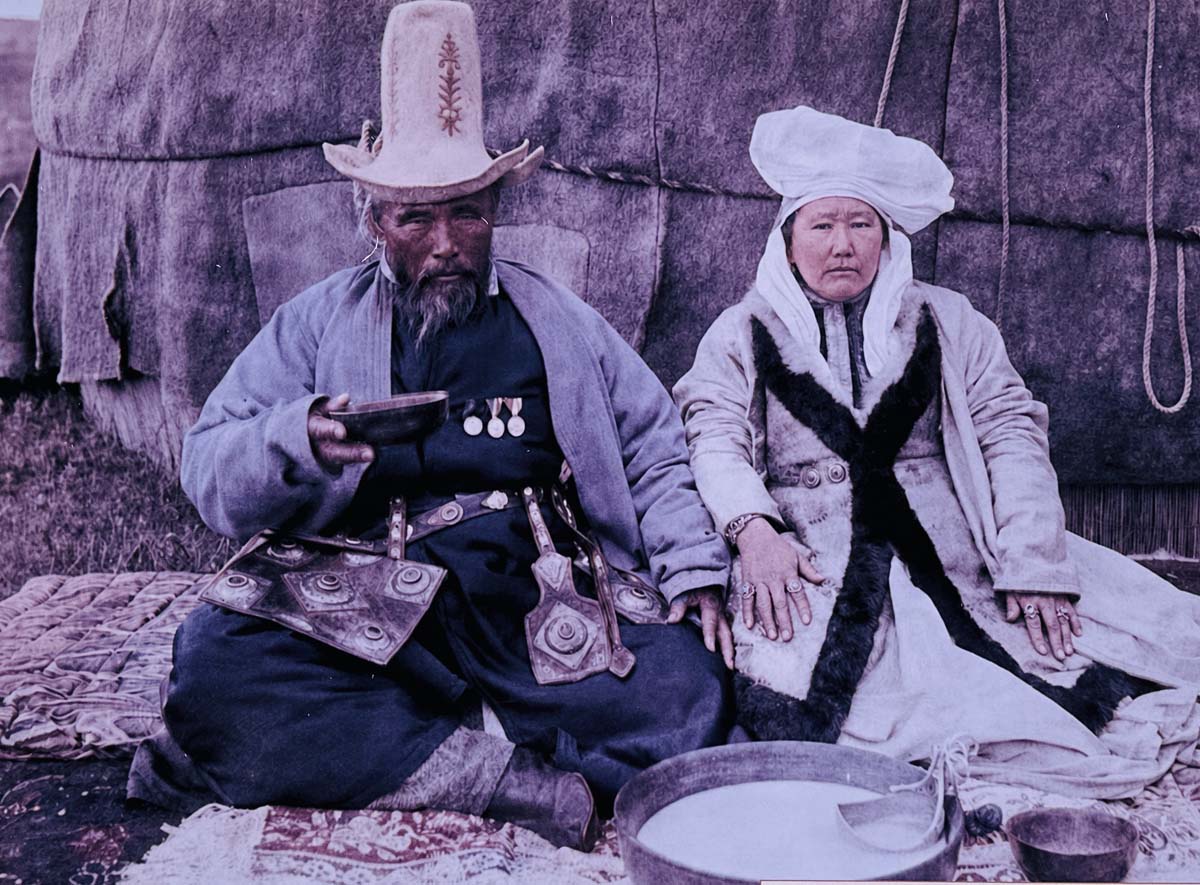
The photographs on display are organized into several thematic sections. One section is devoted to traditional clothing, adorned with intricate national patterns and ornaments. Traditional ornamentation served not merely as decoration but also as a symbolic language that conveyed information about a person’s social status and tribal affiliation.
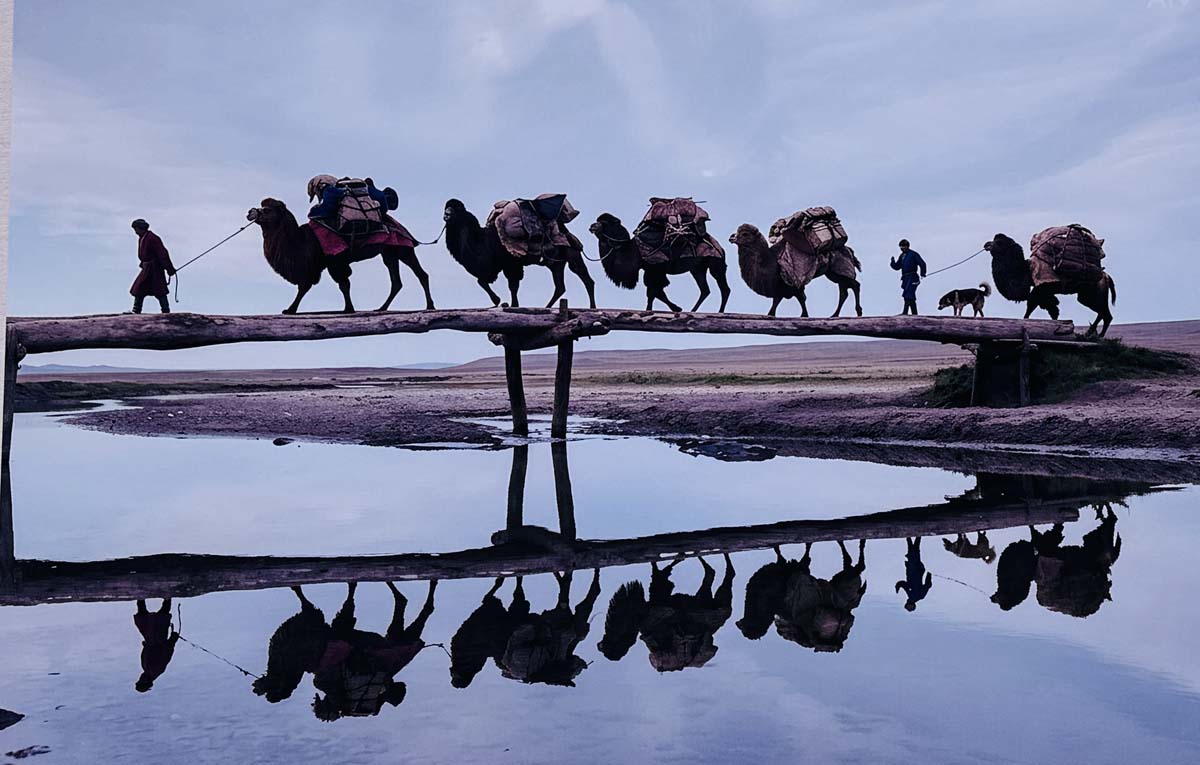
In the sections devoted to everyday life, particular attention is drawn to storage items, including carved and metal-reinforced chests for clothing, as well as specially designed wooden and leather containers for food. These everyday objects reveal the remarkable ingenuity and practicality of people in the past, who were able to create durable, aesthetically pleasing, and functional items suited to the demands of a nomadic lifestyle.
A separate section of the exhibition explores family traditions and social relationships. One photograph captures a well-to-do family, portraying a married couple with a bowl of kumis, an ancient, healing, and deeply revered drink of the nomads.
The central symbol of the home and the focal point of the domestic environment is the yurt, known in Kazakh as kiiz üy, meaning “a house made of felt.” The photographs provide a detailed look at its structural elements: the wooden lattice framework known as kerege, which forms the walls; the flexible poles called uyk, which create the dome; and the circular crown known as shanyrak, which forms the top of the dwelling and serves as a ceiling opening and a vent for smoke. This practical and convenient dwelling, which could be easily assembled during seasonal migrations, became a true masterpiece of steppe architecture. The shanyrak remains an important national symbol and is featured on Kazakhstan’s state emblem to this day.
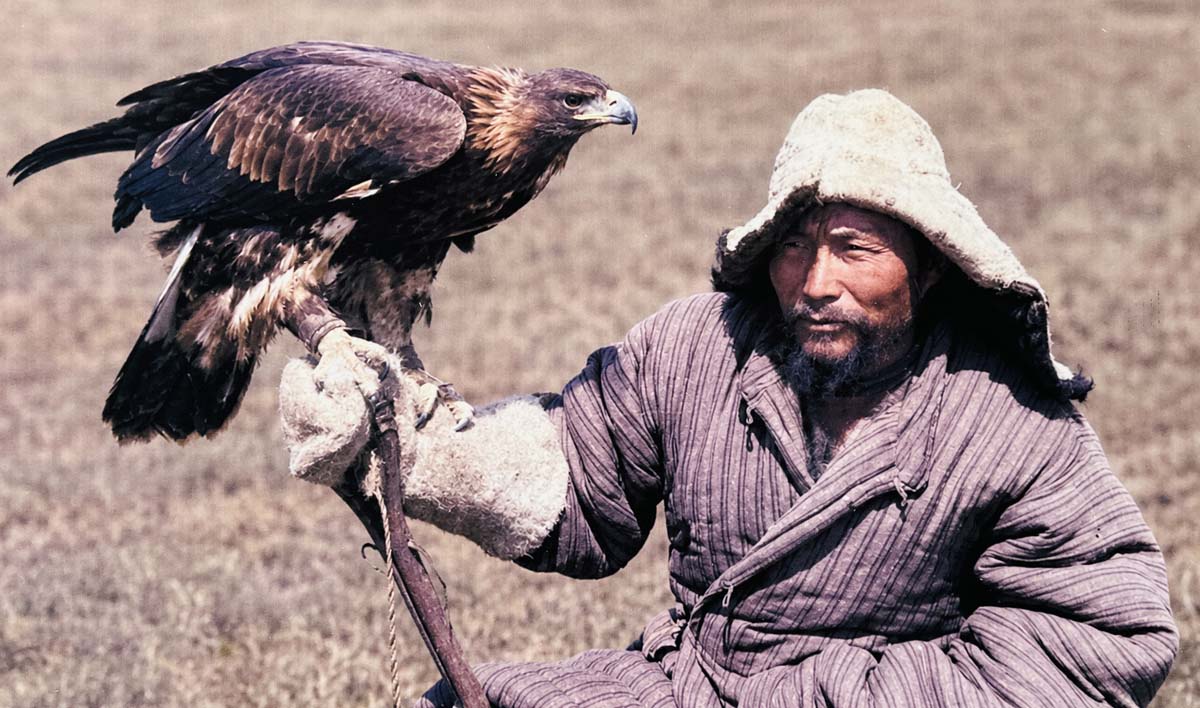
The exhibition also offers a detailed introduction to the economic activities, crafts, and spiritual culture of nomadic peoples. One of its highlights is the tradition of hunting with birds of prey, one of the oldest arts of the Great Steppe. The photographs portray master eagle hunters and falconers, known as berkutchi and kusbegi (“masters of birds of prey”), who passed down the secrets of training and handling these magnificent birds from generation to generation.
To preserve these invaluable historical records, artificial intelligence technologies were used in preparing the exhibition. Their application was strictly limited to the careful restoration and visual enhancement of photographs damaged by the passage of time, without distorting their historical authenticity.
The exhibition, which will remain open until October 28, 2026, has become a genuine gift for residents and visitors to the capital. Exploring the traditions, applied arts, and cultural spirit of this brotherly nation not only provides a memorable experience but also strengthens the centuries-old bonds of friendship and mutual understanding between Turkmenistan and Kazakhstan.