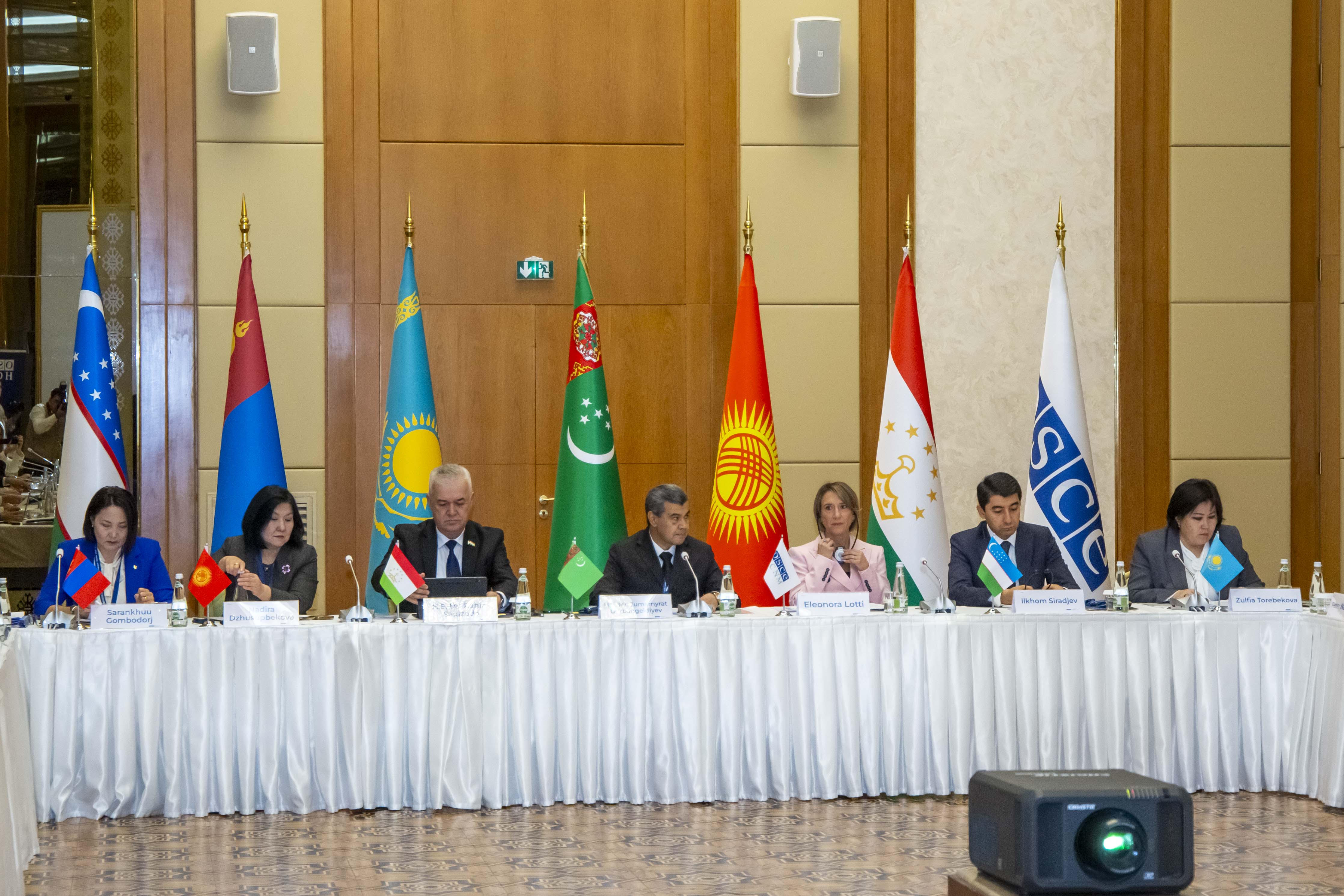



The annual International Conference and Exhibition “Oil and Gas of Turkmenistan– 2026” (OGT-2026) was held in Ashgabat. The forum traditionally serves as a prominent platform for showcasing the achievements of the country’s domestic fuel and energy sector, attracting direct investment, and discussing the industry’s strategic priorities. This year, environmental safety and the sustainable development of offshore fields occupied a particularly important place on the agenda.
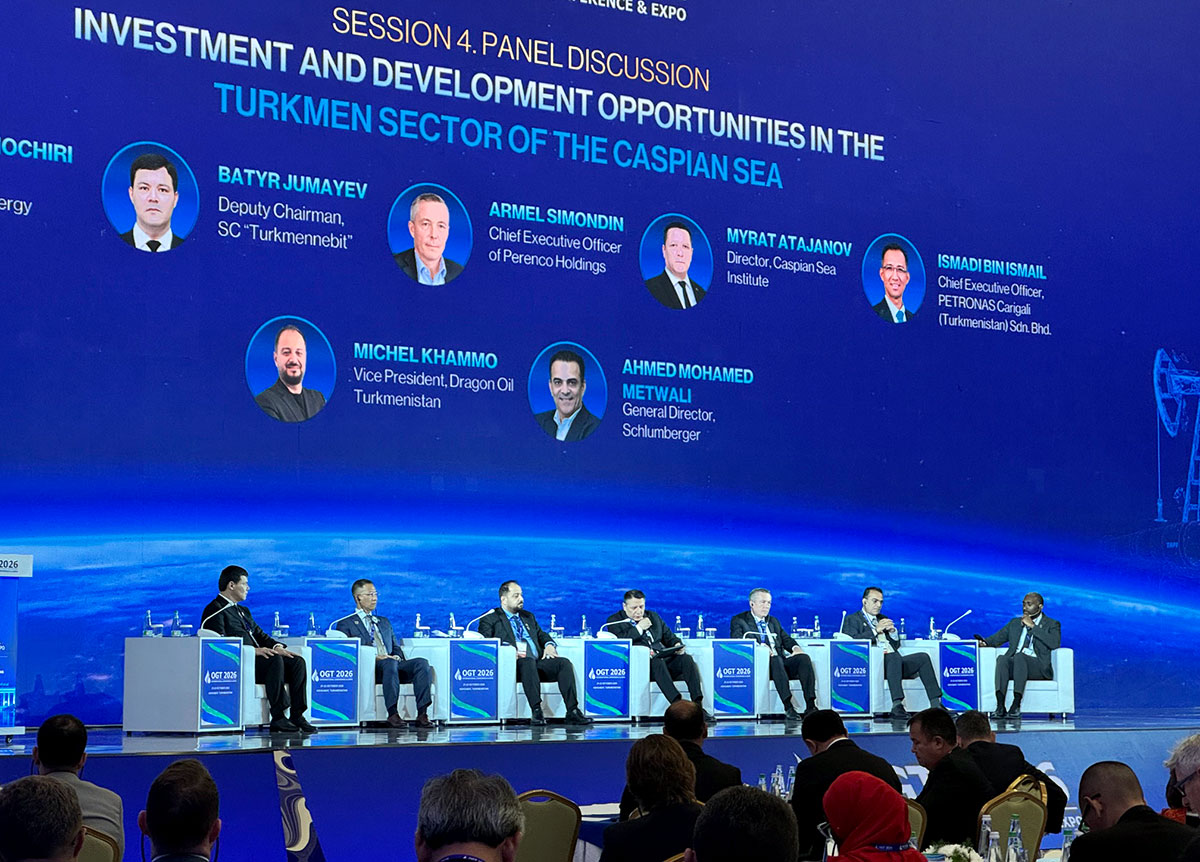
Particular attention among OGT-2026 participants was drawn to a speech by Myrat Atajanov, Director of the Turkmen Institute of the Caspian Sea, devoted to a shared regional challenge: the declining water level of the Caspian Sea and its impact on industrial and economic infrastructure.
The 2018 Convention on the Legal Status of the Caspian Sea remains the fundamental document establishing the framework for the rational use of natural resources in the region. However, ongoing changes in water depth and shoreline configuration are creating new risks that directly affect the oil and gas industry.
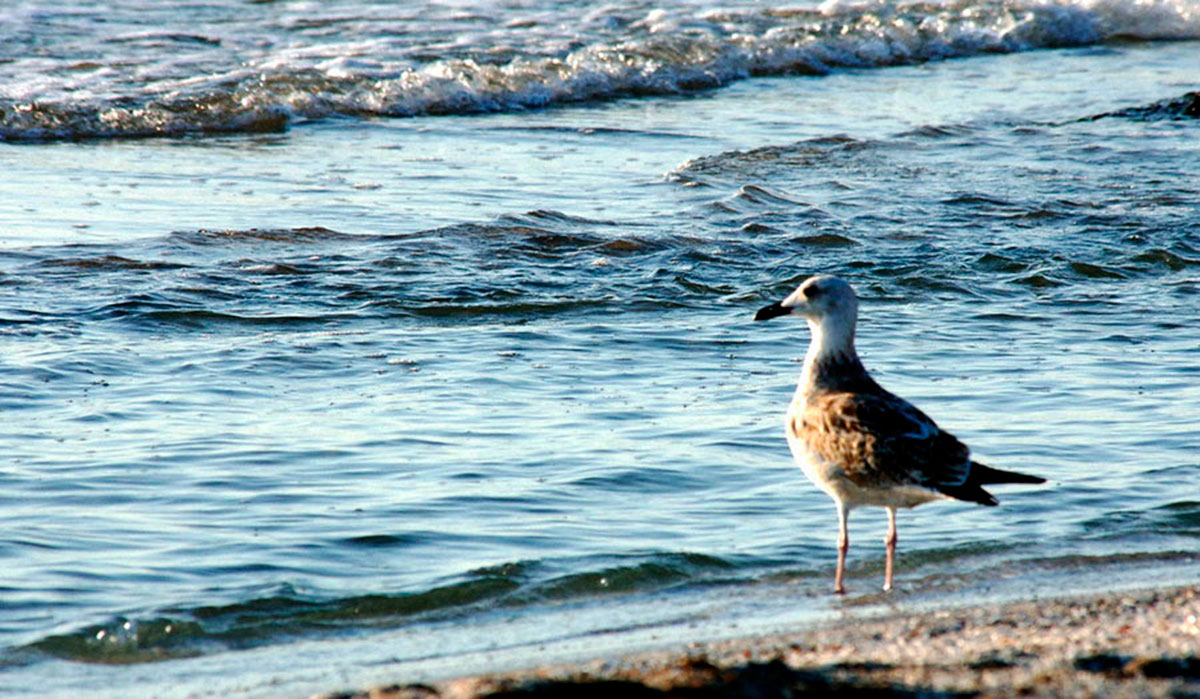
Coastal infrastructure faces risks associated with fluctuations in sea level, which affect the stability of coastal industrial facilities, the operation of access channels, and the functioning of seaports.
At the same time, offshore facilities are also facing potential threats. These arise as water levels decline, necessitating a reassessment of the operating conditions of offshore platforms, subsea pipelines, and other hydraulic engineering structures.
As M. Atajanov emphasized, under the current circumstances, a science-based assessment should include the development of adaptation measures and an analysis of infrastructure vulnerabilities at the earliest possible stages, from the design phase through long-term operation.
“A science-based approach makes it possible not only to reduce environmental and technical risks but also to improve predictability, which is crucial for long-term investment. A combination of economic efficiency, technological reliability, and environmental responsibility is an essential prerequisite for developing the Turkmen sector of the Caspian Sea,” noted the head of the research institute.
A practical response to the current situation will be the work of the Special Commission on Caspian Sea shallowing. The decision to establish the commission was made by the leaders of the five Caspian littoral states at the first Caspian Environmental Summit, which was recently held in the Avaza National Tourist Zone.
The new body’s primary task is to develop coordinated approaches based on objective scientific data, as the Caspian Sea constitutes a single ecosystem in which climatic and hydrological processes recognize no national borders.
A key institutional foundation for this work should be the initiative of Gurbanguly Berdimuhamedov, National Leader of the Turkmen People and Chairman of the Halk Maslahaty, to develop an Agreement on Cooperation in Marine Scientific Research in the Caspian Sea.
“The adoption of this document will make it possible to establish a continuous exchange of scientific information and monitoring methodologies, ensure the joint training of highly qualified specialists, and launch major bilateral and multilateral research projects,” explained the speaker.
The delegates at OGT-2026 agreed that only through the joint efforts of the scientific community, governments, and businesses will it be possible to preserve the unique ecosystem of the Caspian Sea while ensuring the efficient and safe development of its abundant hydrocarbon resources.