


New gas routes, investment opportunities in the Caspian and international agreements brought OGT 2026 into the international media spotlight. Held in Ashgabat on 21–23 October, the 31st International Conference and Exhibition “Oil and Gas of Turkmenistan” attracted coverage from media outlets in Russia, Azerbaijan, Kazakhstan, Türkiye, Malaysia and Afghanistan. Reports highlighted both the energy sector’s strategic plans and the tangible outcomes of negotiations.
Agreements signed during the forum attracted considerable attention. Russian news agencies reported on agreements with international companies covering cooperation in the Turkmen sector of the Caspian Sea, the development of oil and gas services, and the supply of industrial products. Statements on the prospects for the Trans-Caspian Gas Pipeline and preparations for Turkmenistan’s first underground gas storage project also generated separate coverage.
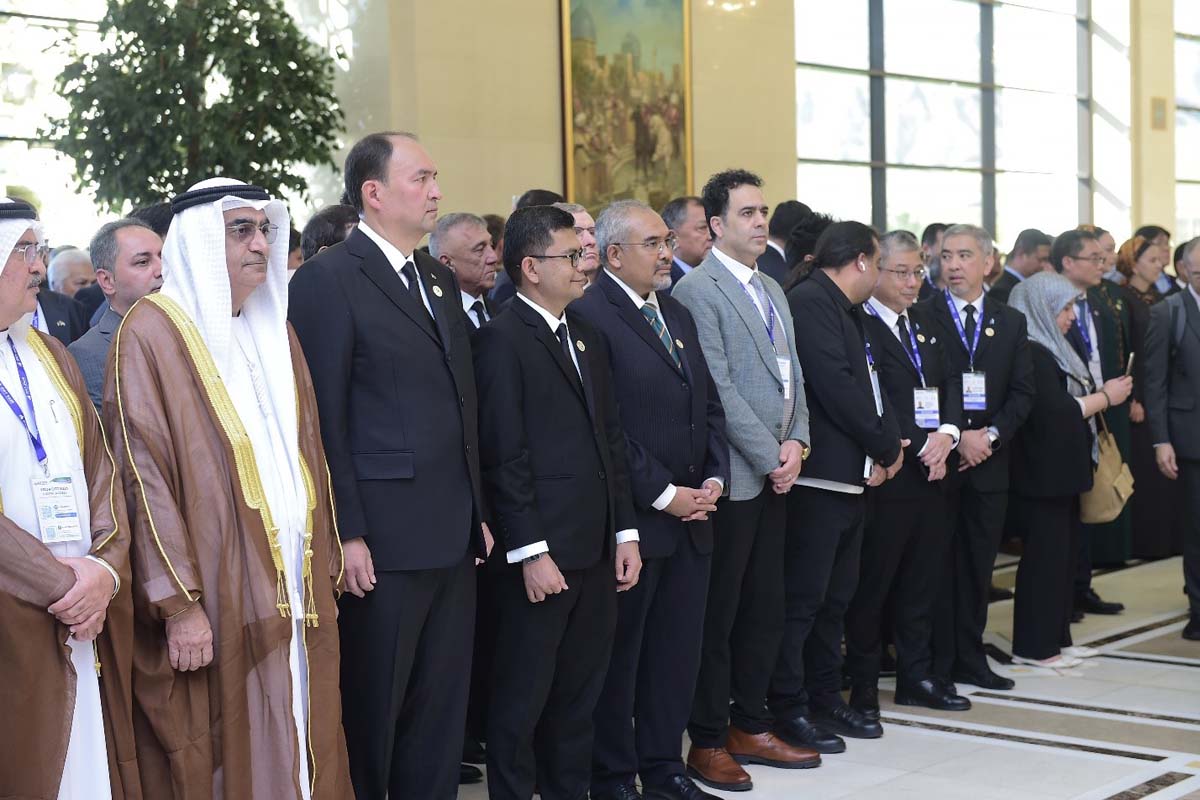
The Caspian agenda received extensive coverage in the Azerbaijani press. Articles on the conference explored offshore exploration and production opportunities, production sharing agreements and the conditions for attracting investment. Reports from the sessions highlighted international companies’ views on the importance of predictable commercial terms and cooperation with state partners in delivering long-term projects.
Export routes were a common theme across coverage by several regional media outlets. Publications in Kazakhstan examined investment opportunities in Turkmenistan and the proposed Central Asian Gas Ring. They considered the potential for additional supplies of Turkmen gas to neighbouring countries and the development of the necessary cross-border interconnections. Turkish coverage developed this theme through reporting on remarks by the head of BOTAŞ, prospects for transporting gas across the Caspian and through Türkiye to Europe, and the development of a long-term energy partnership.
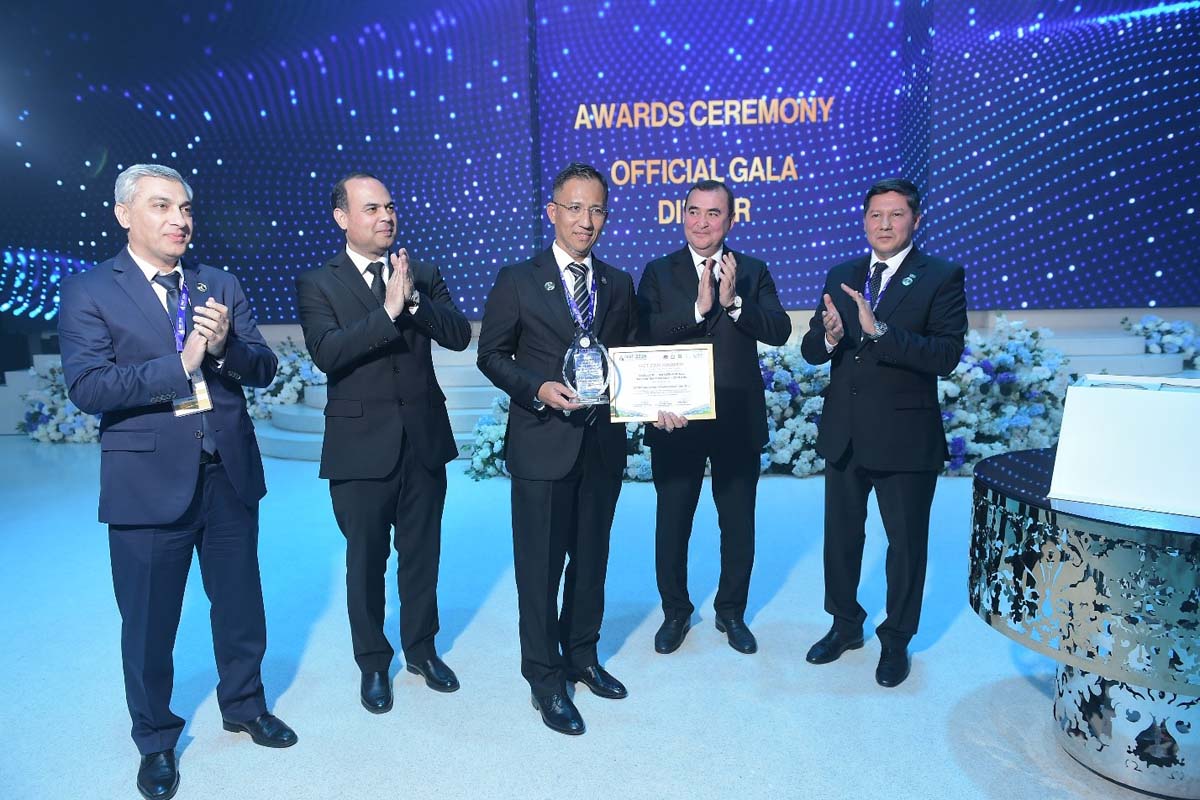
The forum received broad coverage in Malaysia. The participation of the national delegation and the opening of the first Malaysian pavilion at OGT provided an opportunity to explore new areas of cooperation with Turkmenistan. Reports focused on oil and gas services, specialised engineering, equipment and technological solutions. Particular emphasis was placed on Malaysian companies’ readiness to build long-term partnerships, including technology transfer and professional training.
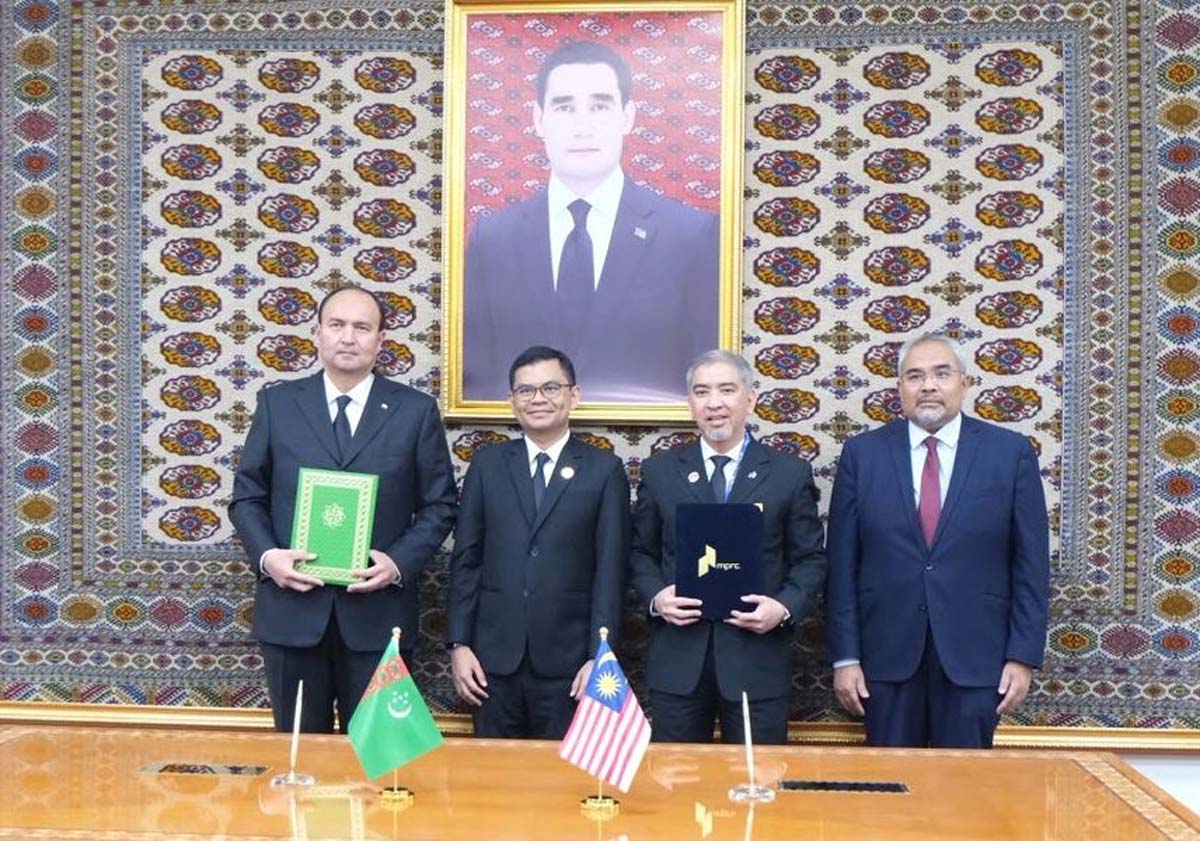
The Malaysian press also covered the visit by a delegation led by Minister of Economy Akmal Nasrullah Mohd Nasir and preparations for a memorandum of understanding between the State Concern Türkmennebit and Malaysia Petroleum Resources Corporation (MPRC). As confirmed in MPRC’s official statement, the memorandum was signed on 22 October during OGT 2026 in the minister’s presence. It provides for cooperation in oil and gas services and equipment, technology exchange and joint research initiatives. Reports also noted meetings with the leadership of Dragon Oil and Eni Turkmenistan. MPRC President and Chief Executive Officer Mohd Yazid Ja’afar stated: “MPRC also sees Turkmenistan as a gateway to the wider Central Asian region.”
The forum’s regional significance was reflected in Afghan media coverage. Reports highlighted meetings between representatives of Afghanistan’s business community, Turkmen partners and international oil and gas companies, alongside discussions on trade ties and investment opportunities. Particular attention was given to the prospects for natural gas supplies through the TAPI pipeline.
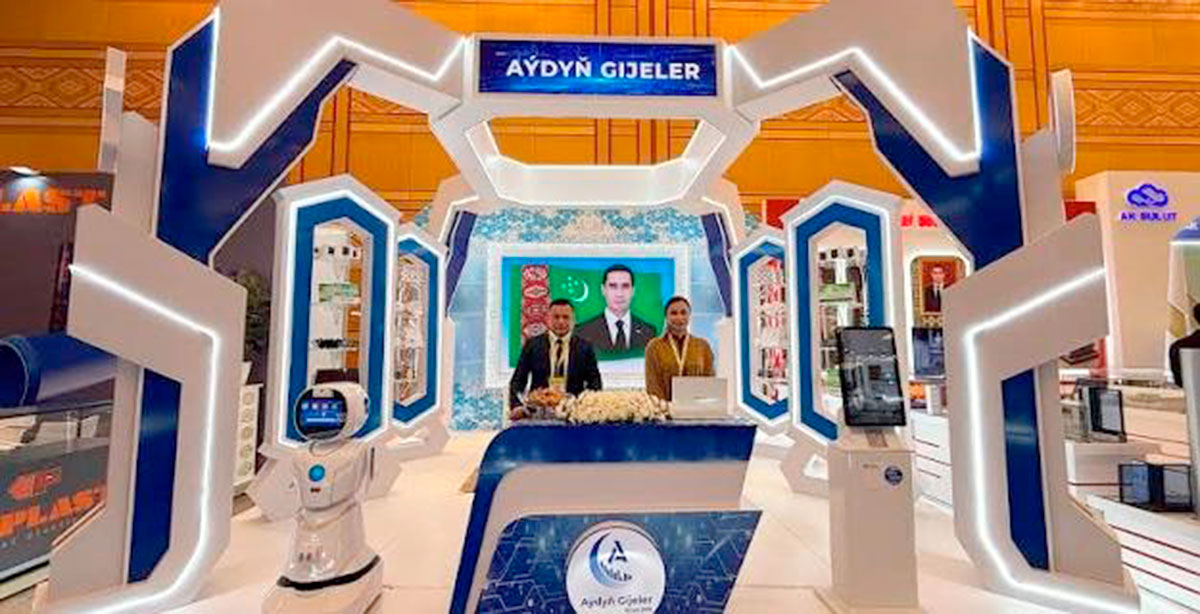
Alongside projects and agreements, international media also covered the technological dimension of OGT 2026. Technologies showcased at the exhibition, industrial digitalisation and the humanoid robot A.L.I. featured in reports by Russian and Chinese-language outlets. Coverage of the business sessions examined the use of artificial intelligence, workforce training and methane emissions reduction.
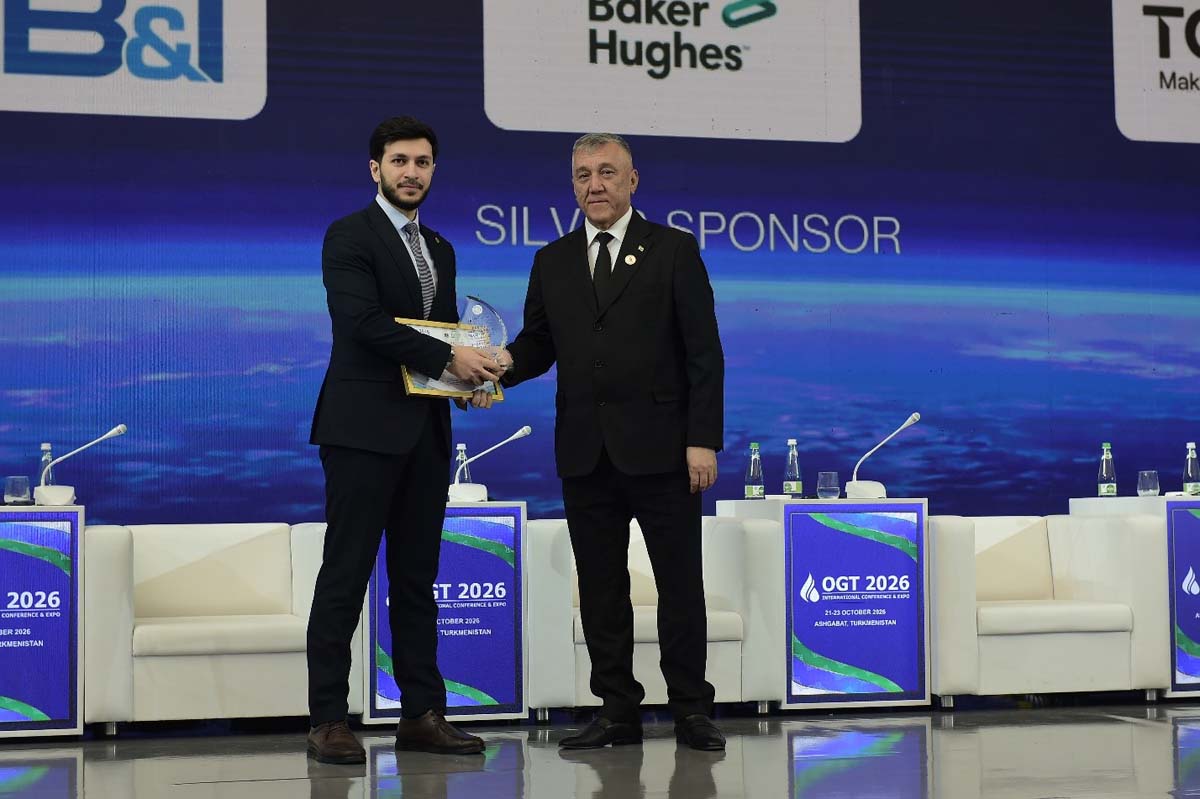
International coverage continued after the forum closed. Post-event reviews linked the development of the Galkynysh gas field, export infrastructure, gas processing and technological cooperation with the agreements reached during the event. The international media agenda surrounding OGT 2026 thus spanned the entire energy value chain, from the resource base and production technologies to export markets and new international partnerships.