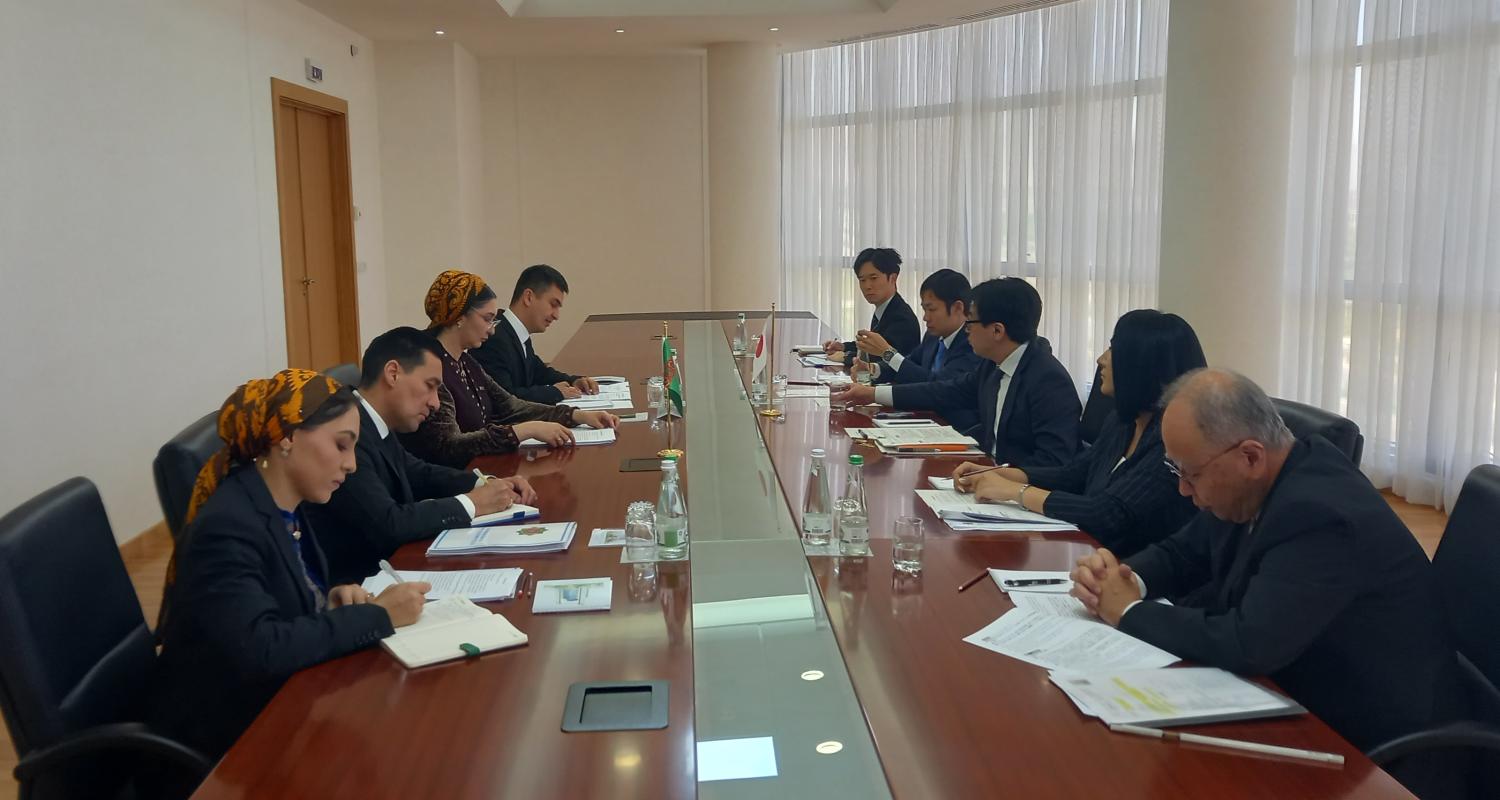



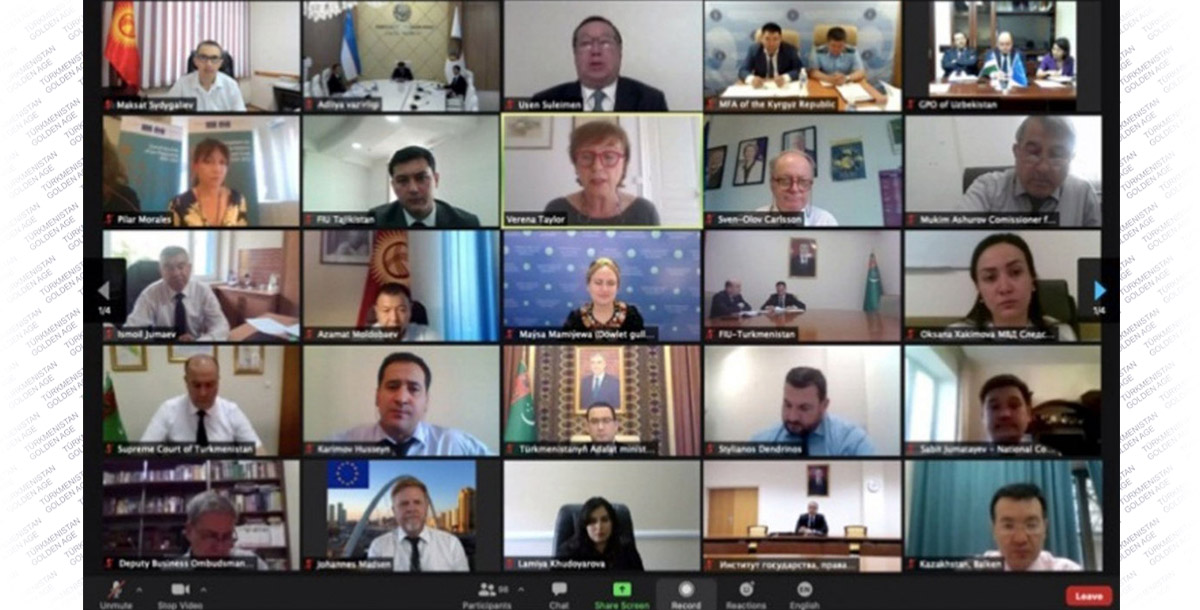
The first Meeting of the Regional Steering Committee of the European Union/Council of Europe joint programme «Central Asia Rule of Law Programme» (2020 – 2023) was organized online on Friday, June 4, 2021. The meeting was attended by representatives from Turkmenistan, Kazakhstan, Kyrgyz Republic, Tajikistan, and Uzbekistan.
The Central Asia Rule of Law Programme (2020 – 2023) is a co-operation initiative based on the partnership between the European Union, Council of Europe and the authorities of the Central Asian countries (Kazakhstan, Kyrgyz Republic, Tajikistan, Turkmenistan, Uzbekistan). The Programme consists of three main actions (projects): Facilitating the creation of a common legal space between Europe and Central Asia and enhancing human rights protection; Promoting transparency and action against economic crime; Promote efficient functioning of state institutions and public administration.
Ambassador of the EU Delegation to Kazakhstan Sven-Olov Carlsson, Director of the Office of the Directorate General of Programmes of the Council of Europe Verena Taylor, high-level officials of the Ministries of Foreign Affairs, Ministries of Justice, General Prosecutor’s Offices, Supreme Courts, Anti-Corruption Agencies, Constitutional Councils, Ombudsman’s Offices and other institutions of the Central Asian countries took part in the conference.
The participants took stock of the Programme’s progress, achieved over the past 17 months and discussed the plans and prospects of joint work till 2023.
The Programme aims to reinforce rule of law and democracy in Central Asian by offering assistance to reform processes, based on a demand-driven approach.