


The works on the study, preservation and restoration of the priceless monuments of the past, which our country is rich in, are of particular significance in the Year of Reverence for Heritage, Reforms in the Motherland in Turkmenistan. Standing as integral part of the world culture, they are of paramount importance for the Turkmen people’s spiritual life.


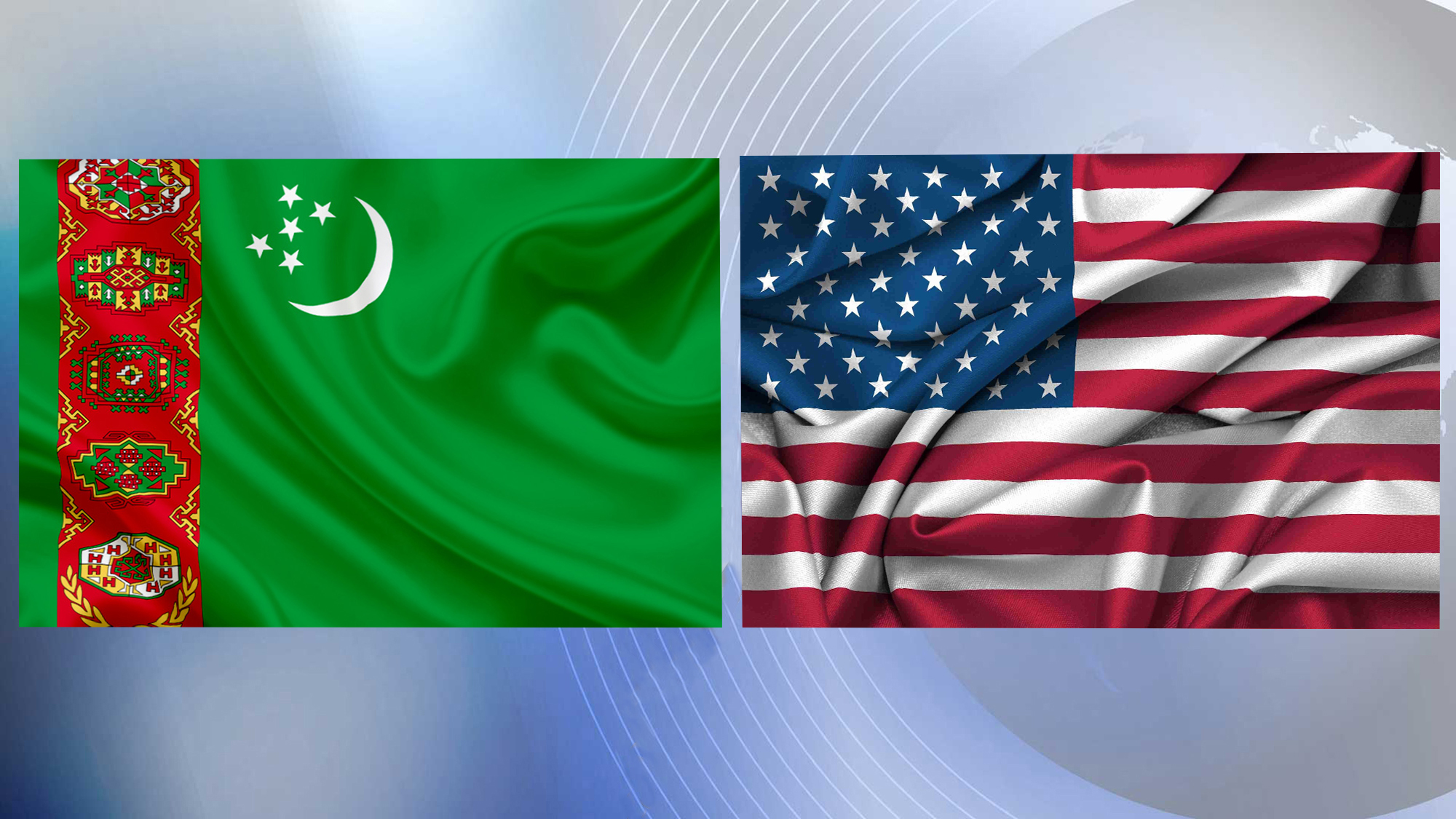
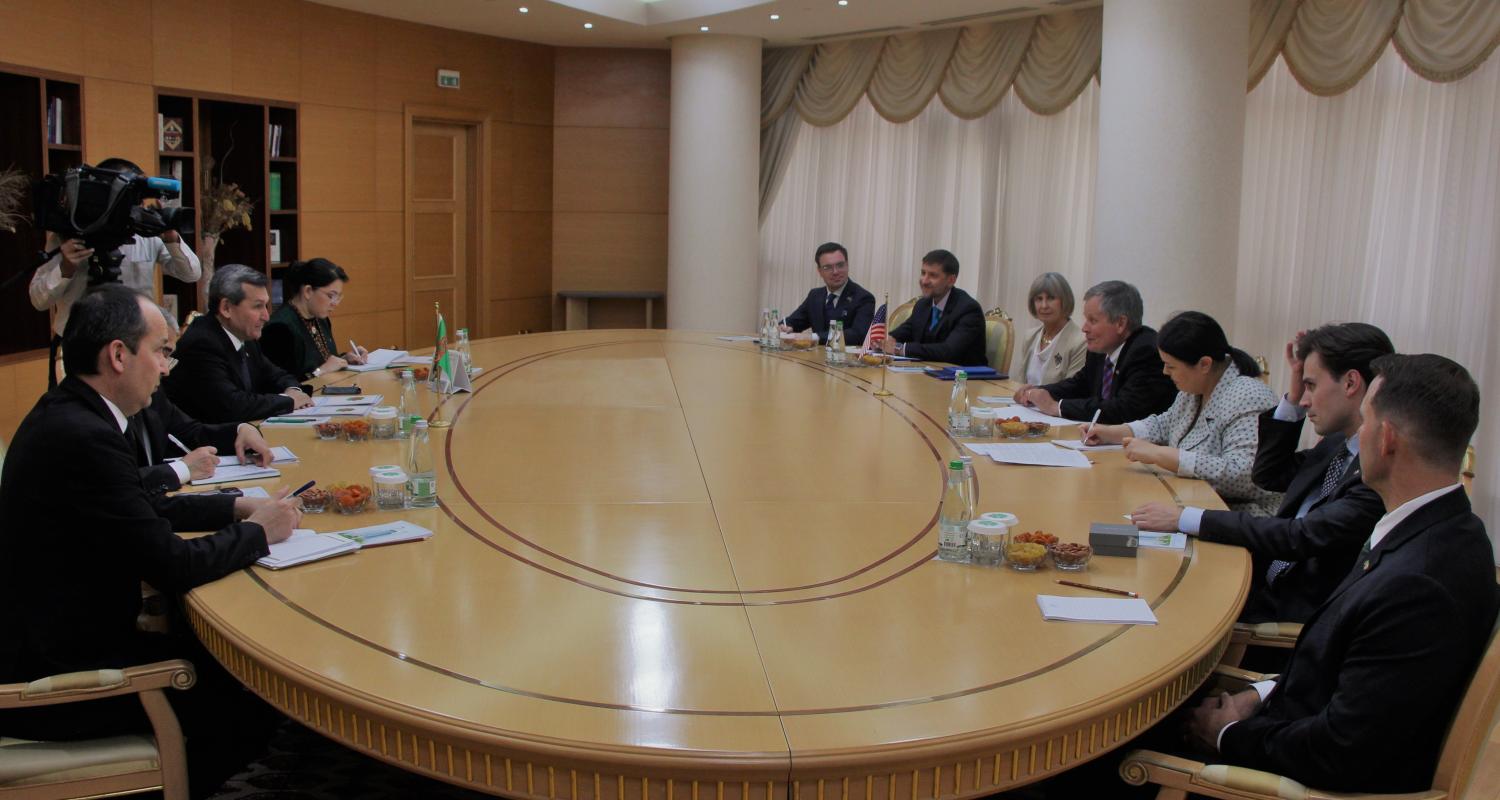
One of the main aspects of the state policy in the sphere of preservation and restoration of the monuments of the national history and culture, pursued by President of Turkmenistan Gurbanguly Berdimuhamedov, is cooperation with the authoritative international organizations and funds, including the U.S. Ambassadors Fund for Cultural Preservation (AFCP). This year, with the support of the Fund, the restoration works have been done at the medieval Dayahatyn caravanserai in Lebap Velayat and Ismamut-ata architectural complex in Dashoguz Velayat, that have become another project in the framework of the Turkmen-American cooperation in the sphere of culture. The first one was implemented by the specialists of the National Department of Turkmenistan for Protection, Study and Restoration of Monuments of History and Culture, and the second one – by the specialists of the Institute of History of the Academy of Sciences of Turkmenistan.


The U.S. Ambassadors Fund for Cultural Preservation (AFCP), which was established 15 years ago, is the programme of the U.S. government that supports foreign projects focused on the conservation of archeological excavations, restoration of historical buildings, museum collections, ancient manuscripts and rare prints, documentation of traditional forms of music, dance and language. In Turkmenistan, the Fund supported 20 various projects.
Thus, the ceremony of completion of the works on the restoration of mosaic of the XV century on the facade of the Seyit Djemaleddin Mosque in Anau took place in the Museum of Fine Arts on August 12. The project started three years ago and was implemented jointly by the specialist of the museum and their colleagues from the State Academy of Arts.


According to the specialists, this historical mosque is a perfect work of the medieval masters in Turkmenistan. The mosque harmoniously combines the stylistic purity and the high level of decorative effects of the monumental entrance to the prayer area. In the past, all those traveling along the old caravan routes from Ashgabat to Merv could see the shadow-figure of the mosque against the Kopetdag Mountains from afar.
The monument is well seen from the windows of trains running along the railway laid there at the end of the XIX century. Although the 1948 earthquake didn’t spare this unique architectural monument, it continues its life on the pages of books on the history of the East and the legends about the mosque built near the place of burial of saint Seyit Djemaleddin, the popular site of pilgrimage.
The key feature of the Anau mosque was the extremely rare image of two dragons decorating the entrance to the prayer area. These fantastic samples inspired many painters to creation of new works. The unique carpet depicting dragons of the Anau Mosque, which was woven in 1948, is exhibited in the Turkmen Carpet Museum.


This big mosaic composed of colorful ceramic tiles, which burst to pieces during the earthquake, was reconstructed 15 years ago and exhibited in the Hall of Antiquity in the Museum of Fine Arts. The project on restoration of this facility, which was implemented by the specialists of the National Department of Turkmenistan for Protection, Study and Restoration of Monuments of History and Culture with the support of the Fund, became the first project in the world under the Preservation of Cultural Heritage Programme.
That was also when a number of mosaic pieces from the facade of the Anau Mosque were handed over to the Museum of Fine Arts.
The new working group conducted additional excavation works and handed over the fragments of the facade covering to the museum many.


As a result of reconstruction works, the fragments of the mosaic were fixed in their places and the blank spaces were filled with gypsum with the outline draughtsmanship of the missing parts of the ornamental pattern. The panel picture of the tympan of the mosque in Anau, which testifies to the high art of the master of the XV century, is exhibited in the museum in full size.
Speaking during the presentation of the results of this project, Ambassador Extraordinary and Plenipotentiary of the United States Ambassador to Turkmenistan Allan Mustard highly evaluated the work of Turkmen art conservators and wished them every success in their work on the preservation of the national heritage.
The successful completion of the next project on restoration proves the efficiency of cooperation between the U.S. and Turkmenistan in the humanitarian sphere. The registration of all works on the scientific basis as well as in popular publications enrich the knowledge on the inexhaustible historical and cultural heritage of Turkmenistan, the popularization of which President Gurbanguly Berdimuhamedov pays significant attention to.
One of the main aspects of the state policy in the sphere of preservation and restoration of the monuments of the national history and culture, pursued by President of Turkmenistan Gurbanguly Berdimuhamedov, is cooperation with the authoritative international organizations and funds, including the U.S. Ambassadors Fund for Cultural Preservation (AFCP). This year, with the support of the Fund, the restoration works have been done at the medieval Dayahatyn caravanserai in Lebap Velayat and Ismamut-ata architectural complex in Dashoguz Velayat, that have become another project in the framework of the Turkmen-American cooperation in the sphere of culture. The first one was implemented by the specialists of the National Department of Turkmenistan for Protection, Study and Restoration of Monuments of History and Culture, and the second one – by the specialists of the Institute of History of the Academy of Sciences of Turkmenistan.
The U.S. Ambassadors Fund for Cultural Preservation (AFCP), which was established 15 years ago, is the programme of the U.S. government that supports foreign projects focused on the conservation of archeological excavations, restoration of historical buildings, museum collections, ancient manuscripts and rare prints, documentation of traditional forms of music, dance and language. In Turkmenistan, the Fund supported 20 various projects.
Thus, the ceremony of completion of the works on the restoration of mosaic of the XV century on the facade of the Seyit Djemaleddin Mosque in Anau took place in the Museum of Fine Arts on August 12. The project started three years ago and was implemented jointly by the specialist of the museum and their colleagues from the State Academy of Arts.
According to the specialists, this historical mosque is a perfect work of the medieval masters in Turkmenistan. The mosque harmoniously combines the stylistic purity and the high level of decorative effects of the monumental entrance to the prayer area. In the past, all those traveling along the old caravan routes from Ashgabat to Merv could see the shadow-figure of the mosque against the Kopetdag Mountains from afar.
The monument is well seen from the windows of trains running along the railway laid there at the end of the XIX century. Although the 1948 earthquake didn’t spare this unique architectural monument, it continues its life on the pages of books on the history of the East and the legends about the mosque built near the place of burial of saint Seyit Djemaleddin, the popular site of pilgrimage.
The key feature of the Anau mosque was the extremely rare image of two dragons decorating the entrance to the prayer area. These fantastic samples inspired many painters to creation of new works. The unique carpet depicting dragons of the Anau Mosque, which was woven in 1948, is exhibited in the Turkmen Carpet Museum.
This big mosaic composed of colorful ceramic tiles, which burst to pieces during the earthquake, was reconstructed 15 years ago and exhibited in the Hall of Antiquity in the Museum of Fine Arts. The project on restoration of this facility, which was implemented by the specialists of the National Department of Turkmenistan for Protection, Study and Restoration of Monuments of History and Culture with the support of the Fund, became the first project in the world under the Preservation of Cultural Heritage Programme.
That was also when a number of mosaic pieces from the facade of the Anau Mosque were handed over to the Museum of Fine Arts.
The new working group conducted additional excavation works and handed over the fragments of the facade covering to the museum many.
As a result of reconstruction works, the fragments of the mosaic were fixed in their places and the blank spaces were filled with gypsum with the outline draughtsmanship of the missing parts of the ornamental pattern. The panel picture of the tympan of the mosque in Anau, which testifies to the high art of the master of the XV century, is exhibited in the museum in full size.
Speaking during the presentation of the results of this project, Ambassador Extraordinary and Plenipotentiary of the United States Ambassador to Turkmenistan Allan Mustard highly evaluated the work of Turkmen art conservators and wished them every success in their work on the preservation of the national heritage.
The successful completion of the next project on restoration proves the efficiency of cooperation between the U.S. and Turkmenistan in the humanitarian sphere. The registration of all works on the scientific basis as well as in popular publications enrich the knowledge on the inexhaustible historical and cultural heritage of Turkmenistan, the popularization of which President Gurbanguly Berdimuhamedov pays significant attention to.