


The Authorized Representatives of Caspian Littoral States held a meeting with the aim to approve the drafts of statutory legal acts for cooperation between the Caspian littoral states.
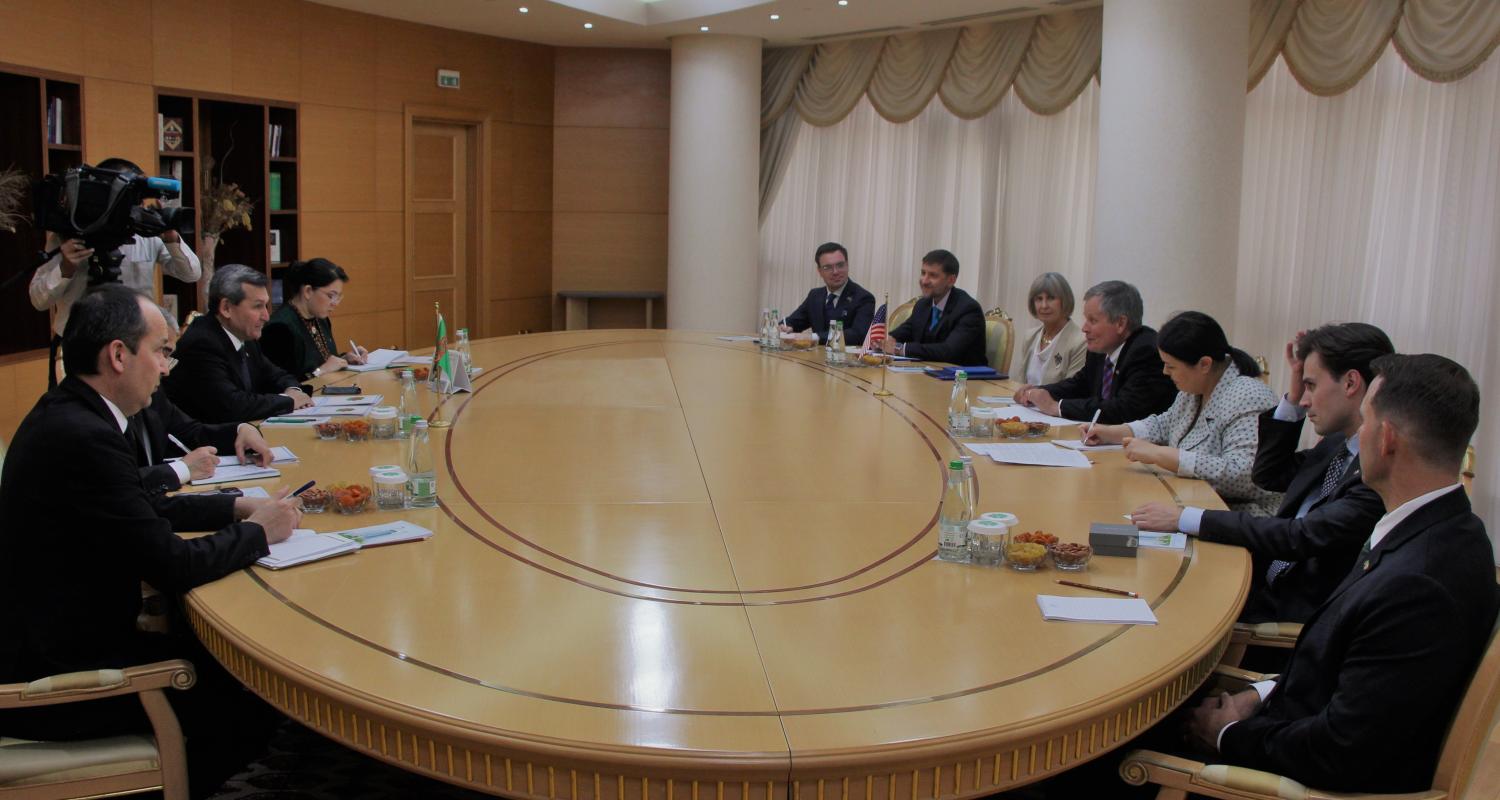
As was reported, the four-day meeting, which was organized by the Ministry of Foreign Affairs, the State Service of Maritime and River Transportation of Turkmenistan and the State Enterprise on the Caspian Sea under the President of Turkmenistan brought together heads and specialists of the ministries and departments of Azerbaijan, Iran, Kazakhstan, Russia and Turkmenistan.
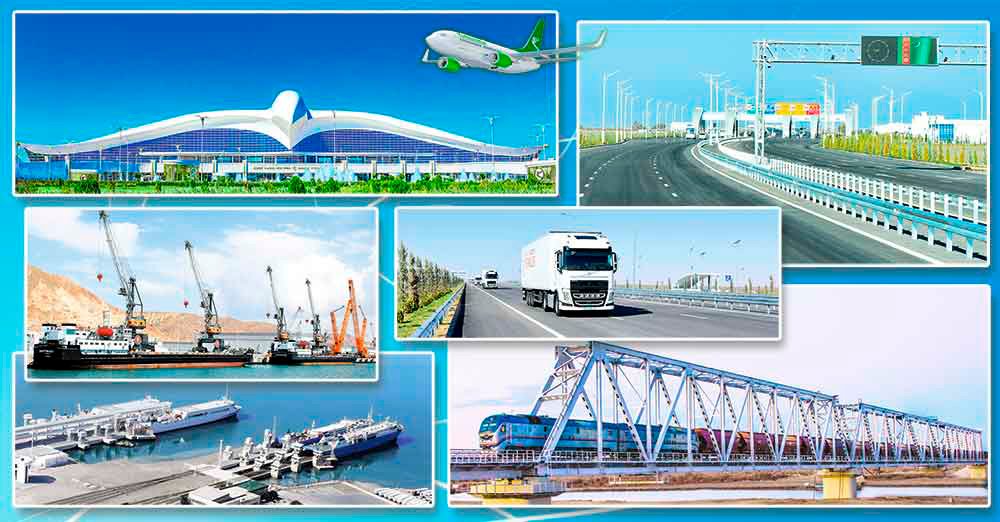
Within the framework of the Ashgabat meeting, the experts exchanged their views on the key provisions of the Agreement on transport cooperation between the Caspian states. The document is aimed at intensifying freight and passenger transportation, widening a range of services offered in this sphere, developing modern transport and logistics infrastructure, which includes commercial seaports and other types of transport – road, railway, air, etc.
The meeting participants discussed the draft document prepared by Turkmen specialists – the Protocol on Cooperation in the Safety of Maritime Navigation in the Caspian Sea.
It should be noted that the Agreement on Cooperation in the Safety of Maritime Navigation in the Caspian Sea was signed in the framework of the III Summit of the Heads of Caspian Littoral States in Baku, Azerbaijan in November, 2010. In this document, the Caspian littoral states reaffirm their commitment to the generally recognized norms and principles of international law and their aspiration for deepening and widening friendly relations as well as the readiness to contribute to the regional security and stability, the development and strengthening of partnership in using the Caspian Sea resources exclusively for peaceful purposes.
Speaking during the Summit, President Gurbanguly Berdimuhamedov underscored that guaranteeing stability and security was essential for the successful cooperation in the Caspian Sea.
The Protocol on Cooperation in the Safety of Maritime Navigation in the Caspian Sea is designed to prevent accidents in the sea, protect the life and health of crew members and passengers as well as guarantee the safety of vessels and cargoes.
The document covers a wide range of issues to ensure the compliance with the specified requirements, norms and standards in construction, equipment and support of sea ships, their maintenance, professional development of crews, the organisation of search and rescue operations at sea, control over sea ports, investigation of accidents, prevention of harmful external factors dangerous to navigation, including marine pollution, artificial sea facilities, including submarine communications cables, pipelines, drilling platforms, vessels, etc.
Confirming the readiness to develop and enhance the mutually beneficial dialogue, the meeting participants put forward a number of specific proposals and underlined the importance of consultations on a regular basis.
Thus, the meeting, which has become another important step taken to harmonize the positions of the five Caspian littoral states, once again illustrated the willingness of the countries to speed up the work on drafting basic documents aimed at ensuring stability and security, sustainable economic development, wellbeing and prosperity in the Caspian Sea. The meeting served as an illustrative example in solving problems based on the principles of equality and respect for national interests of all the littoral states.
As was reported, the four-day meeting, which was organized by the Ministry of Foreign Affairs, the State Service of Maritime and River Transportation of Turkmenistan and the State Enterprise on the Caspian Sea under the President of Turkmenistan brought together heads and specialists of the ministries and departments of Azerbaijan, Iran, Kazakhstan, Russia and Turkmenistan.
Within the framework of the Ashgabat meeting, the experts exchanged their views on the key provisions of the Agreement on transport cooperation between the Caspian states. The document is aimed at intensifying freight and passenger transportation, widening a range of services offered in this sphere, developing modern transport and logistics infrastructure, which includes commercial seaports and other types of transport – road, railway, air, etc.
The meeting participants discussed the draft document prepared by Turkmen specialists – the Protocol on Cooperation in the Safety of Maritime Navigation in the Caspian Sea.
It should be noted that the Agreement on Cooperation in the Safety of Maritime Navigation in the Caspian Sea was signed in the framework of the III Summit of the Heads of Caspian Littoral States in Baku, Azerbaijan in November, 2010. In this document, the Caspian littoral states reaffirm their commitment to the generally recognized norms and principles of international law and their aspiration for deepening and widening friendly relations as well as the readiness to contribute to the regional security and stability, the development and strengthening of partnership in using the Caspian Sea resources exclusively for peaceful purposes.
Speaking during the Summit, President Gurbanguly Berdimuhamedov underscored that guaranteeing stability and security was essential for the successful cooperation in the Caspian Sea.
The Protocol on Cooperation in the Safety of Maritime Navigation in the Caspian Sea is designed to prevent accidents in the sea, protect the life and health of crew members and passengers as well as guarantee the safety of vessels and cargoes.
The document covers a wide range of issues to ensure the compliance with the specified requirements, norms and standards in construction, equipment and support of sea ships, their maintenance, professional development of crews, the organisation of search and rescue operations at sea, control over sea ports, investigation of accidents, prevention of harmful external factors dangerous to navigation, including marine pollution, artificial sea facilities, including submarine communications cables, pipelines, drilling platforms, vessels, etc.
Confirming the readiness to develop and enhance the mutually beneficial dialogue, the meeting participants put forward a number of specific proposals and underlined the importance of consultations on a regular basis.
Thus, the meeting, which has become another important step taken to harmonize the positions of the five Caspian littoral states, once again illustrated the willingness of the countries to speed up the work on drafting basic documents aimed at ensuring stability and security, sustainable economic development, wellbeing and prosperity in the Caspian Sea. The meeting served as an illustrative example in solving problems based on the principles of equality and respect for national interests of all the littoral states.