


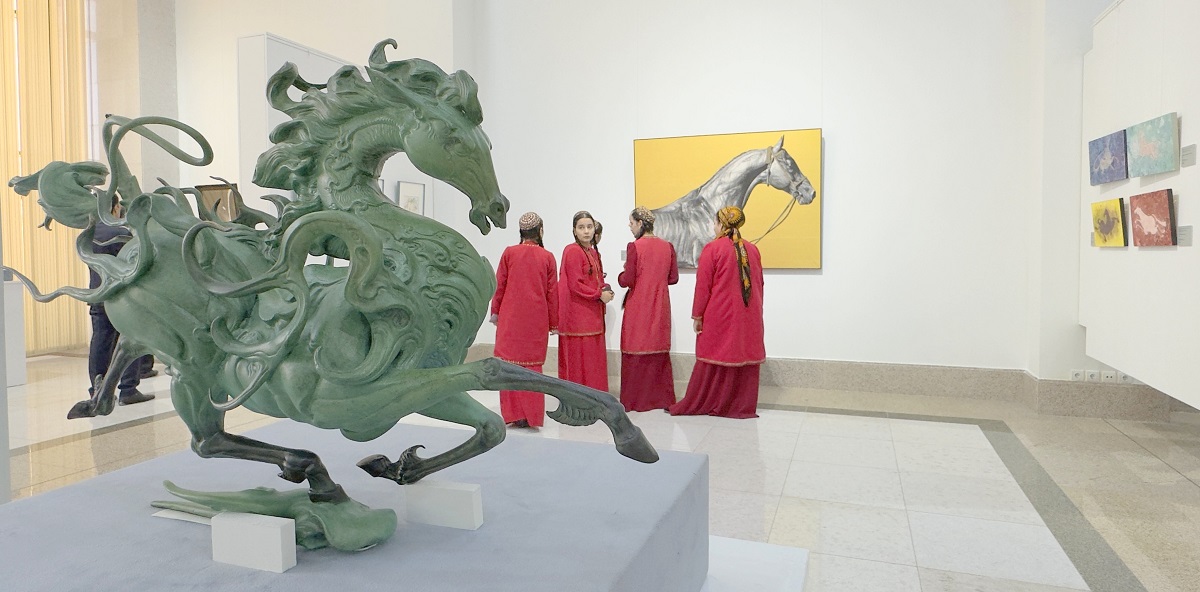
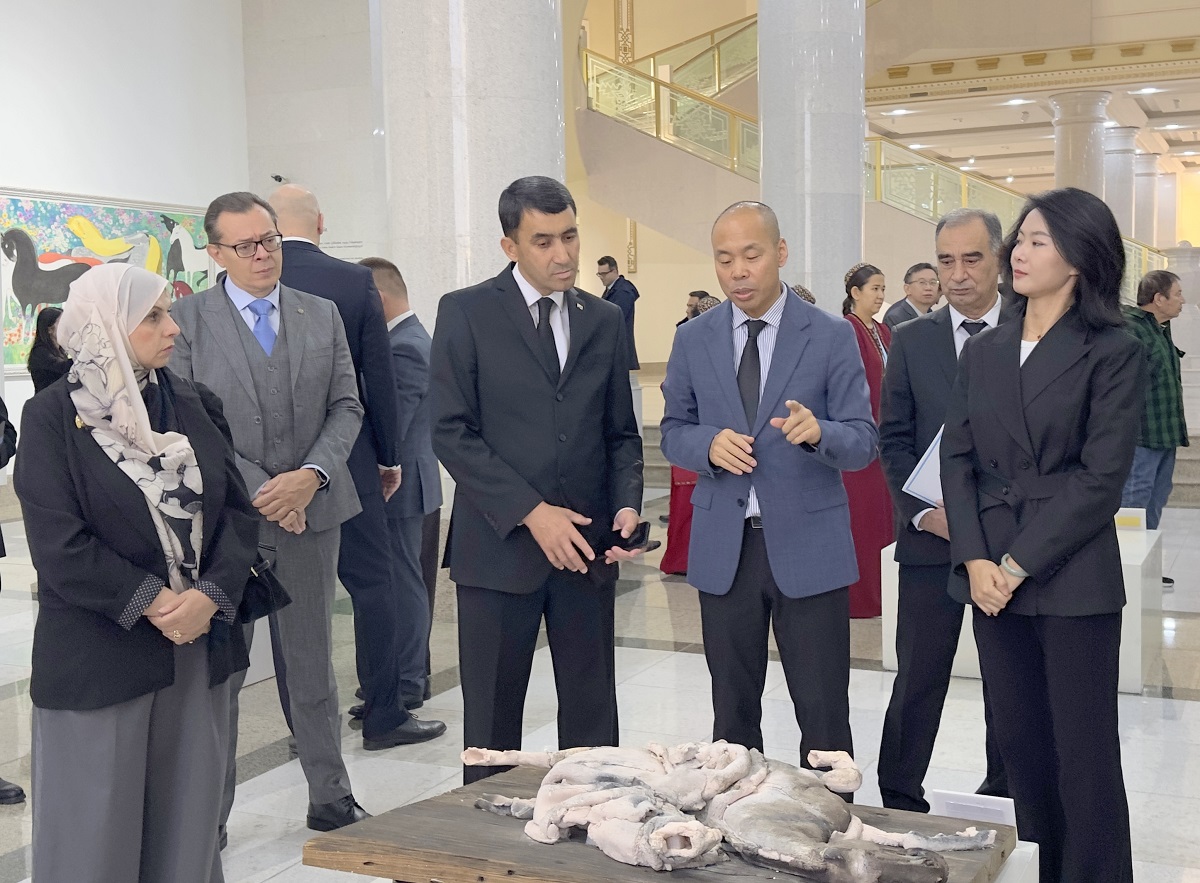
The exhibition «Heavenly steeds of the millennium: horses in Chinese art», organised by the Embassy of Turkmenistan in PRC jointly with the China association for Cultural exchanges with foreign countries, opened with great fanfare at the Museum of fine arts of Turkmenistan. The event was attended by representatives of diplomatic missions, cultural and artistic figures, media representatives, students, and students from the art school of the children.
Welcoming speeches at the opening of the exhibition were delivered by the Minister of culture of Turkmenistan Gurbanmyrat Myradalyyev, the Ambassador Extraordinary and Plenipotentiary of the PRC to Turkmenistan Ji Shumin, and the representative of the State association «Türkmen atlary» Guychmyrat Baymyradov.
As noted at the ceremony, the year 2026, celebrated in Turkmenistan under the motto «Independent, neutral Turkmenistan – the homeland of purposeful winged horses», deeply symbolically coincided with the Year of the Fire Horse (Bing Wu) according to the Chinese lunar calendar. Combining shared symbolism of the year and the centuries-long history of cultural exchange along the Silk road, this significant date creates a unique harmony of time and space, centered on the noble image of a racehorse.
The Ahal-teke horse, which developed on Turkmen soil and was known in ancient times as «winged» or «heavenly», became one of the main symbols that provided the connection between the two regions on the Great Silk road. For more than two thousand years, this route has served as a vital bridge of cultural communication between the civilisations of China and Turkmenistan.
The exhibition is divided into two conceptual parts. The first section, «Ancient origins – new harmonies», traces the origins of ancient horse-breeding culture of China back thousands of years and comprehensively presents works reflecting its development in the visual arts. On display are ancient manuscripts, a classic treatise on equine physiognomy from Mawangdui, a gilded bronze statue of a horse from the Maoling Tomb, and copies of famous paintings by Han Gan, Li Gonglin, Zhao Mengfu, and Giuseppe Castiglione.
The main historical content is set in the Western Han dynasty, when the search for the legendary «heavenly steeds that sweat blood» marked the beginning of a large-scale dialogue between civilisations. In the chronicles of the Han dynasty, these steeds were described as beings of divine origin, capable of carrying the rider to the land of immortality.
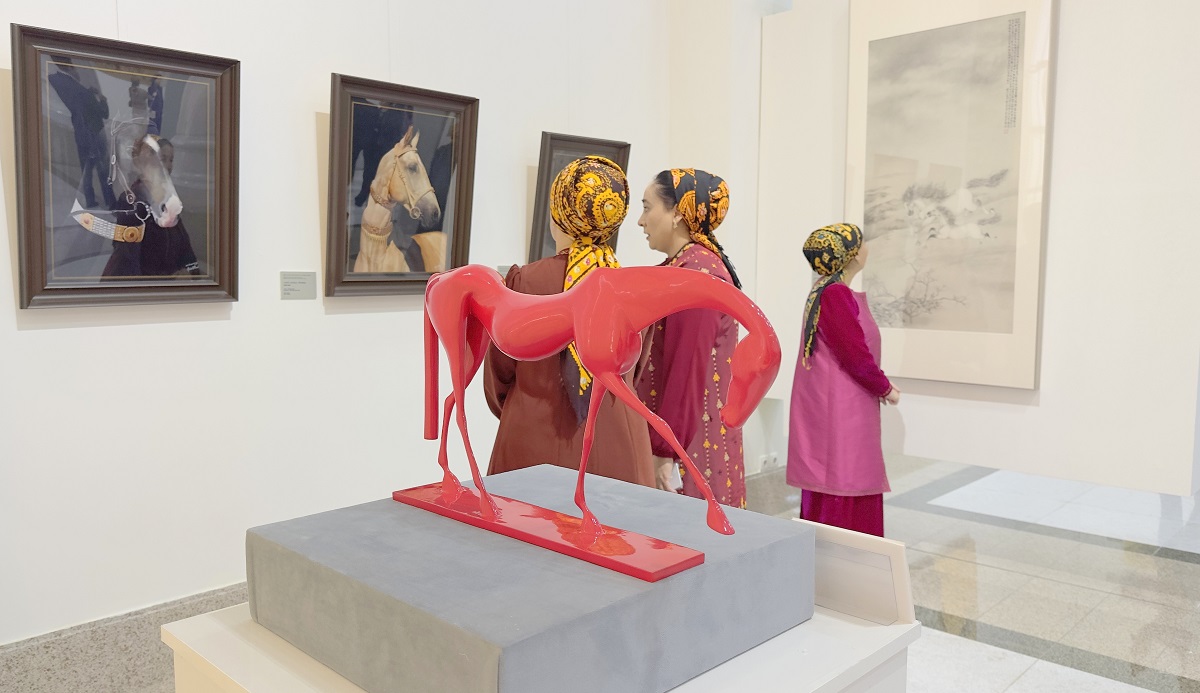
The second section, «The new sound of the horse: works of contemporary and modern Chinese art on the theme of the horse», is dedicated to new facets of expressing a thousand-year-old tradition in the space of contemporary art.
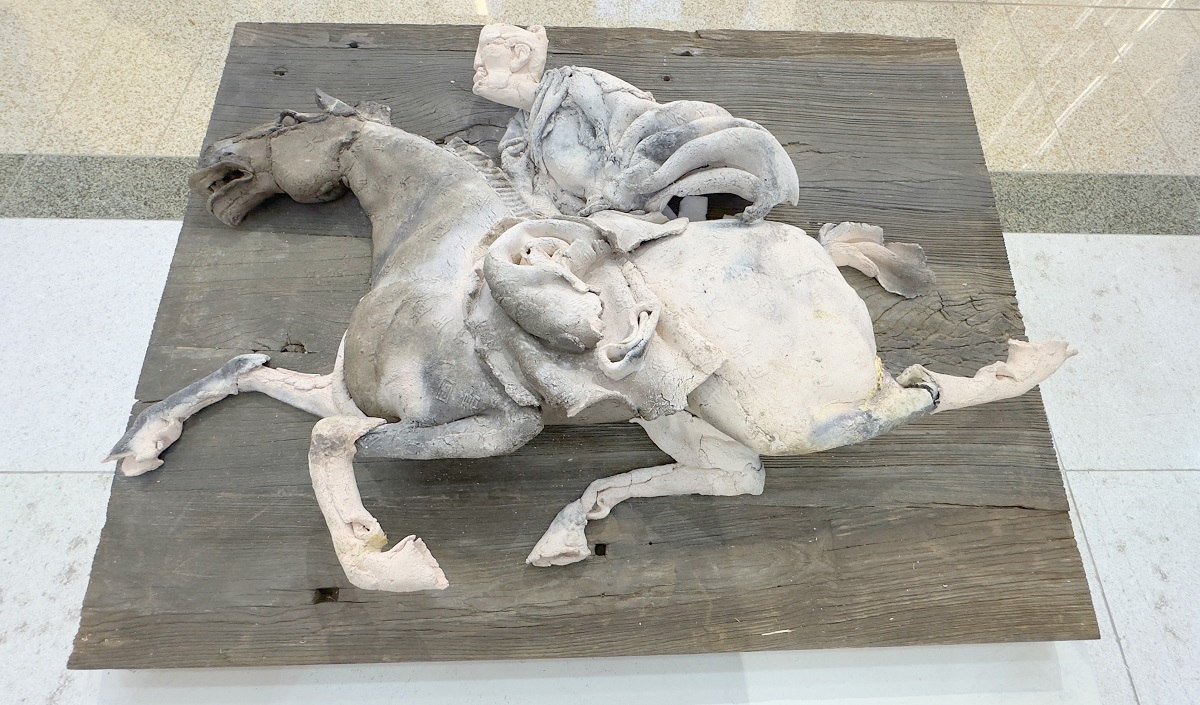
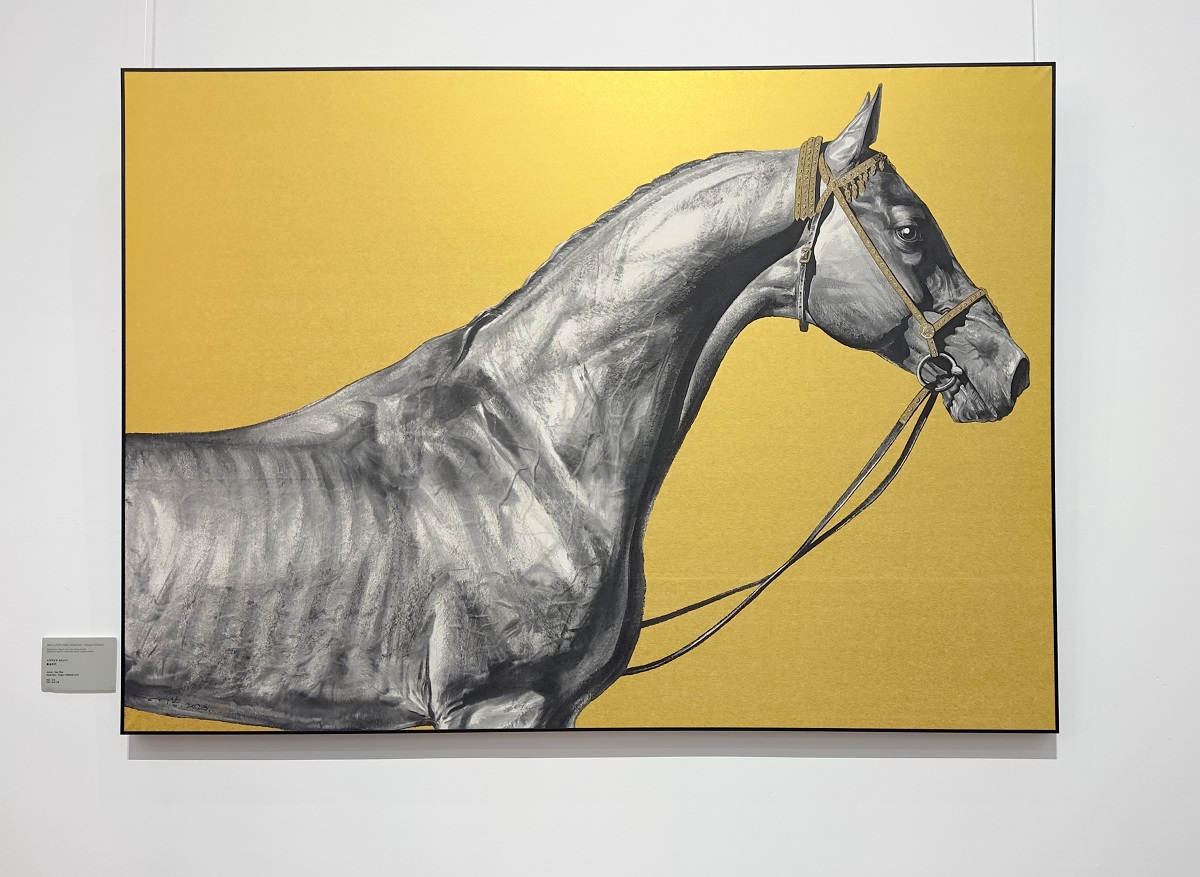
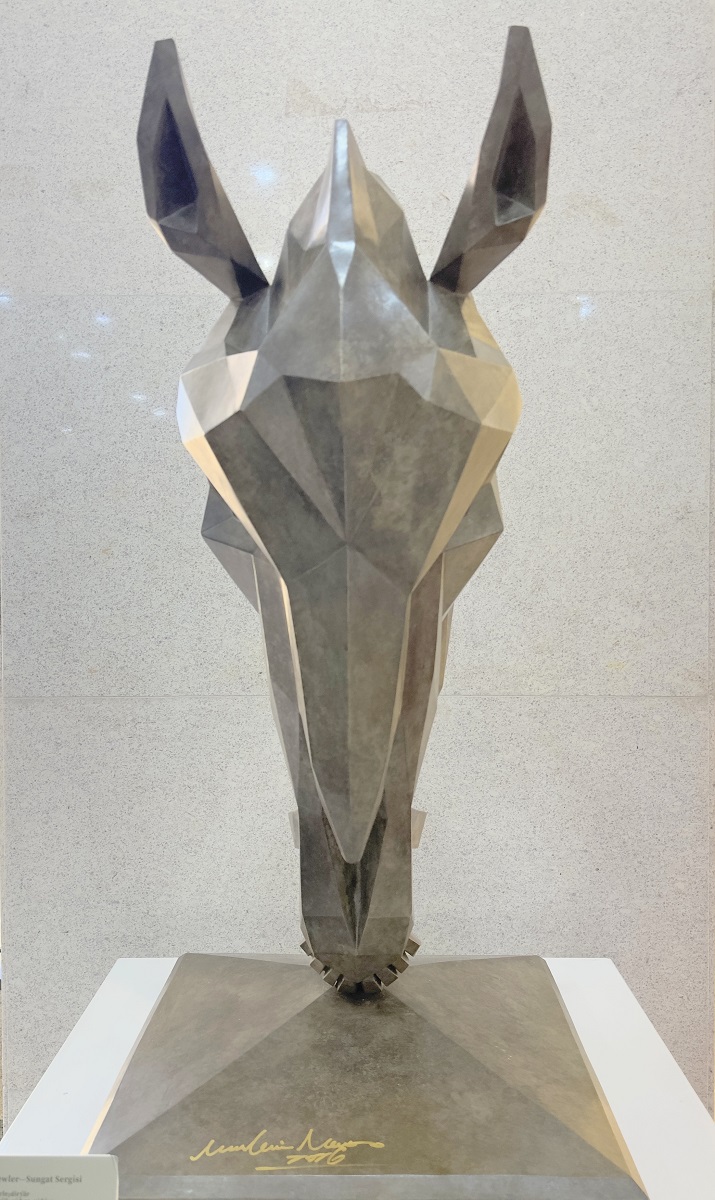
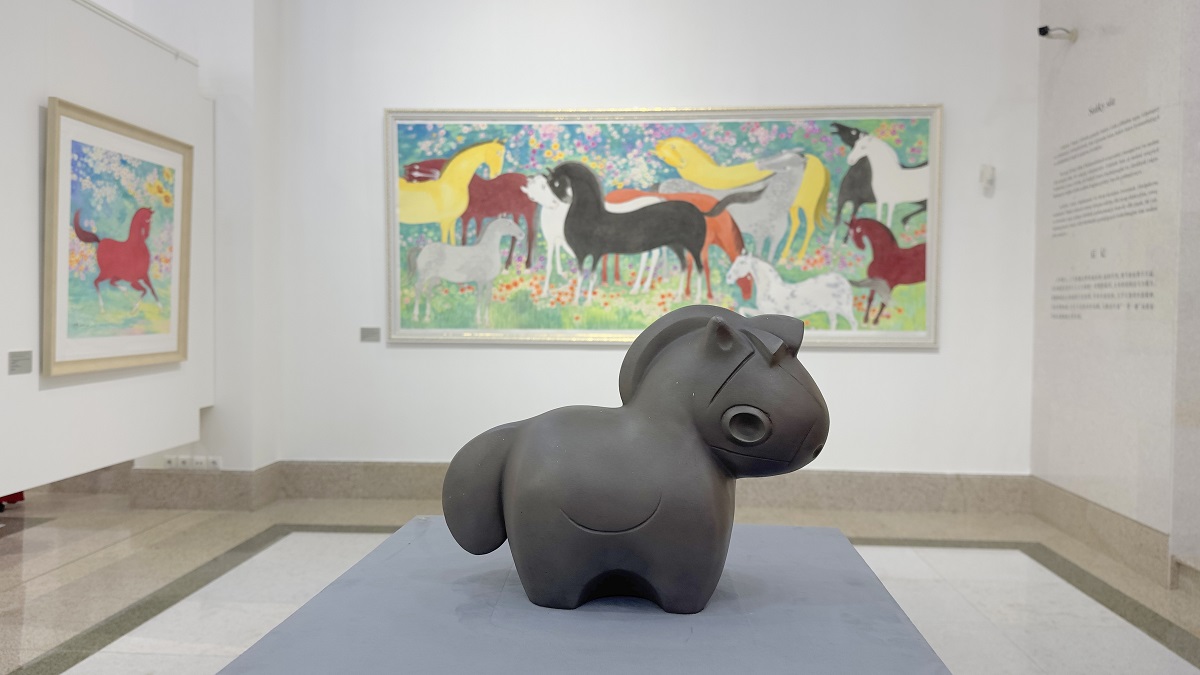
Using a variety of artistic mediums – ink, oil, graphics, and mixed media the artists create a multifaceted image of spirit of the horse through the prism of modernity. Both sections complement each other in a mirror-like manner: antiquity enters into dialogue with modernity, and East and West exchange experiences.
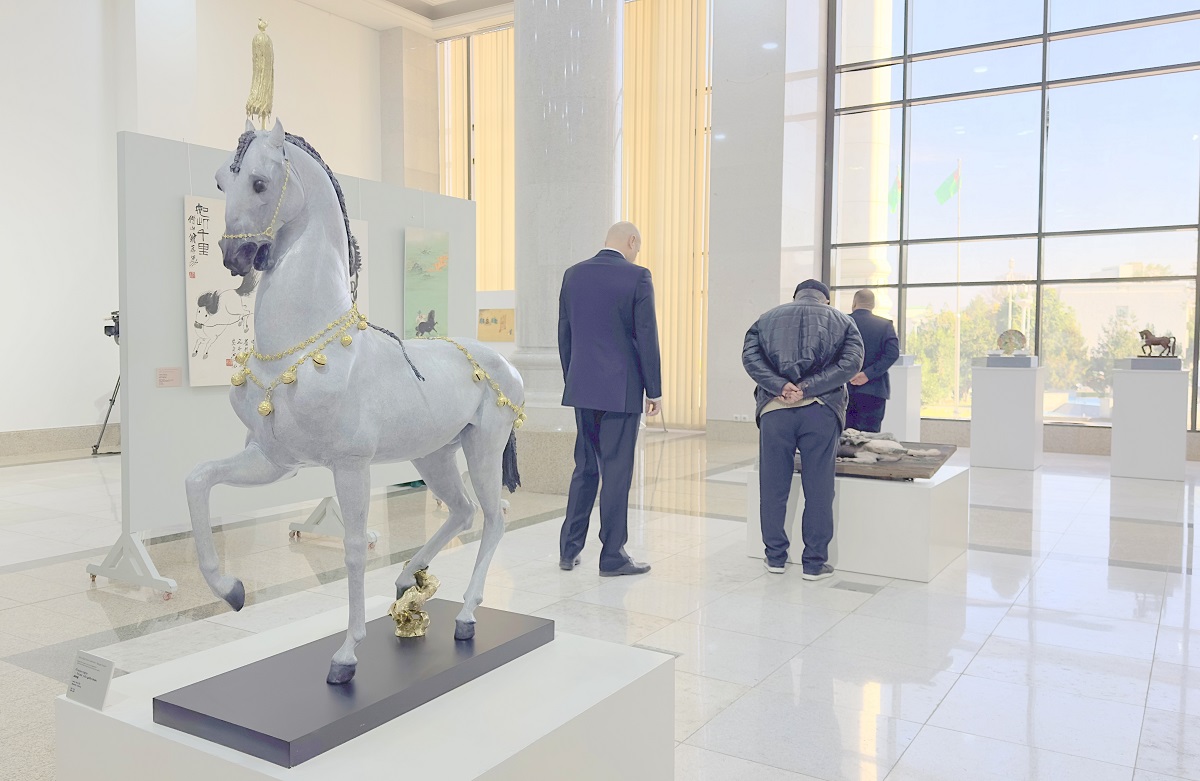
A striking highlight of the exhibition is the bronze sculpture «Blazing steed beyond the dust» by contemporary Chinese artist Ren Zhe. The harness of the horse is skilfully decorated with traditional gilded bells and plaques (mǎlíng). In Chinese tradition, such bells on a ceremonial harness symbolised the high status of a rider, and their melodic ringing while moving was believed to ward off evil spirits and warn travellers of the approach of a noble guest.
Previously, the interregional traveling exhibition «Heavenly steeds of the millennium» was exhibited at the Xinjiang Art museum and in Hong Kong, and has now arrived in the capital of Turkmenistan. The exhibition will run at the Museum of fine arts until the 18th of November, offering viewers a unique opportunity to experience the rich cultural heritage of the two countries.