


Travelling by the great Silk Road, orientalist and explorer A.Vambery noted that the highest pleasure for Turkmens is to listen to the poems of Magtymguly sang by bards on the dutar.
In the history of music of the Turkmen nation, the poetical legacy of the great Magtymguly Phyragy has left an indelible trace. On the other hand, most of his poems passing on from generation to generation of narrators, have reached down to our days.
Explorers of his works suggest that many of songs sung by the poet himself and of it the poet himself speaks in his poem as following: «Magtymguly sings at any time», «I sang and wept, my fatherland and nation I loved them», «if Magtymguly sang – nightingales kept silence», «Magtymguly preserve patience, you know yourself – it is not easy to be a singer», «sing, Magtymguly, let songs come out of your mouth». In sear of melody to the poetic word the poet underlines complicity of this process: «the kingdom of snakes for snake catcher, for singer –song and words». By these lines one can judge that his singing was based upon improvisation of melody and poetic words and it in its turn answered the requirements of intonated treatment of words. «Other experts let not bother me, I sang as I could learning it from my native tribe», -writes Magtymguly.

In his poems Magtymguly often refers to his famous musical instrument -dutar: «sing my dutar, sing, let your melody travels the depth of the earth». During one of the matches of the enemy the poet was taken captive and he wrote the following lines: «I walked in meadows innocent , sang for the sky, mountains, plains and now in the hole of the enemy I search for my melodious dutar».
The lyrics of Magtymguly is closely interlaced with melodic lines , sound intonations , rhythms and sized multifaceted music topics of folk singers which helped preservation of songs ,dastnas in its original form. Poetic lines put into songs, filled characters of heroes of expressions of musicians, emotions of bards, encouraged them into inspiration and they have become national samples for composing songs. Gradually a classic style of stable performance was formed that helped developed of positive changes in Turkmen music culture. The works of scholar V.A.Uspenskiy who collected the Turkmen folklore, wrote notes of hundreds of songs from bards and musical works of dutar and gijaq also attest to this fact. Thanks to their exploration, the whole world has known the names of famous bards and musicians of the first half of the 20th century and songs based upon poems of Magtymguly.

In the middle of the past century and the following years the performance of songs based upon the poems of Magtymguly by national singers –bards in radio and television have become a regular event. Many songs have become an etalon of performing mastership and entered the golden fund of the cultural heritage of Turkmenistan.
Appearance of new trends in the sphere of music culture of the country, the initiatives of composers enabled to look at Turkmen music anew and at the role of poetry of Magtymguly in it. It should be noted that that in the mid-20th century many composers referred to the poetry of Magtymguly: А. Shаpochnikov, D. Оvezov, V. Muhatov, V. Аhmetov, А. Kuliyev and others who wrote a number of romances and songs. Using various techniques of arrangement, they strived to preserve the national spirit of the sound of dutar, gijaq, tuyduk and other expressive means of national singing. Many composers referring to the richness of performing and expressive possibilities of chorus writing used poems of the poet for creation of chorus works.

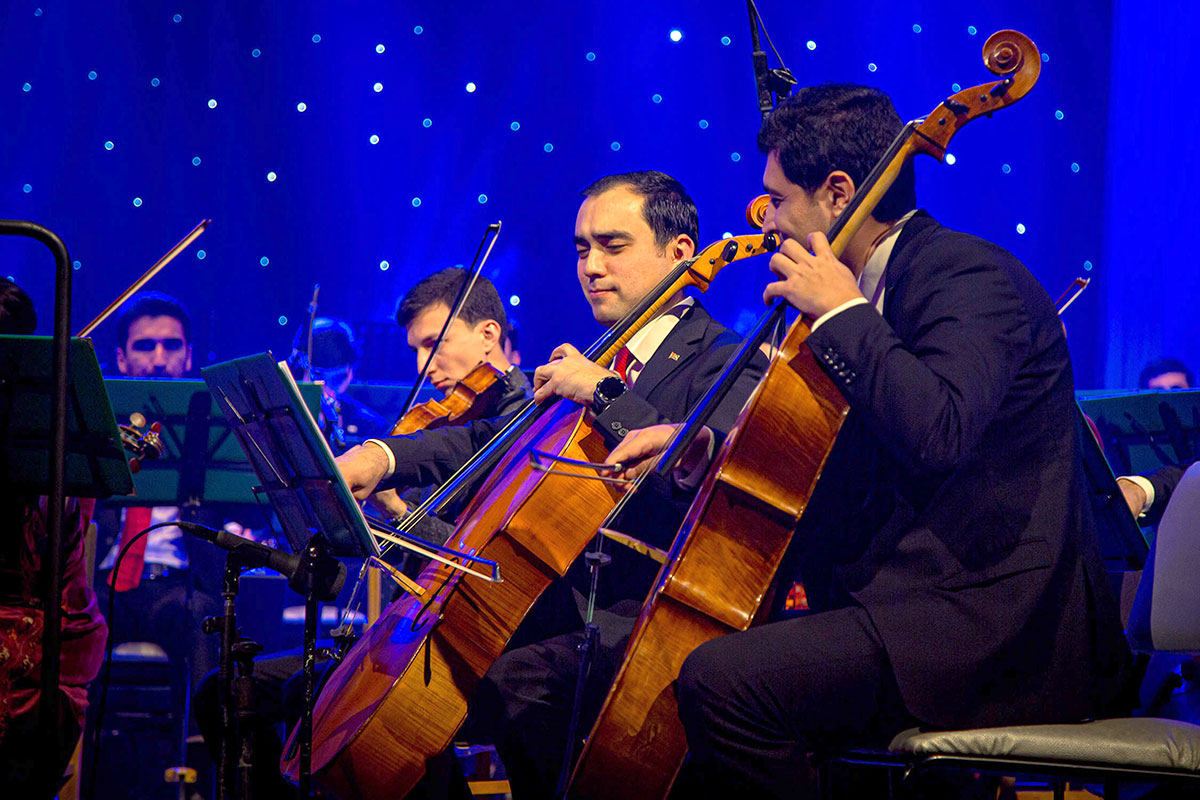
New pages in the Turkmen vocal art were opened by Nury Khalmammedov. He wrote a cycle of songs and romances based on the poems of Magtymguly and in them the composer through the harmony of musical unison revealed philosophical views of the great Turkmen poet. The works of Magtymguly encouraged Turkmen composers into creation of large symphonic works. Among them are famous symphonies «Memory of Magtymguly» of V.Muhatov, a symphonic poem «Magtymguly» of К.Кuliyev, «devotion to the poets» of S.Japarova. On the basis of libretto of А.Каrliyev, B.Кеrbabayev, composer Yu.Меytus wrote the opera «Magtymguly ».
Songs on the poems of Magtymguly as previously sound in Turkmenistan –in yurts of shepherds and in concert halls, families listen to them with great respect and foreign guests express a great interest in them. These songs are sung by young bards and respected elders. The poetry of Magtymguly was and remains to be a source of inspiration for our contemporaries.
In the history of music of the Turkmen nation, the poetical legacy of the great Magtymguly Phyragy has left an indelible trace. On the other hand, most of his poems passing on from generation to generation of narrators, have reached down to our days.
Explorers of his works suggest that many of songs sung by the poet himself and of it the poet himself speaks in his poem as following: «Magtymguly sings at any time», «I sang and wept, my fatherland and nation I loved them», «if Magtymguly sang – nightingales kept silence», «Magtymguly preserve patience, you know yourself – it is not easy to be a singer», «sing, Magtymguly, let songs come out of your mouth». In sear of melody to the poetic word the poet underlines complicity of this process: «the kingdom of snakes for snake catcher, for singer –song and words». By these lines one can judge that his singing was based upon improvisation of melody and poetic words and it in its turn answered the requirements of intonated treatment of words. «Other experts let not bother me, I sang as I could learning it from my native tribe», -writes Magtymguly.
In his poems Magtymguly often refers to his famous musical instrument -dutar: «sing my dutar, sing, let your melody travels the depth of the earth». During one of the matches of the enemy the poet was taken captive and he wrote the following lines: «I walked in meadows innocent , sang for the sky, mountains, plains and now in the hole of the enemy I search for my melodious dutar».
The lyrics of Magtymguly is closely interlaced with melodic lines , sound intonations , rhythms and sized multifaceted music topics of folk singers which helped preservation of songs ,dastnas in its original form. Poetic lines put into songs, filled characters of heroes of expressions of musicians, emotions of bards, encouraged them into inspiration and they have become national samples for composing songs. Gradually a classic style of stable performance was formed that helped developed of positive changes in Turkmen music culture. The works of scholar V.A.Uspenskiy who collected the Turkmen folklore, wrote notes of hundreds of songs from bards and musical works of dutar and gijaq also attest to this fact. Thanks to their exploration, the whole world has known the names of famous bards and musicians of the first half of the 20th century and songs based upon poems of Magtymguly.
In the middle of the past century and the following years the performance of songs based upon the poems of Magtymguly by national singers –bards in radio and television have become a regular event. Many songs have become an etalon of performing mastership and entered the golden fund of the cultural heritage of Turkmenistan.
Appearance of new trends in the sphere of music culture of the country, the initiatives of composers enabled to look at Turkmen music anew and at the role of poetry of Magtymguly in it. It should be noted that that in the mid-20th century many composers referred to the poetry of Magtymguly: А. Shаpochnikov, D. Оvezov, V. Muhatov, V. Аhmetov, А. Kuliyev and others who wrote a number of romances and songs. Using various techniques of arrangement, they strived to preserve the national spirit of the sound of dutar, gijaq, tuyduk and other expressive means of national singing. Many composers referring to the richness of performing and expressive possibilities of chorus writing used poems of the poet for creation of chorus works.
New pages in the Turkmen vocal art were opened by Nury Khalmammedov. He wrote a cycle of songs and romances based on the poems of Magtymguly and in them the composer through the harmony of musical unison revealed philosophical views of the great Turkmen poet. The works of Magtymguly encouraged Turkmen composers into creation of large symphonic works. Among them are famous symphonies «Memory of Magtymguly» of V.Muhatov, a symphonic poem «Magtymguly» of К.Кuliyev, «devotion to the poets» of S.Japarova. On the basis of libretto of А.Каrliyev, B.Кеrbabayev, composer Yu.Меytus wrote the opera «Magtymguly ».
Songs on the poems of Magtymguly as previously sound in Turkmenistan –in yurts of shepherds and in concert halls, families listen to them with great respect and foreign guests express a great interest in them. These songs are sung by young bards and respected elders. The poetry of Magtymguly was and remains to be a source of inspiration for our contemporaries.