


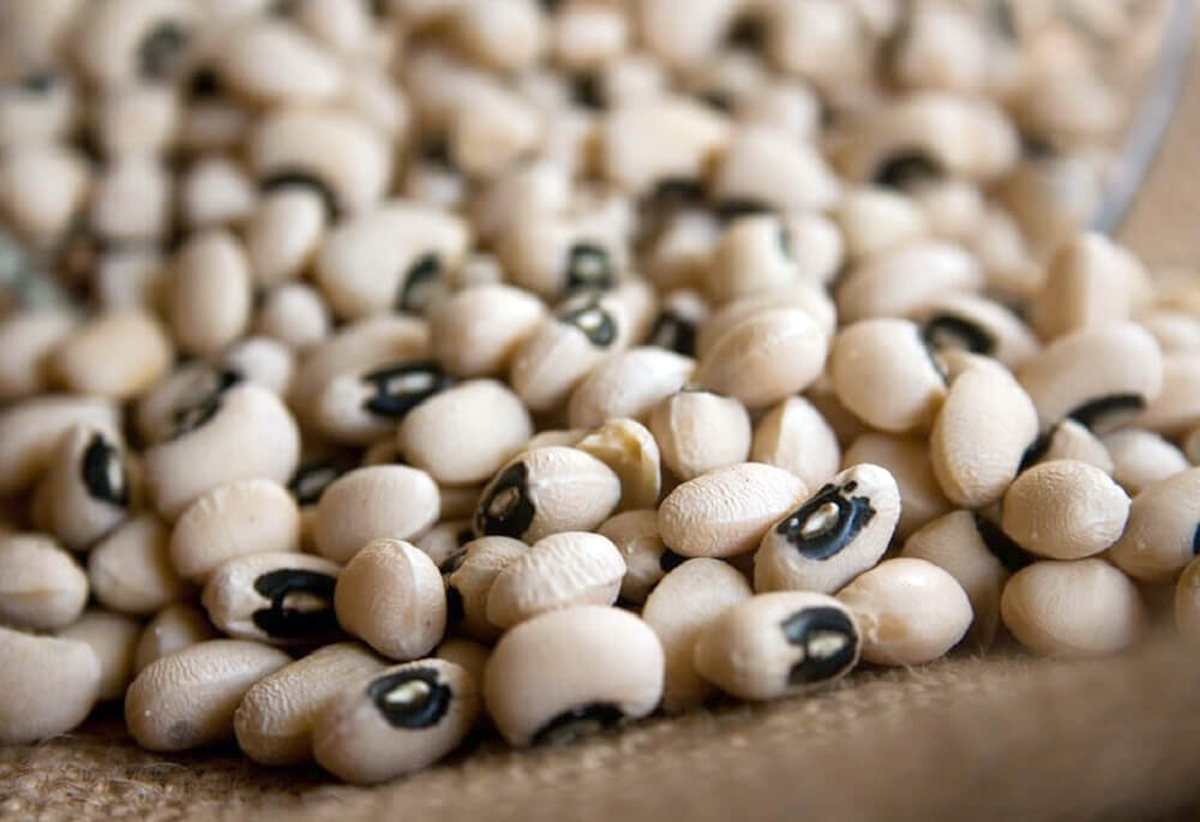
In the north of the country, planting of leguminous crops was completed within acceptable agrotechnical terms. This year, the land plots allocated in the region for their planting have expanded significantly. So, masha, in total, was planted almost twice as much as last year, the planting of a variety of bean-noiba and the fields allocated for sesame increased by hundreds of hectares.
Accordingly, the production volumes of these crops will also increase significantly, the short vegetation period of which allows them to be used as a re-crop after wheat. As before, one of the largest producers of mung bean, an annual herbaceous plant of the legume family, in the region will be the S. Turkmenbashi etrap. Here plantings of mung bean occupied one thousand four hundred and fifty hectares, which is more than twice as much as compared to last year.
As in the whole country, in the Dashoguz velayat, the development of agriculture is carried out on a scientific basis and taking into account the agro-ecological characteristics of the regions. Legumes are considered here as crops that improve the ameliorative composition of the soil, play an important role in expanding the volume of agricultural production and in the further development of the food segment of the national economy. They are considered suitable for local weather and climate conditions for crop rotation and are high in protein.
It should be noted that the cultivation of mung bean, noiba and sesame in the north of Turkmenistan has a long history. And although the volumes of their production today have become large-scale, the accumulated experience, combined with the use of modern technologies, the latest achievements of agricultural science, allows local farmers to achieve high yields every year and make a significant contribution to the implementation of the program to ensure food abundance in the country.