


The staff meetings and conferences, being held these days at educational institutions throughout the country, focus on the work done in the first half of the 2014-2015 academic year. Meeting participants analyzed the best practices and teaching methodology so as to achieve the objectives of improving the standards and quality of education and bringing up the younger generation of the Turkmen people.
The issues related to the development of the education system and international educational exchanges are put on the agenda of nearly all meetings of the Turkmen leader with his foreign counterparts and included in the package of government documents signed upon the outcomes of top-level talks. Bringing the national education system to an international level implies a wide range of tasks that are successfully fulfilled in Turkmenistan today. These particularly include the establishment of international educational institutions, construction of higher schools and other education facilities supplied with state-of-the art equipment and introduction of advanced information and communication technology, including high-speed access to the global database via the Internet and e-libraries, into their activities. In this regard, we should note that such institutions in our country include the International Turkmen-Turkish University and the International Oil and Gas University. The International University of Humanities and Development joined their ranks in September last year. These institutions were transferred to a two-tier system of education (bachelor and master) in 2014.
The construction of the new buildings of the International Turkmen-Turkish University for 3,000 students and the Turkmen-Turkish school for 500 schoolchildren continues in Ashgabat. In 2014, new education facilities put into operation in the capital city, the administrative centres of the region and even the most remote villages of the country, significantly increased in number. The buildings of A. Kekilov pedagogy school and many other educational institutions are currently under construction. The large-scale social project of the complexes of health promotion and educational institutions for children with disabilities is currently being implemented in all the regions of the country.
The transition of secondary schools in the country to the 12-year term of study is an important step to bring the national education system to an international level.
The number of young people who study at higher educational institutions in our country and far beyond is increased from year to year. In the 2014-2015 academic year, first-year students at civilian higher educational institutions number 6,861 people, many of them are winners of prestigious national and international contests and Olympiads. Hundreds of Turkmen boys and girls rank among students of prestigious universities in Belarus, China, Malaysia, Azerbaijan, Russia, Romania, Turkey, Croatia and other foreign countries. Moreover, foreign language teachers from abroad are invited to teach students at institutions of higher education in Turkmenistan.
The work on the promotion of the system of secondary vocational education will continue in the new year. The newly established schools of this profile include Turkmenabat river transport school, Turkmenbashi sea transport school and the communal services school in Mary town that began to train specialists for the sectors of particular importance for Turkmenistan in September 2014.
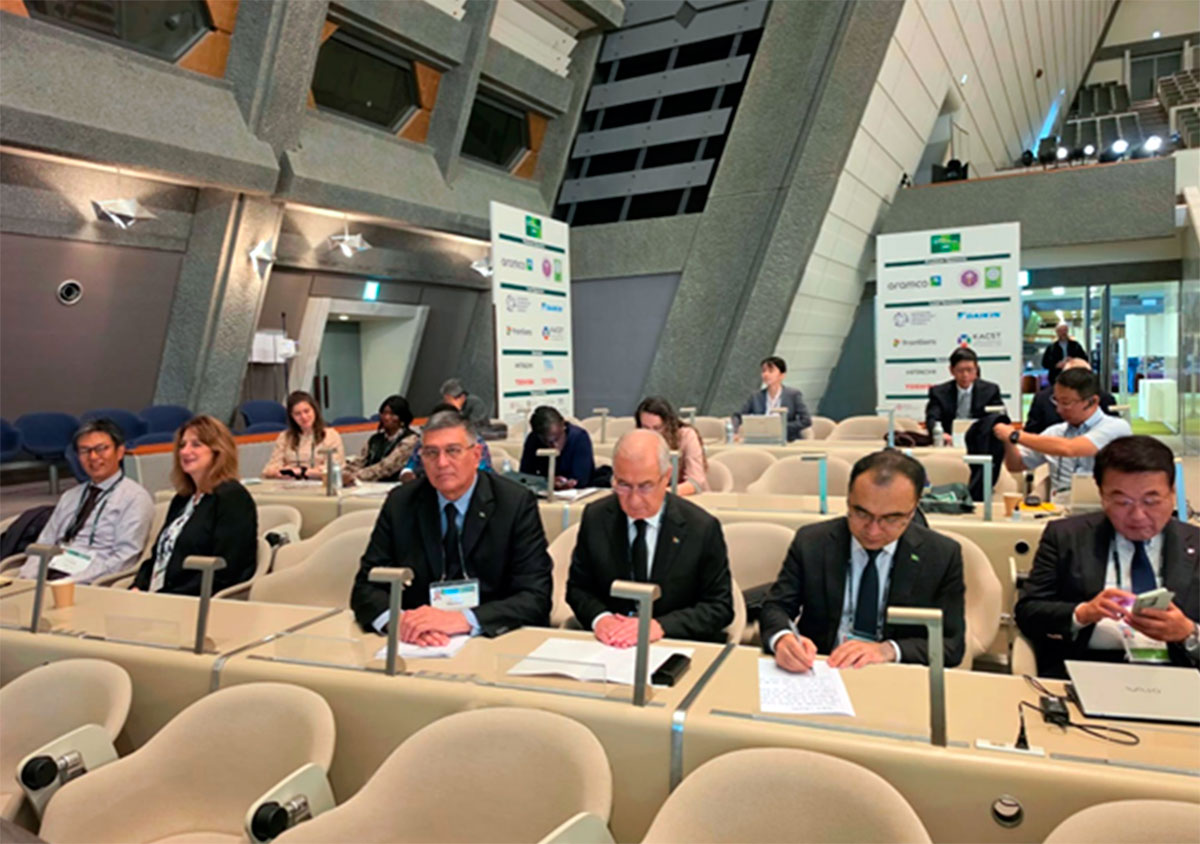
The important factors for promoting to effective cooperation and enhancing a mutual understanding between peoples include international forums, held in our country, and the participation of teachers, university lecturers and students in major international conferences, contests and Olympiads. Suffice it to note that last year Turkmen schoolchildren won 139 medals, including 23 gold and 34 silver medals, in international Olympiads, and students, won 68 medals, including 18 gold, 18 silver and 32 bronze medals, in the international intellectual competitions and online contests.
Scientists, university lecturers and experts develop textbooks and manuals in the context of international achievements in the methods of teaching different disciplines. In 2014, training materials of 334 titles were prepared for publication, of them 189, including textbooks and teaching aids for higher, secondary and vocational schools, were published.
It has become common practice to hold workshops, training sessions, courses of lectures and other forms of joint activities involving educational institutions of Turkmenistan and a number of countries of the world.
Vivid evidence for fruitful international contacts of Turkmen education professionals is their contribution to the implementation of various projects in the framework of international educational programmes, such as Tempus, Erasmus Mundus and others.
Exhibitions contribute to the introduction of advanced technologies and best practices in the national education system. The achievements in this sphere were presented at the International Conference and Exhibition on Education and Sports in the Epoch of Might and Happiness, held in Ashgabat on November 11-13, 2014. Last year, 810 education professionals from Turkmenistan, including 312 specialists, 302 students and 196 schoolchildren, visited 37 foreign countries on business trips and to participate in the Olympiads.
Particular attention is paid to the study of foreign languages as a key factor of training highly qualified specialists who have professional mobility in conditions of the information society. The list of secondary schools with in-depth study of foreign languages is approved. Language training is provided at higher educational institutions throughout the country. When studying at universities, students acquire skills in several languages.
It is obvious that the fact that specialists of different sectors know several languages facilitates the early integration of Turkmenistan into the world economic and humanitarian systems. International forums and events organized by the Ministry of Education and educational institutions of our country jointly with international organisations, diplomatic missions of different countries and educational centres are of particular importance in this context.
The issues related to the development of the education system and international educational exchanges are put on the agenda of nearly all meetings of the Turkmen leader with his foreign counterparts and included in the package of government documents signed upon the outcomes of top-level talks. Bringing the national education system to an international level implies a wide range of tasks that are successfully fulfilled in Turkmenistan today. These particularly include the establishment of international educational institutions, construction of higher schools and other education facilities supplied with state-of-the art equipment and introduction of advanced information and communication technology, including high-speed access to the global database via the Internet and e-libraries, into their activities. In this regard, we should note that such institutions in our country include the International Turkmen-Turkish University and the International Oil and Gas University. The International University of Humanities and Development joined their ranks in September last year. These institutions were transferred to a two-tier system of education (bachelor and master) in 2014.
The construction of the new buildings of the International Turkmen-Turkish University for 3,000 students and the Turkmen-Turkish school for 500 schoolchildren continues in Ashgabat. In 2014, new education facilities put into operation in the capital city, the administrative centres of the region and even the most remote villages of the country, significantly increased in number. The buildings of A. Kekilov pedagogy school and many other educational institutions are currently under construction. The large-scale social project of the complexes of health promotion and educational institutions for children with disabilities is currently being implemented in all the regions of the country.
The transition of secondary schools in the country to the 12-year term of study is an important step to bring the national education system to an international level.
The number of young people who study at higher educational institutions in our country and far beyond is increased from year to year. In the 2014-2015 academic year, first-year students at civilian higher educational institutions number 6,861 people, many of them are winners of prestigious national and international contests and Olympiads. Hundreds of Turkmen boys and girls rank among students of prestigious universities in Belarus, China, Malaysia, Azerbaijan, Russia, Romania, Turkey, Croatia and other foreign countries. Moreover, foreign language teachers from abroad are invited to teach students at institutions of higher education in Turkmenistan.
The work on the promotion of the system of secondary vocational education will continue in the new year. The newly established schools of this profile include Turkmenabat river transport school, Turkmenbashi sea transport school and the communal services school in Mary town that began to train specialists for the sectors of particular importance for Turkmenistan in September 2014.
The important factors for promoting to effective cooperation and enhancing a mutual understanding between peoples include international forums, held in our country, and the participation of teachers, university lecturers and students in major international conferences, contests and Olympiads. Suffice it to note that last year Turkmen schoolchildren won 139 medals, including 23 gold and 34 silver medals, in international Olympiads, and students, won 68 medals, including 18 gold, 18 silver and 32 bronze medals, in the international intellectual competitions and online contests.
Scientists, university lecturers and experts develop textbooks and manuals in the context of international achievements in the methods of teaching different disciplines. In 2014, training materials of 334 titles were prepared for publication, of them 189, including textbooks and teaching aids for higher, secondary and vocational schools, were published.
It has become common practice to hold workshops, training sessions, courses of lectures and other forms of joint activities involving educational institutions of Turkmenistan and a number of countries of the world.
Vivid evidence for fruitful international contacts of Turkmen education professionals is their contribution to the implementation of various projects in the framework of international educational programmes, such as Tempus, Erasmus Mundus and others.
Exhibitions contribute to the introduction of advanced technologies and best practices in the national education system. The achievements in this sphere were presented at the International Conference and Exhibition on Education and Sports in the Epoch of Might and Happiness, held in Ashgabat on November 11-13, 2014. Last year, 810 education professionals from Turkmenistan, including 312 specialists, 302 students and 196 schoolchildren, visited 37 foreign countries on business trips and to participate in the Olympiads.
Particular attention is paid to the study of foreign languages as a key factor of training highly qualified specialists who have professional mobility in conditions of the information society. The list of secondary schools with in-depth study of foreign languages is approved. Language training is provided at higher educational institutions throughout the country. When studying at universities, students acquire skills in several languages.
It is obvious that the fact that specialists of different sectors know several languages facilitates the early integration of Turkmenistan into the world economic and humanitarian systems. International forums and events organized by the Ministry of Education and educational institutions of our country jointly with international organisations, diplomatic missions of different countries and educational centres are of particular importance in this context.