


By tradition, the main celebrations in honour of the international holiday took place in the submontane valley in Ahal, where a Turkmen village with all its attributes, including yurts and trestle beds covered with carpets, the yards with domestic animals and cauldrons with delicious food, stretched. Its specific ‘geography’ was illustrated by artisans’ workshops and colourful market stalls, near which the life was in full swing as it was on the eastern bazaars which sprang up along trade routes between cities, countries and regions in the old days.

The flocks of boisterous children scampered into the playgrounds at the entrance to the Yayla site where they played national games. There was the appetizing aroma of refreshments and foods in the air and the melodies of the dutar, joyous voices, songs and laughter were heard.
Participants in the celebrations included the Deputy Chairmen of the Cabinet of Ministers, the heads of Mejlis, ministries and departments, public organisations and diplomatic missions accredited in our country and foreign guests from different countries of the world.

With the first beats of the jubilant melody the flamboyant, gorgeous and joyful Turkmen festivities – toi – heralded the coming of Nowruz – a new year, a new day. The musical and choreographic performance was presented by renowned soloists, prominent singers and rising stars of popular music, famous dance ensembles and folk groups and young artists who performed songs and poems about Nowruz.
Artists of Magtymguly National Music and Drama Theatre and students of Turkmen State Institute of Culture presented a colourful performance about the history of rites and rituals of the spring holiday. The theatrical prologue tuned up every participant to an elevated mood, ignited the feelings of unity and pride in the hearts of the spectators and opened the festival of the traditions of the Turkmen people. Yurts, representing all the regions of the country, were interspersed with pavilions and concert stages that stretched along the central alley like the magic tablecloth with viands, fruits and foods of the national cuisine cooked by the best chefs and culinary experts. The main ritual meal of Nowruz – semeni was offered to all guests.

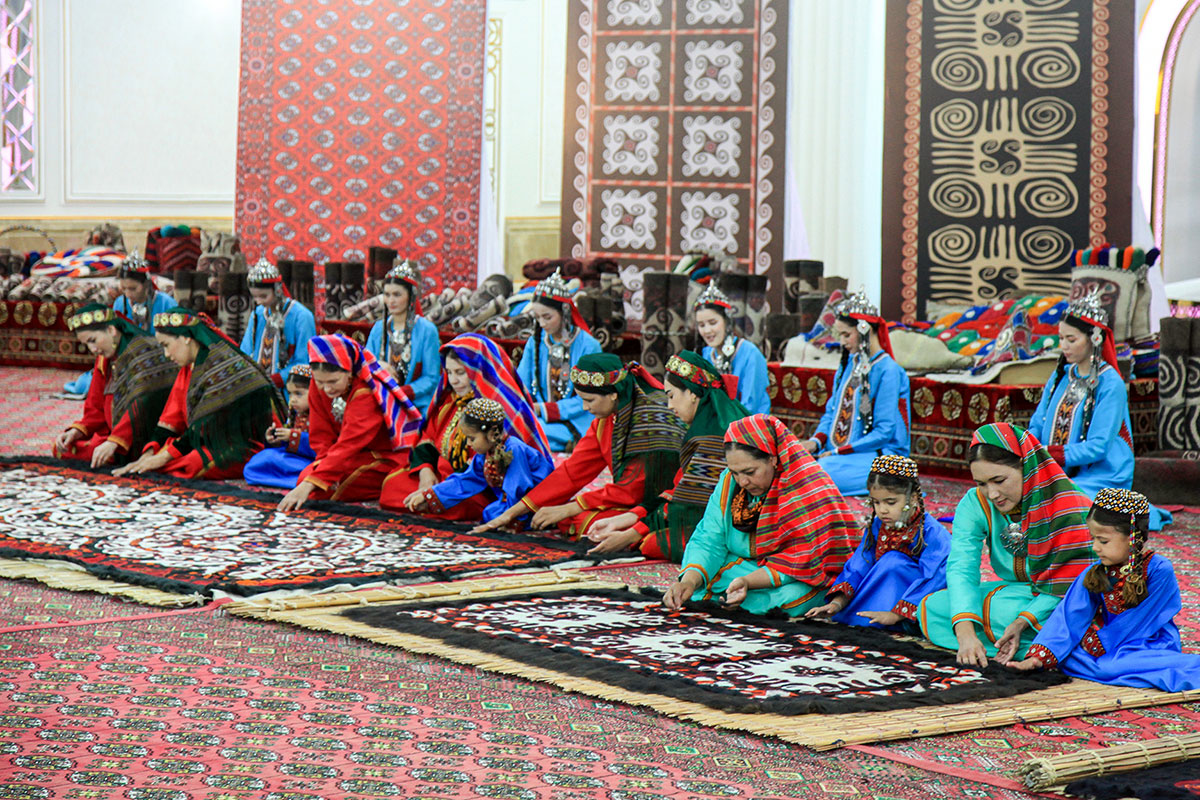
Ahal Velayat began the parade of festive performances with the ethnographic musical show, including folk musical and ritual performances, the storyline of which was the installation of the white yurt – ak oi and the traditions of greeting dear guests. Mary Velayat picked up the baton of the Nowruz celebrations. In their theatrical performance artists from Mary showed how felt mats were made and the celebrations were prepared for in the Murghab Valley. The performance dedicated to farmers and labour rituals was presented by artists from Balkan Velayat, who ornamented their show with the dance kushdepti.

The literary line was harmoniously entwined in the folklore canvas: theatre artists reproduced the images of the outstanding Turkmen classical poets, such as Magtymguly, Mollanapes, Andalib and others, whose poems sounded like a majestic ode to the native land. Artists from Lebap Velayat presented the brightest features of the traditions and celebrations of Nowruz on the shores of the Amudarya River; the core of their performance was the planting of cotton. The ritual – when the father first puts his son on the horse, which was specific to the traditional way of life of the Turkmen people, was presented to the spectators. This theme was taken up and continued in the performance of the famous Galkynysh equestrian sports group.

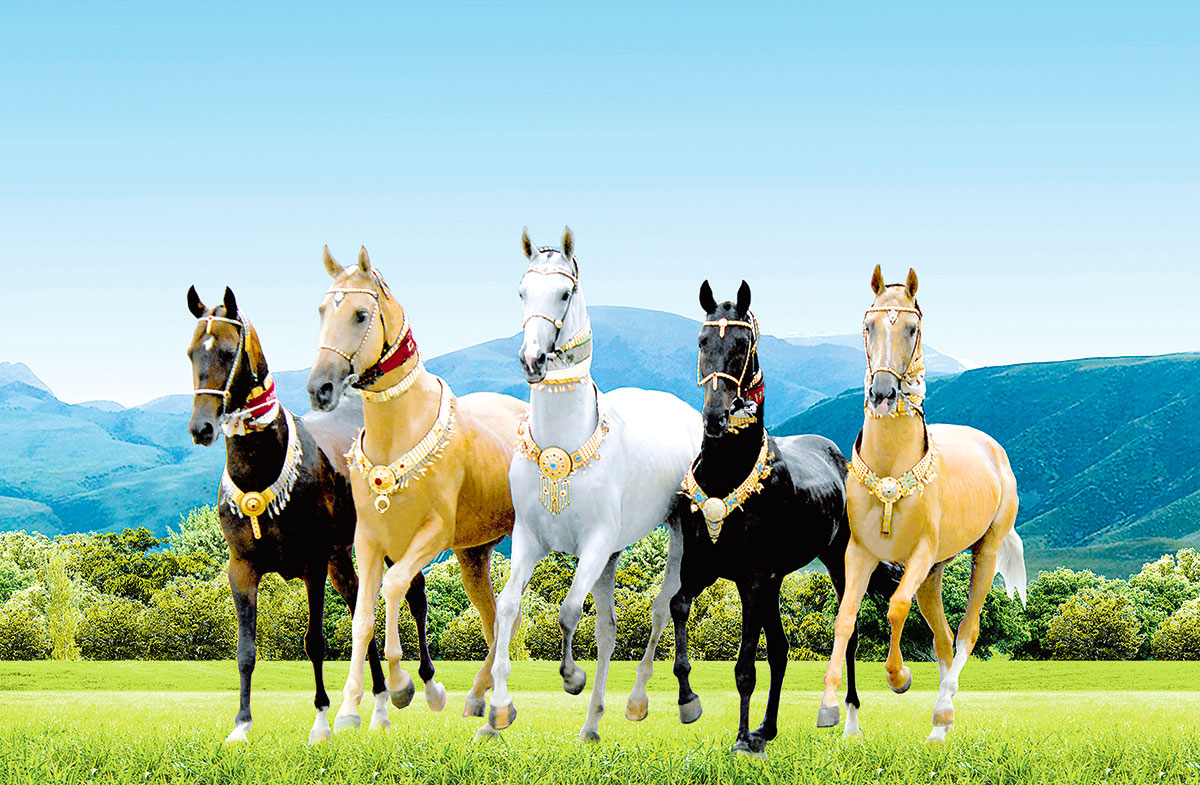
Dashing Turkmen dzhigits riding magnificent horses demonstrated the inimitable sportsmanship and brilliant techniques and presented the truly folk performance of fascinating beauty and prowess with distinctive flavour and spectacular splendour that produced a lasting impression on participants in the festivities, especially foreign guests.
The contrasting change of emotions – from the breathtaking horse races to conciliative, mesmerizing, even mystical music – were the ancient melodies performed by the skilful elders on the gargy-tuiduk and the performances of destanci, who ‘plunged’ the spectators in far-off days of epic tales, legendary heroes and historical events. Young people played national games, accompanying them with cheerful songs and humorous catchphrases. One of the most popular girls’ games up till now is monjuk atdy – fortune telling on beads – that eventually has transformed into a playful competition in inventiveness.

Dashoguz Velayat was the next to receive guests. Theatre and amateur artists greeted the spectators and presented the sketches with rituals which are specific to the northern region of the country.
These performances were supplemented by the exhibitions of handicrafts made by local craftsmen and dishes of national cuisine prepared according to special recipes. Green wheat sprouts in special pots were presented to the guests of honour.

The ringing voices were heard on the areas with big swings, decorated with flowers and garlands, where many young people gathered together. The flight of big swings is believed to be the ritual of spiritual purification which lets to enter a new year with renewed vigour, pure heart and bright thoughts. Spectacular fights of palvans – wrestlers, held to the cheers of the spectators, are associated with the forces of good and light. The national games: yaglyga tovusmak, duzzum and others and circus and comedy performances presented many emotions to numerous spectators. Turkmen falconers and their helpers - birds of prey and graceful tazy – hunting dogs compelled attention. They and nice little lambs and camels were the main characters of the theatrical and ethnographic panorama. Flocks of sheep guarded by strong alabai – guard dogs that were grazing on spring meadows nearby contributed to the atmosphere of the traditional Turkmen village of farmers and charvadar.

The programme of the festive concert performed on the main stage on the Yayla site included the literary, musical, folk and ethnographic performances, dances, lyrical folk songs and contemporary compositions. The performances of renowned baghshis and young folk musicians added a unique charm to the palette of the festival, shining with all colours, where ancient music and songs were interwoven with contemporary rhythms. The festivities concluded with the dance kushtdepdi which embodies the cycle of life and the sun, giving life and light.
The flocks of boisterous children scampered into the playgrounds at the entrance to the Yayla site where they played national games. There was the appetizing aroma of refreshments and foods in the air and the melodies of the dutar, joyous voices, songs and laughter were heard.
Participants in the celebrations included the Deputy Chairmen of the Cabinet of Ministers, the heads of Mejlis, ministries and departments, public organisations and diplomatic missions accredited in our country and foreign guests from different countries of the world.
With the first beats of the jubilant melody the flamboyant, gorgeous and joyful Turkmen festivities – toi – heralded the coming of Nowruz – a new year, a new day. The musical and choreographic performance was presented by renowned soloists, prominent singers and rising stars of popular music, famous dance ensembles and folk groups and young artists who performed songs and poems about Nowruz.
Artists of Magtymguly National Music and Drama Theatre and students of Turkmen State Institute of Culture presented a colourful performance about the history of rites and rituals of the spring holiday. The theatrical prologue tuned up every participant to an elevated mood, ignited the feelings of unity and pride in the hearts of the spectators and opened the festival of the traditions of the Turkmen people. Yurts, representing all the regions of the country, were interspersed with pavilions and concert stages that stretched along the central alley like the magic tablecloth with viands, fruits and foods of the national cuisine cooked by the best chefs and culinary experts. The main ritual meal of Nowruz – semeni was offered to all guests.
Ahal Velayat began the parade of festive performances with the ethnographic musical show, including folk musical and ritual performances, the storyline of which was the installation of the white yurt – ak oi and the traditions of greeting dear guests. Mary Velayat picked up the baton of the Nowruz celebrations. In their theatrical performance artists from Mary showed how felt mats were made and the celebrations were prepared for in the Murghab Valley. The performance dedicated to farmers and labour rituals was presented by artists from Balkan Velayat, who ornamented their show with the dance kushdepti.
The literary line was harmoniously entwined in the folklore canvas: theatre artists reproduced the images of the outstanding Turkmen classical poets, such as Magtymguly, Mollanapes, Andalib and others, whose poems sounded like a majestic ode to the native land. Artists from Lebap Velayat presented the brightest features of the traditions and celebrations of Nowruz on the shores of the Amudarya River; the core of their performance was the planting of cotton. The ritual – when the father first puts his son on the horse, which was specific to the traditional way of life of the Turkmen people, was presented to the spectators. This theme was taken up and continued in the performance of the famous Galkynysh equestrian sports group.
Dashing Turkmen dzhigits riding magnificent horses demonstrated the inimitable sportsmanship and brilliant techniques and presented the truly folk performance of fascinating beauty and prowess with distinctive flavour and spectacular splendour that produced a lasting impression on participants in the festivities, especially foreign guests.
The contrasting change of emotions – from the breathtaking horse races to conciliative, mesmerizing, even mystical music – were the ancient melodies performed by the skilful elders on the gargy-tuiduk and the performances of destanci, who ‘plunged’ the spectators in far-off days of epic tales, legendary heroes and historical events. Young people played national games, accompanying them with cheerful songs and humorous catchphrases. One of the most popular girls’ games up till now is monjuk atdy – fortune telling on beads – that eventually has transformed into a playful competition in inventiveness.
Dashoguz Velayat was the next to receive guests. Theatre and amateur artists greeted the spectators and presented the sketches with rituals which are specific to the northern region of the country.
These performances were supplemented by the exhibitions of handicrafts made by local craftsmen and dishes of national cuisine prepared according to special recipes. Green wheat sprouts in special pots were presented to the guests of honour.
The ringing voices were heard on the areas with big swings, decorated with flowers and garlands, where many young people gathered together. The flight of big swings is believed to be the ritual of spiritual purification which lets to enter a new year with renewed vigour, pure heart and bright thoughts. Spectacular fights of palvans – wrestlers, held to the cheers of the spectators, are associated with the forces of good and light. The national games: yaglyga tovusmak, duzzum and others and circus and comedy performances presented many emotions to numerous spectators. Turkmen falconers and their helpers - birds of prey and graceful tazy – hunting dogs compelled attention. They and nice little lambs and camels were the main characters of the theatrical and ethnographic panorama. Flocks of sheep guarded by strong alabai – guard dogs that were grazing on spring meadows nearby contributed to the atmosphere of the traditional Turkmen village of farmers and charvadar.
The programme of the festive concert performed on the main stage on the Yayla site included the literary, musical, folk and ethnographic performances, dances, lyrical folk songs and contemporary compositions. The performances of renowned baghshis and young folk musicians added a unique charm to the palette of the festival, shining with all colours, where ancient music and songs were interwoven with contemporary rhythms. The festivities concluded with the dance kushtdepdi which embodies the cycle of life and the sun, giving life and light.