


The ornithologists of Turkmenistan have completed their work on the winter count of waterfowl and wetland birds. The deadlines for completing the inventory were timed to coincide with the World Day of Wetlands, which are the habitat of many representatives of biodiversity, celebrated on the second of February.
The employees of one of the oldest and most “bird” reserves of Turkmenistan, the Khazar State Natural Reserve, did not stand aside from the fulfillment of scientific plans and international obligations, in the area of responsibility of which the entire Turkmen sector of the Caspian Sea, from the border with Kazakhstan in the north, to the border with Iran - on South.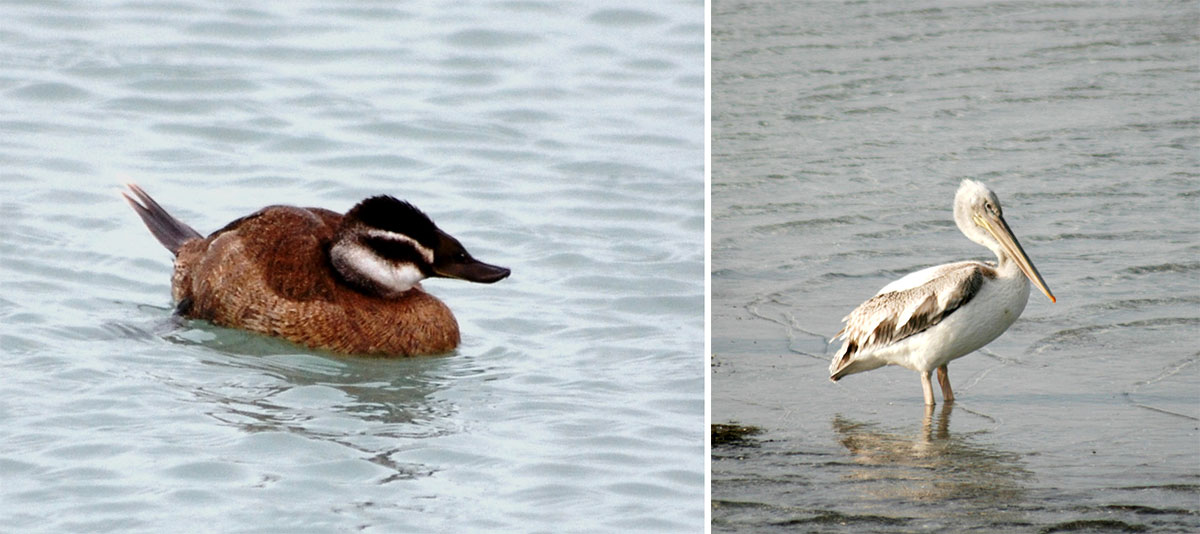
I have been taking part in such counts since November 1972, but for the first time our group, together with the head of the scientific department Sakhetmyrat Mammedov and the driver Kadyr Chapiev, managed to walk along the coast from Esenguly to Cape Kheles on the Cheleken Peninsula. Having examined the South and North Cheleken bays and the spits of the same name, along the eastern shore of the Mikhailovsky Bay and the Darja Peninsula, we reached the northeastern shore of the Balkhan Bay near the Dagada Peninsula and through the village of Garatengir - to the route, in fact repeating the sea route of one of the pioneers of our places G.S. Karelina, in 1836.
According to weather conditions, last January contributed to the counting of birds - it was mild, without any special weather disasters, which corresponds to the average long-term norms for temperature fluctuations, winds and precipitation. Significant changes were noted in the coastline and area of the bays and bays, due to the ongoing regression of the sea level caused by the influence of both biotic and abiotic factors, including global warming.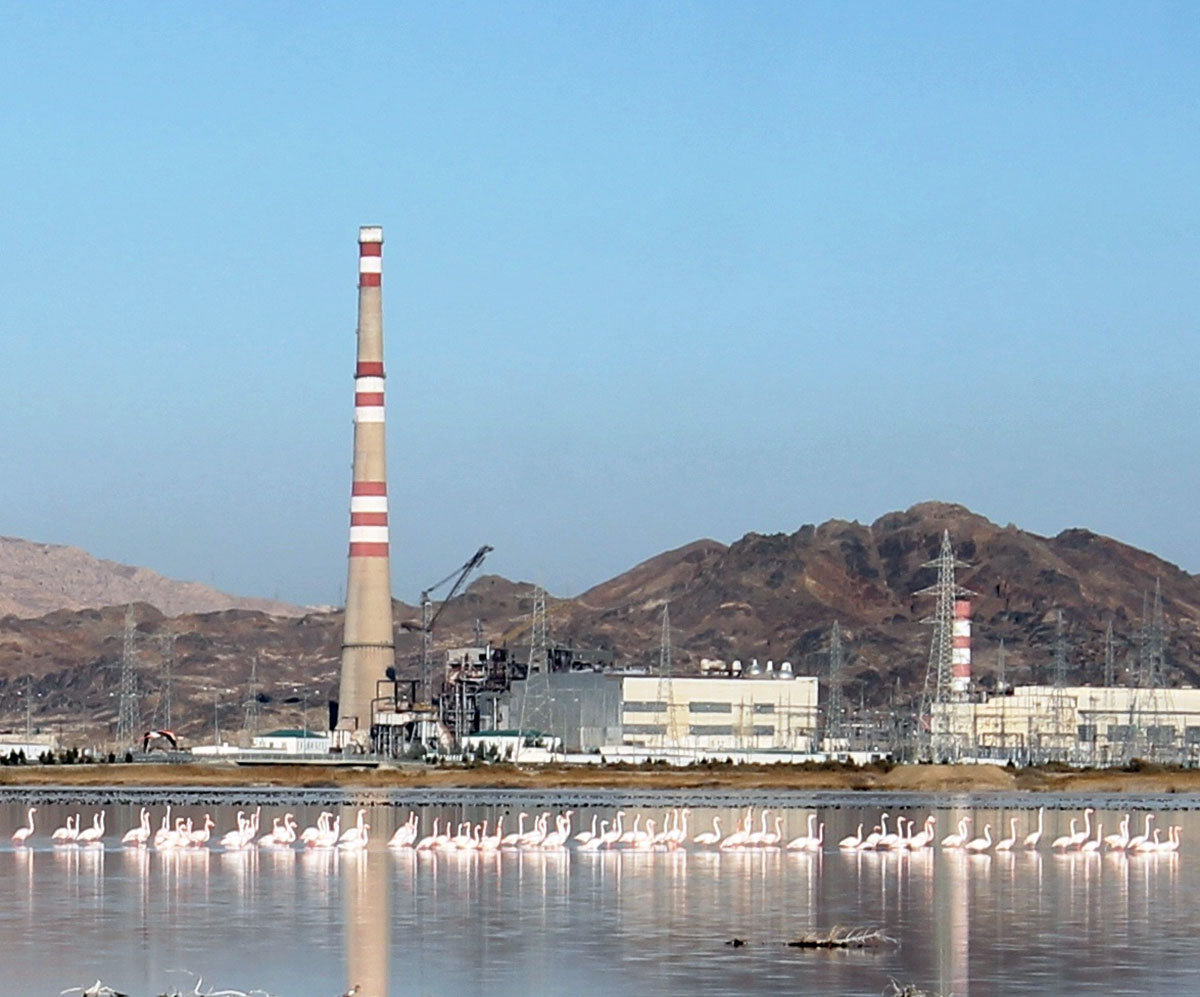
In the northern parts of the sea coast, with a predominance of elevated rocky areas, most shallow lagoons, small bays and bays accessible to birds have dried up, the biological capacity of the lands has noticeably decreased, which has led to a decrease in the number of wintering birds.
. On the lower banks in the central and especially in the southern region, the water line receded for kilometers, and it became much more difficult to observe birds, as a result, some concentrations of birds could only be counted quantitatively.
Most of the birds winter in the protected waters of the reserve in the Turkmenbashi, Balkhan, North Cheleken and Mikhailovsky bays, as well as in the shallow waters of the Esenguly branch of the reserve from Ekerem to the border with Iran.
In general, about forty species were counted, including three Red Data Book species. In the total number of birds - 257385 individuals, 5 curly pelicans, 2093 - ducks and 12895 - the most beautiful birds of the Caspian Sea - flamingos are taken into account.
Of the three species of swans wintering in the Caspian, 4267 mute swans were counted, and lesser swans in our latitudes, the number of which this year reached 549. Moreover, we were unable to determine the belonging to a particular species of about a hundred white swans. The accountants did not see a single whooper. The same is the fate of the 700 remaining unknown ducks splashing very far from the shore.
In the north and in the center of the Turkmen sector of the sea, diving ducks dominated: red-nosed pochards, blue, crested and black ducks, goldeneyes, large and medium mergansers, to the south - there were more river ducks: mallards, pintails, whistle-teals, wigeons and shovelers.
Coots predominated in terms of numbers - 111593 birds, in second place - crested ducks - 56808, in third place - red-nosed pochards - 23645 birds.
Alexander Shcherbina,
ornithologist.