


In Turkmenistan, there is a good tradition among folk singers-bakhshi to remember their mentors, and also to follow the path of “mentoring and apprenticeship”, reflecting the spirit of the times, to worthily continue and develop their path.
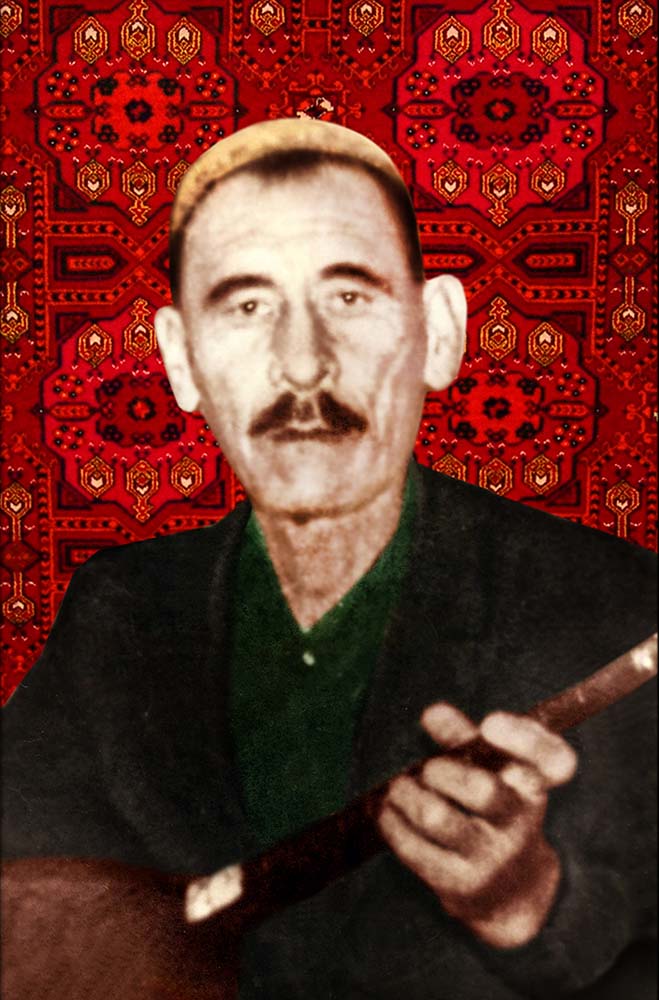
One of such masters, who left a huge mark on the art of bakhshi, whose path serves as a guide for the current young generation, is the honored bakhshi Mustak Aymedov.
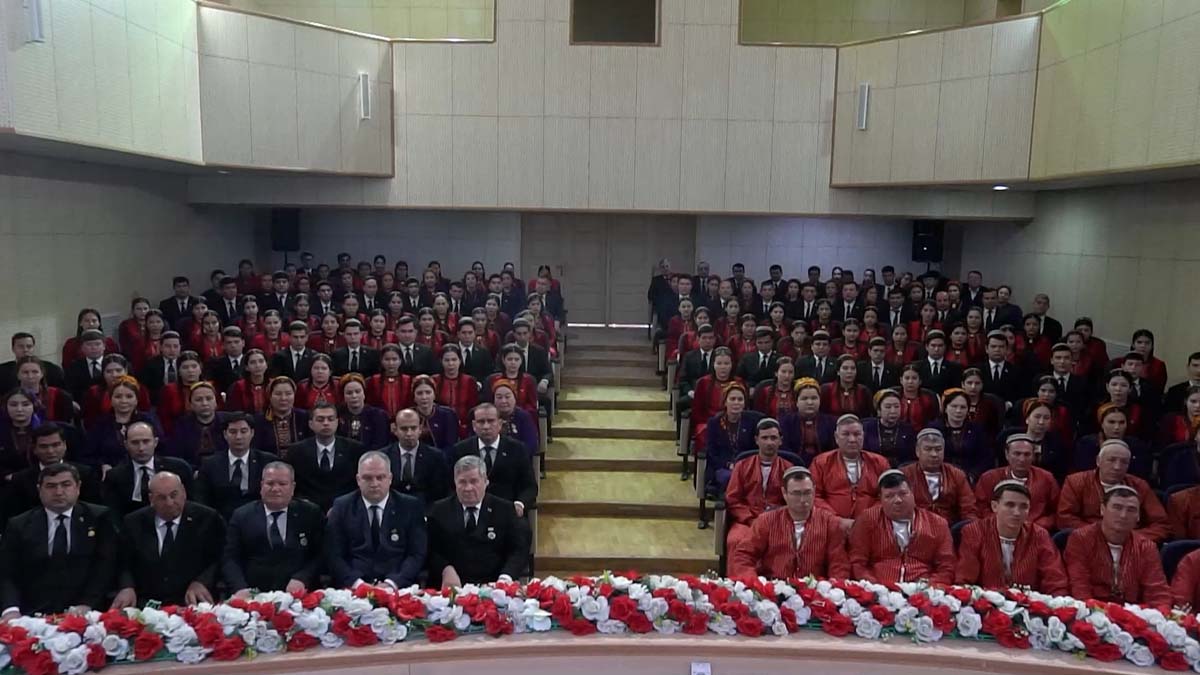
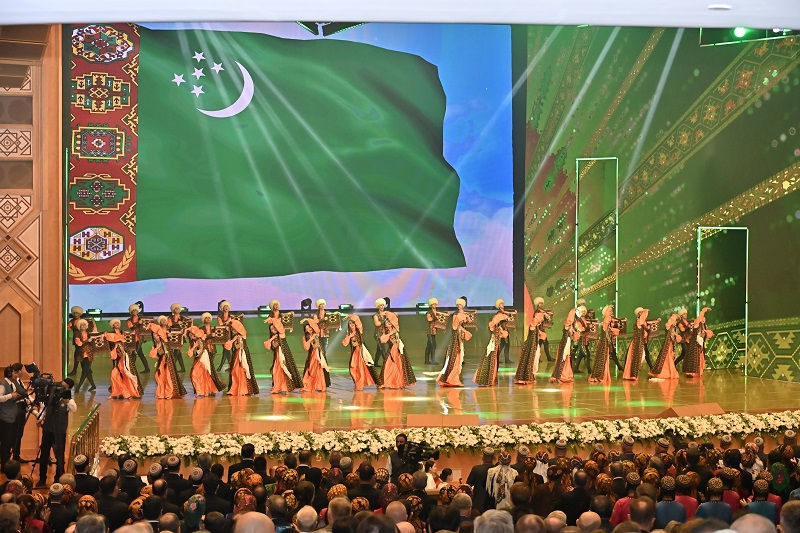
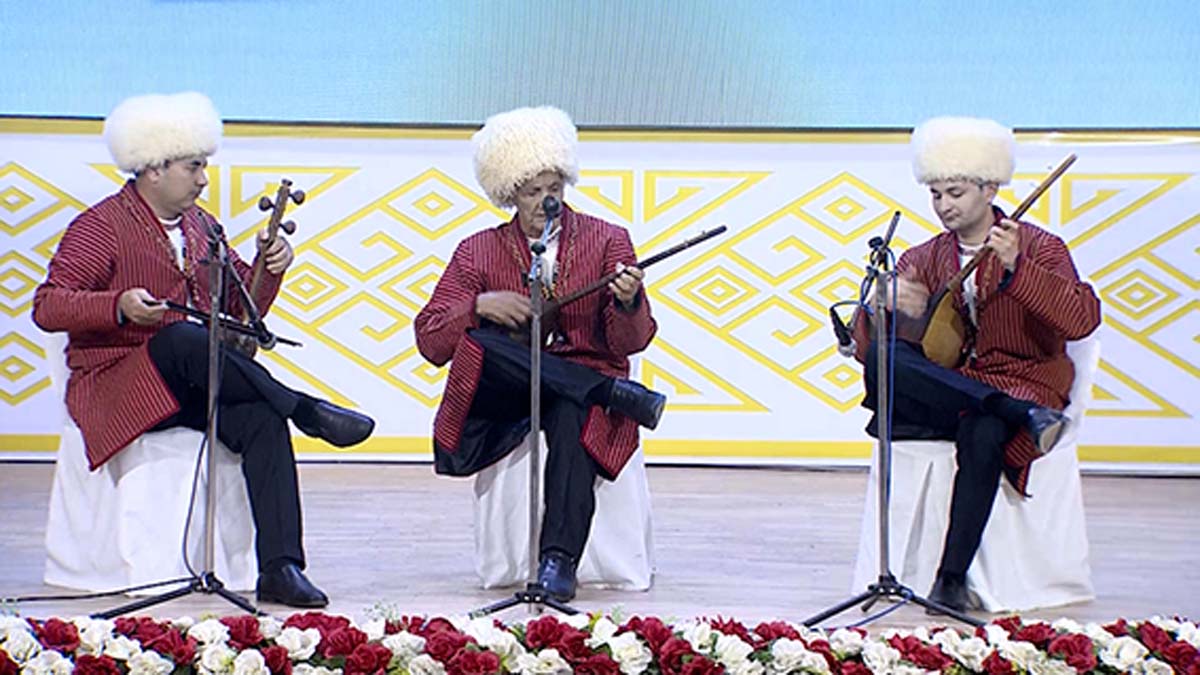
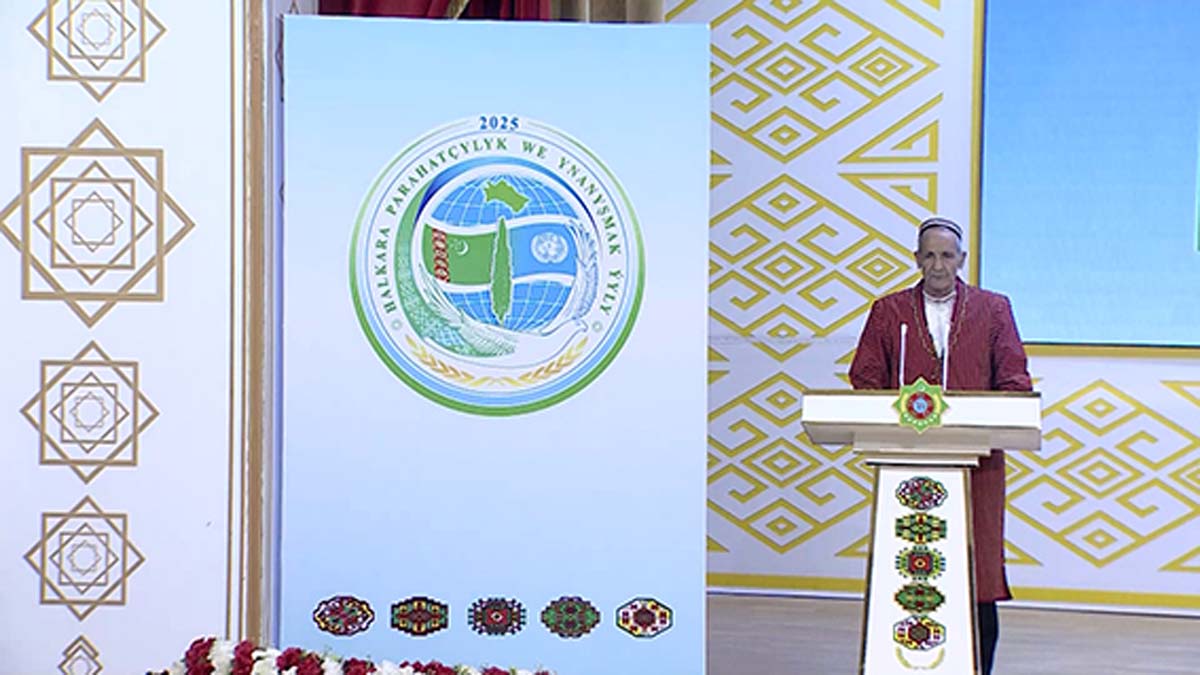
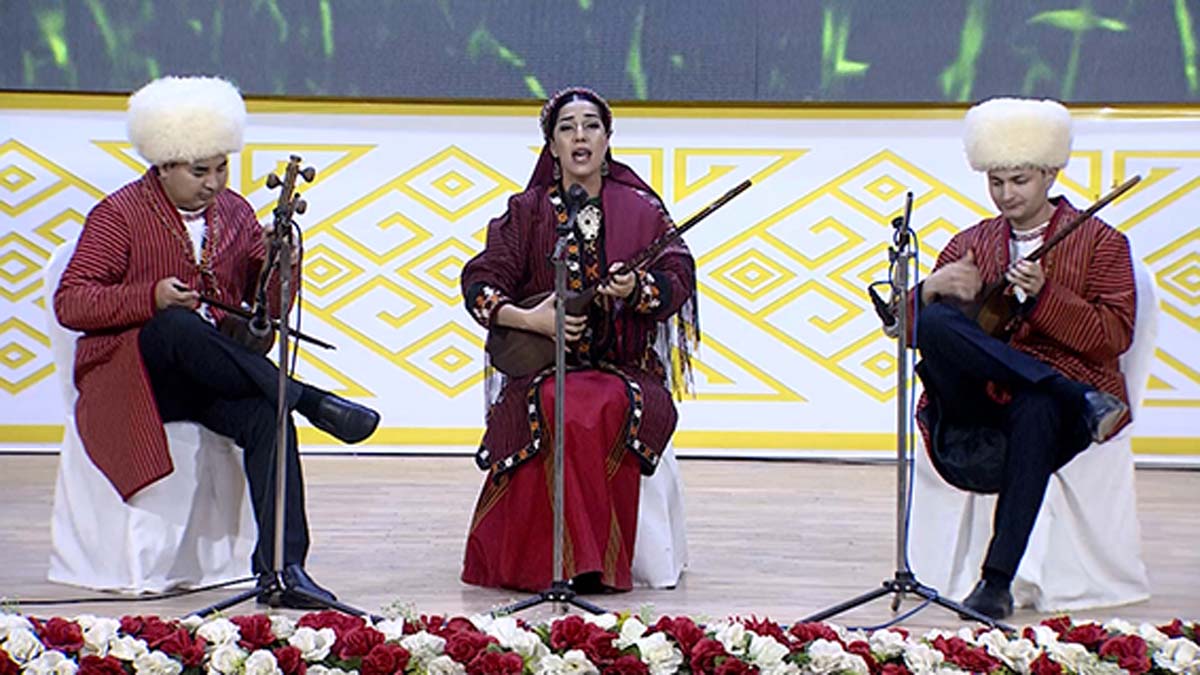
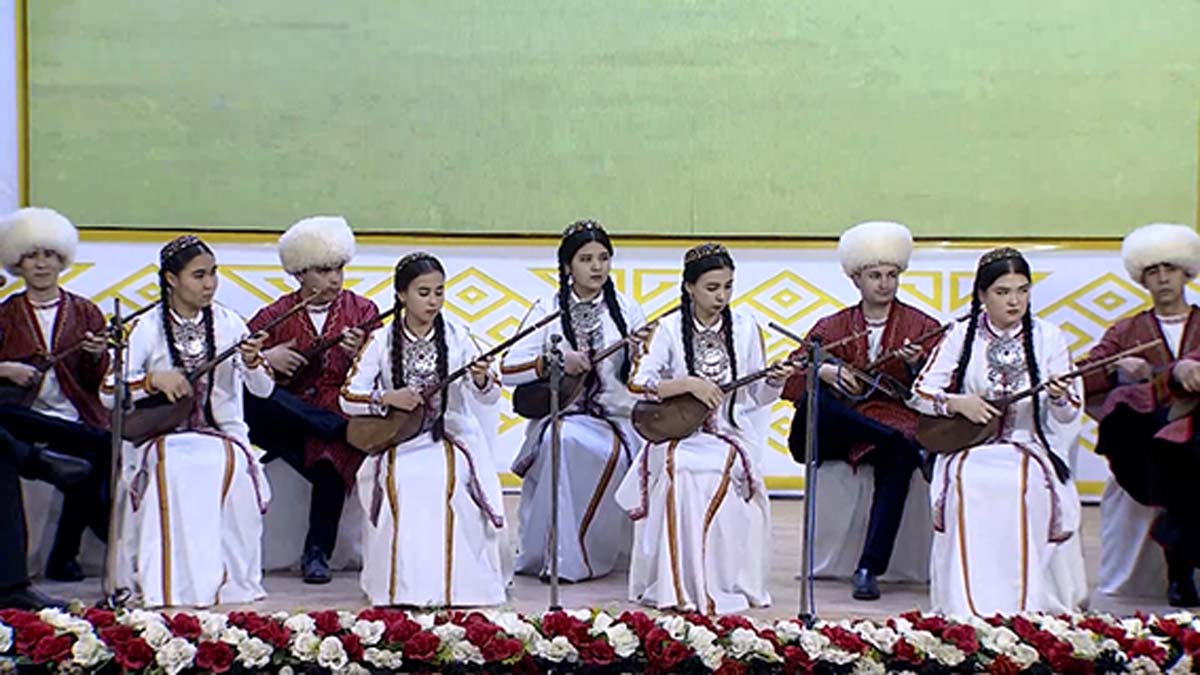
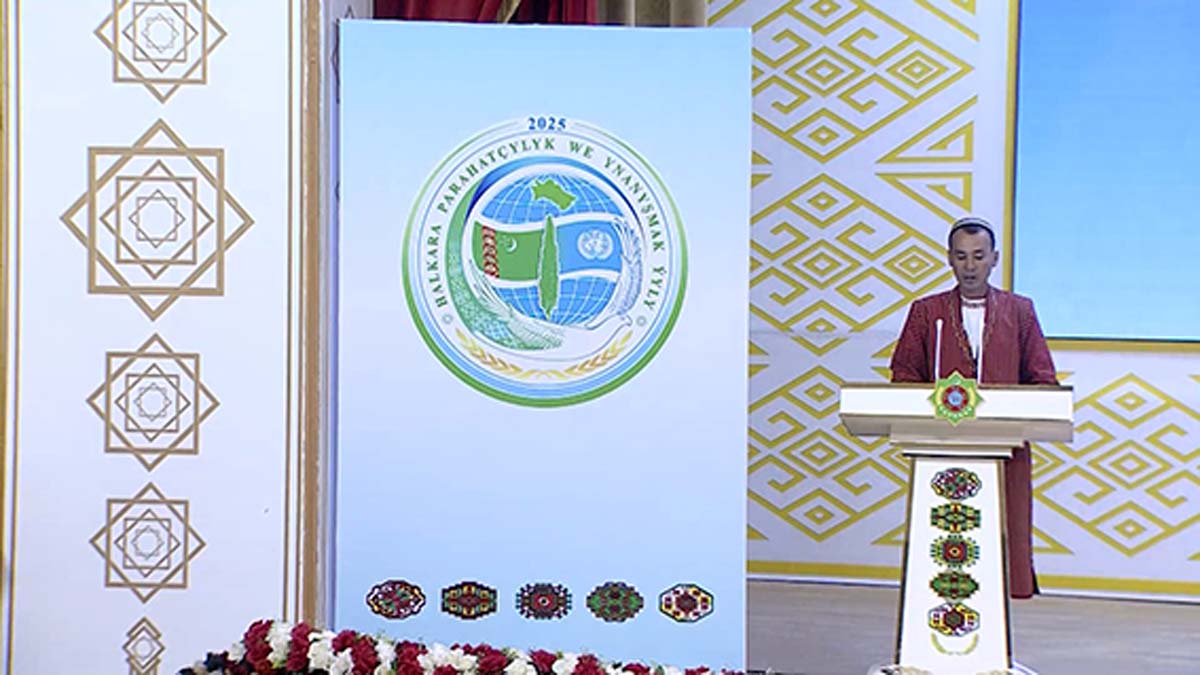
The scientific and practical conference “Halypanyň ýoly - şägirtlere ýörelge” and the festive concert on the occasion of the 115th anniversary of Mustak Aymedov’s birth, which recently took place in the House of Culture of Turkmenabat, testified to the high respect for bakhshi teachers and their commitment to their creative path. At the ceremonial conference, speeches on the large-scale activities carried out by Hero Arkadag and Arkadagly Hero Serdar to develop our national art were listened to with great interest. The speeches were accompanied by a concert of famous musicians of the region, who continue the work of Mustak Aymedov.
Mustak Aymedov himself was born in 1910 in the village of Burdalyk in the Hojambaz etrap, where he spent his childhood. Passionate about music from his youth, he was sent as an apprentice to Hochji-bakhshi, who was famous in the region at the time. Mustak-bakhshi, being a shepherd and farmer, also took lessons from his mentor. By the age of 20, he began to perform independently at weddings and other celebrations. In 1941, he went to the front. But even there, in the midst of the fighting, Aymedov carried the epic "Gorogly" with him and read excerpts from it, singing in his own voice. Mustak-bakhshi was seriously wounded several months before the Victory, demobilized and returned to his native land.
Having recovered from his illness, he again devoted himself to playing the dutar. In 1960, Mustak Aymedov was invited to lead a group of female dutar players created at the House of Culture in the village of Astanababa, Kerki etrap. The 1960s-1980s became the period of Mustak-bakhshi’s greatest creative flourishing. He and his group regularly participated in regional and national events, appeared on television and radio. In 1964, Mustak Aymedov was awarded the honorary title "Honored Bakhshi Turkmenistan". Mustak-bakhshi creatively collaborated with famous musicians and bakhshis of the country. Masters of dutar playing Tugur Berdiniyazov, Aymammet Ashyrov, Yolaman Nurymov, Akmyrat Charyev, gyjak players Nazar Begliyev, Ata Abliyev and Saparguly Ishangulyev performed about 20 works of Mustak-bakhshi, including the famous "Demir donly", "Gözüm düşdi", "Jana-jan perim", "Duz hem bolmasa", which are still kept in the golden fund of the Turkmen radio.
It should be noted that Mustak Aymedov's repertoire included several chapters from the epic "Gorogly", as well as the destan "Magtymguly". Today, the path (or as the bakhshis themselves often say - Yolyny) of the "Honored Bakhshi" Mustak Aymedov is continued by his students.
And in the current “International Year of Peace and Trust”, the 30th anniversary of the country’s Neutrality, the works of the master-bakhshi, glorifying the patriotism, heroism, courage and humanism of the people of Turkmenistan, acquire a special coloring and value.