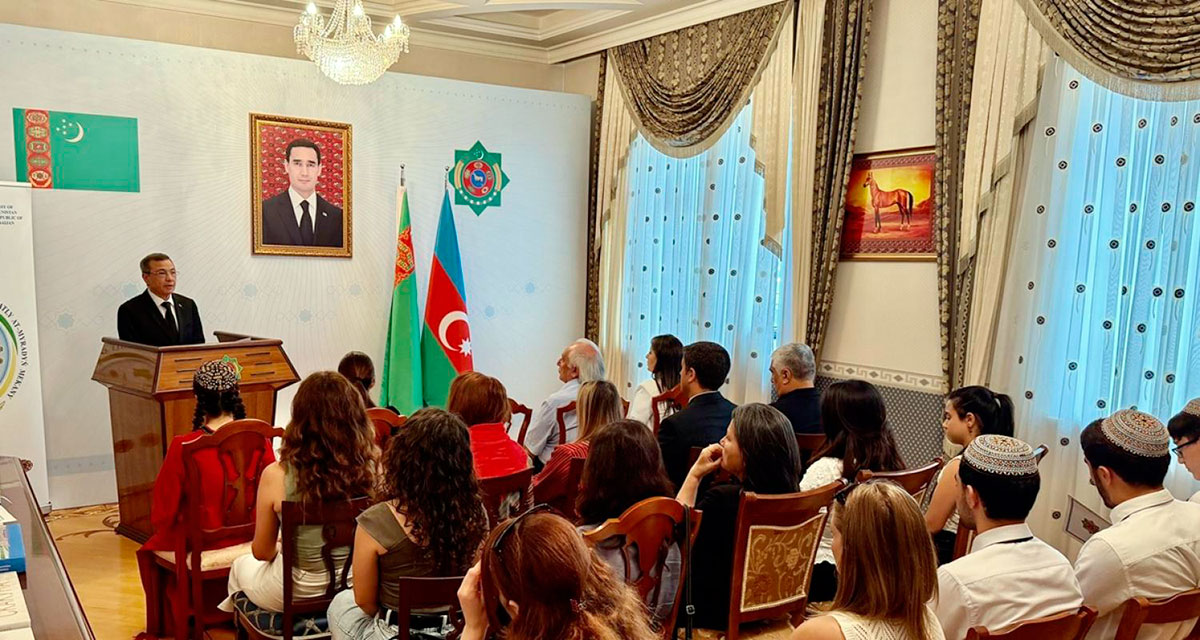



On December 13, the co-working center “Iş Nokady” was transformed into a mini-venue that brought together the vibrant capitals of Central Asia. The Turkmenistan Urban Night Fest took place there as part of the Go Viral Central Asia project and was dedicated to urban development and the concept of sister cities.
The central focus of the discussions was, of course, the white-marble city of Ashgabat. The capital of Turkmenistan is a record holder in the Guinness World Records in several categories, including the title of the world’s most white-marble city, having the largest fountain complex in the world, and the tallest indoor Ferris wheel in the world. The list of records also includes the largest architectural images of a star (on the TV tower) and an Akhal-Teke horse (at the Olympic Stadium), as well as the International Airport for the largest ornamental design.
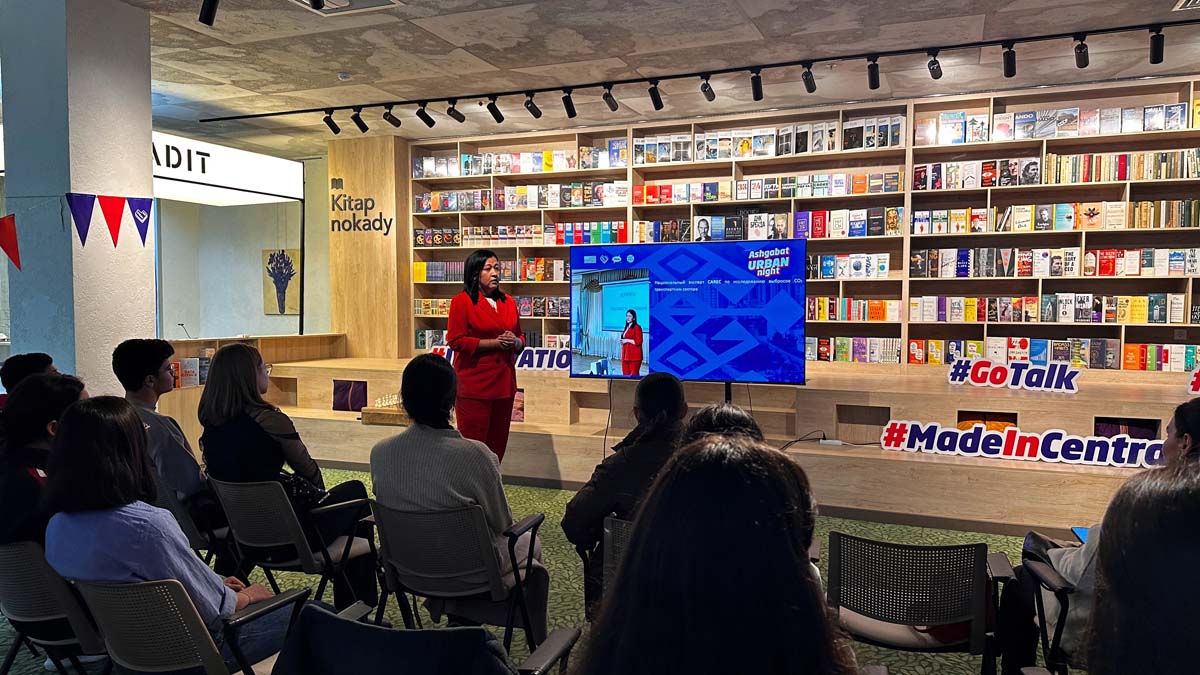
Ashgabat has an extensive network of sister cities around the world. These include the capitals of the CIS countries—Astana, Bishkek, Dushanbe, and Tashkent—as well as cities such as Ankara (Turkiye), Lanzhou (China), Ulaanbaatar (Mongolia), and others.
An interesting fact is that one of the well-known streets of the capital is named after its first sister city (since 1974)—Bamako, the capital of the Republic of Mali. Since 1990, Albuquerque (USA) has also been a sister city, and cooperation in this regard covers culture, education, and governance.
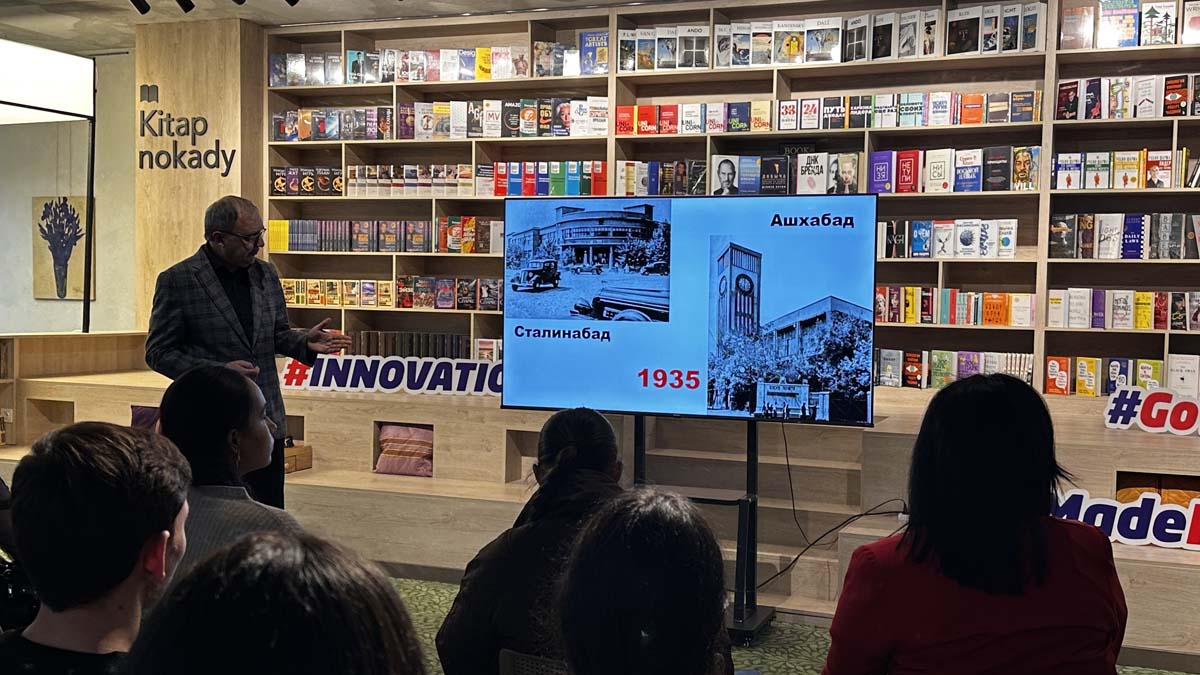
Professor Ruslan Muradov, a member of the International Academy of Architecture and Executive Secretary of the Union of Architects of Turkmenistan, spoke in detail about the formation and development of Ashgabat in his presentation. The subsequent panel discussions addressed environmental issues, the development of technologies, and urban infrastructure not only in Ashgabat, but also in neighboring Central Asian capitals.
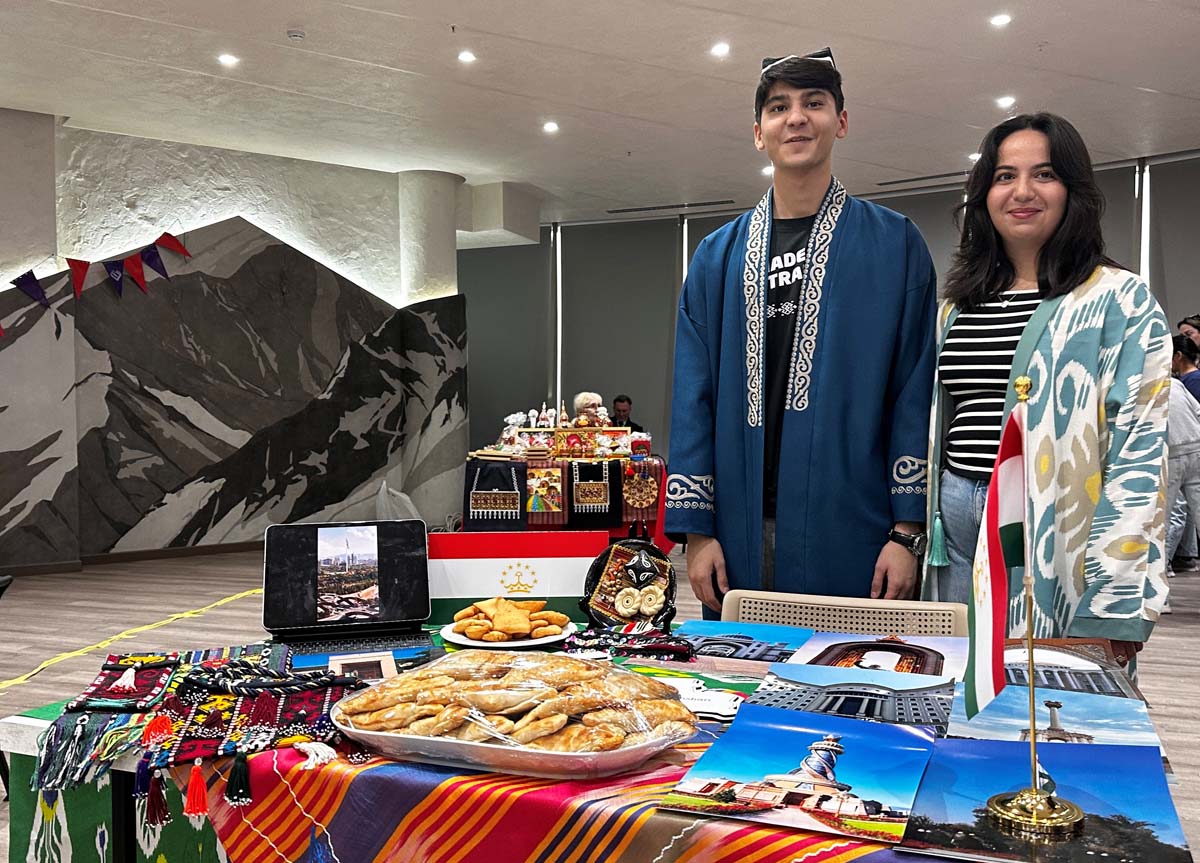
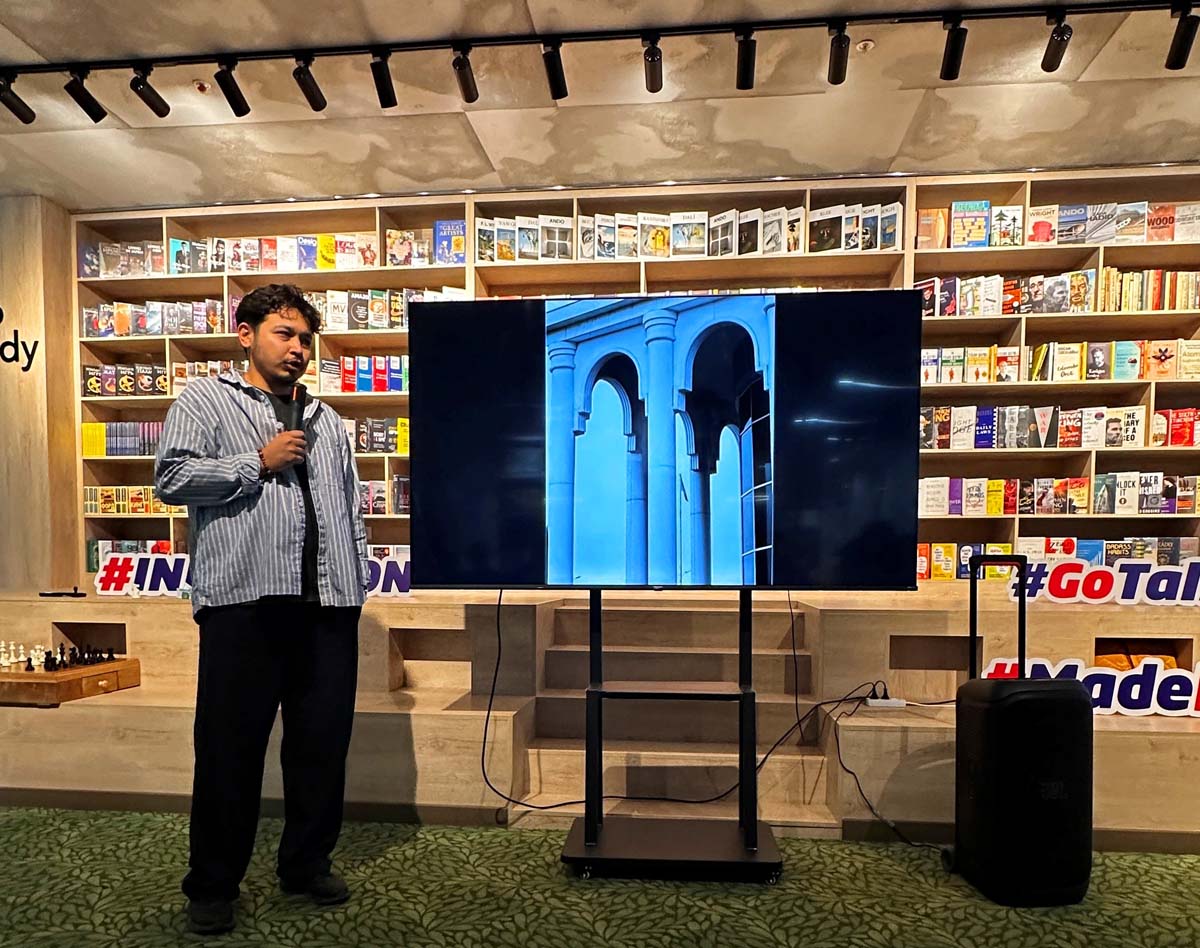
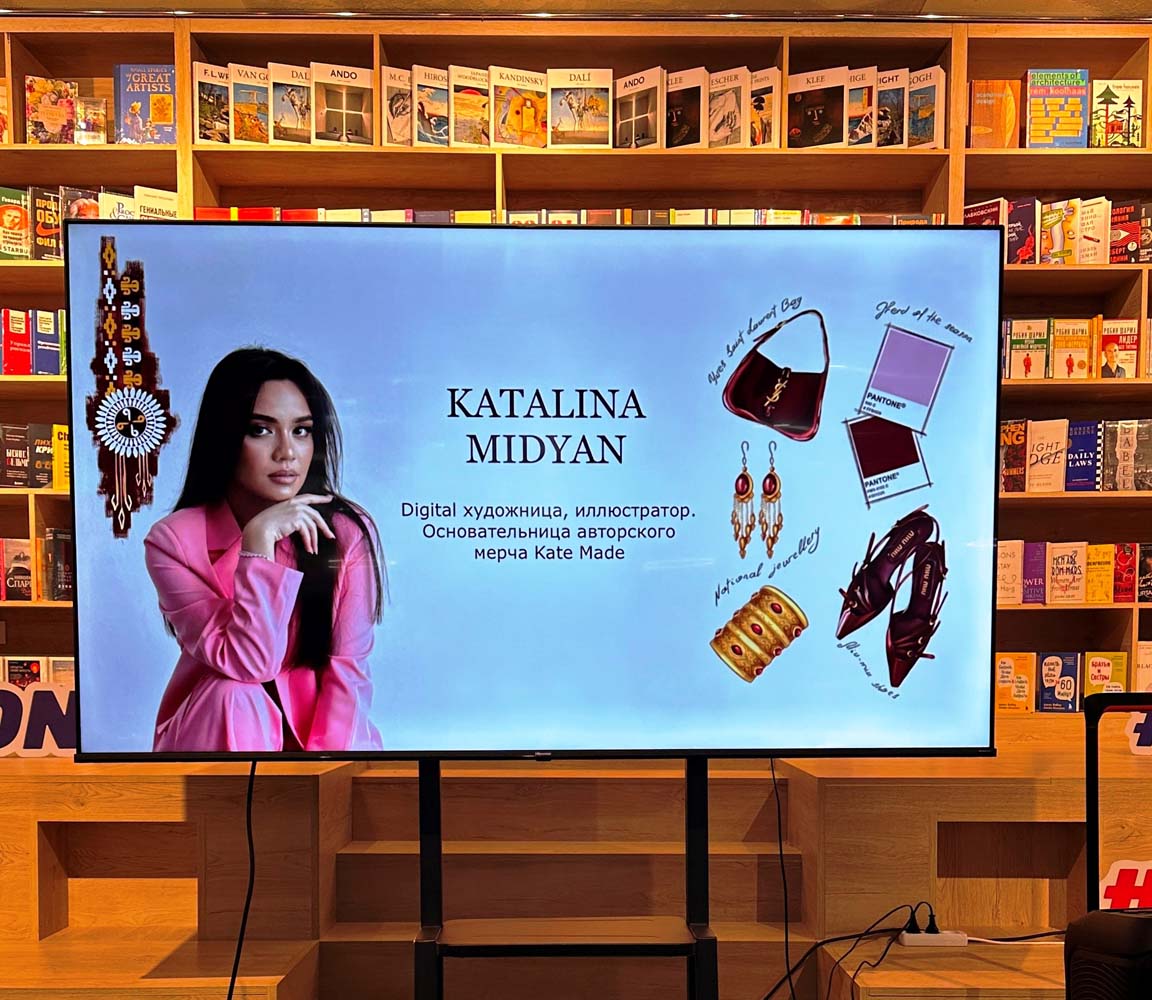
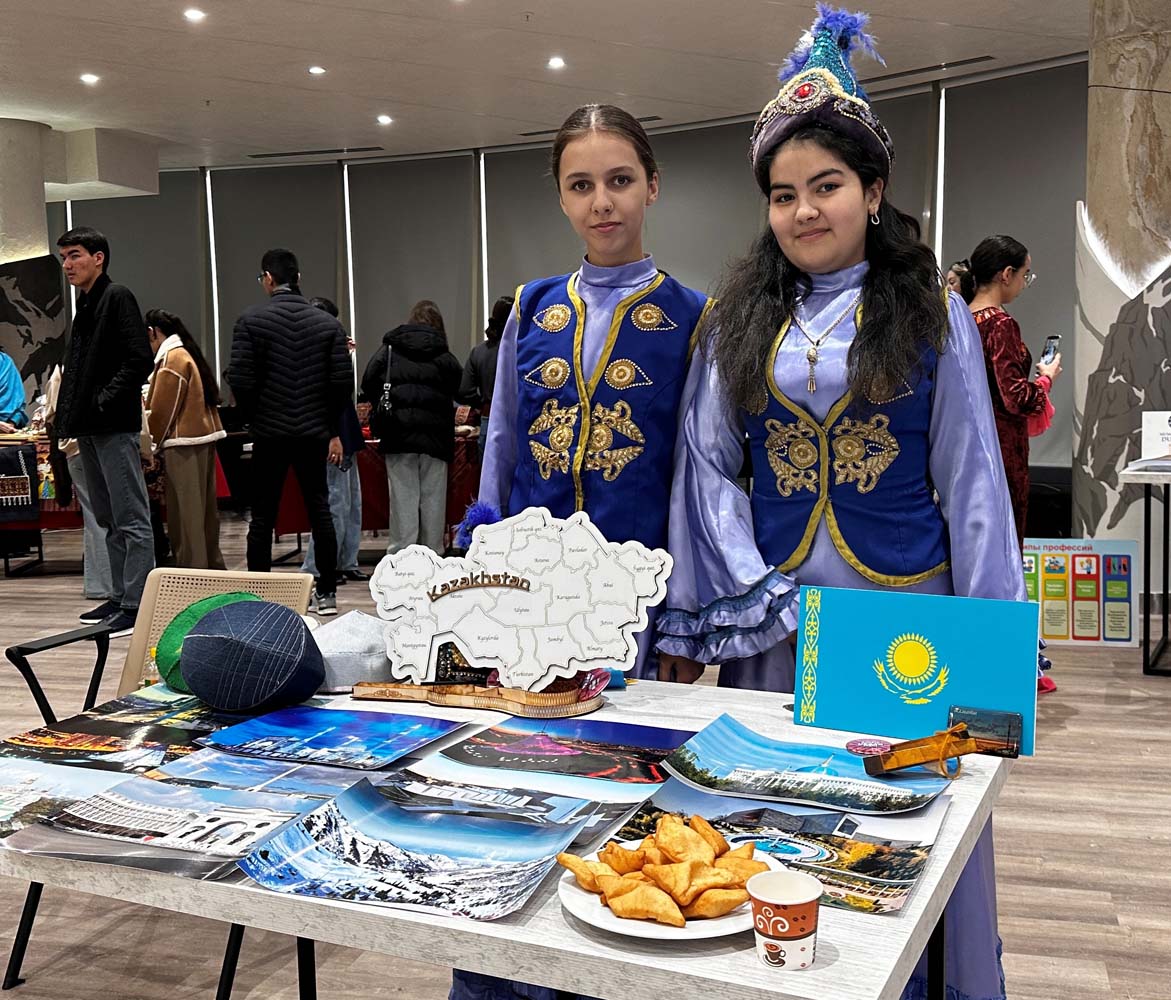
Young photographer and filmmaker Erkin Yazov spoke about his work and opportunities for self-realization in the field of street photography. Digital artist Katalina Midyan shared her experience in developing a brand in an ethnic style using digital technologies. Exhibition stands were organized for guests, showcasing the culture and urban innovations of Central Asian countries, as well as urban laboratories dedicated to the unique features of Central Asian capitals.
The festival concluded with volunteers performing the ancient Turkmen dance Kushtdepdi, the performance and singing of which are included in UNESCO Representative List of the Intangible Cultural Heritage of Humanity. The final highlight was a prize-draw lottery, in which participants received commemorative surprises from the organizers.
The Go Viral program is aimed at developing creative and social initiatives in the fields of business, innovation, technology, and media. It offers numerous unique opportunities for professional and personal growth, strengthening regional cooperation, and implementing meaningful initiatives capable of positively influencing the sustainable development of Central Asia.
In Turkmenistan, the Go Viral project is implemented by IDEA Central Asia in partnership with the ES “Mümkinçilik Dünýasi”, with financial support from the U.S. Diplomatic Mission in Kazakhstan.