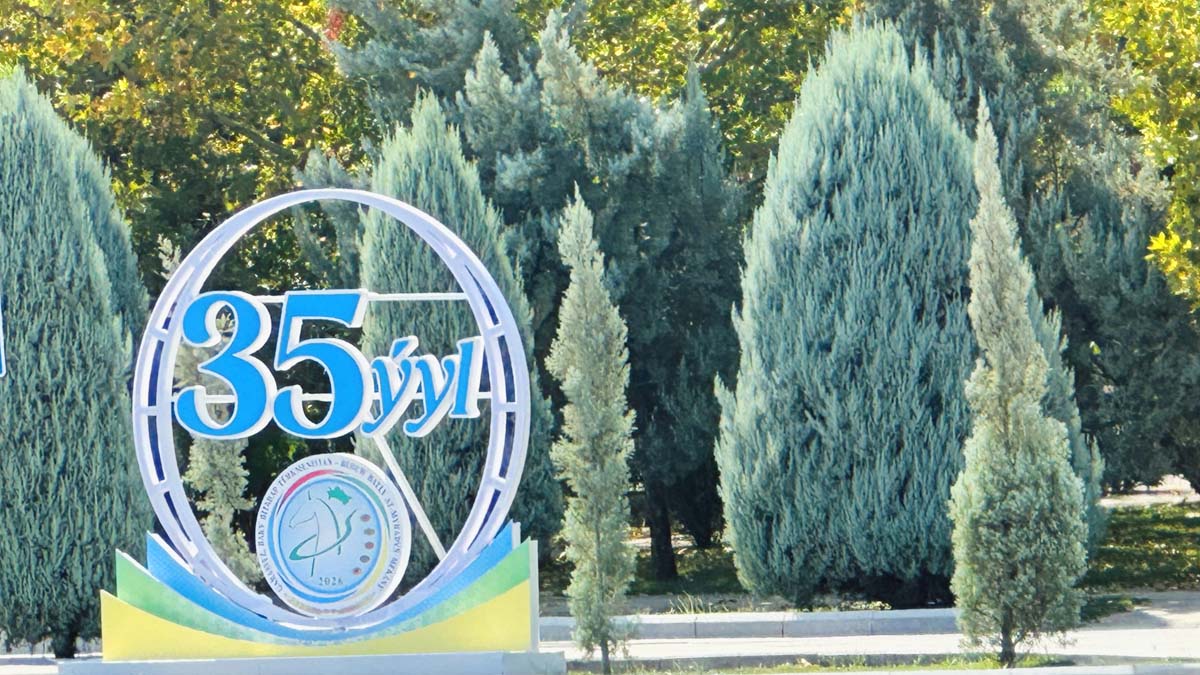



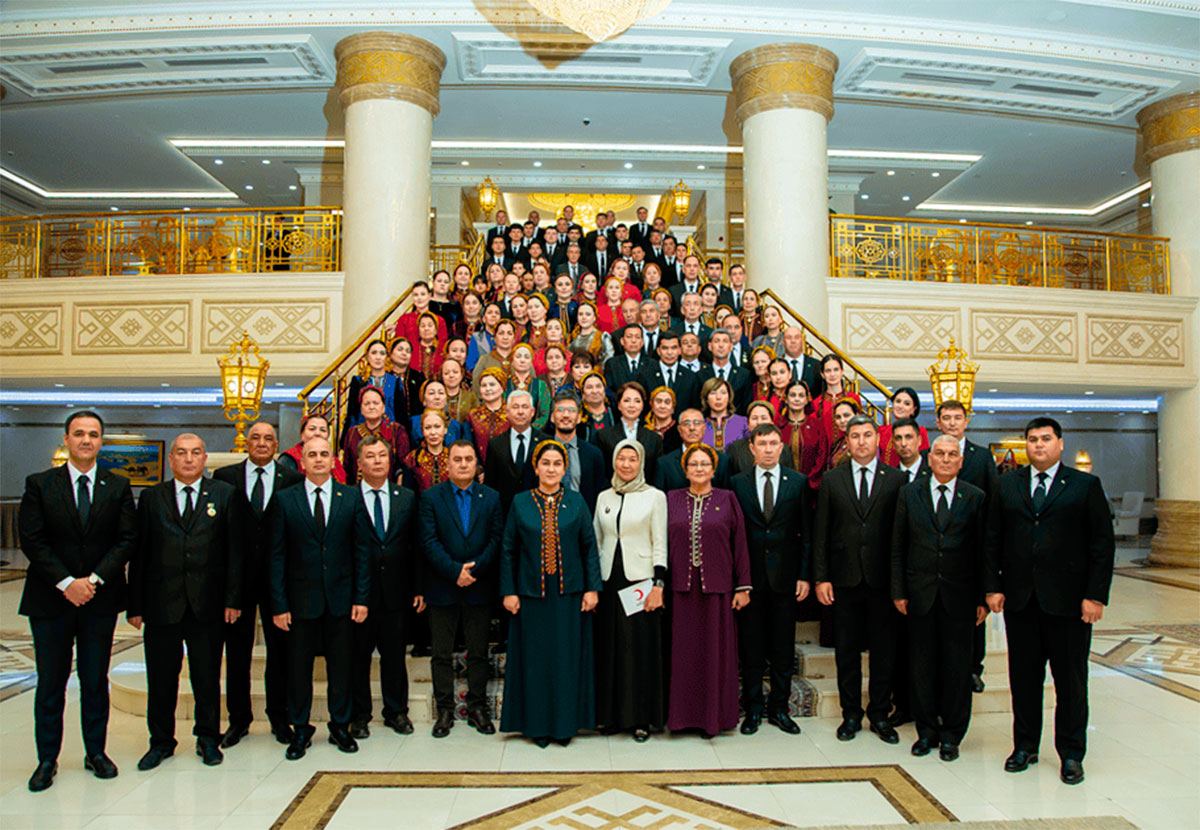
The international conference “Ynsanperwerlik yoly” (“The Path of Humanism”), organized in honor of the 35th anniversary of Turkmenistan’s sacred independence, became a landmark event dedicated to the 100th anniversary of the founding of the National Red Crescent Society of the country.
Summing up a century of the organization’s activities, the event clearly demonstrated the inseparable link between historical heritage and the modern achievements of the state, reinforcing the continuity of humanitarian ideals.
The history of this noble movement in Turkmenistan began in January 1926 with the approval of the Society’s founding regulations. At that time, resources were extremely limited. The entire humanitarian mission often relied on the dedication of doctors who received patients in a single outpatient clinic in Ashgabat and in a small room within the surgical department of the city hospital.
Despite the modest scale of those years, sincere compassion left a deep mark on people’s hearts. In public memory, this hospital came to be known for decades by the warm name “Red Cross,” becoming for many a symbol of hope and salvation.
Turkmenistan’s independence opened a new chapter in the Society’s development. In 1992, by presidential decree, the National Red Crescent Society of Turkmenistan was recognized as the only independent public organization operating in strict accordance with the principles of the International Red Cross and Red Crescent Movement. By 1995, it became a full member of the International Federation, fully integrating into the global humanitarian community.
Today, the Red Crescent Society is a powerful and extensive network with branches in all velayats, cities, and etraps. Supported by thousands of volunteers, the organization serves as a key partner of the state in addressing pressing social issues. Its activities make a significant contribution to the implementation of large-scale programs initiated by the respected President.
The history of the National Society continues. The current generation of staff and volunteers proudly carries the banner of humanism, worthily continuing the work of their predecessors. Loyalty to centuries-old traditions of compassion, combined with modern working methods, enables the organization to remain a reliable pillar of society, proving that the path of humanism is the path to the future.